EN
EN

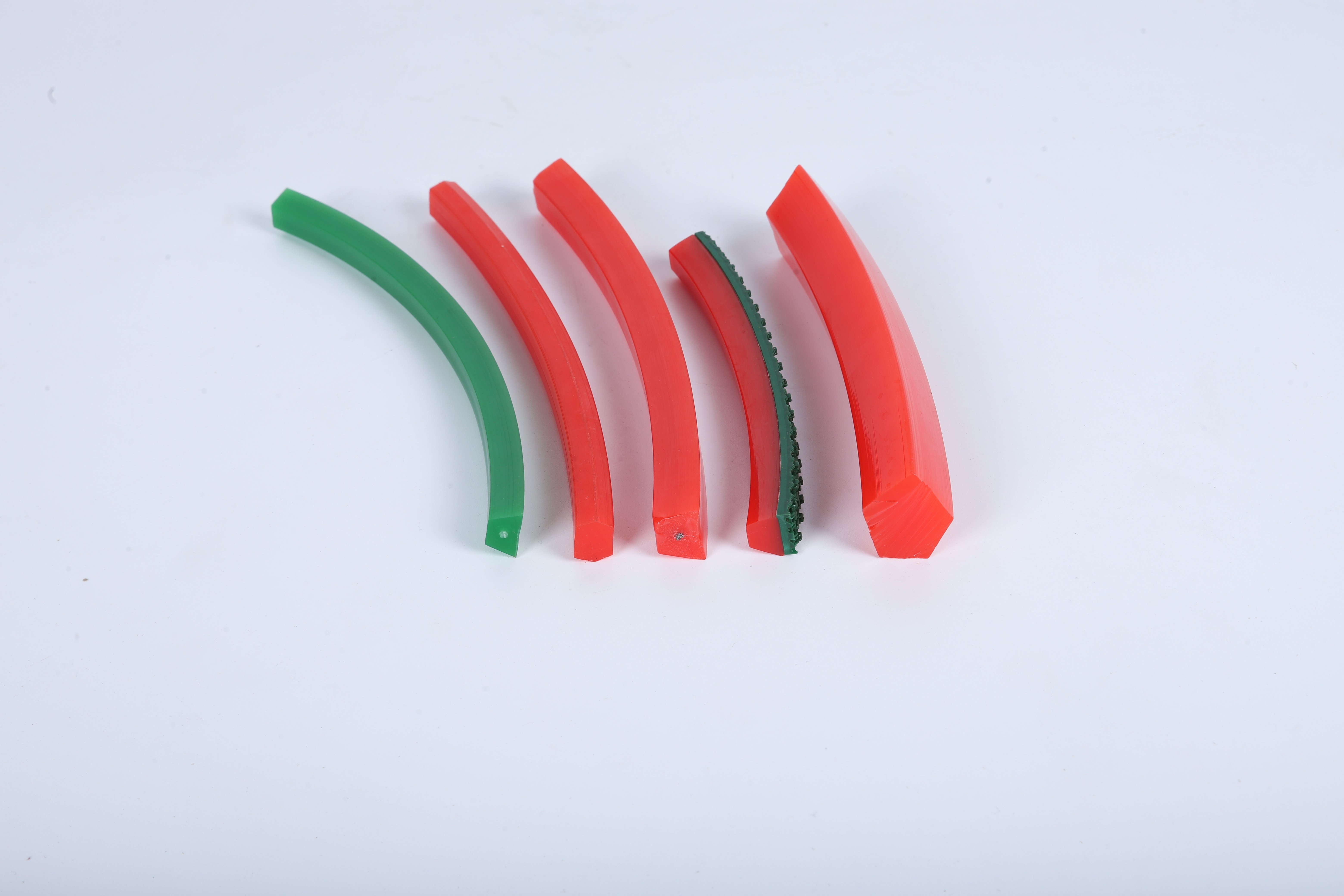
Machinery designers and manufacturers face constant pressure to build systems that operate smoothly, last longer, and require minimal maintenance. The choice of guide materials directly impacts production efficiency, equipment lifespan, and operational costs. Polyurethane extruded profiles have emerged as the preferred solution for custom machinery guides across diverse industrial sectors. Unlike traditional materials such as metal or rigid plastics, polyurethane extruded profiles offer a unique combination of flexibility, durability, chemical resistance, and precision that few alternatives can match. Understanding why polyurethane extruded profiles dominate this application reveals critical insights into modern machinery design and material science.
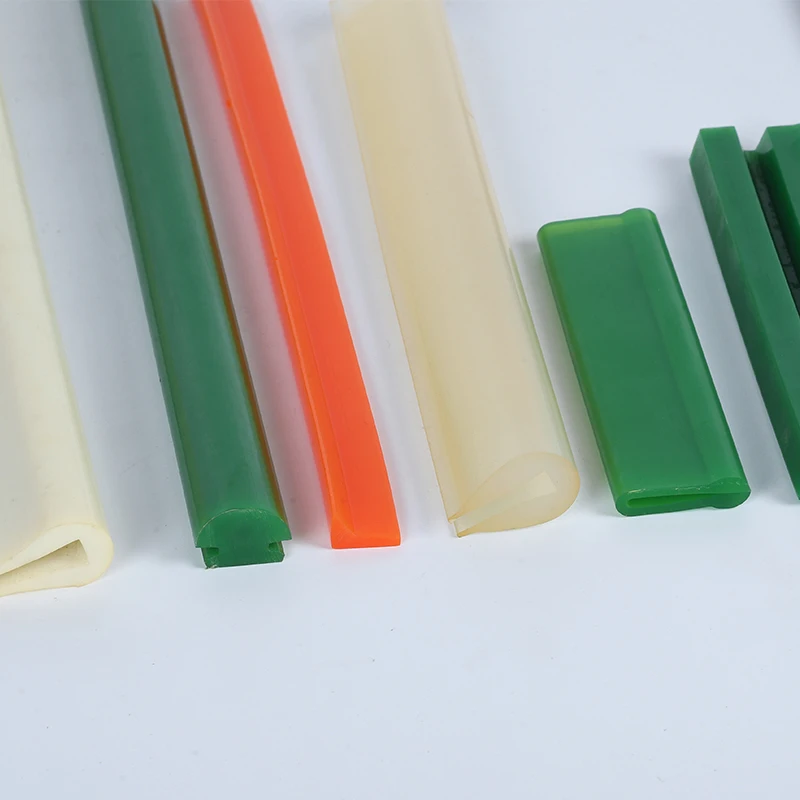
Selecting the right guide material determines whether machinery performs reliably or fails prematurely. Polyurethane extruded profiles meet this challenge by delivering consistent performance under demanding conditions. Industrial engineers and procurement specialists recognize that polyurethane extruded profiles reduce vibration, minimize noise, protect moving components from wear, and adapt to varying load conditions. This article explores the technical advantages of polyurethane extruded profiles and explains why they have become the industry standard for custom machinery guide applications.
Superior Mechanical Properties and Performance Durability
Why Polyurethane Profiles Outperform Traditional Materials
Traditional machinery guide materials struggle under modern industrial demands. Steel guides generate excessive vibration and noise, while rigid plastic alternatives crack under sustained pressure. Polyurethane extruded profiles solve these limitations by combining hardness with elasticity. The molecular structure of polyurethane allows polyurethane extruded profiles to absorb impact energy while maintaining dimensional accuracy. When machinery components slide along these guides, friction is minimized and wear is distributed evenly, extending equipment life significantly. This balance between rigidity and flexibility makes polyurethane extruded profiles ideal for precision applications where tolerances cannot be compromised.
Load-Bearing Capacity and Precision Alignment
Manufacturing facilities require guides that maintain exact positioning throughout millions of operational cycles. Polyurethane extruded profiles excel at this task because they resist permanent deformation under continuous loading. The material's hysteretic properties allow polyurethane extruded profiles to recover their original shape after compression, ensuring that machinery components remain properly aligned. This characteristic prevents drift and misalignment that would otherwise reduce product quality or damage expensive equipment. Engineers specify polyurethane extruded profiles when precision cannot be sacrificed, particularly in conveyor systems, packaging equipment, and automated assembly lines where tolerances are measured in fractions of millimeters.
Chemical and Environmental Resistance Advantages
Protection Against Industrial Contaminants
Factory environments expose machinery guides to oils, solvents, moisture, and temperature fluctuations that degrade conventional materials. Polyurethane extruded profiles resist chemical attack from most industrial fluids, preventing swelling, brittleness, or degradation. This resistance extends guide life dramatically compared to rubber or standard plastics. Food processing facilities, chemical plants, and automotive manufacturers rely on polyurethane extruded profiles because they maintain performance despite exposure to corrosive substances. The material's ability to resist oils used in manufacturing prevents the guides from becoming slippery or losing structural integrity, which would compromise machinery safety and accuracy.
Temperature Stability and Operational Range
Industrial machinery operates across wide temperature ranges, from freezing warehouses to heated production areas. Polyurethane extruded profiles maintain consistent hardness and flexibility across these conditions, unlike materials that become brittle in cold or too soft in heat. Manufacturers can specify polyurethane extruded profiles for applications ranging from minus 20 to plus 80 degrees Celsius without performance loss. This broad operational window eliminates the need for multiple material types and simplifies inventory management. The stability of polyurethane extruded profiles under temperature stress prevents the binding and slippage problems that plague inferior guide materials in variable environments.
Custom Design Flexibility and Cost-Effectiveness
Precision Extrusion and Custom Profile Geometry
Every machinery application presents unique geometric and functional requirements. Polyurethane extruded profiles can be manufactured in virtually any cross-sectional shape, allowing designers to optimize profiles for specific operational needs. Whether machinery requires T-shaped guides, V-slot designs, or specialized grooved profiles, polyurethane extruded profiles can be precisely engineered to specifications. This customization capability eliminates expensive machining operations and allows engineers to design guides that perfectly match component geometries. The material's machinability means that even after extrusion, polyurethane extruded profiles can be cut, drilled, and shaped to exact dimensions, providing flexibility that rigid alternatives cannot match.
Long-Term Economic Value and Maintenance Reduction
Although initial material costs for polyurethane extruded profiles may exceed some alternatives, total cost of ownership strongly favors this choice. Guides made from polyurethane extruded profiles require minimal replacement during equipment life, reducing downtime and maintenance labor. The material's low friction characteristics reduce energy consumption by decreasing the force needed to move components along guides. Many facilities find that polyurethane extruded profiles prevent secondary damage to expensive machinery components by absorbing shock loads. Over five to ten-year equipment lifecycles, the durability and maintenance advantages of polyurethane extruded profiles typically deliver superior financial performance compared to cheaper initial alternatives that require frequent replacement or cause costly production interruptions.
Industry Application Examples and Performance Validation
Conveyor Systems and Material Handling Equipment
Conveyor manufacturers depend on polyurethane extruded profiles to guide moving components smoothly while managing heavy loads. In automated warehouses processing millions of packages daily, polyurethane extruded profiles provide the consistency and durability required for continuous operation. The material's noise reduction properties contribute to safer, more comfortable working environments. Conveyor guide systems using polyurethane extruded profiles experience significantly fewer breakdowns than systems using traditional materials, translating directly to improved operational efficiency and worker safety.
Packaging and Food Production Machinery
Food and beverage manufacturers must maintain sanitary conditions while achieving high production speeds. Polyurethane extruded profiles meet both requirements by resisting moisture, cleaning agents, and temperature cycling while maintaining precise product guidance. The smooth surface of polyurethane extruded profiles prevents product snagging and allows rapid, reliable changeovers between product configurations. Many packaging line operators report that switching to polyurethane extruded profiles reduced jam incidents and improved overall line speed without compromising product quality or safety standards.
FAQ
What specific advantages do polyurethane extruded profiles offer compared to metal or plastic guides?
Polyurethane extruded profiles combine the rigidity needed for precision alignment with the elasticity required for shock absorption and vibration damping. Unlike metal guides that transmit vibration and noise, polyurethane extruded profiles quiet machinery operation while preventing component misalignment. Compared to rigid plastics, polyurethane extruded profiles resist cracking and permanent deformation under continuous loading. The material also resists chemical attack and maintains performance across wide temperature ranges where metal and plastic alternatives fail.
How long do polyurethane extruded profiles typically last in industrial machinery applications?
Polyurethane extruded profiles commonly exceed the operational life of the machinery they guide, often performing reliably for ten years or more in continuous-duty applications. Actual lifespan depends on load intensity, operational hours, chemical exposure, and environmental conditions. Many facilities find that polyurethane extruded profiles installed in the initial equipment build remain in service when the machinery undergoes major upgrades or component replacement. This extended service life contributes significantly to the favorable total cost of ownership that makes polyurethane extruded profiles the preferred material for custom machinery guides.
Can polyurethane extruded profiles be customized to meet specific machinery design requirements?
Polyurethane extruded profiles offer exceptional design flexibility because they can be manufactured in custom cross-sectional geometries suited to any machinery application. After extrusion, polyurethane extruded profiles can be further machined, cut, drilled, and shaped to exact specifications. This combination of customizable extrusion and post-processing capabilities means engineers can design guide systems that perfectly match component movement patterns and load conditions. Custom polyurethane extruded profiles can be produced in various hardness ratings and formulations to optimize performance for specific industrial environments.