EN
EN
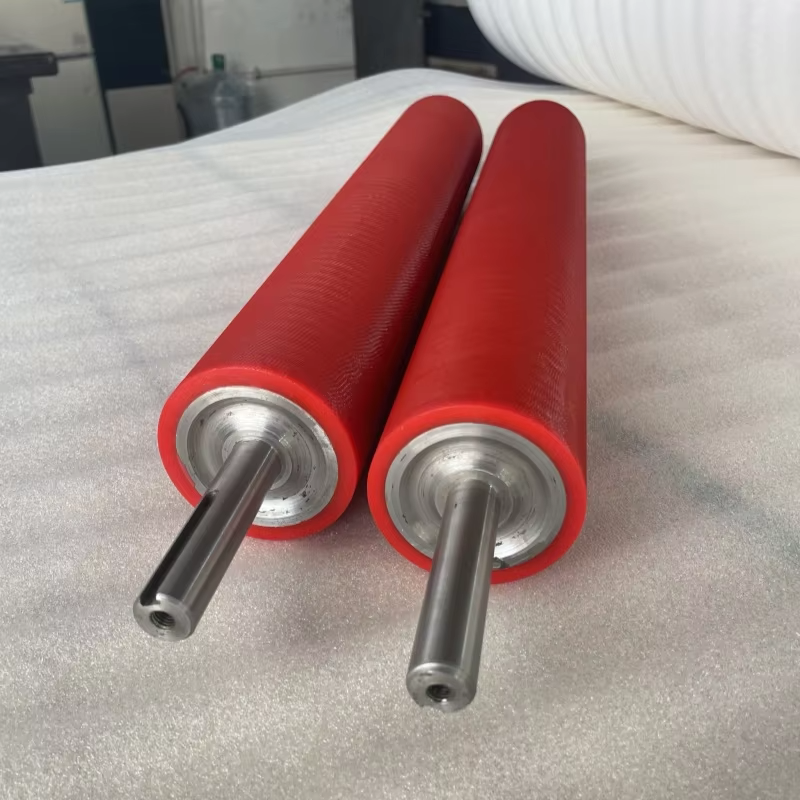
Industrial machinery faces constant challenges from mechanical stress, vibration, and impact forces that can lead to premature wear, operational downtime, and costly repairs. The integration of advanced protective components has become essential for maintaining equipment reliability and extending operational lifespan. Polyurethane bumpers represent a critical solution in modern industrial applications, offering superior impact absorption and vibration dampening capabilities that traditional materials cannot match.
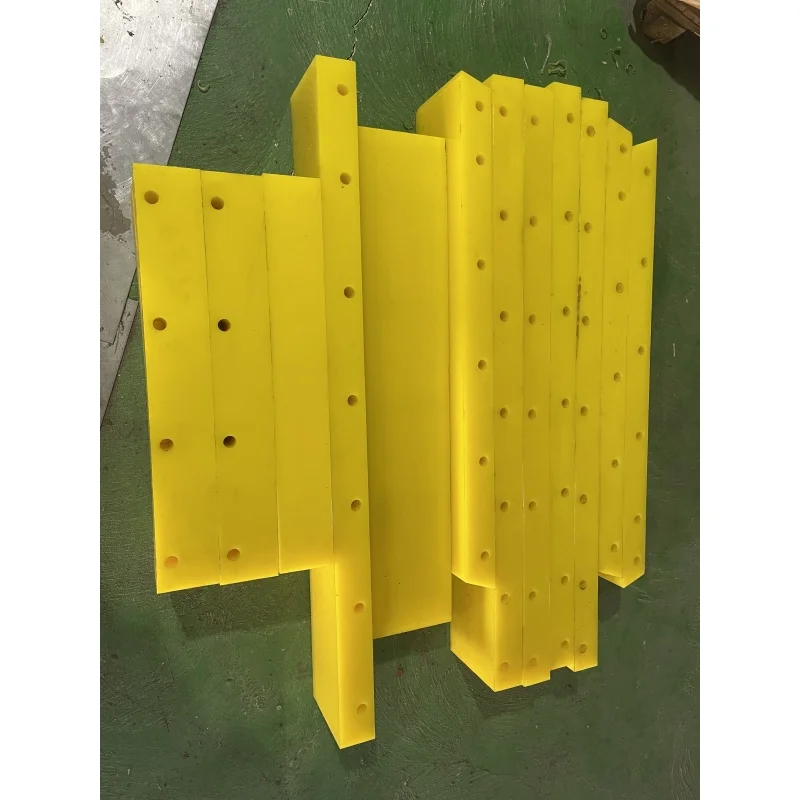
The demanding environment of industrial facilities requires protective components that can withstand extreme conditions while maintaining consistent performance. Heavy machinery operations generate significant forces that, without proper protection, can cause structural damage and mechanical failures. Understanding how polyurethane bumpers function as protective barriers helps facility managers and engineers make informed decisions about equipment protection strategies.
Material Properties and Performance Characteristics
Superior Impact Resistance
Polyurethane exhibits exceptional impact resistance due to its unique molecular structure that combines flexibility with durability. Unlike rubber or metal alternatives, polyurethane maintains its protective properties across a wide range of temperatures and loading conditions. The material's ability to absorb and dissipate kinetic energy prevents damage transfer to sensitive machinery components during operational impacts.
The elastic memory of polyurethane allows bumpers to return to their original shape after compression, ensuring consistent protection over extended service periods. This characteristic proves particularly valuable in applications involving repetitive impact cycles, where other materials might experience permanent deformation or failure. Industrial testing demonstrates that polyurethane bumpers can withstand millions of impact cycles without significant degradation.
Chemical and Environmental Resistance
Industrial environments expose protective components to various chemical substances, temperature fluctuations, and environmental conditions that can compromise material integrity. Polyurethane formulations specifically designed for industrial applications resist oil, hydraulic fluids, solvents, and other chemicals commonly present in manufacturing facilities. This chemical resistance ensures long-term reliability and reduces maintenance requirements.
Temperature stability represents another crucial advantage of polyurethane bumpers in industrial settings. The material maintains its protective properties across temperature ranges from -40°F to 180°F, accommodating the thermal variations typical in heavy machinery operations. UV resistance and weathering stability make polyurethane suitable for both indoor and outdoor industrial applications.
Vibration Dampening and Noise Control
Mechanical Vibration Reduction
Industrial machinery generates vibrations that can propagate through structural components, causing wear, loosening of connections, and operational inefficiencies. Polyurethane bumpers effectively isolate mechanical vibrations by absorbing vibrational energy and preventing its transmission to adjacent components. This isolation capability protects sensitive equipment and improves overall system stability.
The viscoelastic properties of polyurethane enable effective dampening across multiple frequency ranges, making these bumpers versatile solutions for various machinery types. From high-frequency vibrations generated by rotating equipment to low-frequency oscillations from heavy impacts, polyurethane provides consistent dampening performance that extends equipment life and maintains operational precision.
Acoustic Benefits
Noise reduction represents an additional benefit of implementing polyurethane bumpers in industrial machinery protection. The material's ability to absorb acoustic energy helps create quieter work environments and reduces noise-related compliance issues. This acoustic dampening proves particularly valuable in facilities with strict noise regulations or where worker comfort and safety are priorities.
Sound transmission through structural connections can be significantly reduced by strategically placing polyurethane bumpers at contact points and mounting interfaces. This application not only protects equipment but also contributes to improved workplace conditions and regulatory compliance regarding occupational noise exposure limits.
Application Areas and Industrial Uses
Heavy Machinery Protection
Construction equipment, mining machinery, and industrial presses benefit significantly from polyurethane bumper integration. These applications subject equipment to extreme forces and harsh operating conditions where traditional protective materials often fail. Polyurethane bumpers provide reliable protection for hydraulic cylinders, structural frames, and moving components that experience regular impact loads.
Manufacturing equipment including conveyor systems, sorting machinery, and automated production lines utilize polyurethane bumpers to prevent damage from material handling impacts. The precision required in modern manufacturing makes equipment protection essential for maintaining product quality and production efficiency. Custom-designed bumpers accommodate specific machinery configurations and operational requirements.
Transportation and Material Handling
Loading dock equipment, cargo handling systems, and warehouse machinery rely on polyurethane bumpers to protect against impacts from vehicles, containers, and material handling equipment. These applications require bumpers that can withstand repeated heavy impacts while maintaining their protective effectiveness over extended service periods.
Crane and hoist systems incorporate polyurethane bumpers to protect against overtravel conditions and provide cushioning during load positioning operations. The predictable performance characteristics of polyurethane enable engineers to calculate precise protection requirements and ensure safe operational limits are maintained.
Design Considerations and Customization
Load Calculations and Sizing
Proper selection of polyurethane bumpers requires careful analysis of impact forces, operational velocities, and equipment masses involved in potential collision scenarios. Engineering calculations determine optimal bumper dimensions, durometer ratings, and mounting configurations to provide adequate protection without interfering with normal machinery operation.
Dynamic loading conditions differ significantly from static load applications, requiring specialized design approaches that account for energy absorption requirements and deflection limits. Professional engineering analysis ensures that polyurethane bumpers provide sufficient protection while maintaining appropriate safety factors for unexpected overload conditions.
Custom Manufacturing Capabilities
Industrial machinery often requires specialized bumper configurations that standard products cannot accommodate. Custom molding capabilities enable the production of polyurethane bumpers with specific shapes, mounting features, and performance characteristics tailored to unique application requirements. This customization ensures optimal fit and performance in specialized industrial equipment.
Advanced manufacturing techniques allow for the integration of metal inserts, threaded connections, and complex geometries within polyurethane bumpers. These hybrid designs combine the protective properties of polyurethane with the structural advantages of metal components, creating solutions that meet demanding industrial specifications.
Maintenance and Service Life
Inspection and Monitoring
Regular inspection of polyurethane bumpers ensures continued protection effectiveness and helps identify potential issues before equipment damage occurs. Visual examination for cracks, excessive wear, or deformation provides early warning of bumper degradation that might compromise protection capabilities. Establishing inspection schedules based on operational intensity helps maintain optimal protection levels.
Performance monitoring through impact force measurements or vibration analysis can provide quantitative data on bumper effectiveness over time. This data-driven approach enables predictive maintenance strategies that optimize replacement timing and minimize unexpected failures that could result in equipment damage.
Replacement Strategies
Developing systematic replacement strategies for polyurethane bumpers ensures continuous equipment protection while managing maintenance costs effectively. Factors including operational cycles, environmental exposure, and performance degradation patterns influence optimal replacement intervals and help establish preventive maintenance programs.
Inventory management for replacement bumpers considers lead times, critical equipment priorities, and seasonal operational variations. Maintaining appropriate spare part inventories prevents production disruptions while avoiding excessive carrying costs for slow-moving replacement components.
FAQ
What makes polyurethane superior to rubber bumpers for industrial applications
Polyurethane offers superior abrasion resistance, chemical compatibility, and temperature stability compared to traditional rubber materials. The tear strength and impact resistance of polyurethane typically exceed rubber performance by significant margins, while maintaining better dimensional stability over extended service periods. Additionally, polyurethane can be formulated with specific hardness levels and performance characteristics that rubber cannot match.
How do you determine the correct durometer rating for machinery protection
Durometer selection depends on impact energy levels, required deflection characteristics, and operational frequency of impacts. Softer durometers provide greater energy absorption but may wear faster under heavy loads, while harder durometers offer better durability but less impact cushioning. Engineering analysis considering machinery mass, impact velocities, and acceptable deflection limits determines optimal durometer specifications for each application.
Can polyurethane bumpers be repaired or must they be replaced when damaged
Minor surface damage or small cuts in polyurethane bumpers can sometimes be repaired using specialized polyurethane adhesives and patching compounds. However, significant damage affecting the structural integrity or core material typically requires complete replacement to ensure continued protection effectiveness. The cost-effectiveness of repair versus replacement depends on bumper size, complexity, and the extent of damage present.
What environmental factors affect polyurethane bumper performance and lifespan
UV exposure, temperature extremes, chemical contact, and ozone levels can influence polyurethane degradation rates. Continuous exposure to temperatures above 200°F or below -50°F may accelerate aging, while contact with strong acids or bases can cause chemical degradation. Proper material selection and protective coatings can mitigate many environmental effects and extend service life in challenging conditions.
Table of Contents
- Material Properties and Performance Characteristics
- Vibration Dampening and Noise Control
- Application Areas and Industrial Uses
- Design Considerations and Customization
- Maintenance and Service Life
-
FAQ
- What makes polyurethane superior to rubber bumpers for industrial applications
- How do you determine the correct durometer rating for machinery protection
- Can polyurethane bumpers be repaired or must they be replaced when damaged
- What environmental factors affect polyurethane bumper performance and lifespan