EN
EN
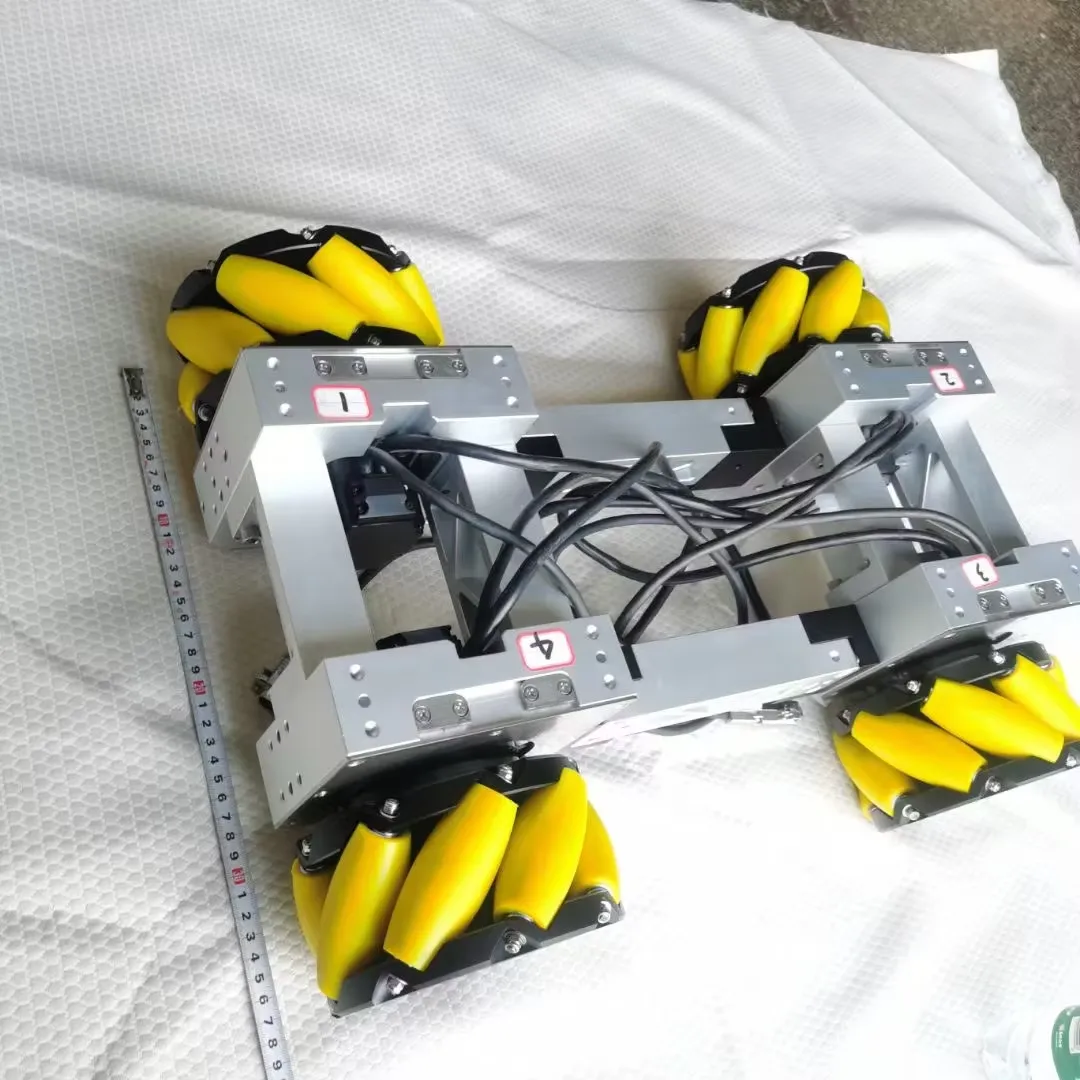
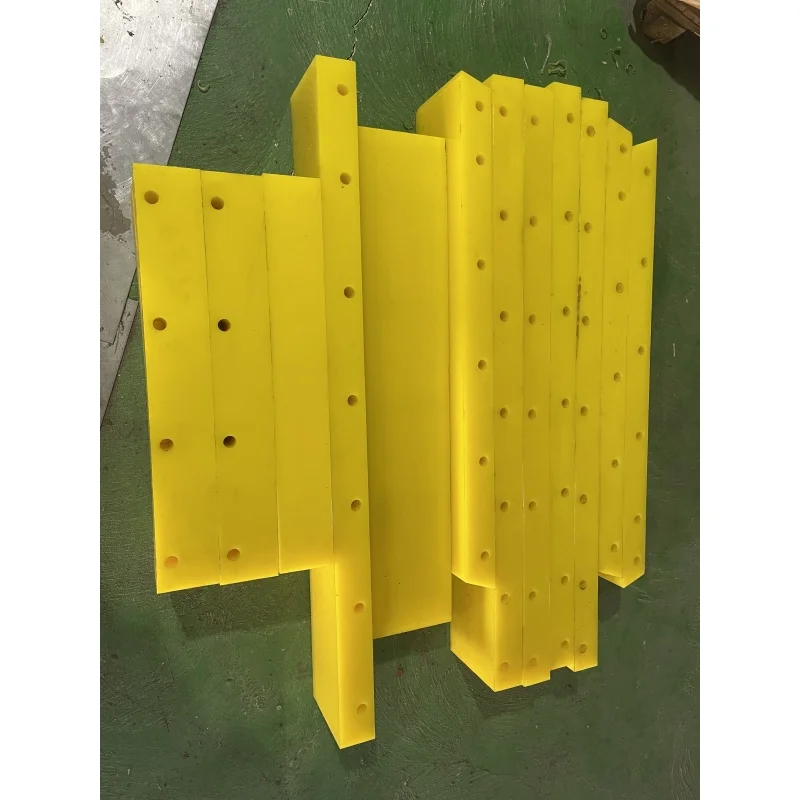
In industrial applications where equipment faces extreme stress, vibration, and impact forces, the choice of protective components can make the difference between operational efficiency and costly downtime. While traditional rubber bumpers have served various industries for decades, polyurethane bumpers have emerged as the superior solution for high-stress environments. These advanced elastomeric components offer exceptional durability, superior load-bearing capacity, and remarkable resistance to environmental factors that would typically degrade conventional rubber materials. Understanding the fundamental differences between these materials helps engineers and facility managers make informed decisions that protect valuable machinery while reducing maintenance costs and extending operational lifespans.
Material Properties and Performance Characteristics
Structural Composition Advantages
Polyurethane exhibits a unique molecular structure that provides superior mechanical properties compared to traditional rubber compounds. The polymer chains in polyurethane create stronger intermolecular bonds, resulting in enhanced tensile strength that can exceed 7,000 PSI in many formulations. This molecular architecture allows polyurethane bumpers to maintain their structural integrity under extreme compressive loads that would cause permanent deformation in rubber alternatives. The cross-linked polymer network also provides exceptional tear resistance, making these bumpers ideal for applications where sharp edges or abrasive contact might occur during normal operation.
The thermoplastic nature of many polyurethane formulations enables manufacturers to achieve consistent material properties throughout the bumper structure. Unlike rubber, which can exhibit variation in density and hardness due to vulcanization inconsistencies, polyurethane maintains uniform characteristics that ensure predictable performance. This consistency translates to more reliable protection for sensitive equipment and reduced variability in vibration dampening effectiveness across multiple installation points.
Dynamic Load Response
Under dynamic loading conditions, polyurethane bumpers demonstrate superior energy absorption and return characteristics compared to rubber alternatives. The material's ability to compress under load while maintaining elastic recovery prevents the permanent set that commonly occurs in rubber components after repeated stress cycles. This elastic memory ensures that protective performance remains consistent throughout the component's service life, even in applications involving millions of compression cycles.
The viscoelastic properties of polyurethane provide optimal dampening across a broader frequency range than rubber materials. While rubber tends to exhibit peak dampening effectiveness within narrow frequency bands, polyurethane maintains consistent vibration control across multiple harmonics. This broad-spectrum dampening capability makes polyurethane bumpers particularly effective in complex machinery where multiple vibration sources operate simultaneously at different frequencies.
Environmental Resistance and Longevity
Chemical and Solvent Resistance
Industrial environments often expose protective components to aggressive chemicals, oils, and solvents that can rapidly degrade conventional rubber materials. Polyurethane bumpers exhibit exceptional resistance to hydrocarbon-based fluids, including hydraulic oils, fuels, and industrial lubricants that are commonly present in manufacturing facilities. This chemical inertness prevents swelling, softening, and degradation that would compromise the bumper's protective function and necessitate frequent replacement.
The resistance extends to various cleaning agents and industrial solvents used in maintenance operations. Where rubber bumpers might require replacement after exposure to aggressive cleaning protocols, polyurethane components maintain their dimensional stability and mechanical properties. This chemical resistance translates to reduced maintenance costs and fewer unplanned shutdowns for component replacement in critical production environments.
Temperature and Weather Stability
Polyurethane bumpers maintain their protective properties across extreme temperature ranges that would cause rubber materials to become brittle or excessively soft. The material's glass transition temperature and thermal stability allow effective operation in environments ranging from sub-zero conditions to elevated temperatures exceeding 200°F. This temperature stability ensures consistent protection for equipment operating in varying seasonal conditions or processes involving thermal cycling.
UV resistance represents another significant advantage of polyurethane over rubber in outdoor applications. While natural and synthetic rubbers typically degrade under prolonged UV exposure, leading to cracking and loss of elasticity, polyurethane formulations can incorporate UV stabilizers that maintain material properties for years of outdoor service. This weather resistance eliminates the need for protective covers or frequent replacement cycles common with rubber bumpers in exterior installations.
Load-Bearing Capacity and Durability
Compression Strength Performance
The superior compression strength of polyurethane bumpers enables them to support heavier loads while maintaining their cushioning effectiveness. Where rubber components might bottom out under extreme loads, polyurethane maintains a progressive compression curve that provides increasing resistance as deflection increases. This characteristic prevents hard contact between protected surfaces while accommodating occasional overload conditions that exceed normal operating parameters.
Testing demonstrates that polyurethane bumpers can withstand compression forces up to 10,000 PSI without permanent deformation, compared to rubber alternatives that typically show permanent set at forces exceeding 3,000 PSI. This enhanced load capacity allows engineers to specify smaller bumper profiles while achieving equivalent or superior protection, leading to more compact equipment designs and reduced space requirements in crowded industrial facilities.
Wear and Abrasion Resistance
The abrasion resistance of polyurethane significantly exceeds that of rubber materials, making these bumpers ideal for applications involving sliding contact or repetitive friction. Laboratory testing using standardized abrasion protocols shows that polyurethane exhibits wear rates that are often less than one-tenth those of comparable rubber compounds. This exceptional wear resistance translates to dramatically extended service life in applications where bumpers experience sliding contact during normal equipment operation.
Surface hardness options in polyurethane formulations allow optimization for specific application requirements. Unlike rubber, where hardness modifications often compromise other properties, polyurethane can be formulated to achieve precise durometer values while maintaining excellent tear strength and resilience. This flexibility enables engineers to select the optimal hardness for maximum wear resistance while ensuring adequate cushioning for the protected equipment.
Cost-Effectiveness and Maintenance Benefits
Lifecycle Cost Analysis
While polyurethane bumpers typically involve higher initial costs compared to rubber alternatives, their extended service life and reduced maintenance requirements result in significantly lower total cost of ownership. The durability advantages of polyurethane can extend replacement intervals by 300-500% compared to rubber bumpers in demanding applications. This extended service life reduces both material costs and the labor expenses associated with frequent component replacement in operational facilities.
Reduced downtime represents another significant economic advantage of polyurethane bumpers. The reliability and longevity of these components minimize unplanned maintenance shutdowns that can cost thousands of dollars per hour in lost production. The consistent performance characteristics also reduce the risk of equipment damage that might occur if protective components fail unexpectedly during operation.
Maintenance Requirements and Inspection
Polyurethane bumpers require minimal maintenance compared to rubber alternatives, which often need frequent inspection for cracking, hardening, or chemical degradation. The material's resistance to environmental factors means that routine visual inspection is typically sufficient to assess component condition. Unlike rubber bumpers that may require tactile testing to detect hardening or surface degradation, polyurethane maintains consistent appearance and feel throughout its service life.
The predictable aging characteristics of polyurethane enable more efficient maintenance scheduling based on actual operating hours rather than calendar time. This predictability allows maintenance teams to optimize replacement schedules and inventory management, reducing both carrying costs and the risk of unexpected component failure. The material's resistance to sudden failure modes also provides warning signs when replacement becomes necessary, unlike rubber components that may fail catastrophically without advance indication.
Application-Specific Performance Advantages
Heavy Machinery and Equipment Protection
In heavy industrial applications, polyurethane bumpers provide superior protection for expensive machinery components subjected to extreme operational stresses. The material's ability to absorb and dissipate impact energy prevents transmission of damaging forces to sensitive mechanical elements such as bearings, seals, and precision surfaces. This protection is particularly valuable in applications involving large mobile equipment, overhead cranes, and automated material handling systems where collision impacts can cause catastrophic damage.
The consistent dampening characteristics of polyurethane ensure that protected equipment experiences minimal shock transmission even during emergency stop conditions or unexpected contact events. This protection extends beyond mechanical damage prevention to include reduction of noise and vibration that can affect worker comfort and compliance with occupational safety regulations.
Precision Equipment Applications
For sensitive instrumentation and precision machinery, polyurethane bumpers offer vibration isolation properties that maintain accuracy and repeatability in demanding environments. The material's ability to attenuate high-frequency vibrations while providing structural support makes it ideal for protecting optical equipment, measurement devices, and computer-controlled machinery from environmental disturbances that could affect performance.
The dimensional stability of polyurethane under varying load conditions ensures that protected equipment maintains proper alignment and positioning throughout operational cycles. This stability is crucial in applications where precise positioning affects product quality or measurement accuracy, such as in automated assembly systems or laboratory instrumentation installations.
FAQ
How long do polyurethane bumpers typically last compared to rubber ones?
Polyurethane bumpers typically last 3-5 times longer than rubber alternatives in high-stress applications. While rubber bumpers may require replacement every 1-2 years in demanding environments, polyurethane components often provide 5-10 years of reliable service. The exact lifespan depends on specific operating conditions, but the superior material properties of polyurethane consistently deliver extended service intervals across various industrial applications.
Can polyurethane bumpers be customized for specific load requirements?
Yes, polyurethane bumpers can be extensively customized to match specific load, deflection, and environmental requirements. Manufacturers can adjust durometer, geometry, and chemical formulation to optimize performance for particular applications. This customization capability allows engineers to achieve precise load-deflection curves and ensure optimal protection for unique equipment configurations or operating conditions.
Are polyurethane bumpers suitable for food processing or pharmaceutical applications?
Polyurethane bumpers can be formulated to meet FDA and pharmaceutical industry standards for direct and indirect food contact applications. Special food-grade formulations provide the same mechanical advantages as standard polyurethane while meeting strict regulatory requirements for chemical migration and bacterial resistance. These specialized compounds maintain their protective properties while ensuring compliance with industry hygiene and safety standards.
What factors should be considered when selecting polyurethane bumper hardness?
Bumper hardness selection should consider load magnitude, deflection requirements, impact velocity, and environmental conditions. Softer durometers provide better cushioning for light loads and delicate equipment, while harder formulations offer superior load capacity and wear resistance. The optimal hardness balances protection effectiveness with component longevity, typically ranging from 60A to 95A Shore hardness depending on specific application demands.
Table of Contents
- Material Properties and Performance Characteristics
- Environmental Resistance and Longevity
- Load-Bearing Capacity and Durability
- Cost-Effectiveness and Maintenance Benefits
- Application-Specific Performance Advantages
-
FAQ
- How long do polyurethane bumpers typically last compared to rubber ones?
- Can polyurethane bumpers be customized for specific load requirements?
- Are polyurethane bumpers suitable for food processing or pharmaceutical applications?
- What factors should be considered when selecting polyurethane bumper hardness?