EN
EN
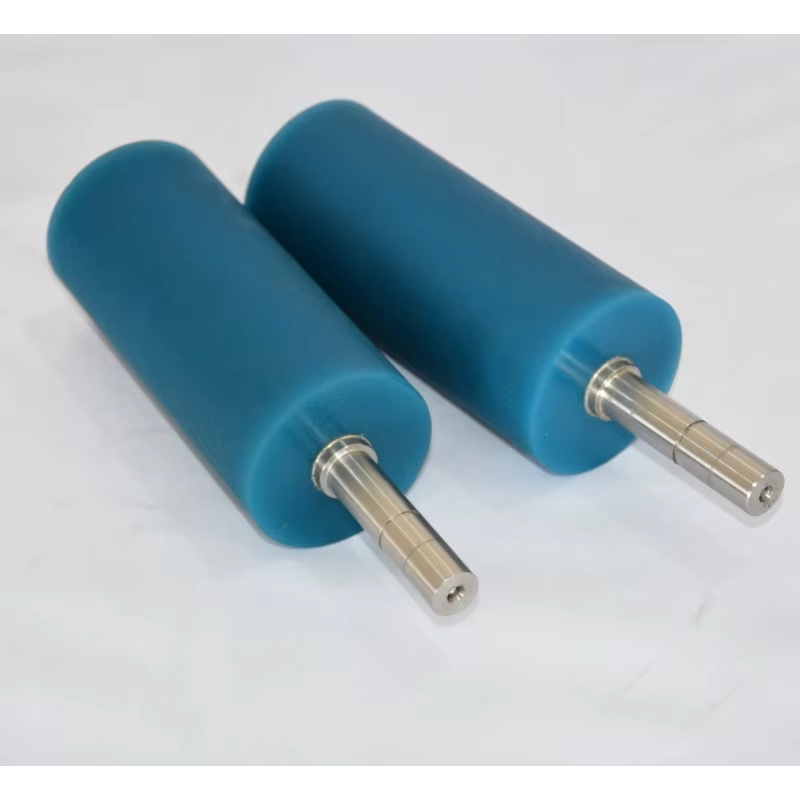
Conveyor systems are the backbone of modern industrial operations, moving materials efficiently across production lines, warehouses, and manufacturing facilities. At the heart of these systems lie critical components that ensure smooth operation and protect equipment from damage. Among these essential elements, polyurethane bumpers stand out as vital protective devices that absorb impact, reduce vibration, and extend the lifespan of conveyor equipment. Understanding how to select the appropriate polyurethane bumper for your specific application can significantly impact operational efficiency, maintenance costs, and overall system reliability.
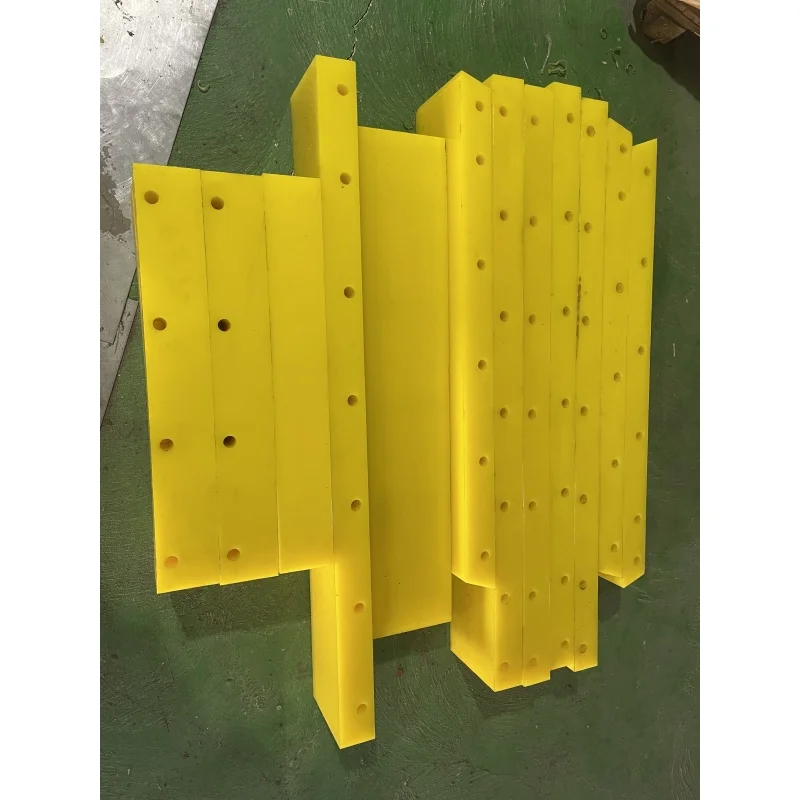
The selection process involves multiple technical considerations, from material properties and environmental factors to load requirements and installation constraints. Industrial engineers and maintenance professionals must evaluate various parameters to ensure optimal performance and cost-effectiveness. This comprehensive guide explores the critical aspects of choosing polyurethane bumpers, providing practical insights for making informed decisions that align with operational requirements and budget considerations.
Understanding Polyurethane Bumper Applications in Conveyor Systems
Primary Functions and Benefits
Polyurethane bumpers serve multiple essential functions within conveyor systems, acting as shock absorbers that protect both the transported materials and the conveyor infrastructure. These components absorb kinetic energy during material transfers, preventing damage to sensitive products and reducing wear on mechanical components. The superior elasticity and durability of polyurethane make it an ideal material for applications requiring consistent performance under repeated impact loads.
The vibration dampening properties of polyurethane bumpers contribute significantly to noise reduction and operational smoothness. By minimizing vibrations transmitted through the conveyor structure, these components help maintain precise positioning of materials and reduce fatigue stress on supporting frameworks. This functionality becomes particularly important in high-speed operations where even minor vibrations can compound into significant operational issues.
Beyond protection and vibration control, polyurethane bumpers facilitate controlled material flow by providing consistent stopping points and transfer mechanisms. Their ability to maintain shape memory under cyclic loading ensures reliable performance over extended periods, reducing maintenance requirements and operational downtime. The chemical resistance of polyurethane also allows these bumpers to function effectively in challenging industrial environments.
Common Installation Locations
Transfer points represent the most critical locations for polyurethane bumper installation, where materials transition between conveyor sections or change direction. These areas experience the highest impact forces and require carefully engineered bumper solutions to manage material flow effectively. Proper positioning at transfer points prevents spillage, reduces dust generation, and maintains product integrity during transportation.
Loading and unloading zones benefit significantly from strategically placed polyurethane bumpers that cushion material impact and protect conveyor belts from damage. These locations often involve varying load sizes and weights, requiring bumpers with adaptable compression characteristics. The installation of appropriate bumpers in these zones extends belt life and reduces maintenance interventions.
Curved sections and directional changes within conveyor systems utilize polyurethane bumpers to guide materials smoothly while preventing derailment or spillage. The flexibility of polyurethane allows for custom-shaped bumpers that conform to specific geometric requirements. Emergency stop zones also employ specialized bumpers designed to safely decelerate materials during system shutdowns or malfunction scenarios.
Material Properties and Performance Characteristics
Durometer Selection and Impact Resistance
The durometer rating of a polyurethane bumper directly influences its performance characteristics and suitability for specific applications. Lower durometer ratings provide greater flexibility and impact absorption, making them ideal for applications involving delicate materials or light loads. Higher durometer ratings offer increased load-bearing capacity and dimensional stability, suitable for heavy-duty industrial applications.
Impact resistance varies significantly across different durometer ranges, with each range optimized for specific force levels and frequency patterns. Understanding the relationship between material hardness and energy absorption capabilities enables engineers to select bumpers that provide optimal protection without over-engineering the solution. The selection process must balance impact absorption requirements with durability expectations.
Temperature effects on durometer properties require careful consideration, as polyurethane characteristics change with environmental conditions. Operating temperatures influence both the effective durometer and the long-term stability of the material. Proper selection accounts for temperature variations throughout the operational cycle to ensure consistent performance across all conditions.
Environmental Resistance and Longevity
Chemical compatibility represents a crucial factor in polyurethane bumper selection, particularly in industrial environments where exposure to oils, solvents, or corrosive substances may occur. Different polyurethane formulations offer varying levels of chemical resistance, with specialized compounds available for harsh chemical environments. Understanding the specific chemicals present in the operating environment guides appropriate material selection.
UV stability and ozone resistance become important considerations for outdoor installations or environments with significant light exposure. Standard polyurethane formulations may degrade under prolonged UV exposure, requiring specialized additives or alternative formulations for outdoor applications. The selection of UV-stabilized materials ensures long-term performance and prevents premature failure.
Moisture resistance and hydrolysis stability affect the longevity of polyurethane bumpers in humid or wet environments. Certain polyurethane chemistries demonstrate superior resistance to moisture-induced degradation, making them preferable for applications in high-humidity conditions or where direct water contact occurs. Proper material selection based on environmental moisture levels prevents unexpected component failure.
Load Analysis and Sizing Considerations
Calculating Impact Forces and Energy Requirements
Accurate load analysis forms the foundation of proper polyurethane bumper selection, requiring detailed understanding of both static and dynamic forces within the conveyor system. Impact forces depend on material weight, conveyor speed, and the geometry of material interaction with the bumper. Engineers must calculate peak impact forces to ensure selected bumpers can handle maximum expected loads without permanent deformation.
Energy absorption requirements depend on the kinetic energy of moving materials and the desired deceleration profile. The relationship between impact velocity and energy absorption capabilities determines the minimum bumper size and configuration needed for effective protection. Proper analysis considers both normal operating conditions and potential overload scenarios.
Cyclic loading analysis evaluates the fatigue resistance of polyurethane bumpers under repeated impact conditions. The frequency of impacts, combined with force levels, determines the expected service life and helps establish maintenance schedules. Understanding cyclic loading behavior enables selection of bumpers with appropriate fatigue resistance for the specific application.
Dimensional Requirements and Space Constraints
Physical space limitations often constrain polyurethane bumper selection, requiring careful balance between performance requirements and available installation space. Compact installations may necessitate higher durometer materials to achieve required performance within limited dimensions. The relationship between bumper size and energy absorption capacity must be optimized for space-constrained applications.
Mounting configurations influence both the effective performance and the physical dimensions of polyurethane bumpers. Different mounting methods provide varying levels of energy absorption and require specific dimensional considerations. The selection process must account for mounting hardware requirements and their impact on overall system dimensions.
Clearance requirements around moving parts and maintenance access needs affect bumper placement and sizing decisions. Adequate clearance ensures proper operation while allowing for thermal expansion and maintenance activities. The design must consider both operational clearances and service access requirements throughout the system lifecycle.
Installation Methods and Best Practices
Mounting Systems and Hardware Selection
Proper mounting systems ensure optimal performance and longevity of polyurethane bumpers while providing secure attachment under dynamic loading conditions. Bolt-through mounting offers maximum security for high-load applications but requires careful attention to bolt torque specifications to prevent over-compression. The use of washers and backing plates distributes mounting forces and prevents localized stress concentrations.
Adhesive mounting provides clean installation aesthetics and may be suitable for lighter-duty applications where removal for maintenance is not frequently required. The selection of appropriate adhesives depends on both the polyurethane formulation and the substrate material. Surface preparation becomes critical for adhesive mounting success, requiring proper cleaning and potential primer application.
Mechanical clamping systems offer advantages in applications requiring frequent bumper replacement or adjustment. These systems allow for quick installation and removal without permanent modification to the conveyor structure. The clamping mechanism must provide adequate holding force while avoiding over-compression that could reduce bumper performance.
Alignment and Positioning Guidelines
Precise alignment of polyurethane bumpers ensures optimal energy absorption and prevents uneven wear patterns that could lead to premature failure. The impact point should align with the center of the bumper's compression zone to maximize energy absorption efficiency. Misalignment can result in edge loading and reduced service life.
Positioning relative to material flow patterns requires careful analysis of conveyor dynamics and material behavior. Bumpers should be positioned to intercept materials at optimal angles for effective energy absorption while guiding materials along desired paths. The positioning must account for material bounce and rebound characteristics.
Multiple bumper installations require coordinated positioning to ensure balanced load distribution and consistent material handling. Spacing between adjacent bumpers affects the overall system response and must be optimized for the specific application. Proper coordination prevents interference between bumpers while maintaining comprehensive protection coverage.
Maintenance Requirements and Replacement Schedules
Inspection Protocols and Wear Indicators
Regular inspection of polyurethane bumpers identifies early signs of wear and prevents unexpected failures that could disrupt operations. Visual inspection should focus on surface cracking, permanent deformation, and changes in color that may indicate material degradation. The frequency of inspections depends on operating conditions and load cycles.
Dimensional measurements track the progression of wear and help predict replacement timing. Measuring bumper thickness and comparing to original specifications provides quantitative assessment of remaining service life. Establishing measurement protocols ensures consistent evaluation across multiple inspection cycles.
Performance monitoring through system vibration analysis and noise level measurements can indicate changes in bumper effectiveness. Increases in system vibration or noise levels may signal bumper deterioration before visible signs become apparent. This proactive approach enables planned maintenance rather than reactive repairs.
Replacement Planning and Inventory Management
Developing replacement schedules based on historical performance data optimizes maintenance costs while minimizing operational disruptions. The analysis of failure patterns helps establish predictive replacement intervals that prevent unexpected downtime. Consideration of seasonal operating variations ensures adequate planning for peak demand periods.
Inventory management for polyurethane bumpers requires balance between availability and storage costs, particularly for custom-designed components with longer lead times. Establishing minimum stock levels based on consumption rates and supplier lead times prevents production delays. The storage environment must protect polyurethane materials from degradation during extended storage periods.
Documentation of replacement activities provides valuable data for optimizing future selections and maintenance schedules. Recording installation dates, operating conditions, and failure modes builds a database for continuous improvement. This information guides specification refinements and supplier evaluation processes.
Cost Considerations and Economic Analysis
Initial Investment versus Lifecycle Costs
The economic evaluation of polyurethane bumper selection must consider both initial purchase costs and total cost of ownership throughout the component lifecycle. Higher-quality bumpers with premium materials may command higher initial prices but often provide superior longevity and performance. The analysis should include installation costs, maintenance requirements, and replacement frequency to determine true economic value.
Operational cost impacts extend beyond the bumper itself to include effects on system efficiency, maintenance labor, and downtime costs. Properly selected bumpers reduce wear on other system components, potentially providing significant indirect cost savings. The evaluation should quantify these secondary benefits when comparing alternatives.
Energy costs related to system efficiency may be influenced by bumper selection, particularly in applications where bumper performance affects material flow characteristics. Smooth material handling reduces power requirements and may justify premium bumper selections based on energy savings alone. Long-term energy cost projections should factor into the economic analysis.
Value Engineering and Optimization Strategies
Value engineering approaches identify opportunities to optimize bumper specifications while maintaining required performance levels. This process may reveal over-specified components where cost reductions are possible without compromising functionality. Systematic evaluation of requirements versus specifications guides optimization efforts.
Standardization across multiple applications can provide cost advantages through volume purchasing and simplified inventory management. Identifying common requirements across different conveyor systems enables consolidation of specifications. The balance between standardization benefits and application-specific optimization requires careful analysis.
Supplier partnerships and long-term agreements may provide cost advantages while ensuring consistent quality and delivery performance. Collaborative relationships with polyurethane suppliers can lead to customized solutions and technical support that enhance value. The evaluation of supplier capabilities extends beyond price to include technical expertise and service support.
FAQ
What factors determine the appropriate durometer for a polyurethane bumper?
The appropriate durometer selection depends on the impact forces, material weights, and desired compression characteristics for your specific application. Lighter loads and delicate materials typically require lower durometer ratings for better impact absorption, while heavy-duty applications benefit from higher durometer materials that provide greater load-bearing capacity. Environmental factors such as temperature variations also influence durometer selection, as polyurethane properties change with temperature conditions.
How often should polyurethane bumpers be inspected and replaced?
Inspection frequency depends on operating conditions, load cycles, and environmental factors, but monthly visual inspections are generally recommended for most industrial applications. Replacement timing varies significantly based on usage patterns, but typical service life ranges from 6 months to several years depending on application severity. Establishing baseline measurements during installation and tracking dimensional changes helps predict optimal replacement timing before performance degradation affects operations.
Can polyurethane bumpers be customized for specific conveyor applications?
Yes, polyurethane bumpers can be extensively customized to meet specific dimensional, performance, and environmental requirements. Custom molding allows for unique shapes, mounting configurations, and material formulations tailored to individual applications. Many manufacturers offer engineering support to develop custom solutions that optimize performance while meeting space constraints and operational requirements specific to your conveyor system.
What are the key differences between polyurethane and rubber bumpers for conveyor systems?
Polyurethane bumpers typically offer superior wear resistance, load-bearing capacity, and chemical resistance compared to traditional rubber alternatives. They maintain their properties better under varying temperature conditions and provide more consistent performance over extended periods. While polyurethane may have higher initial costs, the extended service life and improved performance characteristics often result in lower total cost of ownership for demanding industrial applications.
Table of Contents
- Understanding Polyurethane Bumper Applications in Conveyor Systems
- Material Properties and Performance Characteristics
- Load Analysis and Sizing Considerations
- Installation Methods and Best Practices
- Maintenance Requirements and Replacement Schedules
- Cost Considerations and Economic Analysis
-
FAQ
- What factors determine the appropriate durometer for a polyurethane bumper?
- How often should polyurethane bumpers be inspected and replaced?
- Can polyurethane bumpers be customized for specific conveyor applications?
- What are the key differences between polyurethane and rubber bumpers for conveyor systems?