EN
EN

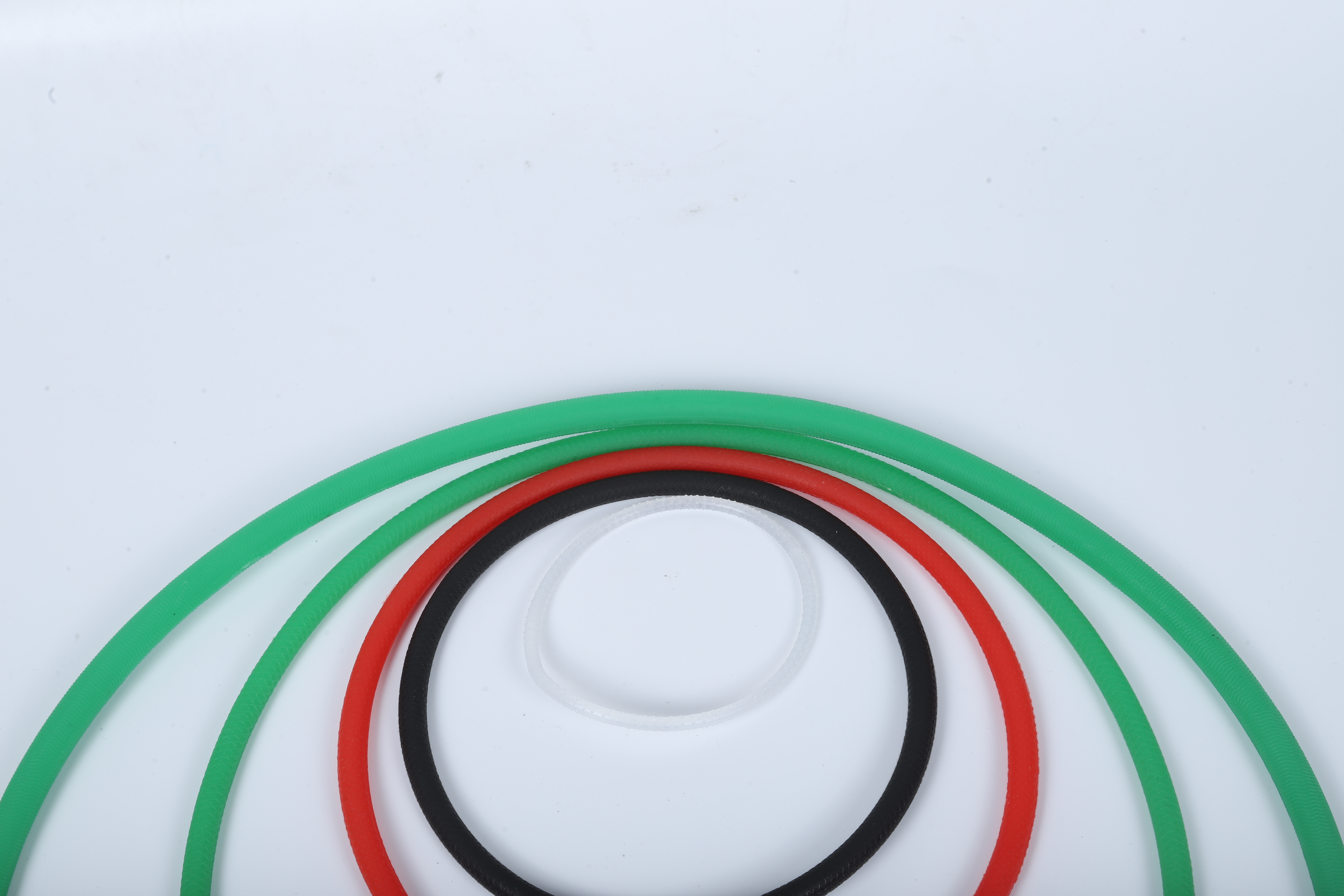
High-elasticity round belts have revolutionized modern power transmission systems across numerous industrial applications. These innovative components offer superior flexibility, durability, and performance characteristics that make them indispensable in manufacturing, packaging, food processing, and automation equipment. Understanding the comprehensive advantages of high-elasticity round belts enables engineers and facility managers to make informed decisions when selecting optimal power transmission solutions for their specific operational requirements.
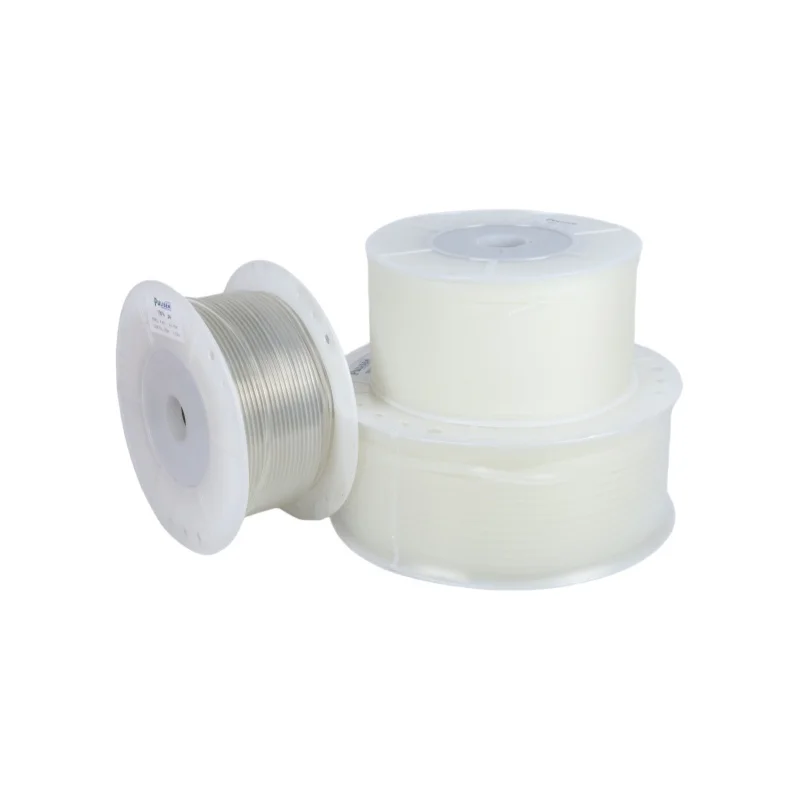
Superior Flexibility and Adaptability in Complex Systems
Enhanced Bending Capabilities
The exceptional flexibility of high-elasticity round belts allows them to navigate complex routing paths and tight bend radii that would challenge traditional flat or V-belts. This characteristic proves invaluable in compact machinery designs where space constraints demand innovative power transmission solutions. Modern manufacturing equipment increasingly requires serpentine belt routing to accommodate multiple driven components within confined spaces, and high-elasticity round belts excel in these challenging configurations.
The material composition of these specialized belts incorporates advanced polyurethane compounds that maintain structural integrity while providing remarkable elasticity. This combination enables the belts to stretch and compress without compromising their power transmission capabilities, making them ideal for applications involving variable loads and dynamic operating conditions. The inherent elasticity also contributes to reduced stress concentrations at connection points and pulleys.
Multi-Directional Power Transmission
Unlike conventional belt systems that primarily operate in single planes, high-elasticity round belts facilitate multi-directional power transmission with remarkable efficiency. This capability enables engineers to design more versatile mechanical systems that can transmit power through multiple axes and orientations simultaneously. Such flexibility proves particularly valuable in automated assembly lines where components must move in various directions to complete complex manufacturing processes.
The round cross-sectional geometry of these belts eliminates the directional restrictions commonly associated with flat or toothed belt systems. This design freedom allows for creative mechanical solutions that optimize space utilization while maintaining reliable power transmission performance across diverse operational scenarios.
Exceptional Durability and Longevity
Resistance to Wear and Environmental Factors
High-elasticity round belts demonstrate outstanding resistance to abrasive wear, chemical exposure, and temperature extremes that frequently challenge other belt technologies. The advanced polymer materials used in their construction provide excellent resistance to oils, solvents, and cleaning agents commonly encountered in industrial environments. This chemical resistance extends operational life significantly while reducing maintenance requirements and replacement costs.
Temperature stability represents another crucial advantage of high-elasticity round belts, with many formulations capable of operating effectively across temperature ranges from -40°C to +80°C. This thermal resilience enables their use in diverse applications ranging from cold storage facilities to high-temperature manufacturing processes without degradation in performance characteristics.
Fatigue Resistance and Load Capacity
The exceptional fatigue resistance of high-elasticity round belts stems from their homogeneous material structure and optimized cross-sectional geometry. Unlike composite belts with multiple layers that can separate under stress, these round belts maintain uniform stress distribution throughout their cross-section, significantly reducing the likelihood of premature failure due to cyclic loading.
High-elasticity round belts can accommodate substantial loads while maintaining their elastic properties, making them suitable for applications requiring both power transmission and shock absorption. This dual functionality proves particularly valuable in machinery subject to variable loads or impact forces, where traditional rigid coupling systems might fail or require complex damping mechanisms.
Enhanced Performance Characteristics
Precise Speed Control and Synchronization
The consistent diameter and surface finish of high-elasticity round belts contribute to precise speed control and synchronization in multi-drive systems. Unlike flat belts that may experience speed variations due to thickness tolerances or surface irregularities, round belts provide consistent circumferential velocity that translates to predictable driven component speeds.
This precision becomes critical in applications requiring exact speed ratios between multiple driven components, such as conveyor systems, packaging machinery, and textile equipment. The elastic properties of these belts also provide inherent slip compensation, helping maintain synchronization even under varying load conditions while preventing damage to connected components during overload situations.
Low Noise and Vibration Characteristics
High-elasticity round belts operate with significantly reduced noise levels compared to chain drives or gear systems, making them ideal for applications where noise reduction is important. The elastic material properties naturally dampen vibrations and mechanical noise, contributing to quieter operation and improved working environments.
The smooth engagement with pulleys eliminates the impact forces associated with toothed belts or chain drives, further reducing noise generation and extending the service life of both belts and pulley systems. This characteristic proves particularly valuable in customer-facing applications or facilities with strict noise regulations.
Cost-Effective Installation and Maintenance
Simplified Installation Procedures
The installation process for high-elasticity round belts is significantly simpler than many alternative power transmission systems. The elastic nature of these belts allows for easy stretching over pulleys without requiring special tools or complex tensioning mechanisms. This simplicity reduces installation time and eliminates the need for specialized equipment or extensive technical training.
Many high-elasticity round belts can be joined using simple welding techniques or mechanical connectors, enabling custom length fabrication on-site. This capability reduces inventory requirements and allows for rapid replacement or system modifications without waiting for specially manufactured components.
Minimal Maintenance Requirements
Once installed, high-elasticity round belts require minimal ongoing maintenance compared to chain drives or complex belt systems. The absence of lubrication requirements eliminates regular maintenance intervals and reduces the risk of contamination in sensitive applications such as food processing or pharmaceutical manufacturing.
The self-tensioning characteristics of elastic belts help maintain proper tension automatically as they stretch slightly during operation. This feature eliminates the need for complex tensioning systems and reduces the frequency of tension adjustments typically required with rigid belt systems.
Versatility Across Diverse Applications
Food and Pharmaceutical Industries
High-elasticity round belts manufactured from food-grade materials meet stringent hygiene requirements while providing reliable power transmission in food processing and pharmaceutical applications. The smooth, non-porous surfaces resist bacterial growth and facilitate easy cleaning and sterilization procedures required in these industries.
The chemical resistance of these specialized belts enables them to withstand aggressive cleaning agents and sanitizing solutions without degradation. This compatibility with harsh cleaning protocols ensures compliance with food safety regulations while maintaining operational reliability in critical production environments.
Automation and Robotics
In automation and robotics applications, high-elasticity round belts provide the precise control and reliability required for accurate positioning and movement systems. Their ability to absorb shock loads protects sensitive mechanical components from damage during rapid acceleration or emergency stops, extending the service life of expensive automation equipment.
The compact installation profile of round belt systems enables more efficient use of space within robotic assemblies, allowing for more sophisticated mechanical designs within existing size constraints. This space efficiency becomes increasingly important as automation systems become more complex and feature-rich.
Environmental and Safety Benefits
Reduced Environmental Impact
High-elasticity round belts contribute to environmental sustainability through their extended service life and reduced maintenance requirements. The longevity of these belts reduces replacement frequency, minimizing waste generation and associated environmental impacts from manufacturing and disposal processes.
Many high-elasticity round belts are manufactured using recyclable materials, supporting circular economy principles and enabling responsible end-of-life disposal. The absence of lubrication requirements also eliminates potential soil and water contamination risks associated with traditional chain or gear drive systems.
Enhanced Workplace Safety
The smooth operation and enclosed design possibilities of high-elasticity round belt systems contribute to improved workplace safety by reducing pinch points and moving part exposure. The elastic properties of these belts provide inherent overload protection, helping prevent equipment damage and potential injury during unexpected load conditions.
The reduced maintenance requirements of round belt systems minimize worker exposure to moving machinery during service operations, further enhancing workplace safety. The quiet operation also improves communication and awareness in industrial environments, contributing to overall safety performance.
FAQ
What are the typical lifespan expectations for high-elasticity round belts in industrial applications
High-elasticity round belts typically provide service lives ranging from 2 to 5 years in standard industrial applications, depending on operating conditions, load factors, and environmental exposures. Proper installation, adequate pulley design, and appropriate belt selection for specific applications can significantly extend service life. Regular inspection and monitoring of belt condition help optimize replacement timing and prevent unexpected failures.
How do I determine the correct belt size and elasticity for my specific application
Selecting appropriate high-elasticity round belts requires consideration of operating loads, speed requirements, environmental conditions, and pulley configurations. Manufacturers typically provide selection guides and engineering support to ensure optimal belt specification for specific applications. Factors such as stretch percentage, operating temperature range, and chemical compatibility must be evaluated to achieve optimal performance and longevity.
Can high-elasticity round belts be used in food processing applications safely
Many high-elasticity round belts are specifically formulated using food-grade materials that comply with FDA regulations and international food safety standards. These specialized belts feature non-toxic formulations, smooth surfaces that resist bacterial growth, and compatibility with standard cleaning and sanitizing procedures. Proper belt selection and installation according to food safety guidelines ensures safe operation in food processing environments.
What maintenance practices help maximize the performance and lifespan of high-elasticity round belts
Effective maintenance of high-elasticity round belts involves regular visual inspections for wear, cuts, or surface damage, monitoring of belt tension and alignment, and keeping pulley surfaces clean and properly aligned. Avoiding overloading, maintaining appropriate operating temperatures, and protecting belts from sharp objects or aggressive chemicals help maximize service life. Documentation of installation dates and operating conditions supports predictive maintenance scheduling.
Table of Contents
- Superior Flexibility and Adaptability in Complex Systems
- Exceptional Durability and Longevity
- Enhanced Performance Characteristics
- Cost-Effective Installation and Maintenance
- Versatility Across Diverse Applications
- Environmental and Safety Benefits
-
FAQ
- What are the typical lifespan expectations for high-elasticity round belts in industrial applications
- How do I determine the correct belt size and elasticity for my specific application
- Can high-elasticity round belts be used in food processing applications safely
- What maintenance practices help maximize the performance and lifespan of high-elasticity round belts