EN
EN

Industrial material handling operations demand reliable, durable components that can withstand constant use and heavy loads. Among the most critical components in conveyor systems, trolleys, and material handling equipment are the wheels that bear the weight and facilitate smooth movement. Selecting the right heavy-duty rubber wheel for your specific application requires careful consideration of multiple factors including load capacity, operating environment, and performance requirements. Understanding these key selection criteria ensures optimal equipment performance and reduces maintenance costs over the equipment's operational lifespan.
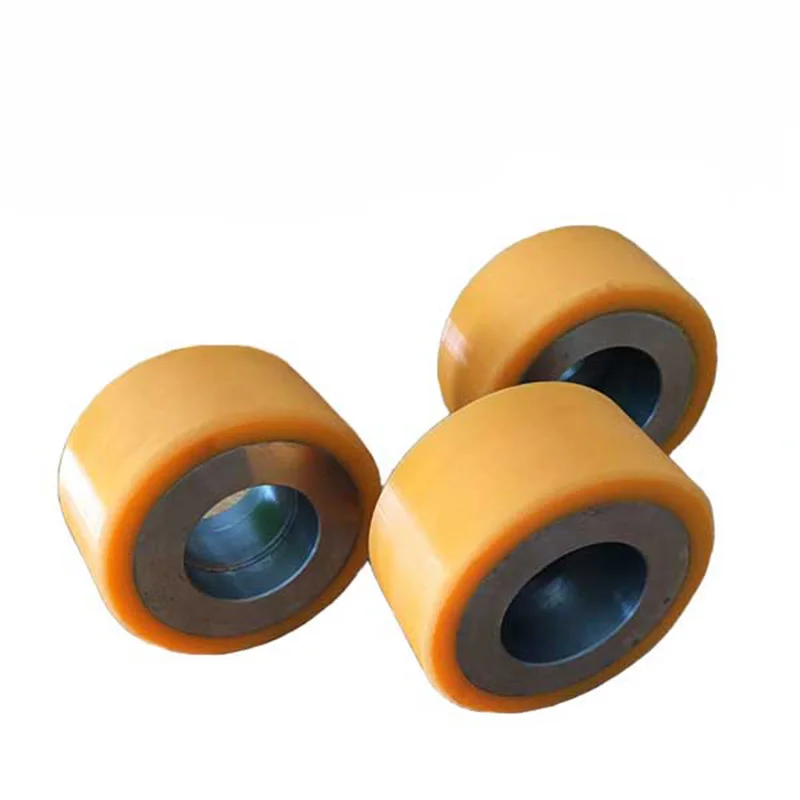
The industrial landscape continues to evolve with increasing demands for efficiency and reliability in material handling systems. Modern facilities require wheels that can operate continuously under challenging conditions while maintaining precision and safety standards. A well-chosen heavy-duty rubber wheel can significantly impact operational efficiency, equipment longevity, and workplace safety. The selection process involves evaluating technical specifications against operational requirements to ensure compatibility and optimal performance in demanding industrial environments.
Understanding Load Capacity Requirements
Static and Dynamic Load Considerations
Load capacity represents the fundamental specification when selecting any heavy-duty rubber wheel for industrial applications. Static load refers to the maximum weight the wheel can support when stationary, while dynamic load indicates the maximum weight during movement. Understanding the difference between these two measurements is crucial because dynamic loads typically reduce the effective capacity due to impact forces and vibration. Engineers must calculate both maximum expected loads and safety margins to ensure reliable operation under peak conditions.
Industrial environments often subject wheels to varying load conditions throughout operational cycles. A heavy-duty rubber wheel must accommodate not only the standard payload but also account for sudden load increases, impact loading, and uneven weight distribution. Proper load analysis includes considering the total system weight, maximum cargo capacity, and any additional forces generated during acceleration, deceleration, or directional changes. This comprehensive approach prevents premature failure and ensures consistent performance across all operating conditions.
Safety Factor Calculations
Professional engineers recommend applying appropriate safety factors when specifying load capacities for industrial wheels. A safety factor of 1.5 to 2.0 is commonly applied to account for unexpected load variations and provide operational margin. This means selecting a heavy-duty rubber wheel rated for 150% to 200% of the maximum expected load. The safety factor also compensates for potential load concentration points, equipment wear over time, and operational variables that might increase stress on individual wheels within a multi-wheel system.
Calculating proper safety factors requires understanding the specific application dynamics and potential failure consequences. High-stakes applications such as automated conveyor systems or critical material transport may warrant higher safety factors. Additionally, wheels operating in continuous duty cycles or environments with limited maintenance access benefit from more conservative load ratings. Proper safety factor application ensures reliable operation while preventing costly downtime and potential safety hazards associated with wheel failure.
Material Composition and Performance Characteristics
Rubber Compound Selection
The rubber compound used in heavy-duty rubber wheel construction directly affects performance characteristics including load capacity, wear resistance, and environmental compatibility. Natural rubber compounds offer excellent flexibility and shock absorption but may have limitations in extreme temperature or chemical exposure applications. Synthetic rubber compounds can be formulated for specific performance requirements such as oil resistance, temperature stability, or enhanced durability. The optimal compound selection depends on the specific operating environment and performance priorities.
Advanced rubber formulations incorporate reinforcing materials and specialized additives to enhance performance characteristics. Carbon black reinforcement improves wear resistance and load capacity, while other additives can enhance chemical resistance or reduce rolling resistance. Understanding these material properties helps engineers select wheels that will maintain performance standards throughout their service life. Modern heavy-duty rubber wheel designs often feature multi-compound construction, combining different rubber types to optimize specific performance aspects.
Core Material and Construction
The core material provides structural support and determines the overall strength characteristics of a heavy-duty rubber wheel. Steel cores offer maximum strength and durability for the most demanding applications, while cast iron cores provide good strength with improved shock absorption. Aluminum cores reduce overall weight while maintaining adequate strength for moderate load applications. The core design must complement the rubber compound to create a balanced wheel that performs reliably under operational stresses.
Advanced core designs incorporate features such as precision bearings, sealed bearing housings, and optimized weight distribution. These engineering improvements enhance performance while extending service life and reducing maintenance requirements. The interface between the rubber compound and core material is critical for preventing separation or failure under load. Quality manufacturing processes ensure proper bonding and dimensional accuracy for consistent performance across all wheels in an application.
Environmental and Operational Considerations
Temperature Range Performance
Operating temperature significantly affects rubber compound performance and wheel longevity. Extreme temperatures can alter rubber properties, affecting load capacity, wear characteristics, and dimensional stability. High temperatures may cause rubber softening, increased wear rates, and potential compound degradation. Low temperatures can increase rubber hardness, reduce shock absorption, and potentially cause cracking or brittleness. Selecting a heavy-duty rubber wheel with appropriate temperature ratings ensures consistent performance across expected operating conditions.
Temperature considerations extend beyond ambient conditions to include heat generated by friction, nearby equipment, or process-related thermal exposure. Continuous operation can generate significant heat buildup, particularly in high-load or high-speed applications. Proper wheel selection includes evaluating both steady-state and peak temperature conditions. Some applications may require special heat-resistant compounds or cooling provisions to maintain optimal performance and prevent premature failure.
Chemical Resistance Requirements
Industrial environments often expose wheels to various chemicals including cleaning agents, lubricants, solvents, and process fluids. Chemical exposure can degrade rubber compounds, causing swelling, cracking, or complete failure. Understanding the specific chemicals present in the operating environment is essential for selecting appropriate rubber compounds. Different rubber types offer varying levels of resistance to specific chemicals, and this compatibility must be verified before implementation.
Chemical resistance requirements may also include considerations for accidental exposure or cleaning procedures. Even wheels not directly exposed to process chemicals may encounter cleaning solvents or maintenance fluids. A comprehensive evaluation includes both routine and potential chemical exposures. Modern heavy-duty rubber wheel compounds can be formulated for specific chemical resistance requirements, ensuring long-term performance in challenging industrial environments.
Performance Optimization and Selection Criteria
Rolling Resistance and Efficiency
Rolling resistance directly impacts energy consumption and operational efficiency in material handling systems. Lower rolling resistance reduces the power required to move loads, resulting in energy savings and reduced wear on drive systems. However, extremely low rolling resistance may compromise other performance characteristics such as load capacity or durability. The optimal balance depends on the specific application priorities and operational requirements.
Factors affecting rolling resistance include rubber compound hardness, wheel diameter, load distribution, and surface contact characteristics. Larger diameter wheels typically exhibit lower rolling resistance for a given load, while harder compounds generally roll more efficiently but may sacrifice shock absorption. Understanding these trade-offs helps engineers select wheels that optimize overall system performance. Advanced heavy-duty rubber wheel designs incorporate features specifically engineered to minimize rolling resistance while maintaining other critical performance characteristics.
Noise and Vibration Control
Noise and vibration control has become increasingly important in modern industrial facilities. Excessive noise can create workplace safety issues and may violate regulatory requirements. Vibration can cause equipment wear, affect precision operations, and create maintenance challenges. The design and material selection of heavy-duty rubber wheel systems significantly impacts noise and vibration levels during operation.
Rubber compounds naturally provide vibration damping compared to hard wheel materials, but specific formulations can optimize this characteristic. Wheel geometry, bearing quality, and mounting systems also contribute to overall noise and vibration performance. Modern facilities often require wheels that meet specific noise level requirements, particularly in areas with worker presence or sensitive operations. Selecting wheels designed for quiet operation can improve workplace conditions while maintaining required performance standards.
Installation and Maintenance Best Practices
Proper Installation Procedures
Correct installation procedures are essential for achieving optimal performance and service life from heavy-duty rubber wheel systems. Installation must ensure proper alignment, appropriate mounting torque, and adequate clearances for operation and maintenance. Misalignment can cause uneven wear, increased rolling resistance, and premature failure. Following manufacturer specifications and using proper installation tools and techniques prevents many common operational problems.
Installation considerations include verifying bearing lubrication, checking dimensional compatibility, and ensuring proper load distribution across multiple wheels. Heavy-duty applications often require precise installation tolerances to achieve optimal performance. Professional installation teams should be familiar with the specific requirements of heavy-duty rubber wheel systems and have access to appropriate tools and equipment. Proper installation documentation provides valuable reference information for future maintenance activities.
Preventive Maintenance Programs
Implementing a comprehensive preventive maintenance program maximizes the service life and reliability of heavy-duty rubber wheel installations. Regular inspection schedules should include checking for wear patterns, bearing condition, alignment, and any signs of damage or degradation. Early detection of potential problems allows for planned maintenance rather than costly emergency repairs. Maintenance programs should be tailored to the specific operating conditions and usage patterns of each installation.
Effective maintenance programs include detailed record keeping to track performance trends and identify potential improvement opportunities. Monitoring wheel performance over time provides valuable data for optimizing replacement schedules and evaluating different wheel options. Regular maintenance activities such as bearing lubrication, cleaning, and alignment verification help ensure consistent performance and extend service life. Training maintenance personnel on proper procedures and safety requirements is essential for program success.
FAQ
What load capacity should I select for my heavy-duty rubber wheel application
Select a heavy-duty rubber wheel with a load capacity 1.5 to 2.0 times your maximum expected load to provide adequate safety margin. This safety factor accounts for dynamic loading, load variations, and unexpected conditions. Calculate both static and dynamic loads, considering acceleration forces and impact loading. For continuous duty applications or critical systems, consider higher safety factors to ensure reliable operation and prevent premature failure.
How do temperature extremes affect heavy-duty rubber wheel performance
Temperature extremes significantly impact rubber compound properties and wheel performance. High temperatures can soften rubber compounds, increasing wear rates and reducing load capacity. Low temperatures may cause rubber hardening, reduced flexibility, and potential cracking. Select wheels with temperature ratings that exceed your operating range, and consider heat buildup from friction in high-load or continuous operation applications. Special temperature-resistant compounds are available for extreme conditions.
What maintenance is required for heavy-duty rubber wheels in industrial applications
Regular maintenance includes visual inspection for wear patterns, cracks, or damage, bearing lubrication according to manufacturer schedules, and alignment verification. Check for proper load distribution across multiple wheels and monitor rolling resistance changes that might indicate wear or bearing problems. Clean wheels regularly to remove debris that could cause uneven wear. Maintain detailed records to track performance trends and optimize replacement schedules for your specific application.
How do I determine the appropriate rubber compound for my operating environment
Evaluate your operating environment for temperature ranges, chemical exposures, load requirements, and performance priorities such as wear resistance or noise control. Consider both routine and potential exposures including cleaning chemicals and maintenance fluids. Consult with wheel manufacturers to identify compounds optimized for your specific conditions. Test samples may be available for evaluation in critical applications. Balance chemical resistance requirements with other performance characteristics like load capacity and rolling resistance.
Table of Contents
- Understanding Load Capacity Requirements
- Material Composition and Performance Characteristics
- Environmental and Operational Considerations
- Performance Optimization and Selection Criteria
- Installation and Maintenance Best Practices
-
FAQ
- What load capacity should I select for my heavy-duty rubber wheel application
- How do temperature extremes affect heavy-duty rubber wheel performance
- What maintenance is required for heavy-duty rubber wheels in industrial applications
- How do I determine the appropriate rubber compound for my operating environment