EN
EN

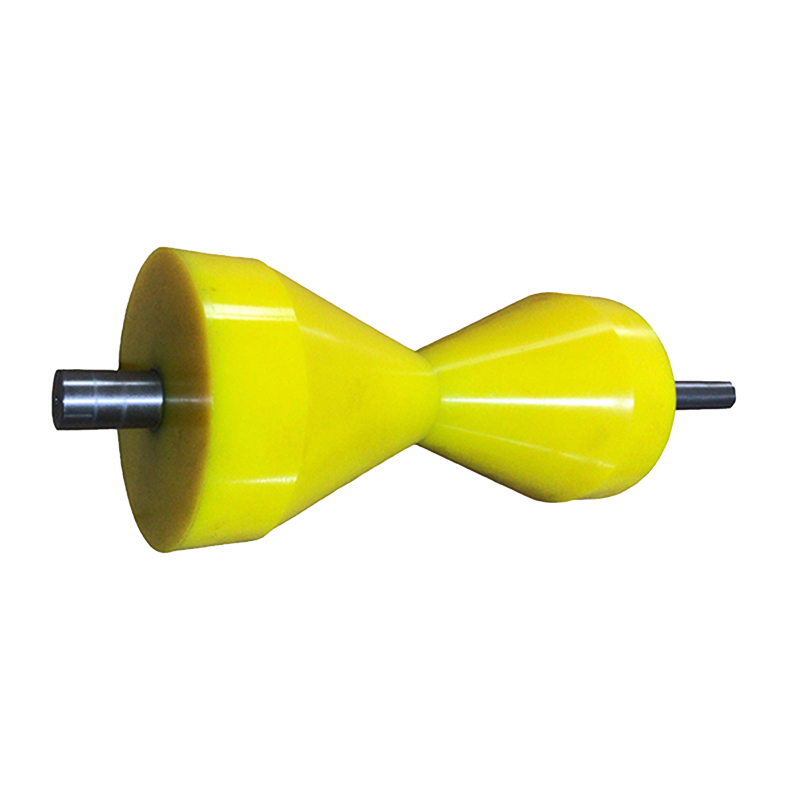
Automated Guided Vehicles (AGVs) have revolutionized industrial operations, transforming warehouses, manufacturing facilities, and distribution centers worldwide. As businesses demand higher efficiency and precision in material handling, the importance of advanced mobility solutions becomes increasingly evident. A mecanum wheel represents one of the most significant innovations in AGV technology, offering unprecedented maneuverability that traditional wheel systems simply cannot match. These specialized wheels enable omnidirectional movement, allowing AGVs to navigate complex environments with remarkable precision and flexibility.
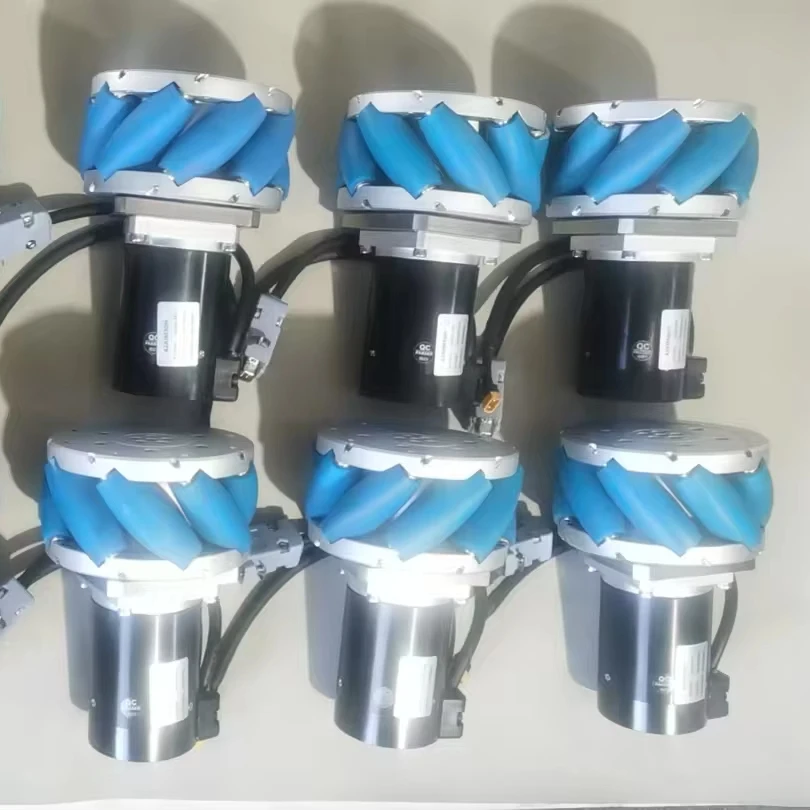
The integration of mecanum wheel technology into AGV systems addresses critical operational challenges that have long plagued automated material handling. Traditional wheel configurations often require complex maneuvering sequences to change direction or navigate tight spaces, resulting in reduced operational efficiency and increased wear on mechanical components. Industries ranging from automotive manufacturing to e-commerce fulfillment have recognized the transformative potential of mecanum wheel systems in optimizing their automated workflows.
Understanding the technical advantages and practical applications of mecanum wheel technology becomes essential for organizations seeking to maximize their AGV investments. The unique design characteristics of these wheels enable movements that were previously impossible with conventional wheeled systems, opening new possibilities for facility layout optimization and operational efficiency improvements. As automation continues to evolve, the mecanum wheel stands as a cornerstone technology enabling the next generation of intelligent material handling solutions.
Advanced Mobility Mechanisms of Mecanum Wheel Systems
Omnidirectional Movement Capabilities
The revolutionary design of a mecanum wheel enables true omnidirectional movement through its innovative roller configuration. Unlike traditional wheels that can only move forward and backward, mecanum wheels incorporate angled rollers positioned at 45-degree angles around the wheel's circumference. This unique arrangement allows the wheel to generate force vectors in multiple directions simultaneously, enabling lateral movement, diagonal travel, and in-place rotation without requiring the AGV to change its orientation.
Each roller within the mecanum wheel system operates independently, creating a complex interaction of forces that translates into seamless multidirectional movement. When all four mecanum wheels on an AGV work in coordination, they can produce eight distinct movement patterns: forward, backward, left, right, diagonal movements in all four directions, clockwise rotation, and counterclockwise rotation. This versatility eliminates the need for complex steering mechanisms and reduces the number of mechanical components required for navigation.
The precision achievable with mecanum wheel systems surpasses conventional wheeled configurations by significant margins. AGVs equipped with these wheels can perform intricate maneuvers in confined spaces, navigate around obstacles with minimal clearance, and position themselves with millimeter-level accuracy. This precision becomes particularly valuable in applications requiring exact positioning, such as automated assembly lines or high-density storage systems where space optimization is critical.
Enhanced Control Systems Integration
Modern mecanum wheel implementations integrate seamlessly with advanced control systems, enabling sophisticated motion planning and real-time adjustment capabilities. The independent control of each wheel allows for dynamic load balancing and adaptive response to varying floor conditions or payload distributions. Advanced sensor integration provides continuous feedback on wheel performance, enabling predictive maintenance and optimal power distribution across the drive system.
The control algorithms governing mecanum wheel operation utilize complex mathematical models to translate desired movement commands into precise motor control signals. These systems account for factors such as wheel slip, load distribution, and surface friction to maintain consistent performance across diverse operating conditions. Real-time processing capabilities ensure immediate response to navigation commands while maintaining system stability and preventing unwanted oscillations or drift.
Integration with existing AGV management systems becomes streamlined through standardized communication protocols and modular design approaches. The mecanum wheel systems can interface with various navigation technologies, including laser guidance, magnetic tape following, and vision-based systems, providing flexibility in implementation across different operational environments and existing infrastructure configurations.
Operational Efficiency Improvements in Industrial Applications
Warehouse Automation Enhancement
Warehouse operations experience dramatic efficiency improvements when AGVs incorporate mecanum wheel technology for material handling tasks. The ability to move laterally and diagonally eliminates the need for wide turning radii, allowing for more compact aisle configurations and increased storage density. This enhanced maneuverability translates directly into reduced travel times between picking locations and improved throughput rates in high-volume distribution centers.
Pick-and-place operations benefit significantly from the precise positioning capabilities offered by mecanum wheel systems. AGVs can approach storage locations from optimal angles, reducing the time required for load alignment and transfer operations. The elimination of complex maneuvering sequences reduces wear on mechanical components and decreases energy consumption, resulting in lower operational costs and extended equipment lifespan.
Inventory management systems integrate more effectively with AGVs utilizing mecanum wheel technology due to their predictable and precise movement patterns. Real-time location tracking becomes more accurate, enabling better coordination between multiple vehicles and reducing the risk of collisions or traffic congestion in busy warehouse environments. The improved reliability of navigation systems contributes to higher overall system availability and reduced downtime.
Manufacturing Floor Integration
Manufacturing environments present unique challenges that mecanum wheel technology addresses effectively through its superior maneuverability and precision control. Assembly line integration becomes seamless when AGVs can position themselves precisely alongside production stations without disrupting workflow or requiring extensive floor space modifications. The ability to move laterally allows AGVs to service multiple production lines efficiently while maintaining optimal positioning for material delivery and removal operations.
Just-in-time manufacturing processes benefit from the enhanced responsiveness of mecanum wheel equipped AGVs, which can quickly adapt to changing production schedules and material requirements. The precise positioning capabilities enable accurate delivery of components to specific workstations, reducing manual handling and improving overall production quality. Integration with manufacturing execution systems becomes more sophisticated, allowing for dynamic routing and priority-based task allocation.
Quality control processes improve when AGVs with mecanum wheel systems can position inspection equipment or transport products with minimal vibration and precise alignment. The smooth, controlled movement characteristics reduce the risk of product damage during transport and enable more accurate positioning for automated inspection systems. This enhanced precision contributes to improved product quality and reduced waste in manufacturing operations.
Technical Specifications and Performance Characteristics
Load Capacity and Durability Factors
The engineering behind mecanum wheel systems incorporates robust materials and precise manufacturing tolerances to ensure reliable performance under demanding industrial conditions. Polyurethane construction materials provide optimal balance between durability and floor protection, while maintaining the precise roller alignment necessary for accurate omnidirectional movement. Load capacity specifications vary according to wheel diameter and construction materials, with larger mecanum wheel configurations supporting payloads exceeding several thousand kilograms.
Bearing systems within mecanum wheel assemblies utilize high-grade materials and precision manufacturing to ensure extended operational life under continuous use conditions. The independent roller design distributes load forces evenly across multiple contact points, reducing stress concentrations and extending component lifespan. Regular maintenance requirements remain minimal due to the robust construction and sealed bearing systems that protect against contamination from industrial environments.
Performance characteristics of mecanum wheel systems demonstrate consistent operation across varying load conditions and surface types. The wheel geometry compensates for load-induced deformation, maintaining accurate movement characteristics even when operating near maximum capacity. Temperature stability ensures reliable performance across industrial temperature ranges, while chemical resistance properties enable operation in diverse manufacturing environments without degradation of wheel materials.
Power Requirements and Energy Efficiency
Energy consumption characteristics of mecanum wheel systems compare favorably to traditional wheel configurations due to their efficient power transmission and reduced mechanical complexity. The direct drive approach eliminates energy losses associated with complex steering mechanisms and differential systems, resulting in improved overall system efficiency. Motor sizing requirements depend on application-specific factors including payload capacity, acceleration requirements, and operational duty cycles.
Regenerative braking capabilities integrate effectively with mecanum wheel drive systems, recovering energy during deceleration phases and extending battery life in battery-powered AGV applications. The independent motor control for each mecanum wheel enables sophisticated energy management strategies, optimizing power distribution based on real-time operational requirements and load conditions. This intelligent power management contributes to reduced operational costs and improved sustainability metrics.
Battery life considerations benefit from the efficient operation characteristics of mecanum wheel systems, which minimize unnecessary movements and reduce overall energy consumption. The precise positioning capabilities eliminate overshoot and correction movements that waste energy in traditional wheel systems. Integration with energy management systems enables predictive battery life monitoring and optimized charging schedules based on operational patterns and energy consumption data.
Implementation Strategies and System Integration
Retrofit Considerations for Existing AGV Fleets
Organizations with existing AGV investments can often incorporate mecanum wheel technology through carefully planned retrofit programs that preserve existing control systems and infrastructure. Compatibility assessments evaluate mechanical mounting requirements, electrical interface specifications, and control system integration needs to determine optimal retrofit approaches. Modular design principles enable phased implementation strategies that minimize operational disruption during transition periods.
Cost-benefit analysis for mecanum wheel retrofits considers factors including improved operational efficiency, reduced maintenance requirements, and enhanced system capabilities against initial investment requirements. The return on investment typically becomes evident within months of implementation due to improved productivity and reduced operational costs. Financing options and phased implementation strategies make mecanum wheel technology accessible to organizations with varying budget constraints and operational requirements.
Training requirements for maintenance personnel remain minimal due to the reliable design characteristics and reduced mechanical complexity of mecanum wheel systems. Existing technical staff can typically master maintenance procedures through brief training programs, and the reduced number of mechanical components simplifies troubleshooting and repair operations. Supplier support services provide ongoing technical assistance and replacement parts availability to ensure continuous system operation.
Custom Configuration Options
Manufacturing flexibility enables custom mecanum wheel configurations tailored to specific application requirements and operational environments. Wheel diameter selections range from compact units suitable for light-duty applications to large-diameter configurations capable of handling heavy industrial loads. Material options include various polyurethane formulations optimized for different floor surfaces, load requirements, and environmental conditions.
Specialized coating options enhance mecanum wheel performance in challenging environments, including anti-static formulations for electronics manufacturing, chemical-resistant materials for pharmaceutical applications, and high-temperature compounds for foundry operations. Color coding options facilitate visual identification and maintenance scheduling, while custom marking enables integration with automated inspection systems and inventory management protocols.
Engineering support services assist in selecting optimal mecanum wheel configurations based on specific application requirements, load calculations, and environmental factors. Prototype development programs enable validation of custom configurations before full-scale implementation, reducing implementation risks and ensuring optimal performance in demanding applications. Ongoing technical support ensures continued optimization and performance enhancement throughout the system lifecycle.
Economic Impact and Return on Investment Analysis
Productivity Enhancement Metrics
Quantitative analysis of mecanum wheel implementation demonstrates significant productivity improvements across diverse industrial applications. Cycle time reductions typically range from 15% to 35% compared to conventional wheel systems, depending on facility layout complexity and operational requirements. These improvements translate directly into increased throughput capacity without requiring additional AGV units or facility modifications, providing immediate operational benefits and cost savings.
Space utilization efficiency improves substantially when AGVs equipped with mecanum wheel technology can navigate tighter spaces and operate in more compact facility layouts. The reduced turning radius requirements enable higher storage density and more efficient workflow patterns, maximizing the productive use of available floor space. This enhanced space utilization often enables organizations to defer facility expansion projects or accommodate growth within existing facilities.
Labor cost reductions result from improved AGV reliability and reduced maintenance requirements associated with mecanum wheel systems. The elimination of complex steering mechanisms reduces component failure rates and extends maintenance intervals, decreasing both direct maintenance costs and operational downtime. Improved system reliability enables higher automation levels and reduces the need for manual intervention in material handling operations.
Long-term Cost Considerations
Total cost of ownership analysis for mecanum wheel systems reveals favorable economics over extended operational periods due to reduced maintenance requirements and improved energy efficiency. The robust construction materials and simplified mechanical design contribute to extended component life cycles, reducing replacement part costs and maintenance labor requirements. These factors combine to provide lower lifetime costs compared to more complex wheel and steering systems.
Energy cost savings accumulate over time due to the efficient power transmission characteristics of mecanum wheel drive systems. The elimination of mechanical complexity reduces parasitic losses and improves overall system efficiency, resulting in lower electricity consumption and extended battery life in portable applications. These savings become particularly significant in high-utilization environments where energy costs represent substantial operational expenses.
Scalability advantages enable organizations to expand their AGV fleets more cost-effectively when standardizing on mecanum wheel technology. Volume purchasing opportunities and standardized maintenance procedures reduce per-unit costs as fleet sizes increase. The flexibility offered by omnidirectional movement capabilities also enables more efficient utilization of existing AGV assets across multiple applications and operational areas.
FAQ
What maintenance requirements are associated with mecanum wheel systems
Mecanum wheel systems require minimal maintenance compared to traditional wheel configurations due to their simplified mechanical design and robust construction materials. Regular maintenance tasks include periodic inspection of roller alignment, bearing lubrication according to manufacturer specifications, and monitoring of wheel wear patterns. The sealed bearing systems protect against contamination, and the polyurethane construction materials resist wear and environmental degradation. Most maintenance procedures can be performed by existing technical staff with minimal additional training, and replacement parts are readily available through established supply chains.
How do mecanum wheels perform on different floor surfaces
Mecanum wheel performance remains consistent across various industrial floor surfaces including concrete, epoxy coatings, and specialized industrial flooring materials. The polyurethane roller construction provides optimal traction characteristics while protecting floor surfaces from damage. Different durometer formulations are available to optimize performance for specific surface types and load requirements. Anti-static formulations are available for electronics manufacturing environments, while specialized compounds provide enhanced performance on smooth or textured surfaces. Proper wheel selection based on surface characteristics ensures optimal performance and extended operational life.
Can mecanum wheels be integrated with existing AGV control systems
Integration with existing AGV control systems is typically straightforward due to standardized communication protocols and modular design approaches. Most modern control systems can accommodate the motor control requirements for mecanum wheel systems through software configuration changes rather than hardware replacements. The independent wheel control enables sophisticated motion planning algorithms while maintaining compatibility with existing navigation systems including laser guidance, magnetic tape following, and vision-based systems. Technical support from manufacturers assists in ensuring seamless integration and optimal performance configuration for specific applications.
What payload capacities are available with mecanum wheel systems
Mecanum wheel systems are available in configurations supporting payload capacities ranging from lightweight applications under 100 kilograms to heavy-duty industrial applications exceeding 5000 kilograms. Payload capacity depends on wheel diameter, construction materials, and bearing specifications, with larger wheels generally supporting higher loads. Custom configurations can be developed for specialized applications requiring extreme load capacities or unique operational requirements. Load distribution characteristics of mecanum wheel systems provide stable support for various payload types including palletized materials, industrial equipment, and specialized manufacturing components.