EN
EN
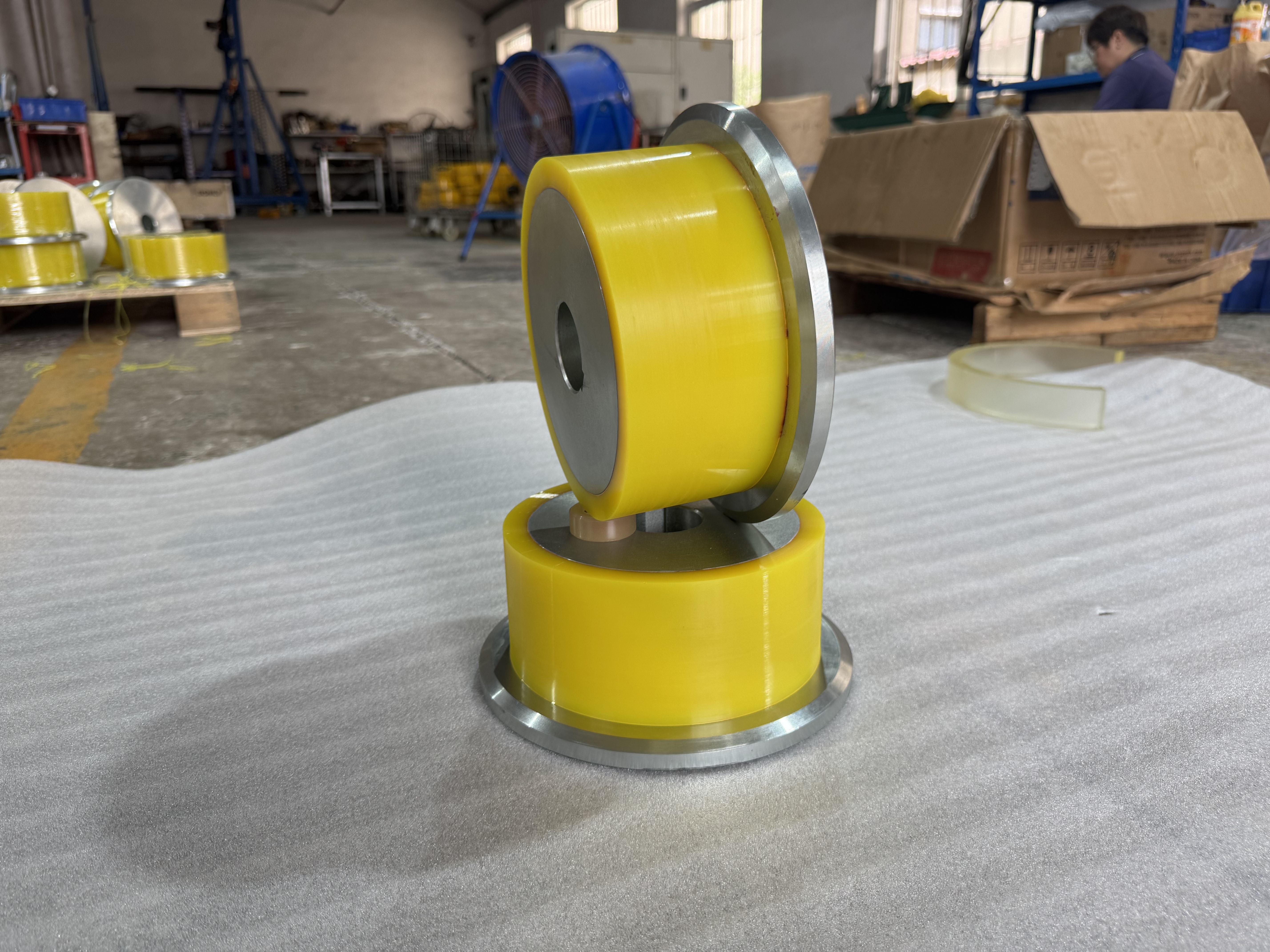
Industrial conveyor systems form the backbone of modern manufacturing and material handling operations, requiring consistent maintenance to ensure optimal performance and longevity. Among the critical maintenance components that often determine system efficiency, the polyurethane cleaner scraper stands out as an essential tool for maintaining belt cleanliness and preventing material buildup. These specialized cleaning devices play a pivotal role in protecting conveyor investments while minimizing operational downtime and maintenance costs across various industrial applications.
Understanding Polyurethane Cleaner Scraper Technology
Material Properties and Engineering Benefits
The polyurethane cleaner scraper represents a significant advancement in conveyor belt cleaning technology, utilizing the unique properties of polyurethane to deliver superior performance compared to traditional materials. Polyurethane offers exceptional wear resistance, flexibility, and chemical stability, making it ideally suited for demanding industrial environments where consistent cleaning performance is essential. The material's ability to maintain its shape while providing optimal contact pressure ensures effective removal of adhered materials without causing excessive wear to conveyor belts.
Engineering considerations for polyurethane cleaner scraper design focus on achieving the optimal balance between cleaning efficiency and belt protection. The material's inherent elasticity allows the scraper to conform to belt surfaces, maintaining consistent contact even as conveyor systems experience variations in tension and alignment. This adaptability is crucial for maintaining cleaning effectiveness across different operating conditions and belt types, ensuring reliable performance throughout extended service intervals.
Design Variations and Customization Options
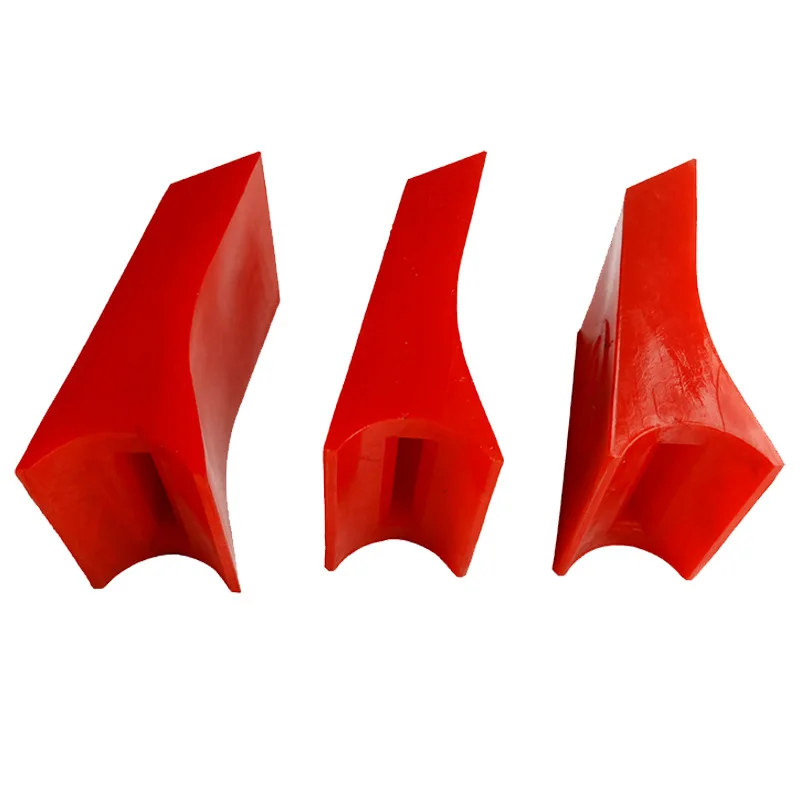
Modern polyurethane cleaner scraper systems offer extensive customization capabilities to meet specific application requirements and operating conditions. Manufacturers can adjust durometer ratings, blade profiles, and mounting configurations to optimize performance for particular conveyor systems and material types. These customization options enable facility managers to select scraper designs that provide maximum cleaning efficiency while minimizing maintenance requirements and operational disruptions.
Advanced scraper designs incorporate features such as protective covers, buffer blocks, and specialized mounting systems that enhance performance and extend service life. The integration of these components creates comprehensive cleaning solutions that address multiple aspects of conveyor maintenance, from initial material removal to long-term belt protection. Custom configurations can accommodate unique installation constraints and performance requirements, ensuring optimal integration with existing conveyor infrastructure.
Critical Role in Conveyor System Maintenance
Preventing Material Buildup and Carryback
The primary function of a polyurethane cleaner scraper involves removing adhered materials from conveyor belt surfaces, preventing the accumulation of debris that can lead to system inefficiencies and maintenance problems. Material carryback represents one of the most significant challenges in conveyor operation, causing spillage, equipment damage, and increased cleaning requirements throughout the facility. Effective scraper systems eliminate these issues by maintaining clean belt surfaces and ensuring proper material discharge at designated points.
Consistent use of high-quality polyurethane cleaner scraper systems significantly reduces the frequency of manual cleaning interventions and associated labor costs. By preventing material buildup on return belt surfaces, these systems minimize the risk of contamination in sensitive production environments and reduce the potential for product quality issues. The proactive approach to belt cleaning that scrapers provide helps maintain optimal conveyor performance while supporting overall facility cleanliness and safety standards.
Extending Conveyor Belt Service Life
Proper implementation of polyurethane cleaner scraper technology directly contributes to extended conveyor belt service life by reducing abrasive wear and preventing damage from accumulated materials. Adhered debris on belt surfaces can cause irregular wear patterns, tracking problems, and accelerated deterioration of belt components. Regular removal of these materials through effective scraping action helps maintain uniform belt conditions and prevents the development of costly maintenance issues.
The protective benefits provided by quality scraper systems extend beyond simple cleaning to include preservation of belt splice integrity and reduction of edge damage. Material buildup around belt edges and splice areas can create stress concentrations that lead to premature failure of these critical components. By maintaining clean belt surfaces, polyurethane cleaner scraper systems help ensure uniform load distribution and minimize the risk of catastrophic belt failures that can result in extended downtime and expensive repairs.
Performance Advantages in Industrial Applications
Chemical Resistance and Environmental Durability
Industrial environments often expose conveyor cleaning systems to aggressive chemicals, extreme temperatures, and harsh operating conditions that can quickly degrade inferior materials. The polyurethane cleaner scraper demonstrates exceptional resistance to chemical attack, maintaining its cleaning effectiveness even when exposed to oils, acids, and other potentially damaging substances commonly encountered in industrial applications. This chemical stability ensures consistent performance and reduces the frequency of scraper replacement requirements.
Temperature stability represents another critical advantage of polyurethane cleaner scraper technology, with properly formulated materials maintaining their performance characteristics across wide temperature ranges. This stability is particularly important in applications involving heated materials or extreme ambient conditions, where other scraper materials might become brittle or lose their cleaning effectiveness. The ability to maintain optimal performance across varying environmental conditions makes polyurethane scrapers suitable for diverse industrial applications.
Noise Reduction and Operational Benefits
The inherent damping properties of polyurethane materials contribute to significantly reduced noise levels compared to metal scraper alternatives, creating more comfortable working environments and supporting workplace safety initiatives. Reduced operational noise not only improves working conditions but also enables better monitoring of conveyor system operation through improved ability to detect unusual sounds that might indicate developing problems. This acoustic advantage makes polyurethane cleaner scraper systems particularly valuable in facilities where noise control is important.
Operational benefits extend to reduced vibration transmission and smoother belt operation, contributing to improved overall system performance and reduced wear on conveyor components. The elastic properties of polyurethane help absorb impact forces and smooth operational irregularities, creating more stable operating conditions that benefit the entire conveyor system. These performance improvements translate to reduced maintenance requirements and extended service intervals for multiple system components.
Installation and Maintenance Considerations
Proper Installation Techniques
Successful implementation of polyurethane cleaner scraper systems requires careful attention to installation procedures and alignment specifications to ensure optimal performance and service life. Proper positioning of the scraper blade relative to the belt surface is critical for achieving effective cleaning while avoiding excessive wear on both the scraper and belt materials. Installation teams must consider factors such as belt speed, material characteristics, and environmental conditions when establishing scraper positioning and tension settings.
Mounting system selection and installation quality directly impact the long-term performance of polyurethane cleaner scraper installations. Robust mounting hardware and proper alignment ensure that scrapers maintain their intended position and contact pressure throughout extended service periods. Regular verification of mounting system integrity helps prevent problems that could lead to reduced cleaning effectiveness or premature scraper wear, supporting reliable long-term operation.
Maintenance Requirements and Service Intervals
Maintenance requirements for polyurethane cleaner scraper systems are typically minimal compared to alternative cleaning technologies, but regular inspection and adjustment procedures remain important for maintaining optimal performance. Periodic evaluation of scraper blade condition, contact pressure, and alignment helps identify potential issues before they impact cleaning effectiveness or cause system damage. Establishing appropriate inspection intervals based on operating conditions and material characteristics ensures proactive maintenance that maximizes scraper service life.
Replacement procedures for worn polyurethane cleaner scraper components are generally straightforward, but proper timing of replacement activities is essential for maintaining continuous cleaning performance. Monitoring scraper wear patterns and establishing replacement criteria based on performance rather than arbitrary time intervals helps optimize maintenance scheduling and minimize operational disruptions. Quality replacement components and proper installation techniques ensure that new scrapers provide the same level of performance as original installations.
Cost-Effectiveness and Return on Investment
Operational Cost Reduction
The implementation of effective polyurethane cleaner scraper systems delivers significant operational cost reductions through multiple mechanisms, including reduced manual cleaning requirements, decreased spillage cleanup, and improved material handling efficiency. Labor savings achieved through automated belt cleaning represent one of the most immediate and measurable benefits, with properly functioning scrapers eliminating much of the routine cleaning work traditionally required to maintain conveyor systems. These labor savings compound over time, creating substantial cost advantages that justify scraper system investments.
Reduced material waste and improved product recovery contribute additional cost benefits by minimizing losses associated with carryback and spillage. When materials adhere to belt surfaces and are carried beyond intended discharge points, the resulting waste represents direct financial losses that accumulate significantly over time. Effective polyurethane cleaner scraper systems virtually eliminate these losses, ensuring that materials are properly discharged and recovered according to process requirements.
Long-Term Equipment Protection
Investment in quality polyurethane cleaner scraper systems provides long-term protection for expensive conveyor equipment, helping to preserve the value of capital investments and extend equipment service life. The cost of replacing conveyor belts, pulleys, and other system components far exceeds the investment required for effective cleaning systems, making scrapers one of the most cost-effective maintenance investments available. This protective value becomes particularly significant in applications involving abrasive materials or harsh operating conditions.
Reduced unplanned downtime represents another significant source of cost savings associated with proper polyurethane cleaner scraper implementation. Equipment failures caused by material buildup and inadequate cleaning can result in expensive emergency repairs and lost production time. Proactive cleaning through effective scraper systems helps prevent these costly failures, supporting reliable operation and predictable maintenance scheduling that minimizes operational disruptions.
FAQ
How often should polyurethane cleaner scraper blades be replaced
Replacement intervals for polyurethane cleaner scraper blades depend on several factors including material abrasiveness, belt speed, and operating hours. Typically, high-quality polyurethane scrapers can operate effectively for 3-12 months in most industrial applications. Regular inspection of blade condition and cleaning performance provides the best indication of replacement timing, with worn blades showing reduced cleaning effectiveness before complete failure occurs.
What belt speeds are compatible with polyurethane cleaner scraper systems
Polyurethane cleaner scraper systems can accommodate a wide range of belt speeds, typically from slow-moving conveyors at 50 feet per minute up to high-speed systems operating at 1000+ feet per minute. The specific scraper design and polyurethane formulation may need adjustment for extreme speeds, but properly engineered systems maintain effective cleaning performance across most industrial conveyor speed ranges.
Can polyurethane cleaner scrapers handle different types of conveyed materials
Yes, polyurethane cleaner scrapers are highly versatile and can effectively handle various materials including minerals, aggregates, food products, chemicals, and manufactured goods. The key is selecting the appropriate polyurethane formulation and scraper design for the specific material characteristics and operating conditions. Custom configurations can address unique requirements for sticky, abrasive, or chemically aggressive materials.
What maintenance procedures are required for optimal polyurethane cleaner scraper performance
Regular maintenance includes visual inspection of blade condition, verification of proper contact pressure and alignment, and checking mounting hardware integrity. Most systems require only periodic adjustment of tension settings and occasional cleaning of accumulated debris. Establishing inspection intervals based on operating conditions ensures optimal performance, with typical inspection frequencies ranging from weekly to monthly depending on application severity.
Table of Contents
- Understanding Polyurethane Cleaner Scraper Technology
- Critical Role in Conveyor System Maintenance
- Performance Advantages in Industrial Applications
- Installation and Maintenance Considerations
- Cost-Effectiveness and Return on Investment
-
FAQ
- How often should polyurethane cleaner scraper blades be replaced
- What belt speeds are compatible with polyurethane cleaner scraper systems
- Can polyurethane cleaner scrapers handle different types of conveyed materials
- What maintenance procedures are required for optimal polyurethane cleaner scraper performance