EN
EN


The efficiency and reliability of modern logistics operations depend heavily on the quality and durability of conveyor rollers used throughout material handling systems. These critical components serve as the backbone of countless warehouses, distribution centers, and manufacturing facilities worldwide, enabling the smooth transport of goods across various stages of the supply chain. When selecting conveyor rollers for logistics applications, decision-makers must consider multiple factors that directly impact operational performance, maintenance costs, and long-term return on investment.
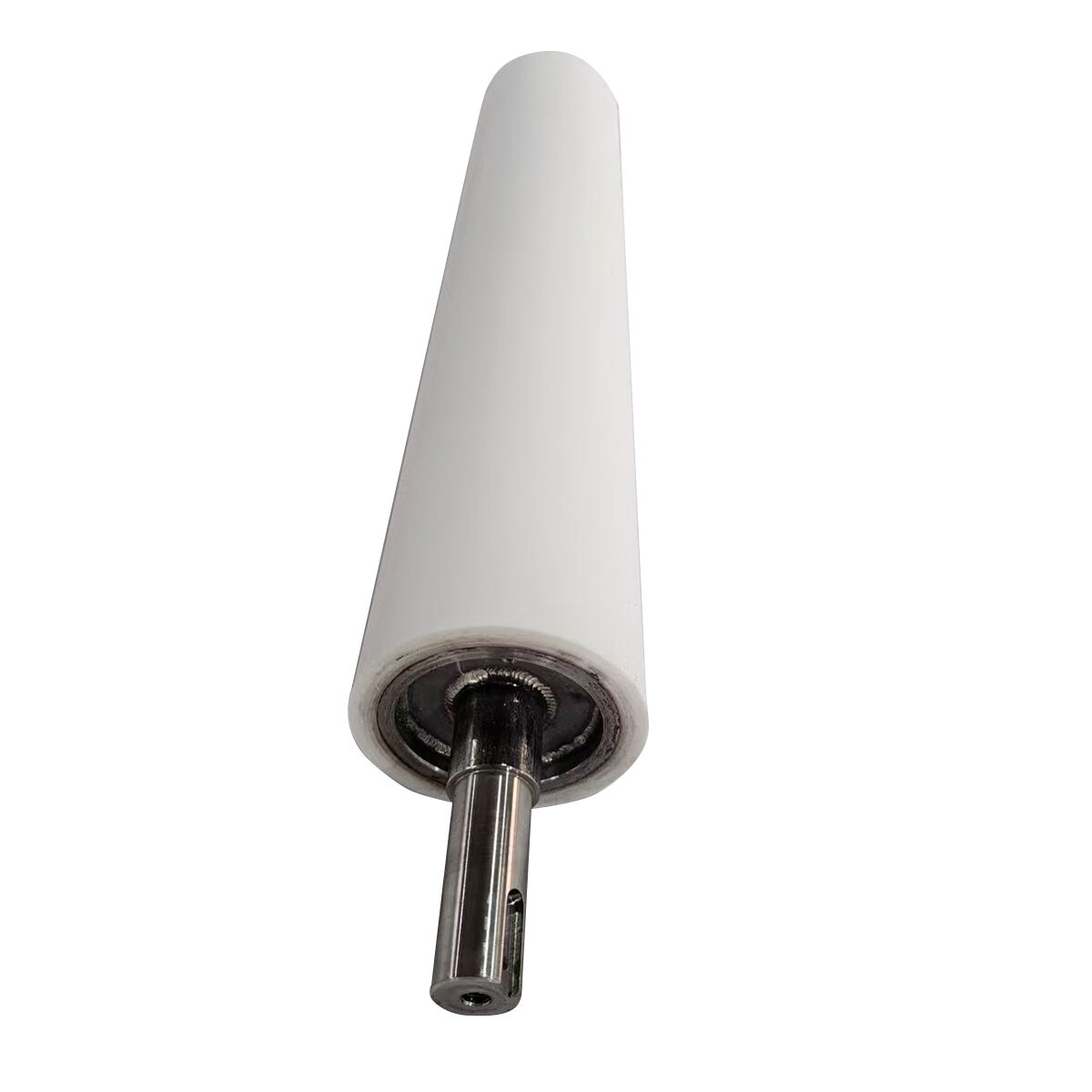
The logistics industry has evolved significantly in recent decades, with increasing demands for faster processing times, higher throughput capabilities, and improved reliability standards. Modern conveyor rollers must withstand rigorous operating conditions while maintaining consistent performance levels that support these demanding requirements. Understanding the key selection criteria for conveyor rollers ensures optimal system performance and minimizes unexpected downtime that can severely impact logistics operations.
Material Composition and Construction Quality
Core Materials and Manufacturing Standards
The foundation of any high-quality conveyor roller begins with its core materials and manufacturing processes. Steel cores remain the industry standard for most logistics applications due to their exceptional strength-to-weight ratio and ability to maintain structural integrity under heavy loads. Premium conveyor rollers typically feature precision-engineered steel tubes that undergo rigorous quality control testing to ensure dimensional accuracy and consistent wall thickness throughout the roller length.
Advanced manufacturing techniques such as seamless tube formation and precision welding create conveyor rollers with superior durability characteristics compared to lower-grade alternatives. The steel grade selection directly influences the roller's capacity to handle specific load requirements while maintaining smooth rotation under various operating conditions. High-carbon steel cores provide enhanced tensile strength, while specialized alloy compositions offer improved resistance to environmental factors commonly encountered in logistics facilities.
Surface Coatings and Protection Systems
Surface treatments play a crucial role in extending the operational lifespan of conveyor rollers within logistics environments. Zinc plating represents one of the most effective corrosion protection methods, creating a barrier that prevents moisture and chemical exposure from compromising the underlying steel structure. Advanced coating systems may incorporate multiple layers, including primer applications, intermediate protective coatings, and final finish treatments that enhance both durability and aesthetic appeal.
Specialized surface treatments such as powder coating or electroplating provide additional benefits for specific logistics applications. These protective systems not only prevent corrosion but also offer improved resistance to scratching, impact damage, and chemical exposure that may occur during regular material handling operations. The selection of appropriate surface treatments depends on the specific environmental conditions and performance requirements of individual logistics facilities.
Load Capacity and Performance Specifications
Weight Rating and Dynamic Load Considerations
Determining the appropriate load capacity represents one of the most critical aspects of conveyor roller selection for logistics applications. Static load ratings indicate the maximum weight that conveyor rollers can support when stationary, while dynamic load specifications reflect performance capabilities during active material transport operations. Understanding both parameters ensures that selected rollers can handle peak loading conditions without experiencing premature failure or performance degradation.
Dynamic loading considerations become particularly important in high-throughput logistics environments where conveyor rollers experience continuous rotation and frequent load variations. Impact loading from dropped packages, sudden direction changes, and variable conveyor speeds create additional stress factors that must be accounted for during the selection process. Professional-grade conveyor rollers incorporate safety margins that exceed typical operating requirements, providing reliability assurance for demanding logistics applications.
Speed and Rotational Performance
Modern logistics operations require conveyor rollers capable of maintaining smooth operation across varying speed ranges while supporting diverse package sizes and weights. Rotational performance characteristics directly influence system efficiency, energy consumption, and overall material handling throughput. High-quality bearing systems within conveyor rollers enable consistent rotation with minimal friction losses, contributing to reduced power requirements and improved system longevity.
Speed compatibility considerations extend beyond maximum rotational capabilities to include acceleration and deceleration performance during system startup and shutdown cycles. Conveyor rollers must maintain dimensional stability and bearing integrity throughout these transitional periods to prevent system disruptions or component damage. Advanced bearing designs incorporate features such as sealed lubrication systems and precision-ground races that support reliable high-speed operation in logistics environments.
Environmental Resistance and Durability Factors
Temperature and Climate Considerations
Logistics facilities often experience significant temperature variations and environmental challenges that can affect conveyor roller performance and longevity. Seasonal temperature fluctuations, heating system operations, and climate control variations create conditions where conveyor rollers must maintain consistent performance across wide temperature ranges. Material selection and component design must account for thermal expansion and contraction effects that could otherwise compromise system alignment and operational smoothness.
Extreme temperature environments require specialized conveyor rollers with enhanced material properties and protective features. Cold storage facilities demand rollers capable of maintaining bearing lubrication effectiveness and structural integrity at sub-zero temperatures, while high-temperature applications may require specialized materials and surface treatments that resist thermal degradation. Understanding specific environmental conditions enables appropriate roller selection that ensures reliable long-term performance.
Moisture and Contamination Resistance
Logistics environments frequently expose conveyor rollers to moisture, dust, and various contaminants that can significantly impact performance and service life. Effective sealing systems prevent foreign materials from entering bearing assemblies, while corrosion-resistant materials and coatings protect external surfaces from environmental damage. Premium conveyor rollers incorporate multiple sealing barriers and drainage features that maintain operational integrity even under challenging environmental conditions.
Contamination resistance becomes particularly critical in food-grade logistics applications, pharmaceutical distribution centers, and cleanroom environments where conveyor rollers must meet stringent hygiene and cleanliness standards. Specialized surface treatments and materials selection ensure that conveyor rollers can be effectively cleaned and sanitized without compromising structural integrity or performance characteristics.
Bearing Technology and Maintenance Requirements
Bearing Design and Lubrication Systems
The bearing system represents the heart of any conveyor roller, directly influencing rotational smoothness, load capacity, and maintenance requirements. Modern conveyor rollers utilize various bearing technologies, including sealed ball bearings, tapered roller bearings, and specialized low-maintenance designs that minimize service requirements while maximizing operational reliability. Bearing selection must align with specific application requirements, including load capacity, speed ranges, and environmental conditions.
Advanced lubrication systems within conveyor rollers ensure consistent bearing performance throughout extended service intervals. Sealed bearing designs incorporate long-life lubricants that maintain effectiveness across wide temperature ranges and operating conditions. Some premium conveyor rollers feature re-greasable bearing assemblies that enable periodic maintenance to extend service life, while others utilize permanently sealed systems that eliminate routine lubrication requirements.
Service Life and Replacement Considerations
Maintenance planning for conveyor rollers requires understanding expected service life under specific operating conditions and developing appropriate replacement strategies. High-quality conveyor rollers typically provide service lives measured in years rather than months, offering significant advantages in terms of reduced maintenance costs and system downtime. Predictable wear patterns and performance degradation characteristics enable proactive replacement scheduling that prevents unexpected system failures.
Cost-effective maintenance strategies for conveyor rollers often involve monitoring key performance indicators such as bearing temperature, noise levels, and rotational resistance. Early detection of performance degradation enables planned replacement during scheduled maintenance windows rather than emergency repairs during critical operational periods. Understanding the relationship between conveyor roller quality and maintenance requirements helps optimize total cost of ownership for logistics operations.
Compatibility and Integration Factors
Dimensional Standards and Mounting Systems
Successful integration of conveyor rollers into existing logistics systems requires careful attention to dimensional compatibility and mounting requirements. Industry-standard roller diameters, shaft sizes, and mounting configurations ensure interchangeability with existing conveyor frames and support structures. Standardized dimensions also facilitate inventory management and reduce the complexity of maintaining spare parts for multiple conveyor systems within large logistics facilities.
Mounting system compatibility extends beyond basic dimensional requirements to include considerations such as axle materials, bearing housing designs, and connection methods. Premium conveyor rollers often feature universal mounting systems that accommodate various frame types and installation configurations, providing flexibility for system modifications or expansions. Understanding mounting requirements during the selection process prevents compatibility issues and installation delays.
System Integration and Performance Optimization
Effective conveyor roller selection involves considering the broader system context and optimizing performance across entire material handling operations. Conveyor rollers must complement other system components such as motors, controls, and transfer mechanisms to achieve desired throughput and reliability targets. System-level performance optimization may require customized roller specifications or specialized features that enhance overall operational efficiency.
Integration considerations also include factors such as noise levels, vibration characteristics, and power consumption that affect overall system performance and operational costs. Modern logistics facilities increasingly prioritize energy efficiency and noise reduction, making these factors important selection criteria for conveyor rollers. Advanced roller designs incorporate features such as precision balancing and vibration damping that contribute to quieter, more efficient system operation.
Cost Analysis and Value Optimization
Initial Investment and Total Cost of Ownership
Conveyor roller selection decisions must balance initial investment costs against long-term operational expenses to achieve optimal value for logistics operations. While premium conveyor rollers may require higher upfront investments, their superior durability, reduced maintenance requirements, and extended service life often result in lower total cost of ownership compared to budget alternatives. Comprehensive cost analysis should include factors such as purchase price, installation costs, maintenance expenses, and potential downtime losses.
Value optimization strategies for conveyor rollers involve evaluating performance benefits against cost considerations across the entire system lifecycle. High-quality conveyor rollers that reduce energy consumption, minimize maintenance requirements, and provide reliable operation deliver measurable value through reduced operational costs and improved system availability. Understanding these value relationships enables informed decision-making that supports long-term logistics efficiency goals.
Vendor Selection and Support Services
Choosing reliable suppliers for conveyor rollers involves evaluating not only product quality but also technical support, delivery capabilities, and after-sales service offerings. Established manufacturers with proven track records in logistics applications provide assurance of consistent quality and ongoing support throughout the product lifecycle. Technical support services such as application engineering, installation guidance, and troubleshooting assistance add significant value to conveyor roller investments.
Long-term vendor relationships for conveyor rollers enable access to product updates, technical improvements, and specialized solutions that enhance system performance over time. Suppliers with comprehensive product lines and customization capabilities provide flexibility to address changing requirements and system modifications. Evaluating vendor capabilities and support offerings ensures access to the resources necessary for successful conveyor roller implementation and ongoing optimization.
FAQ
What is the typical service life expectation for quality conveyor rollers in logistics applications
Quality conveyor rollers designed for logistics applications typically provide service lives ranging from 3 to 7 years under normal operating conditions, depending on load requirements, environmental factors, and maintenance practices. Premium conveyor rollers with advanced bearing systems and protective coatings may exceed these expectations, while budget alternatives often require replacement within 1 to 2 years. Factors such as operating speed, load frequency, and environmental conditions significantly influence actual service life, making proper selection and maintenance critical for achieving optimal longevity.
How do environmental conditions affect conveyor roller performance and selection criteria
Environmental conditions have substantial impact on conveyor roller performance, requiring careful consideration during selection processes. Temperature extremes affect bearing lubrication effectiveness and material expansion characteristics, while moisture exposure increases corrosion risks and contamination potential. Dusty environments require enhanced sealing systems, and chemical exposure may necessitate specialized materials and protective coatings. Understanding specific environmental challenges enables selection of conveyor rollers with appropriate protection features and performance characteristics.
What maintenance practices extend conveyor roller service life in high-throughput logistics facilities
Effective maintenance practices for conveyor rollers include regular inspection for wear indicators, monitoring bearing temperature and noise levels, and maintaining proper system alignment to prevent premature component failure. Cleaning external surfaces prevents contamination buildup, while lubrication maintenance (where applicable) ensures optimal bearing performance. Proactive replacement of worn conveyor rollers prevents cascade failures that could damage adjacent components or cause system downtime during critical operational periods.
How do load capacity requirements influence conveyor roller selection for different logistics applications
Load capacity requirements directly determine appropriate conveyor roller specifications, with both static and dynamic load ratings requiring careful consideration. Heavy-duty logistics applications handling large packages or palletized loads require conveyor rollers with substantial load capacity margins, while light-duty applications may utilize standard-capacity options. Dynamic loading from impact, acceleration, and variable speeds creates additional stress factors that must be accounted for during selection. Understanding peak loading conditions and safety margin requirements ensures reliable performance under actual operating conditions.
Table of Contents
- Material Composition and Construction Quality
- Load Capacity and Performance Specifications
- Environmental Resistance and Durability Factors
- Bearing Technology and Maintenance Requirements
- Compatibility and Integration Factors
- Cost Analysis and Value Optimization
-
FAQ
- What is the typical service life expectation for quality conveyor rollers in logistics applications
- How do environmental conditions affect conveyor roller performance and selection criteria
- What maintenance practices extend conveyor roller service life in high-throughput logistics facilities
- How do load capacity requirements influence conveyor roller selection for different logistics applications