EN
EN

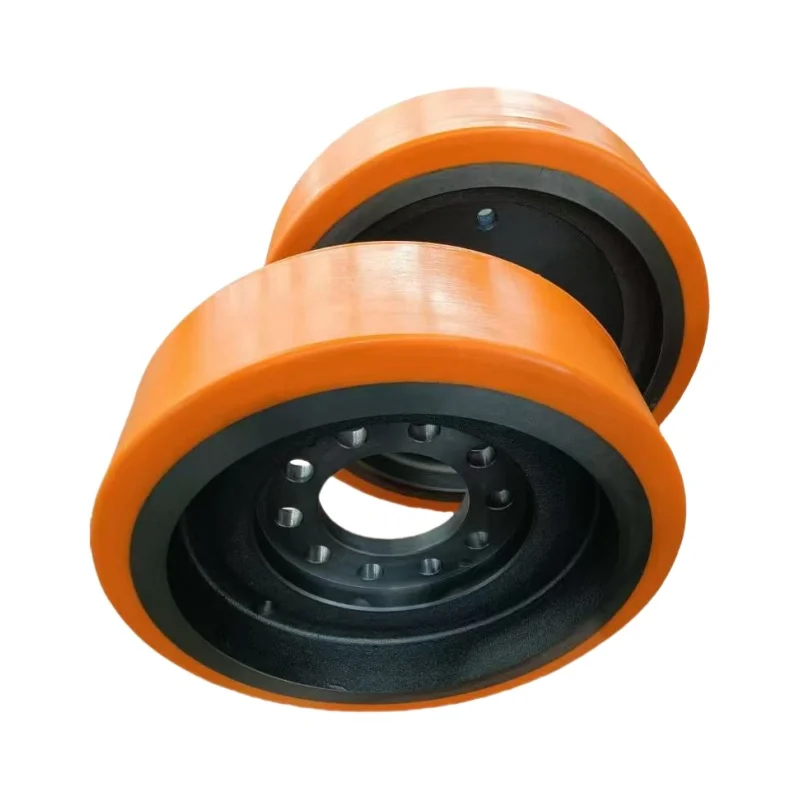
In modern industrial environments, the selection of appropriate wheel materials for heavy-load warehouse carts significantly impacts operational efficiency and long-term cost management. While traditional rubber wheels have dominated the market for decades, polyurethane wheels have emerged as the superior choice for demanding applications requiring exceptional durability, load capacity, and performance consistency. The transition from rubber to polyurethane represents a fundamental shift in material science that addresses the critical challenges faced by warehouse operators, logistics managers, and industrial engineers who depend on reliable material handling equipment for daily operations.
Material Properties and Performance Characteristics
Mechanical Strength and Load Distribution
Polyurethane wheels exhibit superior mechanical properties compared to conventional rubber alternatives, particularly in high-stress applications where consistent performance under extreme loads is essential. The polymer structure of polyurethane provides exceptional tensile strength, tear resistance, and compression set resistance that enables these wheels to maintain their structural integrity even when subjected to loads exceeding standard operational parameters. This enhanced strength translates directly into improved load distribution across the wheel surface, reducing stress concentrations that commonly lead to premature failure in rubber wheels.
The unique elastomeric properties of polyurethane allow for optimal deformation under load while maintaining rapid recovery to original shape once the load is removed. This characteristic prevents the permanent deformation and flat-spotting that frequently occurs with rubber wheels in heavy-duty applications. Additionally, the superior abrasion resistance of polyurethane wheels ensures consistent performance throughout extended operational cycles, maintaining wheel geometry and rolling characteristics that are critical for precise material handling operations.
Chemical and Environmental Resistance
Industrial warehouse environments expose wheels to various chemicals, oils, solvents, and cleaning agents that can rapidly degrade rubber materials. Polyurethane wheels demonstrate exceptional resistance to a broad spectrum of industrial chemicals, including hydraulic fluids, cutting oils, mild acids, and alkalis commonly encountered in manufacturing and warehouse facilities. This chemical resistance prevents swelling, cracking, and material degradation that compromises wheel performance and safety in rubber alternatives.
Temperature stability represents another critical advantage of polyurethane wheels over rubber counterparts. While rubber wheels experience significant property changes across temperature ranges, polyurethane maintains consistent performance characteristics from -40°F to 200°F, ensuring reliable operation in cold storage facilities, heated manufacturing areas, and outdoor applications where temperature fluctuations are common. This thermal stability eliminates the brittleness and softening issues that plague rubber wheels in extreme temperature conditions.
Operational Advantages in Warehouse Applications
Rolling Resistance and Energy Efficiency
The reduced rolling resistance of polyurethane wheels translates into significant energy savings and improved ergonomics for warehouse operations. The harder durometer and smoother surface finish typical of polyurethane wheels require less force to initiate and maintain rolling motion compared to softer rubber wheels that exhibit higher hysteresis losses. This reduction in rolling resistance decreases the physical effort required by operators when maneuvering loaded carts, reducing fatigue and improving overall productivity in manual handling operations.
In motorized applications, the lower rolling resistance of polyurethane wheels directly reduces power consumption and extends battery life in electric material handling equipment. The improved efficiency becomes particularly significant in large-scale operations where multiple carts operate continuously throughout extended shifts. The consistent rolling characteristics of polyurethane wheels also contribute to smoother operation and reduced vibration transmission, creating a more stable platform for delicate or precision equipment transport.
Noise Reduction and Floor Protection
Polyurethane wheels generate significantly less noise during operation compared to hard rubber wheels, particularly on concrete and steel surfaces common in industrial facilities. The superior damping properties of polyurethane effectively absorb impact energy and reduce the transmission of vibrations that create noise in wheel-to-floor contact. This noise reduction is crucial in facilities operating near residential areas or in environments where noise pollution must be minimized to comply with occupational health standards.
The non-marking characteristics of high-quality polyurethane wheels protect expensive floor finishes and eliminate the black marks commonly left by rubber wheels. This floor protection is particularly important in clean manufacturing environments, food processing facilities, and areas where appearance and cleanliness standards are strictly maintained. The reduced floor wear achieved with polyurethane wheels also extends the service life of concrete and tile surfaces, providing additional long-term cost benefits.
Durability and Maintenance Considerations
Service Life and Replacement Intervals
The extended service life of polyurethane wheels represents one of the most compelling economic advantages over rubber alternatives in heavy-duty applications. Field studies consistently demonstrate that polyurethane wheels can operate two to four times longer than equivalent rubber wheels under similar load and environmental conditions. This extended service life results from the superior wear resistance, crack propagation resistance, and dimensional stability inherent in polyurethane materials.
The predictable wear patterns of polyurethane wheels enable more effective maintenance scheduling and inventory management compared to rubber wheels that often experience sudden failure modes. The gradual, uniform wear characteristics allow maintenance personnel to monitor wheel condition and plan replacements during scheduled downtime rather than responding to unexpected failures that disrupt operations. This predictability reduces emergency maintenance costs and minimizes production interruptions associated with wheel failures.
Maintenance Requirements and Procedures
Polyurethane wheels require minimal maintenance compared to rubber wheels that are susceptible to environmental degradation, ozone cracking, and accelerated aging. The inherent stability of polyurethane eliminates the need for specialized storage conditions or protective treatments required to maintain rubber wheel properties during extended storage periods. This stability simplifies inventory management and reduces the risk of premature deterioration in spare wheel stocks.
Cleaning and decontamination procedures for polyurethane wheels are straightforward and compatible with most industrial cleaning agents and sterilization methods. The chemical resistance of polyurethane allows for aggressive cleaning protocols required in food processing, pharmaceutical, and medical device manufacturing environments without compromising wheel integrity or performance. This compatibility with stringent hygiene requirements makes polyurethane wheels the preferred choice in regulated industries where contamination control is critical.
Cost-Benefit Analysis and Return on Investment
Initial Investment and Total Cost of Ownership
While polyurethane wheels typically command a higher initial purchase price compared to rubber wheels, the total cost of ownership strongly favors polyurethane in heavy-duty applications. The extended service life, reduced maintenance requirements, and improved operational efficiency of polyurethane wheels generate substantial cost savings that quickly offset the higher initial investment. Comprehensive cost analyses consistently demonstrate positive return on investment within the first year of operation in most heavy-load applications.
The reduced downtime associated with polyurethane wheels provides additional economic benefits that are often overlooked in simple cost comparisons. The reliability and predictable performance of polyurethane wheels minimize unscheduled maintenance events and equipment failures that can halt production lines or disrupt critical logistics operations. This improved reliability becomes increasingly valuable in just-in-time manufacturing environments where any interruption in material flow creates cascading cost impacts throughout the supply chain.
Productivity and Efficiency Gains
The superior performance characteristics of polyurethane wheels directly translate into measurable productivity improvements in warehouse operations. The reduced rolling resistance enables faster cart movement with less operator effort, increasing throughput in manual material handling operations. The consistent performance characteristics eliminate the variations in cart behavior that can slow operations and require operator adjustments when using worn or degraded rubber wheels.
The improved load capacity and weight distribution capabilities of polyurethane wheels allow for optimization of cart loading strategies and route planning. Operators can confidently load carts to higher capacities knowing that polyurethane wheels will maintain stable performance and dimensional integrity under maximum load conditions. This increased loading efficiency reduces the number of trips required to transport materials, improving overall warehouse productivity and reducing labor costs per unit of material moved.
Application-Specific Benefits and Considerations
Heavy Manufacturing and Industrial Environments
In heavy manufacturing environments where carts routinely transport machinery components, raw materials, and finished products weighing several tons, polyurethane wheels provide the structural integrity and load capacity required for safe and efficient operations. The resistance to impact damage and chunk-out failures makes polyurethane wheels ideal for applications involving rough handling, debris-laden floors, and occasional overload conditions that would quickly destroy rubber wheels.
The chemical resistance of polyurethane wheels proves particularly valuable in metalworking, automotive, and chemical processing facilities where exposure to cutting fluids, hydraulic oils, and process chemicals is unavoidable. Unlike rubber wheels that swell, soften, or crack when exposed to these substances, polyurethane wheels maintain their properties and continue to provide reliable service throughout extended exposure periods. This chemical compatibility eliminates the need for specialized wheel materials or frequent replacements in challenging industrial environments.
Food Processing and Pharmaceutical Applications
The hygienic properties and cleanability of polyurethane wheels make them particularly well-suited for food processing and pharmaceutical manufacturing applications where contamination control is paramount. The smooth, non-porous surface of polyurethane wheels resists bacterial growth and facilitates effective sanitization using standard cleaning protocols. This cleanability ensures compliance with FDA, USDA, and other regulatory requirements governing equipment used in food and drug manufacturing.
The temperature resistance of polyurethane wheels enables use in applications involving hot wash-down procedures, steam cleaning, and thermal sanitization cycles that would damage rubber wheels. This thermal compatibility with cleaning and sterilization processes eliminates the need to remove wheels during facility cleaning operations, reducing maintenance time and ensuring consistent hygiene standards throughout production areas.
FAQ
How do polyurethane wheels compare to rubber wheels in terms of load capacity
Polyurethane wheels typically support 20-40% higher loads than equivalent rubber wheels due to their superior structural integrity and resistance to deformation under stress. The higher durometer and better compression set resistance of polyurethane prevent the flattening and permanent deformation that limits rubber wheel load capacity. This increased load capacity allows for more efficient material transport and reduces the number of wheels required per cart in heavy-duty applications.
What maintenance procedures are recommended for polyurethane wheels in industrial applications
Polyurethane wheels require minimal maintenance beyond periodic cleaning and visual inspection for wear or damage. Regular removal of debris and contaminants prevents accelerated wear, while inspection of bearing assemblies ensures smooth rotation. Unlike rubber wheels, polyurethane wheels do not require protection from ozone, UV light, or temperature extremes during storage, simplifying inventory management and reducing maintenance overhead.
Are polyurethane wheels suitable for outdoor warehouse applications
Yes, polyurethane wheels excel in outdoor applications due to their superior weather resistance and UV stability compared to rubber wheels. They maintain consistent performance across wide temperature ranges and resist degradation from sunlight, moisture, and environmental chemicals. This weather resistance makes polyurethane wheels ideal for shipping yards, construction sites, and other outdoor material handling applications where rubber wheels would quickly deteriorate.
What factors should be considered when selecting polyurethane wheels for specific applications
Key selection factors include load requirements, operating environment, floor surface type, and speed requirements. The durometer (hardness) of polyurethane wheels should match application demands, with harder formulations providing higher load capacity and longer wear life, while softer formulations offer better shock absorption and floor protection. Temperature range, chemical exposure, and noise requirements also influence optimal wheel selection for specific applications.
Table of Contents
- Material Properties and Performance Characteristics
- Operational Advantages in Warehouse Applications
- Durability and Maintenance Considerations
- Cost-Benefit Analysis and Return on Investment
- Application-Specific Benefits and Considerations
-
FAQ
- How do polyurethane wheels compare to rubber wheels in terms of load capacity
- What maintenance procedures are recommended for polyurethane wheels in industrial applications
- Are polyurethane wheels suitable for outdoor warehouse applications
- What factors should be considered when selecting polyurethane wheels for specific applications