EN
EN

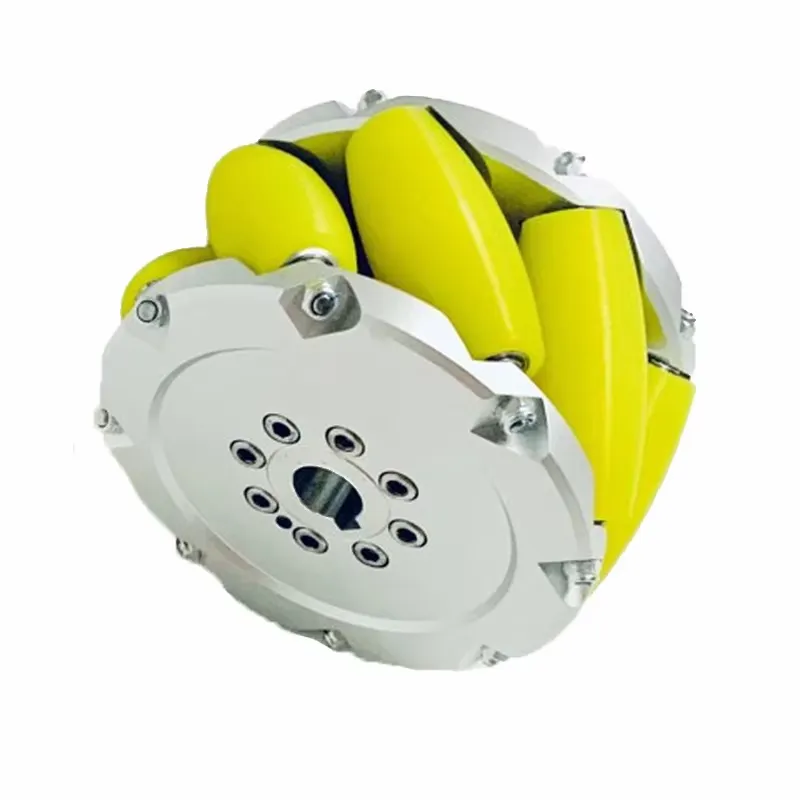
Understanding the Impact of Rubber Wheels in Industrial Equipment
In the demanding world of industrial operations, the choice of wheels can make a profound difference in equipment performance and safety. A rubber wheel serves as more than just a point of contact with the ground – it's a crucial component that determines how effectively heavy machinery can handle substantial loads. The integration of rubber wheels in industrial equipment has revolutionized the way materials are transported and managed across warehouses, construction sites, and manufacturing facilities.
The strategic implementation of rubber wheels in heavy machinery represents a significant advancement in load handling capabilities. These specialized components combine durability with flexibility, providing optimal support for various industrial applications while ensuring smooth operation under challenging conditions. As we delve deeper into this topic, we'll explore the numerous ways rubber wheels contribute to enhanced load handling efficiency.
Core Benefits of Rubber Wheel Technology
Superior Shock Absorption Properties
The inherent elasticity of rubber wheel systems provides exceptional shock absorption capabilities, which is crucial for protecting both the transported materials and the machinery itself. When heavy loads are in transit, the rubber compounds work to dissipate impact forces, reducing vibration and preventing damage to sensitive cargo. This natural dampening effect ensures smoother operation and extends the operational lifespan of the equipment.
Furthermore, the shock-absorbing properties of rubber wheels contribute significantly to noise reduction in industrial environments. The material's ability to absorb and disperse energy results in quieter operations, creating a more comfortable working environment for operators and other personnel. This characteristic is particularly valuable in indoor facilities where noise pollution must be carefully managed.
Enhanced Traction and Stability
A rubber wheel provides superior grip across various surface conditions, significantly improving the stability of heavy machinery during operation. The material's high coefficient of friction ensures reliable traction on both wet and dry surfaces, reducing the risk of slippage and enhancing overall safety. This improved stability is particularly crucial when handling uneven loads or operating on inclined surfaces.
The enhanced traction also translates to better control during acceleration and braking, allowing operators to maneuver heavy machinery with greater precision. This level of control is essential for maintaining safety standards and optimizing workflow efficiency in busy industrial environments.
Load Distribution and Weight Management
Even Pressure Distribution
One of the most significant advantages of implementing rubber wheel technology is its ability to distribute load pressure evenly across the contact surface. This characteristic prevents the formation of stress points that could damage flooring or compromise stability. The rubber wheel's natural flexibility allows it to slightly deform under weight, creating a larger contact patch that better supports heavy loads.
This even distribution of pressure not only protects floor surfaces but also contributes to the overall stability of the equipment. By spreading the load across a wider area, rubber wheels help maintain balance and reduce the risk of tipping, even when handling asymmetrical or shifting loads.
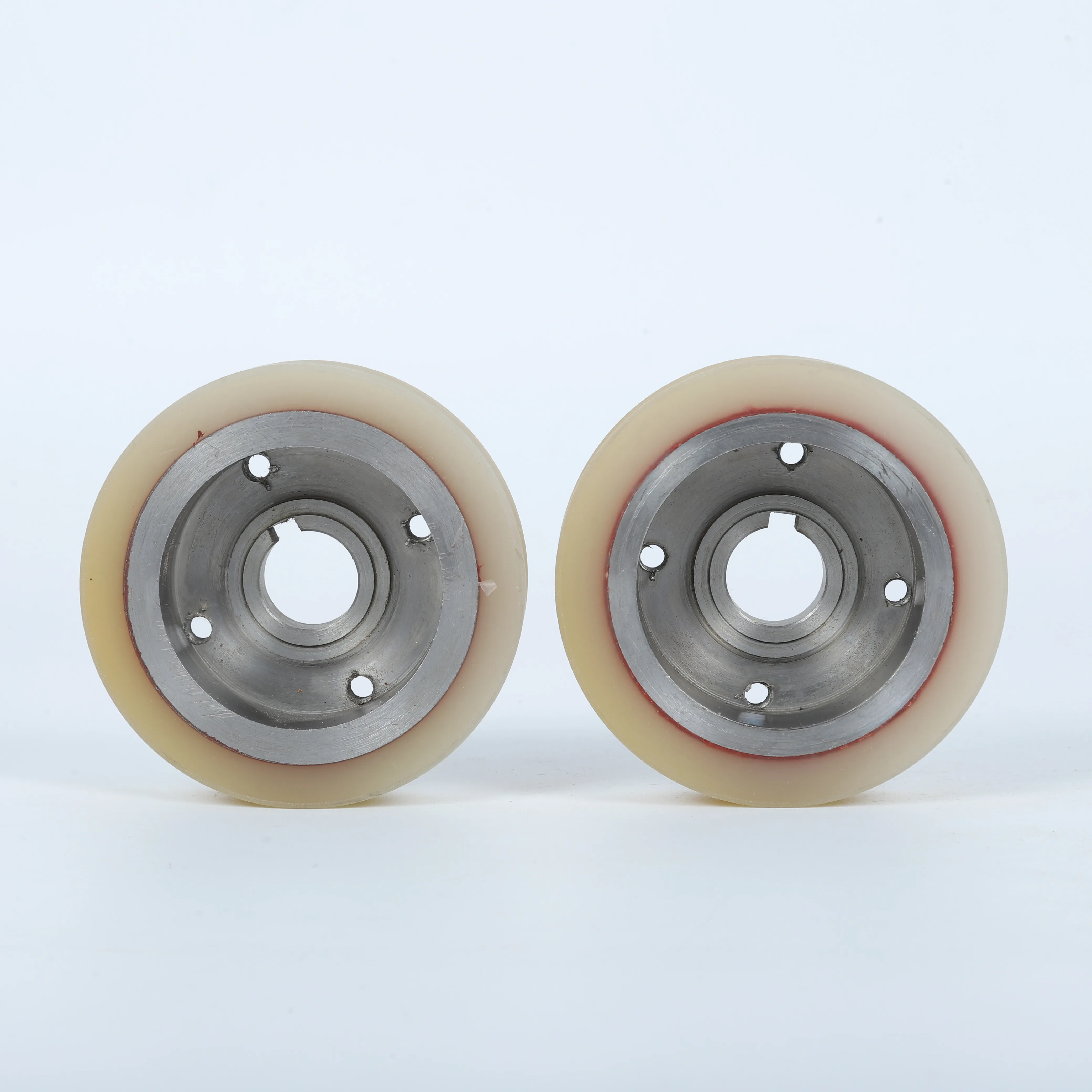
Dynamic Load Capacity
Modern rubber wheel designs incorporate advanced compounds and construction techniques that enable them to handle varying load weights effectively. These wheels can adapt to changing weight distributions while maintaining their structural integrity and performance characteristics. The dynamic load capacity of rubber wheels makes them ideal for applications where load weights fluctuate frequently.
The ability to maintain consistent performance under varying loads extends to both static and dynamic situations. Whether the machinery is stationary or in motion, rubber wheels provide reliable support and stability, ensuring safe and efficient operation throughout different phases of material handling.
Durability and Maintenance Considerations
Wear Resistance Properties
Quality rubber wheels are engineered to withstand extensive use in demanding industrial environments. The compounds used in their construction are specifically formulated to resist wear, cutting, and chunking, ensuring long-term reliability even under heavy loads. This durability translates to reduced maintenance requirements and lower replacement frequency, contributing to better cost-effectiveness over time.
The wear resistance of rubber wheels also extends to their ability to maintain their shape and properties under sustained use. Unlike some alternative materials, properly formulated rubber compounds resist flat-spotting and maintain their original characteristics even after prolonged periods under static loads.
Environmental Adaptability
Modern rubber wheel technology demonstrates remarkable adaptability to various environmental conditions. From extreme temperatures to exposure to chemicals and UV radiation, these wheels maintain their performance characteristics across a wide range of operating conditions. This environmental resilience makes them suitable for both indoor and outdoor applications.
The ability to perform consistently in different environments is particularly valuable for operations that require equipment to transition between indoor and outdoor areas or operate in challenging weather conditions. The rubber wheel's adaptability ensures reliable performance regardless of environmental variables.
Frequently Asked Questions
What is the typical lifespan of a rubber wheel in heavy machinery?
The lifespan of a rubber wheel varies depending on usage conditions, load weights, and environmental factors. Under normal operating conditions, quality rubber wheels can last between 3-5 years. Regular maintenance and proper load management can significantly extend their service life.
How do rubber wheels compare to solid metal wheels for load handling?
Rubber wheels offer superior shock absorption, better traction, and quieter operation compared to solid metal wheels. While metal wheels might have higher load capacity in some cases, rubber wheels provide better floor protection, improved operator comfort, and reduced equipment wear.
Can rubber wheels be used in extreme temperature environments?
Modern rubber compounds are designed to perform effectively in temperatures ranging from -40°F to 180°F (-40°C to 82°C). Special compounds are available for applications requiring operation in more extreme temperature conditions, ensuring reliable performance across various industrial settings.