EN
EN

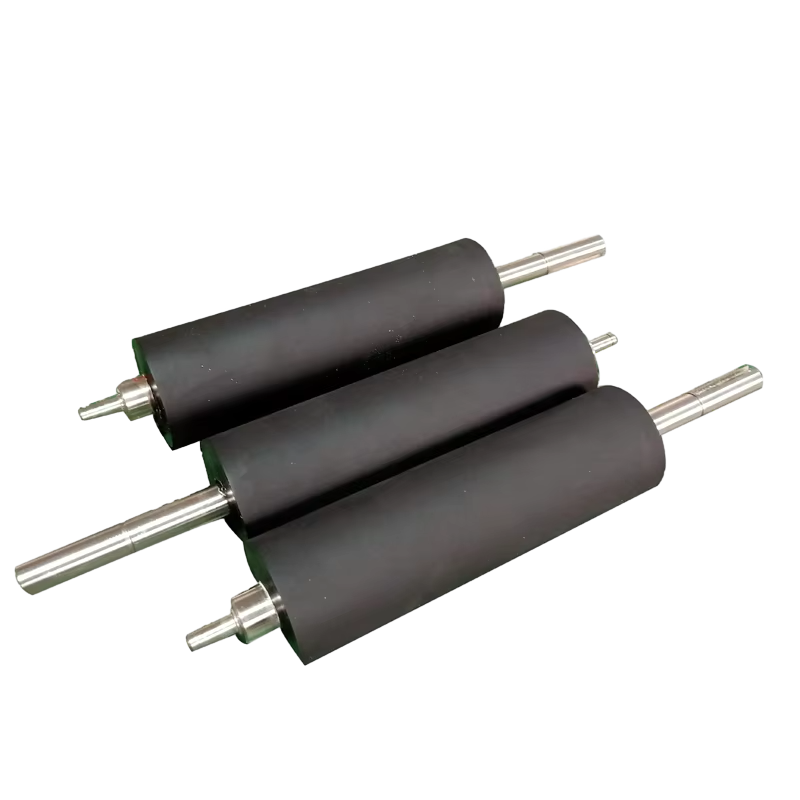
Industrial environments demand robust solutions that can withstand extreme conditions while maintaining optimal performance. When it comes to material handling, conveyor systems, and heavy-duty applications, the choice of wheels becomes critical for operational efficiency. Among various materials available, rubber wheels have emerged as the preferred solution for high-friction industrial applications due to their exceptional properties and versatility. These specialized components offer unique advantages that make them indispensable in demanding industrial settings where conventional materials often fail to deliver consistent results.
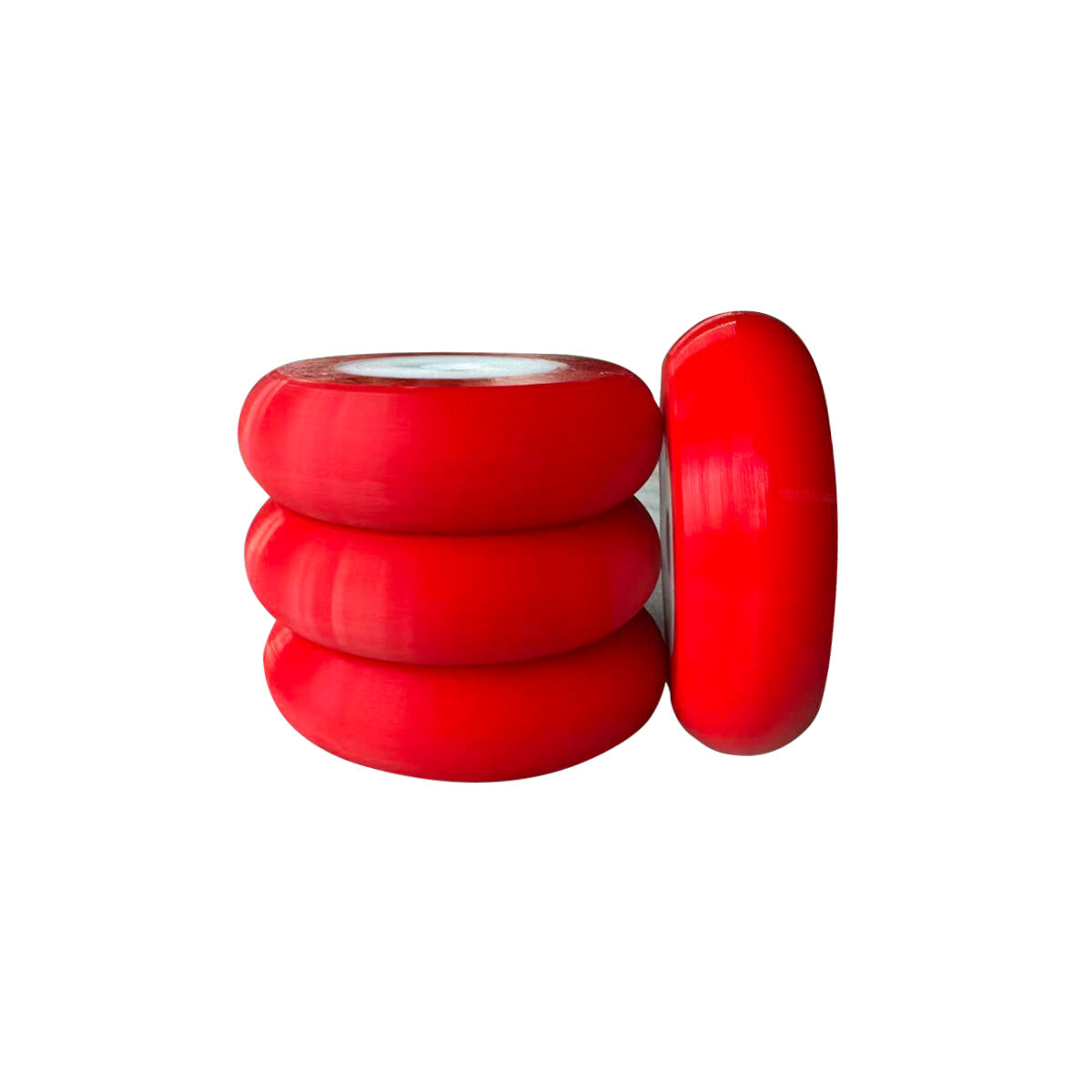
The industrial landscape has evolved significantly over the past decades, with manufacturers constantly seeking components that can enhance productivity while reducing maintenance costs. Rubber wheels represent a technological advancement that addresses multiple challenges simultaneously, from noise reduction to superior traction control. Their composition allows for customization according to specific application requirements, making them suitable for diverse industrial sectors including manufacturing, logistics, food processing, and automotive assembly lines.
Understanding the fundamental properties that make rubber wheels superior in high-friction applications requires examining their molecular structure and engineering characteristics. The elastomeric nature of rubber provides inherent flexibility while maintaining structural integrity under stress. This unique combination enables these wheels to conform to surface irregularities, distribute loads evenly, and maintain consistent contact with working surfaces even in challenging operational conditions.
Superior Traction and Grip Characteristics
Enhanced Surface Contact Properties
The exceptional traction capabilities of rubber wheels stem from their ability to deform slightly under load, creating a larger contact patch with the operating surface. This increased contact area translates directly into improved grip and reduced slippage, particularly crucial in high-friction applications where precise control is essential. The material's inherent tackiness provides additional adhesion without requiring excessive downforce, which could otherwise lead to increased wear on both the wheel and the contact surface.
Modern rubber formulations incorporate advanced compounds that enhance surface interaction while maintaining durability. These specialized materials can be engineered to provide optimal performance across varying temperature ranges and environmental conditions. The molecular chains within the rubber structure create micro-level surface interactions that contribute to superior grip characteristics compared to harder materials like steel or plastic wheels.
Industrial applications often require wheels to maintain traction on surfaces that may be contaminated with oils, water, or other substances. Rubber wheels excel in these conditions due to their ability to channel away contaminants while maintaining essential surface contact. This capability ensures consistent performance even in challenging operational environments where other wheel materials might lose effectiveness.
Load Distribution and Pressure Management
The elastic properties of rubber wheels enable superior load distribution across the contact surface, reducing point loading that can cause premature wear or damage to both the wheel and the supporting infrastructure. This characteristic is particularly valuable in heavy-duty industrial applications where equipment must handle substantial weights while maintaining smooth operation. The material's ability to flex and recover ensures consistent performance throughout the operational cycle.
Pressure management becomes critical in applications involving delicate surfaces or precision equipment. Rubber wheels can be formulated with varying hardness levels to optimize pressure distribution according to specific application requirements. Softer compounds provide better conformability and reduced surface pressure, while harder formulations offer increased load capacity and durability for demanding applications.
The viscoelastic behavior of rubber materials allows these wheels to absorb and dissipate energy effectively, reducing impact forces and vibrations that could otherwise compromise system performance. This energy absorption capability extends equipment life while improving operational smoothness and reducing maintenance requirements across industrial applications.
Noise Reduction and Vibration Control
Acoustic Performance Benefits
Industrial environments increasingly prioritize noise reduction for worker comfort and regulatory compliance. Rubber wheels provide significant acoustic advantages over traditional metal wheels by absorbing vibrations and dampening sound transmission. The material's inherent damping properties convert mechanical energy into heat, effectively reducing noise generation at the source rather than requiring additional soundproofing measures.
The cellular structure of certain rubber formulations can be engineered to optimize acoustic performance. Closed-cell structures provide excellent sound absorption while maintaining structural integrity, making them ideal for applications in noise-sensitive environments such as hospitals, laboratories, or residential areas. These specialized rubber wheels can reduce operational noise levels by up to 50% compared to conventional alternatives.
Frequency-specific noise reduction capabilities allow rubber wheels to target particular sound ranges that may be problematic in specific applications. Low-frequency vibrations, which are often the most challenging to control, can be effectively managed through proper rubber formulation and wheel design. This targeted approach ensures optimal acoustic performance without compromising other essential wheel characteristics.
Vibration Isolation Properties
Vibration control extends beyond noise reduction to encompass equipment protection and operational precision. Rubber wheels act as effective vibration isolators, preventing the transmission of shock loads and oscillations that could damage sensitive equipment or affect product quality. This isolation capability is particularly valuable in precision manufacturing applications where even minor vibrations can compromise output quality.
The dynamic properties of rubber materials enable these wheels to provide consistent vibration isolation across varying operational speeds and load conditions. Unlike rigid materials that may amplify certain frequencies, rubber wheels maintain their damping characteristics throughout their operational range. This consistency ensures reliable performance regardless of changing operational parameters.
Advanced rubber compounds can be tailored to provide specific vibration isolation characteristics for particular applications. Multi-layer constructions incorporating different rubber formulations can target multiple frequency ranges simultaneously, providing comprehensive vibration control for complex industrial applications. These sophisticated designs represent the cutting edge of wheel technology for demanding industrial environments.
Durability and Longevity in Harsh Environments
Chemical and Environmental Resistance
Industrial applications often expose wheels to aggressive chemicals, extreme temperatures, and harsh environmental conditions that would rapidly degrade conventional materials. Modern rubber wheels incorporate specialized compounds that provide excellent resistance to oils, solvents, acids, and other industrial chemicals commonly encountered in manufacturing environments. This chemical resistance ensures consistent performance and extended service life even under challenging conditions.
Temperature stability represents another critical advantage of properly formulated rubber wheels. Advanced elastomeric compounds maintain their essential properties across wide temperature ranges, from sub-zero cold storage applications to high-temperature manufacturing processes. This thermal stability eliminates the need for frequent wheel changes due to temperature-induced property degradation.
UV resistance and ozone protection are increasingly important as industrial facilities incorporate more outdoor or naturally lit operational areas. Specialized rubber formulations include antioxidants and UV stabilizers that prevent degradation from environmental exposure. These protective additives ensure that rubber wheels maintain their performance characteristics throughout their intended service life, regardless of environmental conditions.
Wear Resistance and Maintenance Benefits
The inherent resilience of rubber materials provides exceptional wear resistance in high-friction applications. Unlike harder materials that may exhibit rapid wear when subjected to abrasive conditions, rubber wheels can withstand significant surface contact while maintaining their essential properties. This wear resistance translates directly into reduced maintenance costs and extended operational periods between wheel replacements.
Self-healing properties of certain rubber formulations enable minor surface damage to seal naturally, preventing the propagation of cuts or tears that could lead to catastrophic failure. This characteristic is particularly valuable in applications involving sharp edges or rough surfaces where conventional wheels might suffer rapid degradation. The material's ability to recover from minor damage extends service life significantly.
Maintenance requirements for rubber wheels are typically minimal compared to alternative materials. The absence of lubrication needs, combined with excellent corrosion resistance, reduces ongoing maintenance costs while improving operational reliability. Regular inspection and cleaning are often sufficient to maintain optimal performance throughout the wheel's service life, making them cost-effective solutions for industrial applications.
Customization and Application Versatility
Material Formulation Options
The versatility of rubber wheels stems from the ability to customize material properties through compound formulation. Different rubber types, including natural rubber, synthetic compounds, and specialized blends, can be selected to optimize performance for specific applications. This customization capability ensures that wheels can be tailored to meet exact operational requirements rather than accepting compromise solutions.
Hardness variations allow rubber wheels to be optimized for different load requirements and surface interactions. Shore durometer ratings can be adjusted across a wide range to provide the ideal balance between deformation resistance and surface conformability. This flexibility enables the same basic wheel design to serve multiple applications with varying performance requirements through simple compound modifications.
Additive incorporation allows further performance enhancement through the inclusion of specialized materials. Conductive additives can provide static dissipation capabilities for electronics manufacturing environments, while antimicrobial agents ensure hygiene compliance in food processing applications. These targeted additives expand the application range of rubber wheels without compromising their fundamental performance characteristics.
Design Flexibility and Integration
Rubber wheels can be manufactured in virtually any size and configuration to match specific application requirements. From miniature precision wheels for delicate instruments to massive industrial wheels for heavy machinery, the manufacturing flexibility of rubber materials accommodates diverse sizing needs. This scalability ensures that optimal wheel solutions are available regardless of application scale.
Bonding technologies enable rubber wheels to be integrated with various hub materials and mounting configurations. Metal inserts, plastic cores, and composite structures can be seamlessly incorporated during manufacturing to provide specific mounting options or enhanced structural properties. This integration capability simplifies installation and ensures compatibility with existing equipment designs.
Surface treatments and modifications can further enhance rubber wheel performance for specialized applications. Textured surfaces improve traction in specific conditions, while specialized coatings can provide additional chemical resistance or reduce surface friction as required. These modifications demonstrate the adaptability of rubber wheels to meet even the most demanding application requirements.
FAQ
What makes rubber wheels more effective than metal wheels in high-friction applications
Rubber wheels outperform metal wheels in high-friction applications due to their superior surface conformability and energy absorption characteristics. The elastic nature of rubber allows the wheel to deform slightly under load, creating a larger contact patch that distributes forces more evenly and provides better traction. Additionally, rubber wheels generate significantly less noise and vibration compared to metal alternatives, making them ideal for environments where acoustic performance is important. The material's inherent damping properties also protect both the wheel and the equipment from shock loads and impact damage.
How do rubber wheels maintain performance in extreme temperature conditions
Modern rubber wheel formulations incorporate temperature-stable compounds that maintain their essential properties across wide temperature ranges. Specialized elastomers and additives are selected based on the specific temperature requirements of each application. For high-temperature applications, heat-resistant compounds prevent degradation and maintain structural integrity, while cold-weather formulations remain flexible and functional in sub-zero conditions. The key is selecting the appropriate rubber compound during the design phase to match the expected operational temperature range.
What maintenance is required to maximize rubber wheel lifespan
Rubber wheels require minimal maintenance compared to other wheel types, which is one of their primary advantages. Regular visual inspection for cuts, tears, or excessive wear should be performed according to operational schedules. Cleaning with appropriate solvents removes accumulated debris and contaminants that could affect performance. Unlike metal wheels, rubber wheels do not require lubrication and are naturally resistant to corrosion. Proper load management and avoiding exposure to incompatible chemicals will maximize service life. Most quality rubber wheels will provide years of reliable service with basic care and proper application.
Can rubber wheels be customized for specific industrial applications
Yes, rubber wheels offer exceptional customization capabilities through material formulation and design modifications. Hardness levels can be adjusted to optimize load capacity and surface interaction characteristics. Chemical resistance can be enhanced through specialized compound selection for applications involving aggressive substances. Conductive formulations are available for static-sensitive environments, while food-grade compounds ensure compliance with hygiene requirements. Size, shape, and mounting configurations can be tailored to specific equipment requirements. This flexibility makes rubber wheels suitable for virtually any industrial application where their performance advantages are beneficial.