EN
EN

Industrial power transmission systems form the backbone of modern manufacturing operations, where efficiency and reliability directly impact production outcomes. Among the various transmission components available today, round belts have emerged as a sophisticated solution for applications requiring precise power transfer, smooth operation, and minimal maintenance requirements. These specialized transmission elements offer unique advantages in scenarios where traditional flat or V-belts may fall short of operational demands.
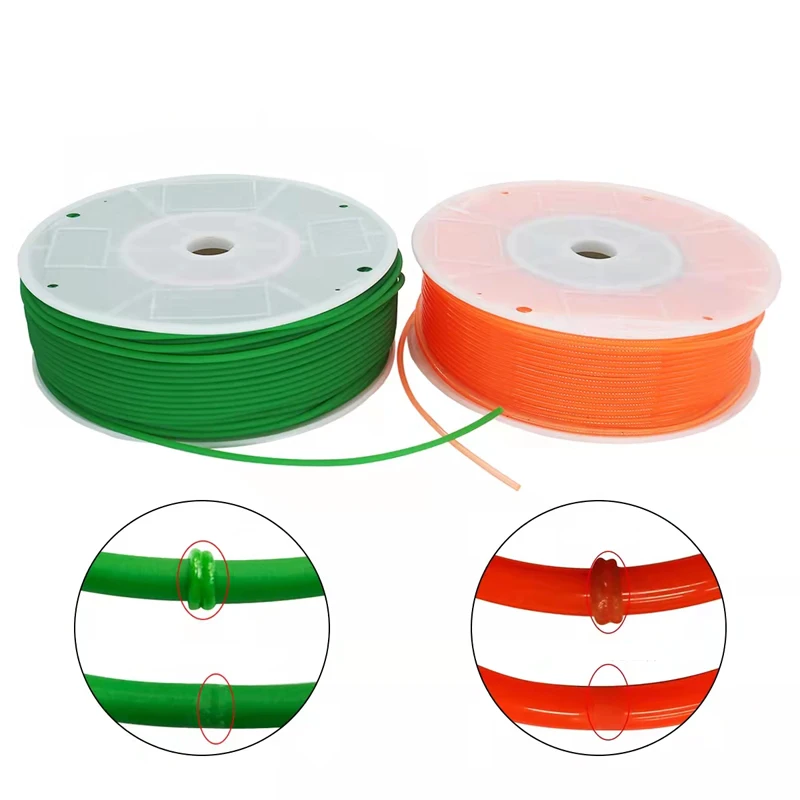
The engineering principles behind round belt design focus on maximizing contact efficiency while minimizing energy losses during operation. Unlike conventional belt configurations, round belts distribute load forces more evenly across the pulley surface, resulting in reduced wear patterns and extended service life. This characteristic becomes particularly valuable in high-speed applications where belt stability and consistent performance are critical factors for maintaining production schedules and quality standards.
Understanding the optimization potential of round belts requires examining their construction materials, geometric properties, and operational characteristics. Modern manufacturing techniques have enabled the production of round belts using advanced polyurethane compounds that offer superior flexibility, chemical resistance, and temperature stability compared to traditional rubber alternatives. These material improvements translate directly into enhanced performance metrics and reduced maintenance costs for industrial operators.
Design Characteristics and Material Properties
Polyurethane Construction Advantages
Polyurethane round belts represent a significant advancement in transmission belt technology, offering exceptional durability and performance characteristics that surpass traditional rubber-based alternatives. The molecular structure of polyurethane provides inherent resistance to abrasion, chemicals, and temperature variations commonly encountered in industrial environments. This material composition enables round belts to maintain consistent dimensional stability even under demanding operational conditions.
The manufacturing process for polyurethane round belts involves precise control of material density and cross-linking patterns to achieve optimal mechanical properties. These belts exhibit superior tensile strength and elongation characteristics, allowing them to accommodate varying load conditions without permanent deformation. The smooth surface finish of polyurethane round belts also contributes to reduced friction losses and improved power transmission efficiency.
Chemical resistance properties make polyurethane round belts particularly suitable for applications involving exposure to oils, solvents, and cleaning agents commonly used in industrial settings. This resistance extends the operational lifespan of the belts while reducing the frequency of replacement intervals and associated maintenance costs.
Geometric Design Optimization
The circular cross-section of round belts provides unique advantages in power transmission applications, particularly regarding pulley contact mechanics and load distribution. This geometry ensures consistent contact pressure around the entire belt circumference, eliminating the stress concentration points that can occur with flat or V-belt configurations. The uniform contact pattern contributes to smoother operation and reduced vibration levels in transmission systems.
Round belt diameter selection plays a crucial role in optimizing transmission performance for specific applications. Smaller diameter belts offer increased flexibility and can navigate tighter pulley configurations, while larger diameters provide enhanced power transmission capacity and improved resistance to stretch under load. Engineers must carefully balance these factors when specifying round belts for particular applications.
The seamless construction of high-quality round belts eliminates potential weak points that could develop at joints or splices. This continuous construction method ensures consistent performance throughout the belt's operational life and reduces the risk of unexpected failures that could disrupt production processes.
Power Transmission Efficiency Mechanisms
Friction Coefficient Optimization
The power transmission capabilities of round belts depend significantly on the friction characteristics between the belt surface and pulley materials. Polyurethane round belts typically exhibit coefficient of friction values ranging from 0.6 to 0.8 when paired with appropriate pulley materials, providing excellent grip without excessive tension requirements. This optimal friction range enables efficient power transfer while minimizing belt stress and wear rates.
Surface texture considerations play an important role in maintaining consistent friction characteristics over time. Round belts with properly engineered surface finishes resist the accumulation of contaminants that could reduce transmission efficiency. Regular cleaning and maintenance protocols help preserve these friction properties and ensure consistent performance throughout the belt's service life.
Temperature effects on friction characteristics must be considered in applications involving elevated operating temperatures. High-quality polyurethane round belts maintain stable friction coefficients across wide temperature ranges, ensuring reliable power transmission even in thermally challenging environments.
Load Distribution and Stress Management
Round belts excel in applications requiring uniform load distribution across multiple drive points or complex routing configurations. The circular cross-section allows these belts to navigate serpentine paths around multiple pulleys while maintaining consistent tension and power transmission capabilities. This flexibility makes round belts particularly valuable in packaging machinery and automated production systems where space constraints require creative belt routing solutions.
Stress analysis of round belt installations reveals that the uniform cross-section helps distribute operational loads more evenly than rectangular belt profiles. This characteristic reduces peak stress concentrations that could lead to premature failure and extends the overall service life of the transmission system. Proper tensioning procedures ensure optimal stress distribution while avoiding excessive preload that could accelerate wear patterns.
Dynamic loading conditions in industrial applications require careful consideration of belt elasticity and recovery characteristics. Round belts demonstrate excellent elastic behavior under varying load conditions, allowing them to accommodate temporary overloads without permanent damage. This resilience contributes to system reliability and reduces the likelihood of unexpected downtime due to belt failure.
Application-Specific Performance Benefits
High-Speed Operation Advantages
High-speed industrial applications benefit significantly from the superior dynamic properties of round belts compared to alternative transmission methods. The balanced cross-section and uniform density distribution minimize centrifugal forces and belt whip that can occur at elevated rotational speeds. This stability enables round belts to operate effectively at speeds exceeding those practical for conventional V-belt systems.
Vibration dampening characteristics of polyurethane round belts contribute to smoother operation in high-speed applications. The material's inherent elasticity absorbs minor irregularities in pulley rotation and reduces transmission of vibrations to connected equipment. This dampening effect improves overall system performance and reduces wear on bearings and other rotating components.
Heat generation during high-speed operation remains minimal with properly selected round belts due to their efficient power transmission characteristics and low internal friction losses. The thermal stability of polyurethane materials ensures consistent performance even in applications where belt temperatures may reach elevated levels during extended operation periods.
Precision Positioning Applications
Precision manufacturing processes often require transmission systems capable of maintaining exact positioning and consistent motion characteristics. Round belts provide excellent dimensional stability and minimal stretch properties that support accurate positioning requirements in automated machinery and robotic systems. The predictable elastic behavior allows engineers to compensate for minor belt elongation in precision applications.
Backlash elimination becomes achievable with properly tensioned round belt systems, as the continuous contact around pulleys prevents the slack conditions that can introduce positioning errors. This characteristic proves particularly valuable in applications requiring precise angular positioning or coordinated multi-axis movements.
Repeatability of motion transmission through round belt systems exceeds that of many alternative drive methods, making them suitable for applications where consistent cycle times and positioning accuracy directly impact product quality. The stable friction characteristics and minimal creep properties contribute to this repeatability advantage.
Installation and Maintenance Considerations
Proper Tensioning Procedures
Achieving optimal performance from round belt installations requires careful attention to initial tensioning procedures and ongoing tension monitoring. Unlike V-belts that rely primarily on wedging action for power transmission, round belts depend on friction generated by appropriate belt tension against pulley surfaces. Proper tensioning ensures adequate power transmission capability while avoiding excessive stress that could reduce belt life.
Tension measurement techniques for round belts typically involve deflection testing or direct tension measurement using specialized gauges. The recommended tension levels vary based on belt diameter, material properties, and application requirements. Manufacturers provide specific guidance for optimal tension ranges that balance power transmission capability with expected service life.
Regular tension monitoring helps identify gradual belt elongation that occurs during normal operation. Establishing periodic inspection intervals allows maintenance personnel to adjust tension before performance degradation occurs. Modern tension monitoring systems can provide continuous feedback on belt condition and alert operators to potential issues before they impact production.
Pulley Design and Alignment Requirements
Pulley design specifications for round belt applications differ significantly from those used with other belt types. The groove profile must accommodate the circular belt cross-section while providing adequate contact area for efficient power transmission. Proper groove geometry prevents belt pinching or excessive stress concentration that could lead to premature failure.
Alignment accuracy becomes critical in round belt installations, as misalignment can cause uneven wear patterns and reduced belt life. Precision alignment tools and procedures ensure that all pulleys in the system operate in the same plane and maintain proper spacing. Regular alignment checks help identify potential issues before they result in belt damage or system failure.
Surface finish requirements for pulleys used with round belts focus on achieving optimal friction characteristics while minimizing belt wear. The pulley material and surface treatment must be compatible with the belt material to ensure long-term performance. Stainless steel, aluminum, and specially coated steel pulleys represent common choices for round belt applications.
Economic and Operational Advantages
Total Cost of Ownership Analysis
Economic evaluation of round belt systems requires consideration of initial costs, maintenance expenses, and operational benefits over the entire system lifecycle. While round belts may command higher initial purchase prices compared to conventional alternatives, their extended service life and reduced maintenance requirements often result in lower total cost of ownership. This economic advantage becomes more pronounced in critical applications where unexpected downtime carries significant cost penalties.
Maintenance cost reduction stems from the inherent reliability and durability of round belt systems. The resistance to environmental factors and mechanical wear reduces the frequency of replacement intervals and associated labor costs. Additionally, the predictable wear patterns of round belts enable planned maintenance scheduling that minimizes production disruptions.
Energy efficiency improvements with round belt systems contribute to operational cost savings through reduced power consumption. The efficient power transmission characteristics and low friction losses translate into measurable energy savings over extended operation periods. These savings become particularly significant in applications involving continuous operation or high power levels.
Productivity Enhancement Benefits
Production reliability improvements with round belt installations stem from their consistent performance characteristics and resistance to unexpected failures. The predictable service life and gradual wear patterns allow maintenance teams to schedule replacements during planned downtime rather than responding to emergency failures. This proactive approach minimizes production disruptions and maintains consistent output levels.
Quality consistency in manufacturing processes benefits from the stable motion characteristics provided by round belt systems. The minimal variation in speed and position transmission helps maintain tight tolerances and reduces reject rates in precision manufacturing applications. This quality improvement contributes to overall productivity and customer satisfaction.
Operational flexibility advantages of round belt systems include their ability to accommodate varying load conditions and speed requirements without significant performance degradation. This adaptability proves valuable in manufacturing environments where production requirements may change frequently or where equipment must handle different product types with varying processing demands.
FAQ
What are the primary advantages of round belts over traditional V-belts in industrial applications?
Round belts offer several key advantages including superior flexibility for complex routing, more even load distribution, reduced vibration transmission, and excellent performance at high speeds. Their circular cross-section eliminates stress concentration points common in V-belt systems, resulting in longer service life and more reliable operation. Additionally, round belts can navigate tighter pulley configurations and provide smoother power transmission with minimal maintenance requirements.
How do polyurethane round belts compare to rubber alternatives in terms of performance and durability?
Polyurethane round belts significantly outperform rubber alternatives in chemical resistance, temperature stability, and abrasion resistance. They maintain consistent mechanical properties across wider temperature ranges and resist degradation from oils, solvents, and cleaning agents commonly found in industrial environments. The superior tensile strength and elongation characteristics of polyurethane also provide better load-handling capabilities and dimensional stability over time.
What factors should be considered when selecting round belt diameter for specific applications?
Belt diameter selection depends on several factors including required power transmission capacity, minimum pulley diameter constraints, flexibility requirements for routing, and operating speed considerations. Smaller diameter belts offer greater flexibility and can navigate tighter spaces but may have lower power capacity, while larger diameters provide enhanced strength and power transmission but reduced flexibility. The application's torque requirements and space constraints typically determine the optimal diameter choice.
How can maintenance teams optimize the service life of round belt installations?
Optimizing round belt service life requires proper initial tensioning, regular tension monitoring, maintaining proper pulley alignment, and keeping belt surfaces clean from contaminants. Establishing periodic inspection schedules helps identify wear patterns early and allows for proactive maintenance. Avoiding excessive tensioning, ensuring compatible pulley materials, and maintaining appropriate operating temperatures within manufacturer specifications also contribute to extended belt life and reliable performance.
Table of Contents
- Design Characteristics and Material Properties
- Power Transmission Efficiency Mechanisms
- Application-Specific Performance Benefits
- Installation and Maintenance Considerations
- Economic and Operational Advantages
-
FAQ
- What are the primary advantages of round belts over traditional V-belts in industrial applications?
- How do polyurethane round belts compare to rubber alternatives in terms of performance and durability?
- What factors should be considered when selecting round belt diameter for specific applications?
- How can maintenance teams optimize the service life of round belt installations?