EN
EN

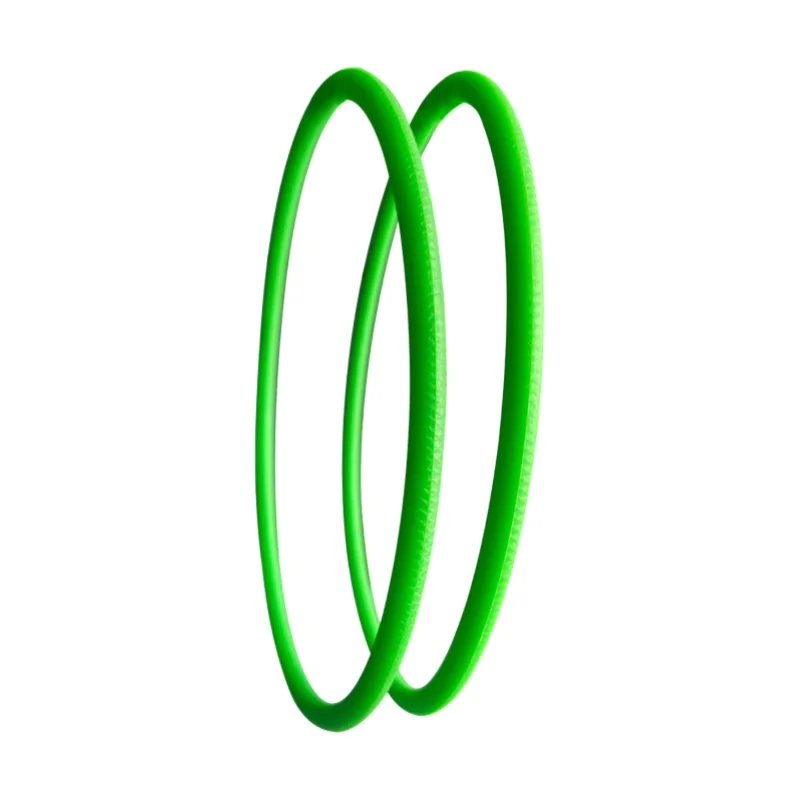
Industrial machinery operating in high-temperature environments requires specialized transmission components that can withstand extreme thermal conditions without compromising performance. A high temperature round belt serves as a critical component in these demanding applications, offering superior durability and reliability compared to standard belt materials. Understanding the selection criteria for these specialized belts is essential for maintaining operational efficiency and preventing costly equipment failures in industries ranging from manufacturing to processing.
The selection process involves evaluating multiple factors including temperature resistance thresholds, load requirements, environmental conditions, and compatibility with existing equipment. Engineers and maintenance professionals must carefully assess these parameters to ensure optimal belt performance and longevity. Proper selection not only minimizes downtime but also reduces maintenance costs and enhances overall system reliability in challenging operational environments.
Understanding High-Temperature Belt Materials
Polyurethane Round Belt Technology
Polyurethane round belts represent the pinnacle of high-temperature transmission technology, offering exceptional thermal stability and mechanical properties. These belts maintain their structural integrity and flexibility even when exposed to temperatures exceeding 100°C, making them ideal for applications in heated manufacturing processes. The polymer structure of polyurethane provides inherent resistance to thermal degradation while maintaining excellent wear characteristics.
The manufacturing process involves specialized formulations that enhance heat resistance without sacrificing other critical properties such as tensile strength and elasticity. Advanced polyurethane compounds incorporate heat stabilizers and antioxidants that prevent material breakdown under prolonged thermal exposure. This results in a high temperature round belt that consistently performs across varying temperature ranges while maintaining dimensional stability.
Material Comparison and Performance Characteristics
When comparing materials for high-temperature applications, polyurethane demonstrates superior performance over traditional rubber compounds and synthetic alternatives. Standard rubber belts typically begin to deteriorate at temperatures around 80°C, while polyurethane maintains its properties well beyond this threshold. The chemical structure of polyurethane provides better resistance to thermal oxidation and maintains flexibility at elevated temperatures.
Surface treatments and manufacturing techniques further enhance the thermal capabilities of polyurethane round belts. Specialized surface finishes can provide additional heat dissipation properties while maintaining the necessary grip and traction characteristics. These enhancements make polyurethane the preferred choice for demanding thermal environments where reliability is paramount.
Temperature Rating and Selection Criteria
Determining Operating Temperature Ranges
Accurate assessment of operating temperature ranges forms the foundation of proper belt selection for high-temperature applications. Engineers must consider both ambient temperatures and heat generated by the machinery itself, including factors such as friction, motor heat, and process-generated thermal loads. Peak temperature exposure, duration of thermal cycles, and temperature fluctuation patterns all influence material selection and expected service life.
Temperature mapping of the installation environment helps identify hot spots and thermal gradients that may affect belt performance. Continuous monitoring systems can provide valuable data on actual operating conditions, allowing for more precise selection criteria. This comprehensive approach ensures that the chosen high temperature round belt can handle not just average operating conditions but also peak thermal loads encountered during intensive production periods.
Safety Factors and Design Margins
Incorporating appropriate safety factors into temperature rating calculations protects against unexpected thermal excursions and extends belt service life. Industry standards typically recommend selecting belts rated for temperatures 20-30% above expected peak operating conditions. This margin accounts for measurement uncertainties, equipment aging effects, and potential process variations that could increase thermal exposure.
Design margins also consider the cumulative effects of thermal cycling on belt materials. Repeated heating and cooling cycles can cause material fatigue even when individual temperature exposures remain within acceptable limits. Proper selection accounts for these cyclic effects by choosing materials with proven thermal cycling resistance and incorporating additional temperature headroom into the selection criteria.
Load Capacity and Mechanical Requirements
Tensile Strength in High-Temperature Environments
The mechanical properties of transmission belts change significantly at elevated temperatures, requiring careful evaluation of load capacity under actual operating conditions. Polyurethane materials typically experience some reduction in ultimate tensile strength as temperature increases, though high-quality formulations maintain adequate strength margins across their rated temperature range. Understanding these property changes is crucial for proper sizing and application design.
Dynamic loading conditions in high-temperature environments present additional challenges that must be addressed during belt selection. Thermal expansion of machinery components can alter belt tension and loading patterns, potentially creating stress concentrations or changing the effective load distribution. Proper selection accounts for these thermal effects on system geometry and adjusts load calculations accordingly.
Fatigue Resistance and Durability Factors
Fatigue resistance becomes increasingly important in high-temperature applications where thermal stress compounds mechanical loading effects. The combination of elevated temperatures and cyclic mechanical loading can accelerate material degradation through multiple failure mechanisms. Quality high temperature round belt products incorporate design features that maximize fatigue life under these challenging conditions.
Service life prediction models must account for the interactive effects of temperature and mechanical stress on material properties. Advanced testing protocols evaluate belt performance under combined thermal and mechanical loading conditions, providing more accurate predictions of field performance. This comprehensive approach to durability assessment ensures that selected belts meet or exceed expected service life requirements in actual operating environments.
Environmental Considerations and Chemical Compatibility
Chemical Resistance Requirements
High-temperature industrial environments often involve exposure to various chemicals, cleaning agents, and processing fluids that can interact with belt materials. Polyurethane generally exhibits good chemical resistance to many common industrial substances, but specific formulations may be required for extreme chemical environments. Compatibility testing ensures that selected belt materials can withstand both thermal and chemical exposure without degradation.
The interaction between elevated temperatures and chemical exposure can accelerate degradation processes that might be negligible under ambient conditions. Chemical compatibility data must be evaluated at actual operating temperatures to ensure accurate material selection. This comprehensive approach prevents unexpected failures due to temperature-enhanced chemical attack on belt materials.
Humidity and Environmental Factors
Humidity levels and atmospheric conditions in high-temperature environments can significantly impact belt performance and service life. High humidity combined with elevated temperatures can promote hydrolysis in some polymer materials, while dry heat may cause different degradation mechanisms. Understanding these environmental interactions helps optimize material selection for specific operating conditions.
Contamination from dust, debris, or process materials presents additional challenges in high-temperature applications. Belt surface treatments and material formulations that resist contamination buildup help maintain performance and extend service life. Regular cleaning protocols and maintenance procedures must be compatible with both the belt material and the high-temperature operating environment.
Installation and Maintenance Considerations
Proper Installation Techniques
Installation procedures for high-temperature round belts require special attention to thermal expansion effects and material handling considerations. Belt materials may exhibit different flexibility characteristics at ambient temperatures compared to operating temperatures, requiring adjusted installation techniques. Proper tensioning procedures must account for thermal expansion of both the belt and supporting machinery components.
Pre-conditioning procedures can help optimize belt performance by allowing materials to reach thermal equilibrium before full operational loading. This approach minimizes initial dimensional changes and helps establish stable operating conditions more quickly. Proper installation documentation should include thermal considerations and specify any special procedures required for high-temperature applications.
Maintenance Protocols and Monitoring
Maintenance protocols for high temperature round belt applications must account for the unique challenges of high-temperature environments. Regular inspection schedules should consider accelerated aging effects and potential thermal degradation indicators. Visual inspection techniques adapted for high-temperature conditions help identify potential issues before they result in belt failure.
Predictive maintenance technologies such as thermal imaging and vibration analysis provide valuable insights into belt condition and performance trends. These monitoring techniques can detect developing problems early, allowing for planned replacement before unexpected failures occur. Maintenance scheduling should balance the costs of frequent inspection with the benefits of avoiding unplanned downtime in critical applications.
FAQ
What is the maximum temperature rating for polyurethane round belts
High-quality polyurethane round belts can typically operate continuously at temperatures up to 120°C, with some specialized formulations capable of handling intermittent exposure to 150°C or higher. The exact temperature rating depends on the specific polyurethane formulation, belt construction, and application requirements. It is essential to consult manufacturer specifications and consider safety factors when selecting belts for high-temperature applications.
How does temperature affect the tensile strength of round belts
Elevated temperatures generally reduce the tensile strength of polyurethane round belts, with typical strength reductions of 10-20% at maximum operating temperatures. However, high-quality formulations are designed to maintain adequate strength margins throughout their rated temperature range. Load calculations should account for these temperature effects and incorporate appropriate safety factors to ensure reliable operation under all conditions.
What maintenance intervals are recommended for high-temperature belt applications
Maintenance intervals for high-temperature round belt applications should typically be reduced by 25-50% compared to ambient temperature installations due to accelerated aging effects. Monthly visual inspections are recommended, with detailed assessments every 3-6 months depending on operating severity. Continuous monitoring systems can help optimize maintenance scheduling by tracking actual belt condition and performance trends.
Can high temperature round belts be used in food processing applications
Yes, specially formulated polyurethane round belts are available for food processing applications requiring high-temperature resistance. These belts meet FDA requirements for food contact and can withstand the elevated temperatures encountered in cooking, baking, and sterilization processes. Food-grade formulations maintain their safety certifications throughout their temperature operating range while providing the necessary thermal performance characteristics.