EN
EN

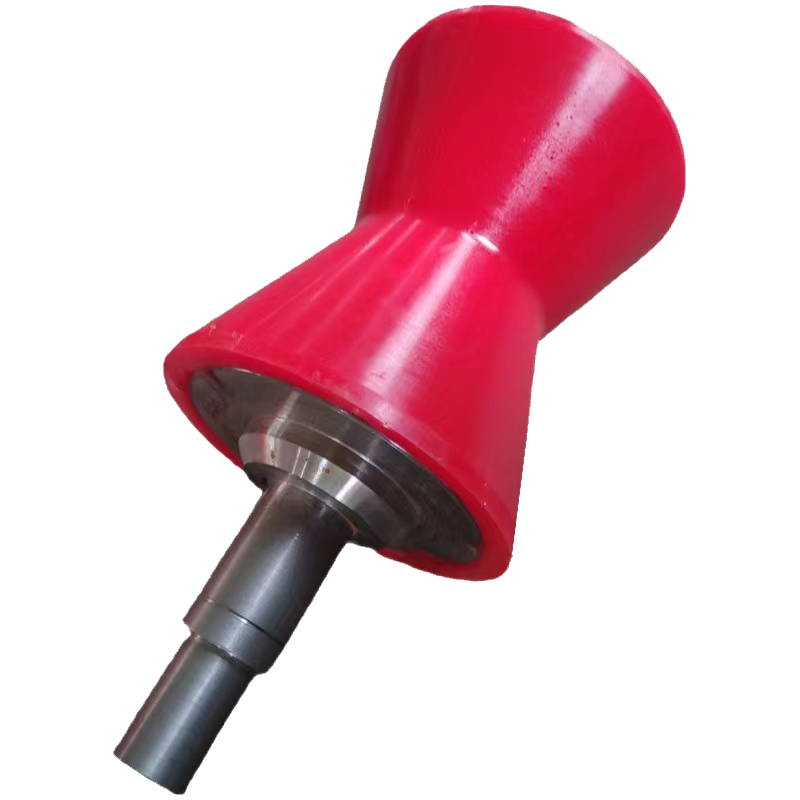
Achieving airtight insulation in industrial and mechanical environments requires more than just filling gaps — it demands materials engineered with precision and durability. polyurethane extruded profiles have emerged as one of the most reliable solutions for this purpose, combining high-density material construction with custom cross-section geometry to create a consistent and effective seal. Whether applied in machinery enclosures, refrigeration panels, or structural assemblies, polyurethane extruded profiles provide the flexibility and compression resistance needed to block air infiltration at every joint and edge.
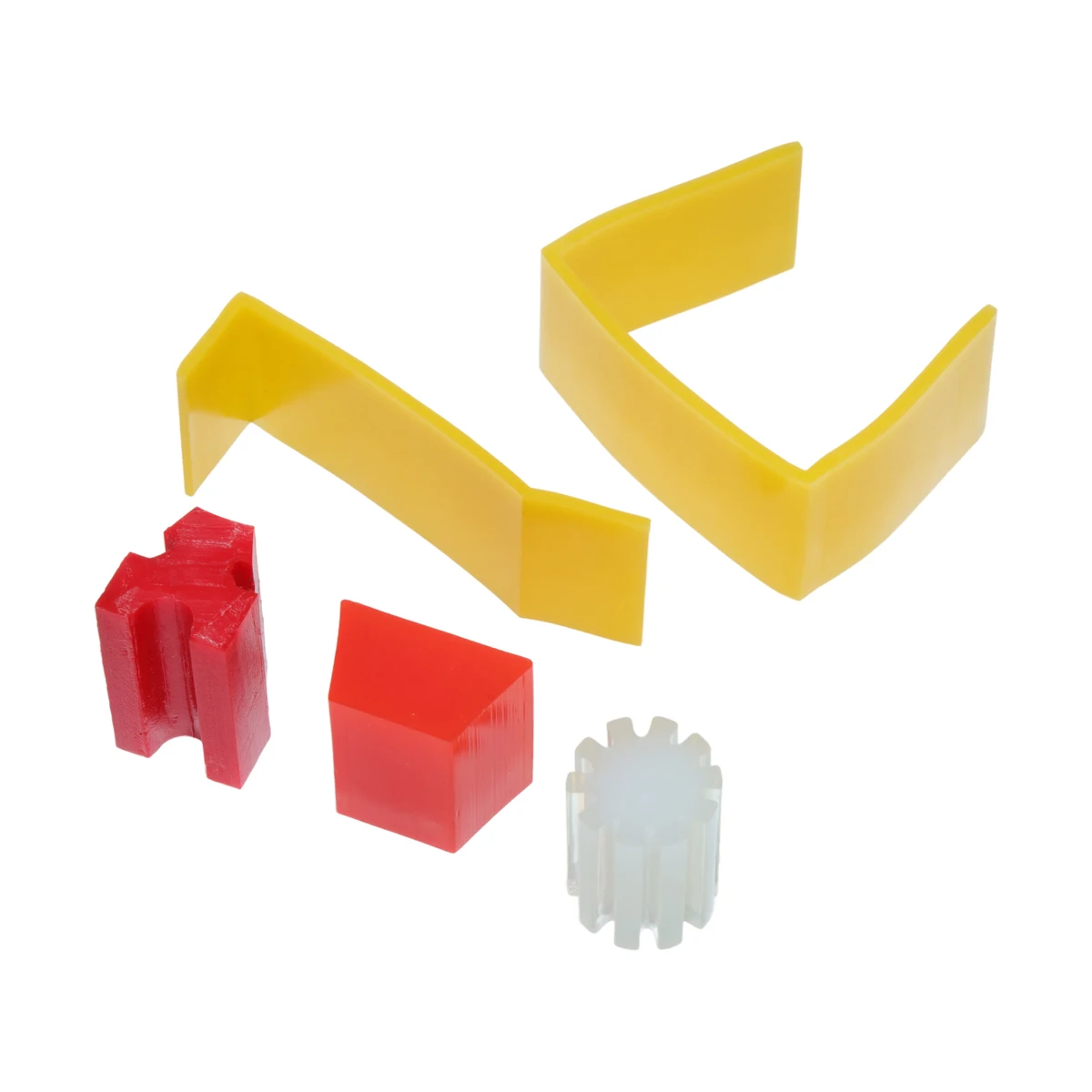
The effectiveness of polyurethane extruded profiles in airtight applications comes from the unique properties of high-density polyurethane foam and solid PU compounds. Unlike generic rubber or foam gaskets, polyurethane extruded profiles are manufactured through a continuous extrusion process that ensures dimensional consistency, controlled density, and repeatable cross-sectional shapes. This process allows polyurethane extruded profiles to be tailored precisely to the sealing geometry of any assembly, making them suitable for both standard and complex industrial applications where airtightness is critical.
The Material Science Behind High-Density Polyurethane Extruded Profiles
Why Density Matters for Airtight Performance
Not all polyurethane extruded profiles perform equally when it comes to air sealing. The density of the polyurethane compound directly governs how well the profile resists compression set, maintains its shape under load, and prevents air passage through micro-gaps. High-density polyurethane extruded profiles resist permanent deformation even after prolonged compression, which is essential for maintaining a durable seal over thousands of operational cycles. Lower-density alternatives may provide initial sealing but tend to lose their recovery properties over time, allowing air leakage to develop gradually.
When polyurethane extruded profiles are formulated at higher densities, the cellular or solid structure becomes more uniform and tightly packed. This means fewer open pathways for air molecules to travel through the material itself. High-density polyurethane extruded profiles therefore achieve airtightness through both geometric compression sealing at the joint surface and intrinsic material impermeability throughout the profile body. This dual mechanism makes high-density polyurethane extruded profiles significantly more effective than lower-density or open-cell foam alternatives in demanding sealing environments.
Extrusion Process and Dimensional Precision
The extrusion process used to manufacture polyurethane extruded profiles is fundamental to their sealing performance. During extrusion, PU material is forced through a precision-machined die that defines the exact cross-sectional shape of the profile. This means that polyurethane extruded profiles can be produced with highly specific geometries — such as D-shaped, P-shaped, T-shaped, or custom bulb profiles — that are designed to fill and seal particular joint configurations. The dimensional consistency achieved through extrusion ensures that every meter of polyurethane extruded profiles delivers the same sealing cross-section, eliminating the variable performance seen in hand-cut or molded alternatives. Cutting and processing services further allow polyurethane extruded profiles to be delivered in exact lengths or with custom-punched holes and mitered ends ready for direct assembly.
How to Apply Polyurethane Extruded Profiles for Airtight Results
Surface Preparation and Profile Selection
Achieving airtight insulation with polyurethane extruded profiles begins well before the profile is installed. Surface preparation is critical — mating surfaces must be clean, dry, and free from debris that could prevent full contact between the profile and the substrate. When selecting polyurethane extruded profiles for a specific application, engineers should evaluate the compression ratio required, the operating temperature range, and whether the profile needs to resist oils, chemicals, or UV exposure. Polyurethane extruded profiles are available in both closed-cell and solid PU formulations, each suited to different load and sealing conditions. Choosing the correct hardness and density of polyurethane extruded profiles for the application ensures that the material compresses adequately under assembly pressure without bottoming out or extruding from the joint.
Installation Techniques That Maximize Airtightness
Proper installation of polyurethane extruded profiles requires attention to compression percentage, joint geometry, and continuity of the seal. Polyurethane extruded profiles should be compressed to approximately 25–40% of their original cross-sectional height to activate the full sealing force without overstressing the material. In rectangular enclosures and panel assemblies, polyurethane extruded profiles must be installed continuously around the perimeter with carefully joined corners to eliminate air bypass points. Using adhesive-backed polyurethane extruded profiles simplifies installation and prevents profile displacement during assembly. For high-performance applications, polyurethane extruded profiles can be combined with mechanical fastening or clamping systems to maintain consistent compression across the entire sealing interface, ensuring that airtight insulation is sustained under vibration and thermal cycling conditions.
Industrial Applications of Polyurethane Extruded Profiles in Airtight Systems
Machinery Enclosures and Equipment Protection
In industrial machinery, polyurethane extruded profiles are widely used to seal access panels, doors, and covers where airtight compartmentalization is required for noise reduction, dust exclusion, or climate control. Polyurethane extruded profiles fitted around electrical cabinet doors prevent conditioned air from escaping and block ambient contaminants from entering sensitive components. The resilience of polyurethane extruded profiles means that repeated opening and closing of access panels does not compromise the seal over time. Custom-shaped polyurethane extruded profiles are particularly valuable in machinery protection, as standard off-the-shelf gaskets rarely match the precise joint geometries found in engineered equipment.
Refrigeration, HVAC, and Building Panels
Polyurethane extruded profiles play a critical role in refrigeration units and HVAC systems where thermal insulation and airtightness are directly linked to energy efficiency. Cold-room panels, refrigerated truck bodies, and air-handling units rely on polyurethane extruded profiles to seal the joints between insulated panels, preventing warm air infiltration that would increase cooling loads. In building construction, polyurethane extruded profiles are used in curtain wall systems and window frames to provide continuous air barriers. The combination of low thermal conductivity and high compression resilience makes polyurethane extruded profiles an ideal choice wherever airtight insulation must also contribute to overall energy performance of the system.
FAQ
What makes high-density polyurethane extruded profiles better for airtight sealing than standard foam?
High-density polyurethane extruded profiles offer superior airtight sealing because their tightly structured material resists permanent compression set and maintains consistent sealing force over time. Standard low-density foam profiles can collapse under sustained load, creating gaps that allow air infiltration. High-density polyurethane extruded profiles also exhibit lower gas permeability through the profile body itself, adding a second layer of air resistance beyond surface compression sealing.
Can polyurethane extruded profiles be customized for non-standard joint geometries?
Yes, polyurethane extruded profiles can be manufactured in virtually any cross-sectional shape by designing a custom extrusion die matched to the joint geometry. This means that polyurethane extruded profiles are not limited to standard shapes and can be produced as hollow bulb profiles, multi-lip seals, or composite co-extruded sections depending on the sealing requirement. Custom cutting and processing services allow polyurethane extruded profiles to be delivered pre-cut to specific lengths with any required secondary processing already completed.
How do I determine the correct compression for polyurethane extruded profiles in my application?
The correct compression for polyurethane extruded profiles depends on the profile hardness, the joint closing force available, and the required sealing pressure. As a general guideline, polyurethane extruded profiles should be compressed to between 25% and 40% of their free cross-sectional height. Compressing polyurethane extruded profiles beyond this range risks permanent deformation, while insufficient compression leaves gaps in the air seal. Consulting with the profile manufacturer and requesting compression-force data for specific polyurethane extruded profiles ensures the right specification is selected for reliable airtight performance.