EN
EN

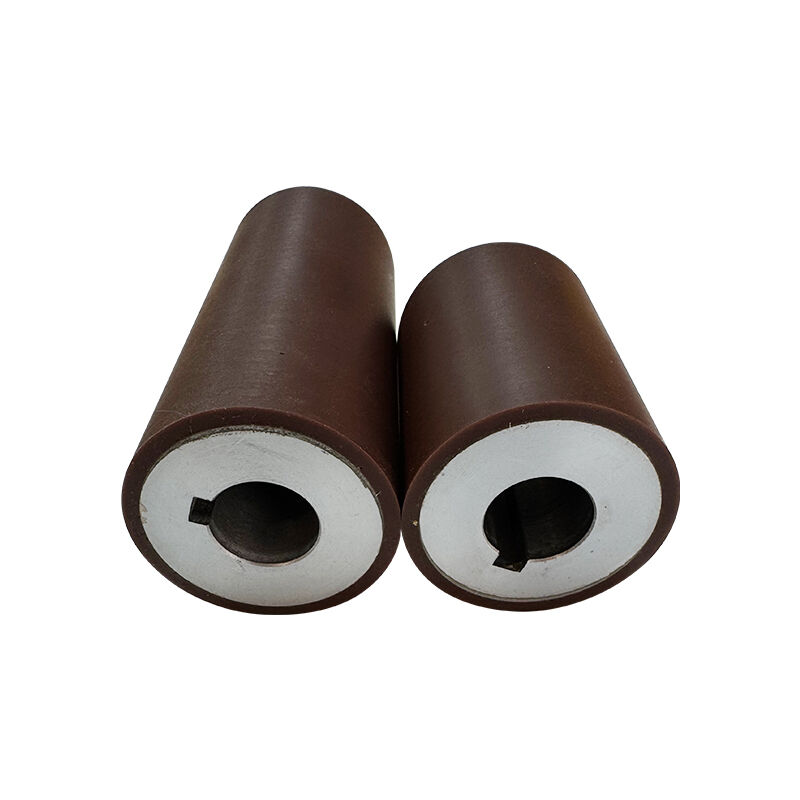
Mastering heavy-load precision in industrial applications requires understanding the fundamental principles that govern omnidirectional movement under substantial weight conditions. Industrial-grade mecanum wheels represent a sophisticated solution for achieving precise positioning while maintaining the ability to handle significant payload demands across manufacturing, warehousing, and automated systems. The key to mastering this technology lies in understanding how the unique roller configuration of industrial-grade mecanum wheels translates rotational forces into controlled omnidirectional movement patterns.
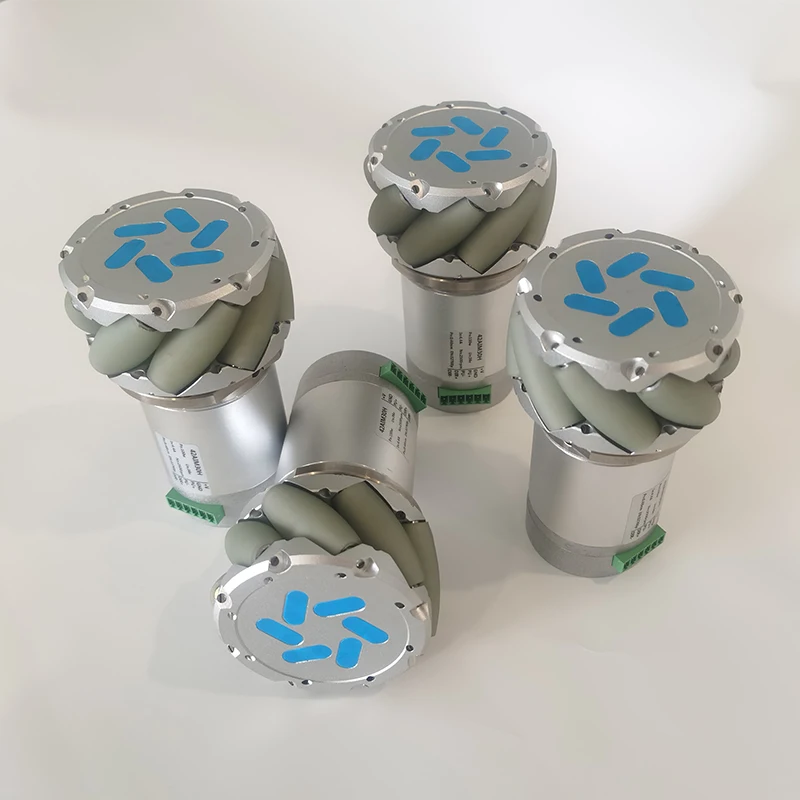
The precision capabilities of industrial-grade mecanum wheels depend on several critical engineering factors that distinguish professional-grade systems from basic implementations. These wheels utilize specially designed rollers positioned at precise 45-degree angles, creating a mechanical advantage that enables smooth translation of rotational motion into lateral, diagonal, and rotational movements while supporting heavy loads. Understanding the relationship between roller design, load distribution, and control algorithms forms the foundation for achieving the precision levels required in demanding industrial environments.
Understanding Load Distribution Mechanics in Industrial-Grade Mecanum Systems
Weight Distribution Principles Across Roller Arrays
The fundamental principle behind heavy-load precision with industrial-grade mecanum wheels involves understanding how weight distributes across the roller array during various movement patterns. Each roller within the mecanum wheel assembly bears a specific portion of the total load, and this distribution changes dynamically as the wheel moves in different directions. When moving laterally, the load shifts to specific rollers within the array, requiring careful consideration of roller material properties and bearing capacities to maintain precision under stress.
Professional implementations of industrial-grade mecanum wheels incorporate advanced bearing systems that can handle both radial and axial loads while maintaining rotational precision. The roller bearings must accommodate the angular forces generated during omnidirectional movement while supporting the vertical load imposed by heavy payloads. This dual-loading scenario requires specialized bearing configurations that differ significantly from traditional wheel assemblies, making proper bearing selection critical for achieving heavy-load precision.
Load distribution also affects the contact patch between rollers and the ground surface, influencing both traction characteristics and wear patterns. Industrial-grade mecanum wheels utilize optimized roller profiles that maintain consistent ground contact even under heavy loads, ensuring that precision control remains stable across the full range of payload conditions. The geometry of these contact patches directly impacts the system's ability to generate predictable forces for precise positioning movements.
Dynamic Load Response During Omnidirectional Movement
During omnidirectional movement with heavy loads, industrial-grade mecanum wheels experience complex force interactions that can significantly impact precision if not properly managed. The dynamic response characteristics of the wheel assembly determine how quickly and accurately the system can respond to control inputs while carrying substantial weight. This response behavior depends on the mechanical properties of the roller materials, the stiffness of the wheel structure, and the dampening characteristics of the overall assembly.
Heavy payloads create inertial effects that can cause precision drift if the industrial-grade mecanum wheels are not designed to accommodate these dynamic forces. Professional-grade systems incorporate structural elements that provide the necessary rigidity to maintain precise positioning while allowing for the compliance needed to accommodate minor surface irregularities. The balance between rigidity and compliance represents a critical design consideration for heavy-load applications.
The acceleration and deceleration capabilities of industrial-grade mecanum wheels under heavy load conditions require careful consideration of both mechanical limits and control system parameters. Rapid direction changes with heavy payloads can induce slip conditions that compromise precision, making it essential to understand the operational envelope within which precise movement can be maintained. This understanding enables operators to optimize movement profiles for maximum precision while respecting the physical limitations of the mechanical system.
Control System Integration for Precision Heavy-Load Operations
Sensor Feedback Systems for Load-Compensated Control
Achieving precision with industrial-grade mecanum wheels under heavy load conditions requires sophisticated sensor feedback systems that can detect and compensate for load-induced variations in movement characteristics. Position encoders, force sensors, and inertial measurement units work together to provide the control system with real-time information about the actual movement of the loaded platform. This sensor data enables the control algorithms to adjust motor commands to compensate for the effects of heavy loads on movement precision.
Load cells integrated into the platform structure provide direct measurement of payload weight and distribution, allowing the control system to adjust movement parameters based on actual load conditions. This load-aware control approach enables industrial-grade mecanum wheels to maintain consistent precision across a wide range of payload conditions. The control system can modify acceleration profiles, adjust for expected slip conditions, and compensate for load-induced changes in the center of gravity that might otherwise compromise positioning accuracy.
Advanced implementations incorporate predictive algorithms that anticipate the effects of load changes on system behavior, enabling proactive adjustments rather than reactive corrections. These predictive systems analyze historical movement data to identify patterns in load-induced behavior, allowing for more precise control strategies that account for the specific characteristics of individual industrial-grade mecanum wheels under various loading conditions.
Motor Control Algorithms for Heavy-Load Precision
The motor control algorithms used with industrial-grade mecanum wheels must account for the increased torque requirements and potential for wheel slip that occur under heavy load conditions. Advanced control strategies utilize torque vectoring techniques that optimize the distribution of driving forces across all four wheels to maximize traction and minimize slip-induced positioning errors. These algorithms continuously monitor motor current and encoder feedback to detect incipient slip conditions and adjust control parameters to maintain precision.
Precision control under heavy loads also requires sophisticated trajectory planning algorithms that consider the physical limitations imposed by increased inertia and reduced acceleration capabilities. The control system must generate movement profiles that respect these limitations while still achieving the required positioning accuracy. This involves optimizing acceleration and deceleration profiles to minimize overshoot and settling time while ensuring that forces remain within the traction limits of the industrial-grade mecanum wheels.
Feed-forward control techniques play a crucial role in maintaining precision with heavy loads by providing the motor controllers with advance knowledge of expected movement requirements. These techniques enable the control system to preemptively adjust for known load effects, reducing the reliance on feedback correction and improving overall system responsiveness. The combination of feed-forward and feedback control strategies provides the robust performance needed for precision applications with substantial payload demands.
Material Engineering and Surface Interface Optimization
Polyurethane Roller Design for Heavy-Load Applications
The polyurethane rollers used in industrial-grade mecanum wheels require specific material formulations to achieve the optimal balance of durability, traction, and precision under heavy load conditions. The durometer rating of the polyurethane must be carefully selected to provide sufficient load-bearing capacity while maintaining the compliance needed for effective ground contact and shock absorption. Higher durometer materials offer greater load capacity but may compromise traction and introduce vibrations that affect precision positioning.
Advanced polyurethane formulations incorporate reinforcement materials that enhance load-bearing capabilities without significantly increasing hardness. These reinforced compounds maintain the surface compliance needed for effective traction while providing the structural integrity required to support heavy loads without deformation. The manufacturing process for these specialized rollers involves precise molding techniques that ensure consistent material properties and dimensional accuracy across the entire roller surface.
The tread pattern and surface texture of polyurethane rollers significantly impact both traction characteristics and precision capabilities of industrial-grade mecanum wheels under heavy loads. Optimized tread designs enhance grip while minimizing rolling resistance and noise generation. The surface texture must provide adequate friction for precise control while allowing for smooth movement transitions during omnidirectional travel patterns.
Ground Surface Interaction and Traction Management
The interaction between industrial-grade mecanum wheels and the ground surface becomes increasingly critical as payload weight increases, requiring careful consideration of surface conditions and traction management strategies. Smooth concrete surfaces provide predictable traction characteristics but may become slippery under certain conditions, while textured surfaces offer enhanced grip but can introduce positioning variations that affect precision. Understanding these surface interactions enables better operational planning and surface preparation for precision applications.
Traction management involves not only the selection of appropriate roller materials but also the optimization of normal force distribution across the wheel array. Industrial-grade mecanum wheels must maintain consistent ground contact pressure to ensure predictable traction characteristics during omnidirectional movement. Variations in surface condition or wheel loading can create uneven traction that leads to positioning errors, making surface condition monitoring an important aspect of precision operation.
Environmental factors such as temperature, humidity, and surface contamination can significantly affect the traction characteristics of industrial-grade mecanum wheels, particularly under heavy load conditions. Operating procedures must account for these variables and include appropriate monitoring and maintenance protocols to ensure consistent precision performance. Regular surface cleaning, wheel inspection, and environmental monitoring help maintain the optimal conditions needed for heavy-load precision applications.
Maintenance Strategies for Sustained Heavy-Load Precision
Preventive Maintenance Protocols for Load-Bearing Components
Maintaining precision performance in industrial-grade mecanum wheels under heavy load conditions requires comprehensive preventive maintenance protocols that address the unique wear patterns and stress concentrations associated with omnidirectional movement. The roller bearings represent critical wear points that require regular inspection and lubrication to maintain smooth operation and prevent precision degradation. Bearing wear can introduce play and vibration that directly compromise positioning accuracy, making bearing condition monitoring essential for sustained performance.
The polyurethane rollers themselves require periodic inspection for signs of wear, deformation, or surface damage that could affect traction and precision characteristics. Heavy loads accelerate wear patterns and can cause permanent deformation if operating limits are exceeded. Regular measurement of roller dimensions and surface condition helps identify developing issues before they impact system precision. Replacement criteria should be established based on dimensional tolerances rather than complete failure to maintain optimal performance.
Motor and drive system maintenance becomes more critical with heavy-load applications due to the increased thermal and mechanical stresses imposed by higher torque requirements. Regular monitoring of motor temperatures, current consumption, and performance characteristics helps identify developing issues that could affect precision control. Encoder systems require particular attention as any degradation in position feedback accuracy directly impacts the system's ability to maintain precise positioning under load.
Performance Monitoring and Optimization Techniques
Continuous performance monitoring enables early detection of precision degradation in industrial-grade mecanum wheels operating under heavy loads. Data logging systems that record positioning accuracy, repeatability, and response characteristics provide valuable insights into system performance trends and help identify optimal operating parameters. This data can reveal subtle changes in performance that indicate developing maintenance needs before they become critical issues.
Calibration procedures for heavy-load precision applications must account for the effects of payload weight on system behavior. Regular recalibration ensures that control algorithms accurately reflect current system characteristics and compensate for any changes due to wear or component aging. These calibration procedures should include testing under various load conditions to verify that precision capabilities remain within acceptable limits across the full operational range.
Performance optimization involves not only maintaining existing capabilities but also identifying opportunities to enhance precision through operational adjustments. Analysis of movement patterns, load distributions, and environmental conditions can reveal optimization opportunities that improve overall system performance. Regular performance reviews enable continuous improvement in heavy-load precision capabilities while extending the service life of industrial-grade mecanum wheels.
FAQ
What load capacity can industrial-grade mecanum wheels handle while maintaining precision?
Industrial-grade mecanum wheels can typically handle loads ranging from 500 to 5000 pounds per wheel while maintaining precision, depending on the specific design and materials used. The actual load capacity for precision applications depends on factors such as roller material properties, bearing specifications, wheel diameter, and the required level of positioning accuracy. Higher precision requirements generally reduce the practical load capacity, as increased weight can introduce vibrations and compliance effects that compromise positioning accuracy.
How do you compensate for load-induced positioning errors in mecanum wheel systems?
Load-induced positioning errors in industrial-grade mecanum wheels are compensated through advanced control algorithms that incorporate load feedback and predictive modeling. The control system adjusts motor commands based on actual payload weight and distribution, modifies acceleration profiles to account for increased inertia, and implements feed-forward compensation for known load effects. Additionally, sensor feedback systems continuously monitor actual position and make real-time corrections to maintain precision despite load variations.
What maintenance intervals are recommended for heavy-load mecanum wheel applications?
Heavy-load applications with industrial-grade mecanum wheels typically require bearing inspection and lubrication every 500-1000 operating hours, roller condition assessment every 200-500 hours, and comprehensive system calibration every 1000-2000 hours. These intervals may need to be shortened based on operating conditions, load factors, and environmental exposure. Critical applications may require more frequent monitoring to ensure continuous precision performance, particularly in environments with contamination or extreme temperatures.
Can industrial-grade mecanum wheels maintain precision on inclined surfaces under heavy loads?
Industrial-grade mecanum wheels can maintain precision on moderate inclines under heavy loads, typically up to 3-5 degrees depending on the load weight and traction conditions. The inclined operation introduces additional forces that affect both traction and positioning accuracy, requiring enhanced control algorithms and potentially upgraded motors to maintain precision. Steeper inclines may require specialized wheel designs with enhanced traction features or reduced load limits to preserve positioning accuracy.
Table of Contents
- Understanding Load Distribution Mechanics in Industrial-Grade Mecanum Systems
- Control System Integration for Precision Heavy-Load Operations
- Material Engineering and Surface Interface Optimization
- Maintenance Strategies for Sustained Heavy-Load Precision
-
FAQ
- What load capacity can industrial-grade mecanum wheels handle while maintaining precision?
- How do you compensate for load-induced positioning errors in mecanum wheel systems?
- What maintenance intervals are recommended for heavy-load mecanum wheel applications?
- Can industrial-grade mecanum wheels maintain precision on inclined surfaces under heavy loads?