EN
EN

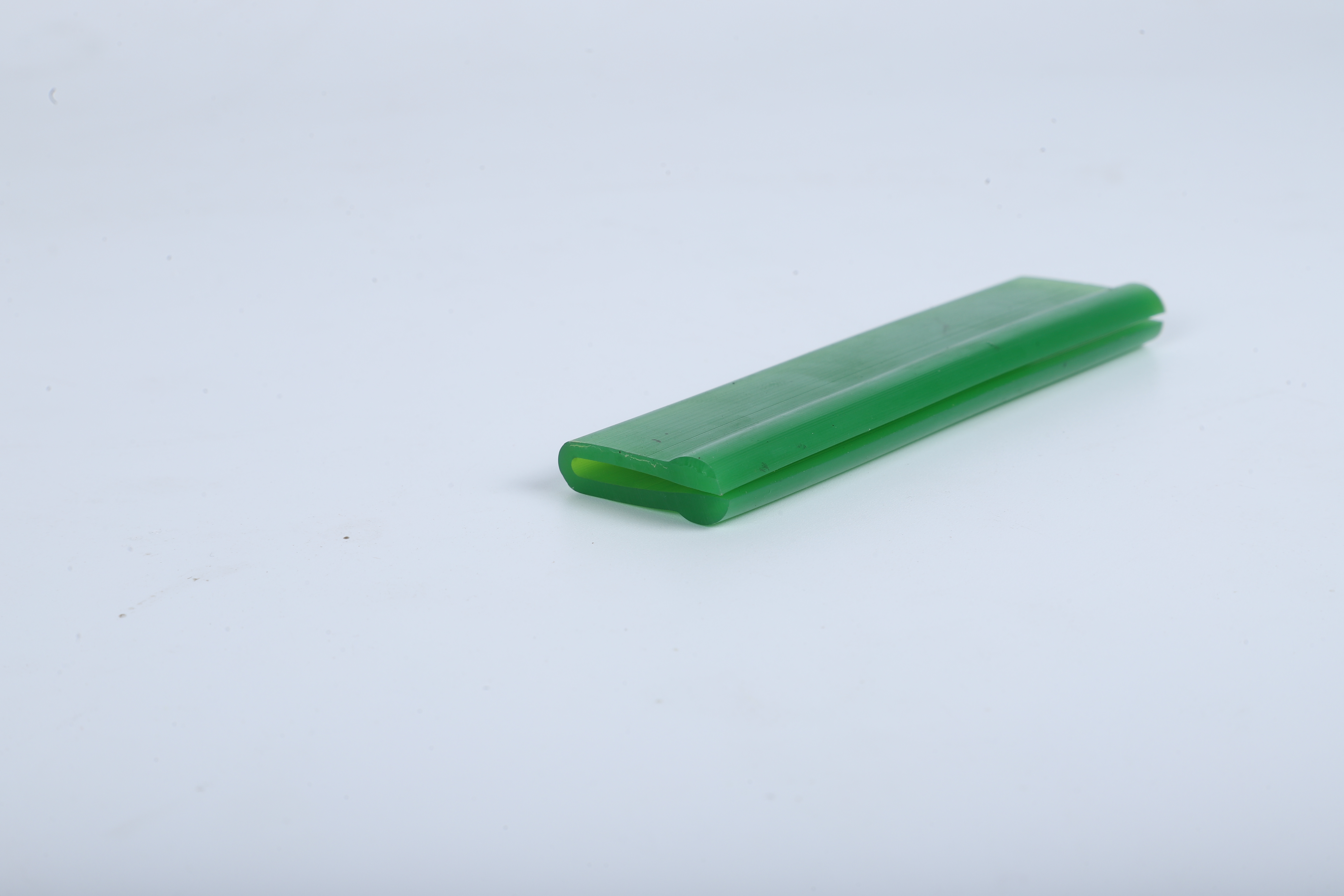
Polyurethane bumpers represent one of the most effective solutions for protecting equipment, machinery, and infrastructure from damaging impact forces. Unlike rigid materials that transfer shock directly to connected components, polyurethane bumpers absorb and dissipate energy through a sophisticated molecular mechanism that makes them indispensable in industrial and commercial applications. Understanding how polyurethane bumpers function at the material science level reveals why they have become the preferred choice for engineers and facility managers seeking long-term damage prevention and operational continuity.
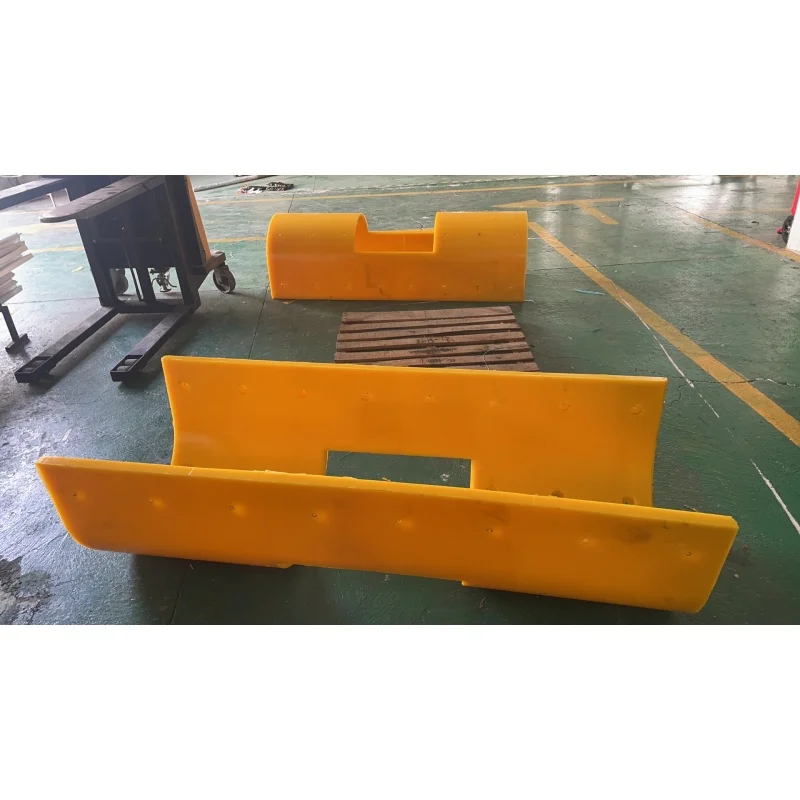
The engineering behind polyurethane bumpers combines polymer chemistry with practical physics to create a material that performs consistently across extreme conditions. Whether protecting loading dock equipment, vehicle platforms, or machinery assemblies, polyurethane bumpers deliver measurable protection while maintaining their structural integrity over years of continuous use. This article explores the scientific principles that make polyurethane bumpers so effective and examines why their performance characteristics have made them the standard solution in demanding industrial environments.
The Molecular Structure and Energy Dissipation Science
How Polymer Chains Absorb Impact Forces
Polyurethane bumpers function through a distinct energy absorption mechanism rooted in their polymer structure. The material consists of long-chain molecules linked by urethane bonds, creating a three-dimensional network that remains flexible while maintaining structural integrity. When impact forces strike polyurethane bumpers, the polymer chains compress and temporarily deform, converting kinetic energy into internal molecular motion rather than transmitting it to adjacent structures. This conversion process happens instantaneously but distributes force over an extended compression phase, significantly reducing peak stress that would otherwise damage equipment or create operational downtime.
Elasticity and Recovery Characteristics
The elasticity of polyurethane bumpers enables them to return to their original shape after absorbing impact, making them suitable for repeated collision scenarios. Unlike materials that permanently deform or crack under stress, polyurethane bumpers maintain their shape memory and remain functional through thousands of impact cycles. This recovery property depends on the material's molecular cross-linking density and formulation chemistry. Premium polyurethane bumpers manufactured with optimized cross-link density restore their shape completely within seconds, ready to absorb subsequent impacts without degradation. The combination of immediate energy absorption and reliable elastic recovery distinguishes polyurethane bumpers from elastomers with lower performance ratings or rigid buffer materials that require replacement after few impacts.
Material Properties That Enable Superior Impact Protection
Hardness, Compression, and Durability Balance
Polyurethane bumpers achieve their performance through carefully engineered hardness ratings, measured on the Shore A scale, which range typically from 60 to 90 depending on the application requirements. Lower hardness ratings maximize energy absorption for sensitive equipment protection, while higher ratings provide extended durability in high-impact environments. The material's compression set, which measures permanent deformation after stress, remains exceptionally low in quality polyurethane bumpers, typically under 15 percent after prolonged use. This means polyurethane bumpers maintain reliable force distribution throughout their operational lifespan. The durability of polyurethane bumpers stems from their resistance to ozone, UV radiation, and thermal fluctuations that degrade inferior elastomers. Industrial polyurethane bumpers perform consistently whether exposed to harsh outdoor conditions, extreme temperatures, or chemical environments.
Chemical Resistance and Environmental Stability
A defining advantage of polyurethane bumpers involves their exceptional chemical resistance compared to standard rubber or foam materials. Polyurethane bumpers resist degradation from mineral oils, solvents, hydraulic fluids, and industrial cleaning agents that would deteriorate conventional buffer materials. This chemical stability makes polyurethane bumpers ideal for warehouses, refineries, manufacturing facilities, and maritime applications where exposure to petroleum products, caustic substances, or corrosive chemicals occurs regularly. The material matrix of polyurethane bumpers remains stable across pH ranges from strongly acidic to alkaline conditions, ensuring consistent performance regardless of environmental exposure. Premium formulations of polyurethane bumpers incorporate additional additives that enhance UV stability and thermal endurance, allowing them to function reliably in outdoor applications for extended periods without requiring protective coatings or additional maintenance.
Engineering Applications and Performance Advantages
Loading Dock and Material Handling Protection
Polyurethane bumpers excel in loading dock environments where forklifts, pallet jacks, and vehicles create continuous impact stress on facility infrastructure. Installing polyurethane bumpers on dock corners, edge protectors, and stationary equipment prevents collisions from damaging building structures and extends equipment service life. The force-dampening properties of polyurethane bumpers reduce operational noise, improving workplace environment quality while protecting personnel from shock-related injuries. Material handling operations benefit significantly from polyurethane bumpers because they prevent product damage during transfer and loading cycles. The controlled deceleration that polyurethane bumpers provide protects fragile goods from vibration and shock that would compromise product quality or cause packaging damage.
Machinery and Equipment Safety Systems
Manufacturing facilities and automated systems integrate polyurethane bumpers as critical safety components that prevent equipment collision damage and protect personnel. Polyurethane bumpers mounted on automated guided vehicles, robotic systems, and conveyor endpoints absorb impact energy that would otherwise cause expensive repairs or safety incidents. The predictable force distribution of polyurethane bumpers allows engineers to calculate safe operating speeds and collision scenarios with precision. Industrial machinery manufacturers specify polyurethane bumpers as standard components because their consistent performance reduces liability exposure and improves operational reliability. Polyurethane bumpers also provide acoustic dampening in high-speed environments, reducing noise pollution that contributes to worker fatigue and hearing damage.
Vehicle Platform and Transportation Applications
Polyurethane bumpers serve essential functions in vehicle loading platforms, shipping containers, and transportation systems where cargo protection and equipment safety require reliable buffer solutions. Heavy-duty polyurethane bumpers absorb impact energy from vehicle movements, dock contact, and transport-related vibration, protecting both cargo integrity and vehicle components. Marine and rail applications utilize specialized polyurethane bumpers formulated to resist saltwater corrosion and maintain performance in temperature-extreme environments. The predictable force absorption of polyurethane bumpers enables logistics companies to design safer loading procedures that reduce damage claims and insurance costs. Custom polyurethane bumpers can be manufactured in specialized shapes and sizes to fit unique equipment configurations, ensuring optimal protection across diverse transportation scenarios.
FAQ
What makes polyurethane bumpers superior to rubber or foam alternatives for impact protection?
Polyurethane bumpers outperform rubber and foam materials through superior energy absorption capacity, faster elastic recovery, and exceptional chemical resistance. Unlike rubber that degrades when exposed to oils and solvents, polyurethane bumpers maintain structural integrity in harsh industrial environments. Foam materials compress permanently and lose effectiveness quickly, while polyurethane bumpers retain their shock-absorbing properties through thousands of impact cycles. The engineered hardness of polyurethane bumpers allows precise tuning for specific application requirements, delivering optimal performance without material substitution or compromise.
How long do polyurethane bumpers typically remain effective in industrial environments?
Quality polyurethane bumpers maintain reliable performance for 5 to 10 years or longer in typical industrial applications, with lifespan depending on impact frequency, environmental exposure, and material formulation. Polyurethane bumpers resist degradation from UV radiation, ozone, extreme temperatures, and chemical exposure that would compromise inferior materials within 2 to 3 years. Regular visual inspection identifies surface wear early, allowing preventive replacement before performance decline affects equipment safety. Premium industrial-grade polyurethane bumpers engineered with enhanced formulations often exceed 10-year service life, making them cost-effective solutions that reduce total replacement cycles and maintenance labor.
Can polyurethane bumpers be customized for specialized equipment protection needs?
Custom polyurethane bumpers can be manufactured in virtually any shape, size, thickness, and hardness rating to match specific equipment protection requirements. Specialized formulations of polyurethane bumpers address unique challenges such as extreme temperature exposure, unusual chemical environments, or unusual impact geometry. Custom cutting and molding services allow polyurethane bumpers to integrate seamlessly into existing equipment without requiring modifications to surrounding structures. This customization capability makes polyurethane bumpers suitable for unique industrial applications, legacy equipment protection, and specialized machinery where standard buffer solutions prove inadequate.