EN
EN

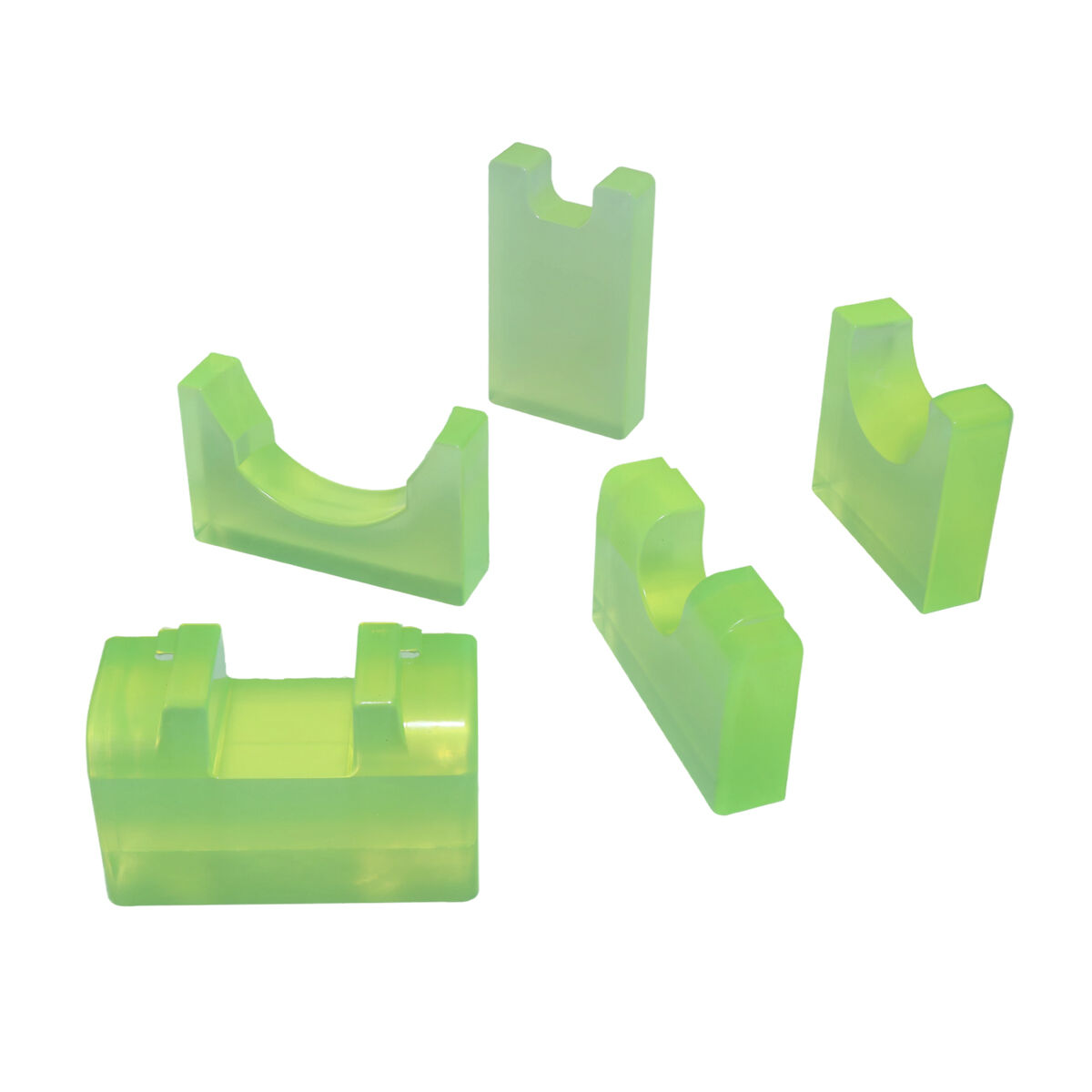
Industrial machinery noise and vibration present significant challenges across manufacturing environments, affecting both operational efficiency and worker safety. Modern industrial facilities increasingly rely on advanced materials to address these concerns, with polyurethane vibration dampers emerging as a critical solution for noise reduction and mechanical stability. These specialized components provide superior dampening characteristics while maintaining durability under demanding operational conditions.
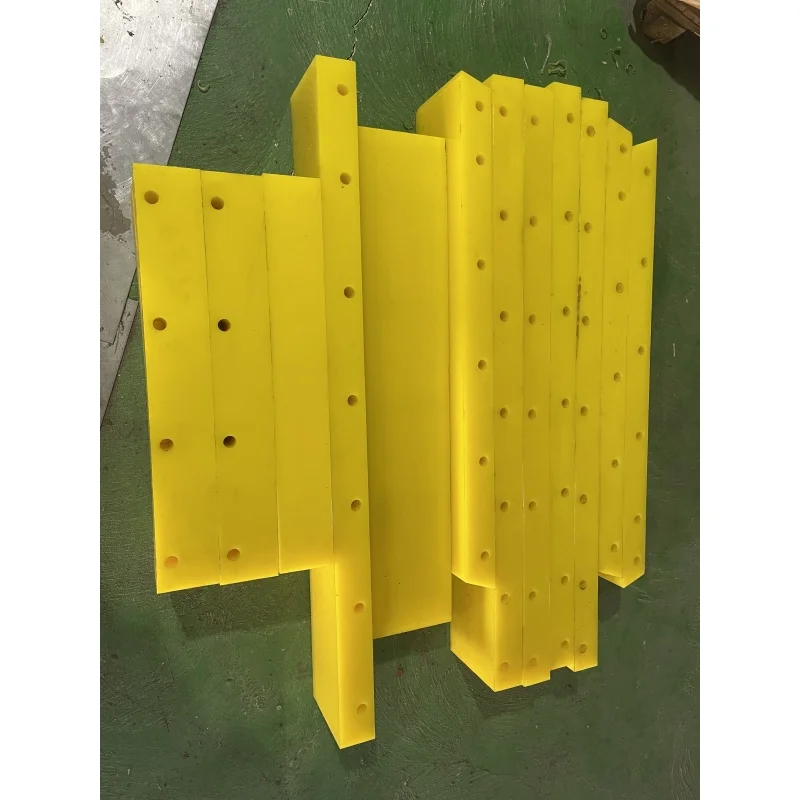
The implementation of high-grade polyurethane materials in vibration control applications has revolutionized how industries approach noise management and equipment longevity. Manufacturing facilities that integrate polyurethane vibration dampers experience measurable improvements in acoustic performance, reduced maintenance requirements, and enhanced worker comfort. Understanding the fundamental properties and applications of these materials enables engineers to make informed decisions regarding vibration control strategies.
Understanding Polyurethane Material Properties for Vibration Control
Chemical Composition and Structural Characteristics
Polyurethane exhibits unique molecular characteristics that make it exceptionally suitable for vibration dampening applications. The polymer chains within polyurethane create a flexible yet resilient structure capable of absorbing and dissipating mechanical energy efficiently. This molecular arrangement allows polyurethane vibration dampers to maintain their dampening properties across wide temperature ranges while resisting degradation from repeated stress cycles.
The crosslinked structure of high-grade polyurethane provides excellent elastic recovery, ensuring that dampening components return to their original shape after compression or deformation. This characteristic is particularly important in applications where machinery generates continuous or intermittent vibrations. The material's ability to maintain consistent performance under varying load conditions makes it superior to traditional rubber or foam alternatives.
Mechanical Properties and Performance Characteristics
High-grade polyurethane demonstrates exceptional tensile strength and tear resistance, properties that directly translate to enhanced durability in industrial applications. These mechanical characteristics enable polyurethane vibration dampers to withstand the rigorous demands of heavy machinery while maintaining their dampening effectiveness over extended operational periods. The material's resistance to abrasion and chemical exposure further extends component lifespan.
The viscoelastic properties of polyurethane allow it to effectively convert kinetic energy from vibrations into heat energy, which is then dissipated harmlessly. This energy conversion mechanism is fundamental to the noise reduction capabilities of polyurethane-based dampening systems. The material's ability to operate effectively across various frequencies makes it versatile for diverse industrial applications.
Applications in Industrial Noise and Vibration Reduction
Heavy Machinery and Equipment Isolation
Manufacturing facilities commonly employ polyurethane vibration dampers to isolate heavy machinery from building structures and adjacent equipment. These applications include mounting systems for presses, compressors, generators, and other industrial equipment that generate significant vibrations during operation. The strategic placement of dampening components effectively breaks the transmission path of vibrational energy, reducing noise propagation throughout the facility.
Large-scale industrial machinery benefits particularly from custom-molded polyurethane dampening solutions that can accommodate specific dimensional and load requirements. These specialized components provide optimal contact surface area while maintaining the precise dampening characteristics needed for effective vibration control. The ability to customize polyurethane formulations allows engineers to tailor material properties to specific operational conditions.
Conveyor Systems and Material Handling
Conveyor systems in manufacturing and distribution facilities generate substantial noise and vibration, particularly at transfer points and drive mechanisms. Polyurethane vibration dampers installed at critical points along conveyor systems significantly reduce noise levels while protecting mechanical components from excessive wear. These applications demonstrate the material's effectiveness in continuous-operation environments.
The installation of polyurethane dampening components in material handling systems extends beyond noise reduction to include improved product quality and reduced maintenance requirements. By minimizing vibrations transmitted through conveyor structures, these systems experience less mechanical stress and require fewer repairs or component replacements. This translates to reduced operational costs and improved production uptime.
Design Considerations for Optimal Performance
Load Distribution and Contact Surface Optimization
Effective implementation of polyurethane vibration dampers requires careful consideration of load distribution patterns and contact surface geometry. The material's performance characteristics vary significantly based on the compression ratio and contact area, making proper sizing crucial for optimal dampening effectiveness. Engineers must analyze the specific load profiles and vibration frequencies present in each application to select appropriate dampening configurations.
Custom molding capabilities allow for the creation of polyurethane dampening components with optimized contact surfaces that maximize energy absorption while minimizing stress concentrations. This design flexibility enables the development of solutions tailored to unique machinery configurations and operational requirements. The ability to incorporate mounting features directly into the polyurethane component simplifies installation and ensures proper alignment.
Environmental Factors and Material Selection
Industrial environments present various challenges that must be considered when selecting polyurethane formulations for vibration dampening applications. Temperature extremes, chemical exposure, and moisture conditions can all affect material performance and longevity. High-grade polyurethane formulations are specifically engineered to maintain their dampening properties under these challenging conditions.
The selection of appropriate polyurethane durometer ratings is critical for achieving optimal performance in specific applications. Softer formulations provide enhanced dampening at lower frequencies but may lack the load-bearing capacity required for heavy machinery. Conversely, harder formulations offer superior load capacity but may not provide adequate dampening for certain vibration frequencies. Professional assessment ensures optimal material selection.
Installation and Maintenance Best Practices
Proper Installation Techniques
Successful implementation of polyurethane vibration dampers requires adherence to proper installation procedures that ensure optimal contact between dampening components and machinery. Proper surface preparation, alignment verification, and torque specifications are critical factors that directly impact system performance. Installation teams must understand the specific requirements for each type of polyurethane dampening component.
The installation process should include verification of proper load distribution across all dampening points to prevent uneven wear and ensure consistent performance. Monitoring systems can be implemented to track vibration levels before and after installation, providing quantitative verification of system effectiveness. This data proves valuable for ongoing optimization efforts and future installations.
Maintenance Schedules and Performance Monitoring
While polyurethane vibration dampers require minimal maintenance compared to alternative solutions, regular inspection schedules help ensure continued optimal performance. Visual inspections should focus on signs of unusual wear, cracking, or deformation that might indicate improper loading or environmental factors affecting material performance. Early detection of potential issues prevents more significant problems from developing.
Performance monitoring should include periodic vibration measurements to verify that dampening systems continue to meet design specifications. Changes in measured vibration levels may indicate component wear or changes in machinery operation that require attention. Establishing baseline measurements during initial installation provides reference points for ongoing performance evaluation.
Economic Benefits and Return on Investment
Operational Cost Reductions
The implementation of effective vibration control systems using polyurethane vibration dampers generates measurable economic benefits through reduced operational costs. These savings manifest in multiple areas including decreased maintenance requirements, extended equipment lifespan, and reduced energy consumption. The dampening of mechanical vibrations reduces wear on machinery components, resulting in fewer repairs and longer intervals between major overhauls.
Energy efficiency improvements result from reduced mechanical losses in dampened systems, as vibrations represent wasted energy that could otherwise contribute to productive work. Additionally, the reduction in noise levels may eliminate the need for additional acoustic treatments or sound barriers, representing direct cost savings. These accumulated benefits typically result in payback periods of less than two years for most installations.
Productivity and Quality Improvements
Noise reduction achieved through polyurethane vibration dampers creates more comfortable working environments that contribute to improved worker productivity and satisfaction. Studies consistently demonstrate that excessive workplace noise reduces concentration and increases error rates, making vibration control systems valuable investments in human capital. The improved working conditions also support compliance with occupational health and safety regulations.
Product quality improvements often result from reduced vibrations in manufacturing processes, particularly in precision assembly operations or sensitive testing procedures. The stability provided by effective dampening systems enables more accurate machining, assembly, and measurement operations. These quality improvements translate directly to reduced waste, fewer defects, and enhanced customer satisfaction.
FAQ
What makes polyurethane superior to rubber for vibration dampening applications
Polyurethane offers superior durability, chemical resistance, and load-bearing capacity compared to traditional rubber materials. The material maintains its dampening properties across wider temperature ranges and resists degradation from oils, chemicals, and ozone exposure commonly found in industrial environments. Polyurethane vibration dampers also provide more consistent performance over extended operational periods, reducing maintenance requirements and replacement frequency.
How do I determine the correct durometer rating for my specific application
Durometer selection depends on the specific load requirements, vibration frequencies, and environmental conditions of your application. Softer durometers provide better dampening for low-frequency vibrations but have lower load capacity, while harder durometers offer superior load-bearing capability but may be less effective at certain frequencies. Professional engineering assessment considering your specific operational parameters ensures optimal material selection for maximum effectiveness.
What is the typical lifespan of polyurethane vibration dampers in industrial applications
High-quality polyurethane vibration dampers typically provide 5-10 years of effective service in standard industrial applications, with some installations lasting significantly longer under optimal conditions. Actual lifespan depends on factors including load conditions, environmental exposure, installation quality, and maintenance practices. Regular inspection and proper installation significantly extend component life while maintaining optimal dampening performance.
Can polyurethane vibration dampers be customized for unique machinery configurations
Yes, polyurethane vibration dampers can be custom-molded to accommodate virtually any machinery configuration or mounting requirement. Custom solutions allow for optimized contact surfaces, integrated mounting features, and specific dimensional requirements that standard components cannot provide. This customization capability enables optimal performance in challenging applications while simplifying installation and ensuring proper fit.
Table of Contents
- Understanding Polyurethane Material Properties for Vibration Control
- Applications in Industrial Noise and Vibration Reduction
- Design Considerations for Optimal Performance
- Installation and Maintenance Best Practices
- Economic Benefits and Return on Investment
-
FAQ
- What makes polyurethane superior to rubber for vibration dampening applications
- How do I determine the correct durometer rating for my specific application
- What is the typical lifespan of polyurethane vibration dampers in industrial applications
- Can polyurethane vibration dampers be customized for unique machinery configurations