EN
EN

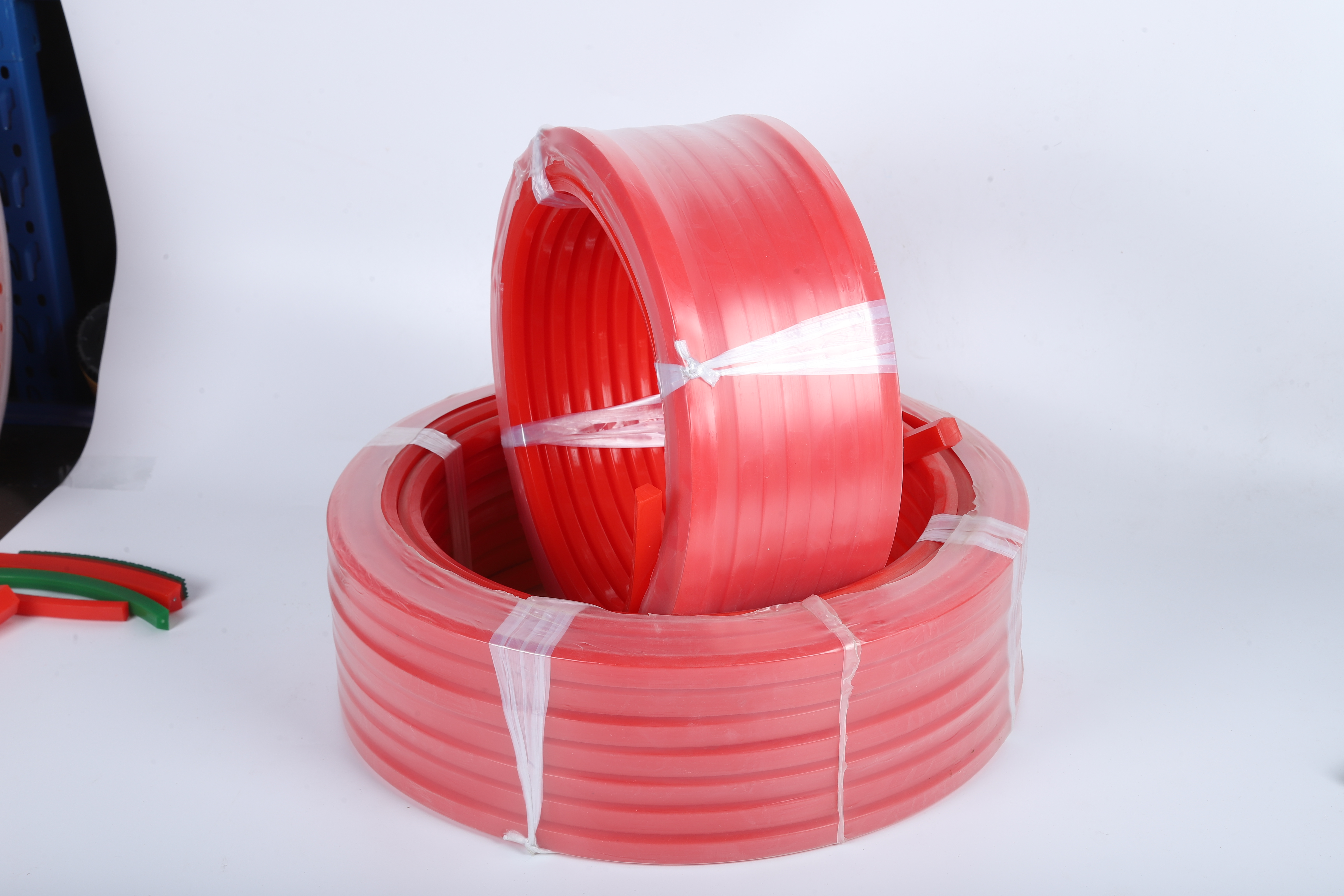
Power transmission systems form the backbone of industrial machinery, where reliability and efficiency determine operational success. Modern manufacturing facilities depend heavily on belt-driven systems to transfer mechanical energy from motors to various components. Understanding how v-belts and round belts deliver consistent power transmission becomes crucial for maintaining optimal equipment performance across diverse industrial applications.
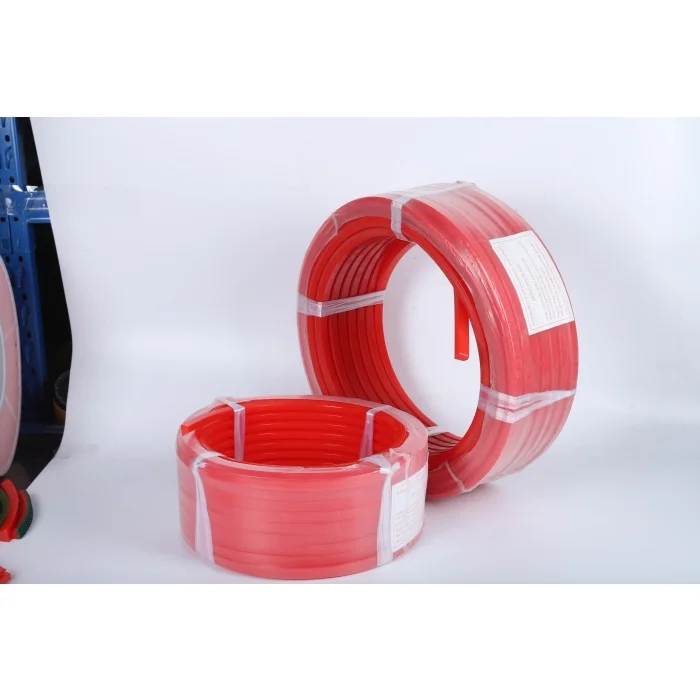
The engineering principles behind v-belts and round belts create distinct advantages for different operational requirements. These transmission components operate through friction-based mechanisms that convert rotational motion while maintaining precise speed ratios. Industrial engineers recognize that proper belt selection directly impacts equipment longevity, energy consumption, and maintenance schedules throughout the operational lifecycle.
Fundamental Design Principles of Belt Drive Systems
Geometric Configuration and Load Distribution
V-belts feature trapezoidal cross-sections that wedge into matching pulley grooves, creating enhanced grip through mechanical advantage. This wedging action multiplies the normal force between belt surfaces and pulley walls, resulting in superior torque transmission capabilities. The angled sidewalls of v-belts distribute loads across multiple contact points, reducing stress concentrations that could lead to premature failure.
Round belts utilize circular cross-sections that contact pulleys along curved surfaces, providing smooth operation with minimal vibration. The uniform geometry of round belts enables consistent flex patterns during operation, making them ideal for applications requiring precise positioning or delicate handling. This design characteristic makes round belts particularly suitable for light-duty applications where smooth motion takes precedence over maximum power transmission.
Material Composition and Performance Characteristics
Modern v-belts and round belts incorporate advanced polymer compounds that deliver exceptional durability under demanding operating conditions. Polyurethane formulations provide excellent resistance to oil, chemicals, and temperature extremes while maintaining flexibility across wide temperature ranges. The tensile strength of these materials ensures reliable power transmission even when subjected to shock loads or variable operating speeds.
Reinforcement systems within belt structures contribute significantly to overall performance capabilities. High-strength cord materials, including aramid fibers and steel cables, provide dimensional stability while preventing belt stretch under load. These reinforcement elements work in conjunction with elastomeric compounds to create composite structures that balance flexibility with strength requirements.
Power Transmission Mechanisms and Efficiency Factors
Friction Dynamics and Slip Characteristics
The power transmission effectiveness of v-belts and round belts depends primarily on friction forces generated between belt surfaces and pulley contact areas. Static friction coefficients determine the maximum torque that can be transmitted before slip occurs, while kinetic friction affects efficiency during normal operation. Understanding these friction dynamics enables engineers to optimize belt tension and pulley design for maximum power transfer efficiency.
Controlled slip characteristics provide built-in overload protection that prevents damage to driven equipment during abnormal operating conditions. When torque demands exceed design limits, v-belts and round belts allow controlled slippage rather than transmitting destructive forces to downstream components. This inherent safety feature makes belt drives preferable to rigid coupling systems in applications where equipment protection is paramount.
Speed Ratio Control and Precision
Belt drive systems offer flexible speed ratio adjustment through pulley diameter selection, enabling precise speed control without complex gearing mechanisms. The relationship between driving and driven pulley diameters determines output speeds with mathematical precision, allowing engineers to achieve exact speed requirements for specific applications. V-belts and round belts maintain these speed ratios consistently throughout their service life when properly maintained.
Variable speed capabilities become possible when v-belts and round belts operate with adjustable pulley systems. These configurations enable continuous speed adjustment during operation, providing process control flexibility that fixed-ratio systems cannot match. Modern variable speed drives incorporate sophisticated control algorithms that maintain optimal belt tension across the entire speed range.
Industrial Applications and Performance Requirements
Manufacturing and Production Equipment
Packaging machinery relies heavily on v-belts and round belts to coordinate multiple moving components with precise timing relationships. Conveyor systems, filling machines, and sealing equipment depend on consistent power transmission to maintain production rates and product quality standards. The smooth operation characteristics of these belt systems minimize vibration that could affect sensitive packaging processes or delicate products.
Printing machinery represents another critical application where v-belts and round belts ensure accurate registration and consistent web tension throughout multi-color printing processes. The precision achievable with properly designed belt drives enables high-quality printing at maximum production speeds. Temperature stability becomes particularly important in printing applications where dimensional changes could affect print registration accuracy.
HVAC and Building Systems
Heating, ventilation, and air conditioning systems utilize v-belts and round belts to drive fans, blowers, and compressors that maintain comfortable indoor environments. The quiet operation characteristics of belt drives make them ideal for occupied spaces where noise levels must be minimized. Energy efficiency considerations drive the selection of high-performance belt materials that reduce power consumption while maintaining reliable operation.
Building automation systems increasingly depend on precision belt drives to operate dampers, valves, and other control devices that regulate environmental conditions. The positioning accuracy achievable with round belts enables precise control of these components, contributing to overall system efficiency and occupant comfort. Maintenance accessibility becomes crucial in these applications where service interruptions must be minimized.
Maintenance Strategies and Optimization Techniques
Inspection Protocols and Preventive Care
Regular inspection routines for v-belts and round belts focus on detecting early signs of wear, damage, or misalignment that could lead to unexpected failures. Visual examination reveals cracking, fraying, or glazing conditions that indicate replacement needs before catastrophic failure occurs. Tension measurements using calibrated instruments ensure that belt systems operate within optimal tension ranges for maximum efficiency and service life.
Pulley alignment verification prevents premature belt wear and ensures even load distribution across belt width. Misaligned pulleys create side loads that accelerate belt deterioration and reduce power transmission efficiency. Laser alignment tools enable precise pulley positioning that maximizes belt performance and extends replacement intervals significantly.
Performance Monitoring and Optimization
Vibration analysis techniques detect developing problems in belt drive systems before they cause equipment damage or production interruptions. Frequency analysis of vibration signatures reveals specific fault conditions such as belt resonance, pulley imbalance, or bearing deterioration. Trending analysis of vibration data enables predictive maintenance scheduling that minimizes unplanned downtime.
Energy consumption monitoring provides insights into belt drive efficiency and identifies opportunities for performance improvements. Power measurements during operation reveal whether v-belts and round belts are operating at optimal efficiency levels or if adjustments are needed. Energy audit results often justify belt system upgrades that reduce operating costs while improving reliability.
Selection Criteria and Design Considerations
Load Analysis and Capacity Determination
Proper selection of v-belts and round belts requires comprehensive analysis of power requirements, operating speeds, and environmental conditions throughout the application lifecycle. Load calculations must account for starting torques, peak demands, and duty cycle variations that affect belt stress levels. Safety factors ensure adequate capacity margins that prevent overloading under normal operating variations.
Service factor determination considers application characteristics such as shock loads, temperature extremes, and operating duration that influence belt selection decisions. Heavy-duty applications require robust belt constructions with enhanced load-carrying capabilities, while precision applications prioritize dimensional stability and smooth operation characteristics. Matching belt capabilities to application demands ensures optimal performance and service life.
Environmental Compatibility and Durability
Chemical resistance properties of v-belts and round belts determine suitability for applications involving exposure to oils, solvents, or cleaning agents. Material compatibility testing ensures that belt compounds will not degrade when exposed to specific chemicals present in the operating environment. Temperature ratings define safe operating ranges that prevent thermal degradation of belt materials.
UV resistance becomes critical for outdoor applications where belts are exposed to direct sunlight over extended periods. Specialized formulations incorporate UV stabilizers that prevent polymer degradation and maintain belt integrity under solar exposure. Weather-resistant compounds ensure reliable operation in outdoor environments with varying temperature and humidity conditions.
FAQ
What factors determine the lifespan of v-belts and round belts in industrial applications
The lifespan of v-belts and round belts depends on several critical factors including proper tensioning, pulley alignment, operating temperature, and load conditions. Correctly tensioned belts distribute stress evenly and prevent excessive stretching or slippage that accelerates wear. Environmental factors such as dust, moisture, and chemical exposure also significantly impact belt durability, requiring appropriate material selection for specific operating conditions.
How do you determine the correct tension for optimal belt performance
Proper belt tension for v-belts and round belts is typically determined using manufacturer specifications and tension measurement tools. The correct tension allows approximately 1/64 inch deflection per inch of span length when moderate thumb pressure is applied at the belt's center. Over-tensioning increases bearing loads and reduces belt life, while under-tensioning causes slippage and inefficient power transmission. Regular tension checks ensure optimal performance throughout the belt's service life.
What are the key differences between v-belt and round belt applications
V-belts excel in high-torque applications requiring maximum power transmission efficiency, such as heavy machinery and industrial equipment. Their wedging action in grooved pulleys provides superior grip and prevents slippage under heavy loads. Round belts are preferred for precision applications requiring smooth operation, minimal vibration, and accurate positioning, such as instrumentation and delicate manufacturing processes. The choice between v-belts and round belts depends on specific torque requirements, precision needs, and operational characteristics.
How do belt drive systems compare to direct drive alternatives in terms of maintenance
Belt drive systems using v-belts and round belts require periodic inspection and replacement but offer significant advantages in maintenance accessibility and cost. Belt systems provide vibration damping and overload protection that extends equipment life, while direct drives transfer all vibrations and shock loads directly to connected components. The modular nature of belt systems allows individual component replacement without major disassembly, reducing maintenance time and costs compared to integrated direct drive systems.
Table of Contents
- Fundamental Design Principles of Belt Drive Systems
- Power Transmission Mechanisms and Efficiency Factors
- Industrial Applications and Performance Requirements
- Maintenance Strategies and Optimization Techniques
- Selection Criteria and Design Considerations
-
FAQ
- What factors determine the lifespan of v-belts and round belts in industrial applications
- How do you determine the correct tension for optimal belt performance
- What are the key differences between v-belt and round belt applications
- How do belt drive systems compare to direct drive alternatives in terms of maintenance