EN
EN

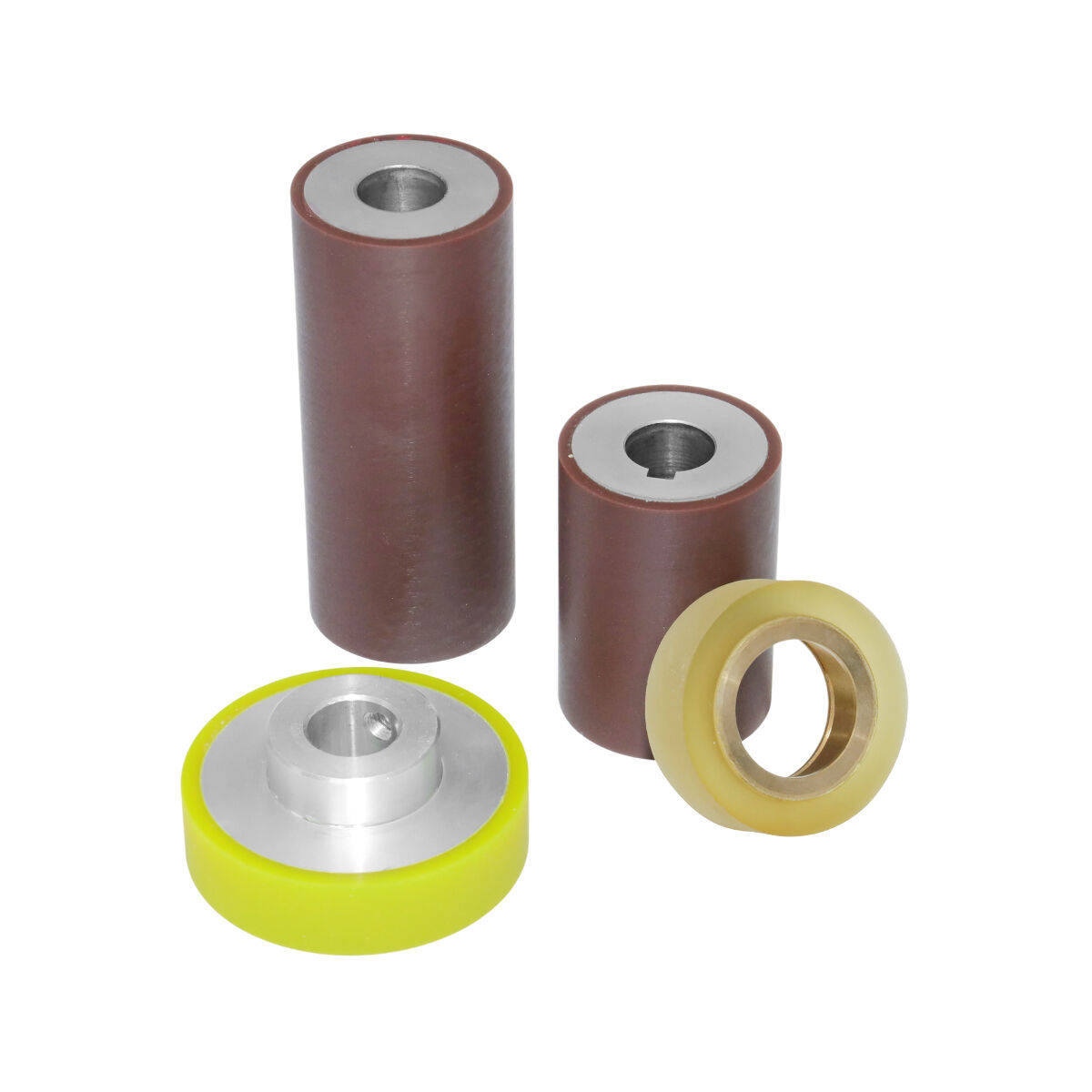
Industrial loading docks face constant challenges from heavy equipment, frequent impacts, and demanding operational requirements. Protecting these critical areas requires robust solutions that can withstand repetitive stress while maintaining structural integrity. Polyurethane bumpers have emerged as the superior choice for industrial facilities seeking reliable protection systems that deliver exceptional performance under the most demanding conditions. These advanced protective components offer unmatched durability, superior impact absorption, and cost-effective maintenance benefits that traditional alternatives simply cannot match.
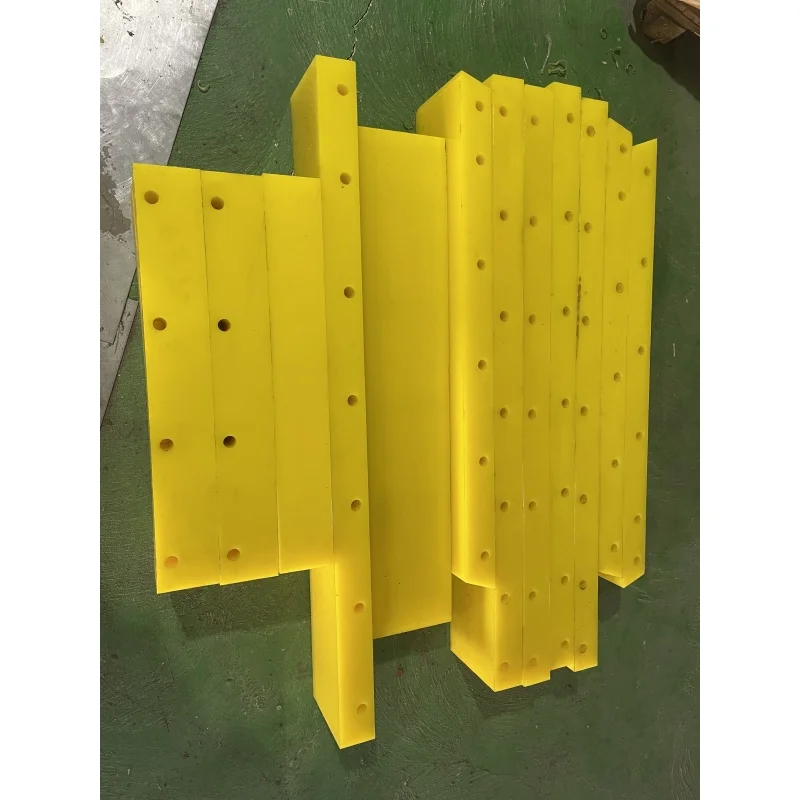
Superior Material Properties of Polyurethane Bumpers
Exceptional Impact Resistance
The molecular structure of polyurethane provides outstanding impact resistance that surpasses traditional rubber and plastic alternatives. When heavy vehicles or equipment make contact with loading dock areas, polyurethane bumpers absorb and distribute the energy efficiently across their surface. This superior energy absorption capability prevents damage to both the protective system and the underlying infrastructure. The material's ability to deform under pressure while returning to its original shape ensures consistent protection over extended operational periods.
Industrial facilities benefit from the enhanced safety margins that polyurethane bumpers provide during high-traffic operations. The material's resilience allows it to handle sudden impacts from forklifts, delivery trucks, and other heavy machinery without compromising its protective capabilities. This reliability translates into reduced downtime and lower maintenance costs for facility operators who depend on consistent dock performance.
Chemical and Environmental Resistance
Polyurethane bumpers demonstrate remarkable resistance to oils, fuels, solvents, and other industrial chemicals commonly encountered in loading dock environments. This chemical stability ensures that protective systems maintain their integrity even when exposed to hydraulic fluids, diesel fuel spills, or cleaning agents used in facility maintenance. The material's non-porous structure prevents absorption of contaminants that could degrade performance over time.
Weather resistance represents another critical advantage of polyurethane bumpers in outdoor loading dock applications. These protective components withstand temperature fluctuations, UV exposure, moisture, and freeze-thaw cycles without cracking or deteriorating. The material's stability across extreme temperature ranges ensures consistent protection whether facilities operate in desert heat or arctic conditions.
Performance Advantages in Loading Dock Applications
Enhanced Load Distribution
The engineering properties of polyurethane enable optimal load distribution across contact surfaces during impact events. When vehicles approach loading docks, polyurethane bumpers compress uniformly to spread impact forces over larger areas. This distribution mechanism reduces stress concentrations that could cause localized damage to dock structures or vehicle components. The result is smoother operations with reduced wear on both protective systems and equipment.
Industrial operators appreciate how polyurethane bumpers minimize vibration transmission to surrounding structures during loading operations. The material's damping characteristics absorb mechanical energy that would otherwise propagate through dock foundations and adjacent areas. This vibration control contributes to a more stable working environment and reduces fatigue on structural components throughout the facility.
Customization and Installation Flexibility
Polyurethane bumpers offer exceptional design flexibility that allows customization for specific loading dock configurations and operational requirements. Manufacturers can produce these protective components in various shapes, sizes, and durometer ratings to match exact application needs. This customization capability ensures optimal fit and performance regardless of dock design variations or special operational constraints.
Installation versatility represents a significant operational advantage for facilities upgrading existing protection systems or implementing new dock configurations. Polyurethane bumpers accommodate various mounting methods including bolt-on, adhesive, and integrated installation approaches. The material's workability allows field modifications when necessary, enabling facility managers to adapt protection systems to evolving operational requirements without extensive reconstruction.
Economic Benefits and Long-Term Value
Reduced Maintenance Requirements
The durability characteristics of polyurethane bumpers translate into substantially reduced maintenance requirements compared to alternative protection systems. These components resist wear, cracking, and degradation that commonly affect rubber or plastic alternatives under similar operating conditions. Facilities experience fewer replacement cycles and reduced downtime associated with protective system maintenance when utilizing polyurethane solutions.
Cleaning and inspection procedures for polyurethane bumpers require minimal effort due to the material's smooth, non-porous surface characteristics. Contaminants do not penetrate the material structure, allowing simple cleaning protocols to maintain optimal appearance and performance. This ease of maintenance reduces labor costs and ensures protective systems remain effective throughout their service life.
Total Cost of Ownership Advantages
While initial investment costs for polyurethane bumpers may exceed those of basic alternatives, the total cost of ownership strongly favors polyurethane solutions over extended operational periods. The extended service life, reduced maintenance requirements, and superior protection capabilities combine to deliver exceptional value for industrial facilities. Operators can expect service life spans measured in decades rather than years when polyurethane bumpers are properly selected and installed.
Insurance and liability considerations also favor facilities that implement high-performance protection systems like polyurethane bumpers. The superior impact protection and consistent performance characteristics reduce the likelihood of accidents, equipment damage, and operational disruptions that could result in significant financial losses. Risk mitigation benefits contribute additional value beyond the direct operational advantages these protective systems provide.
Industrial Applications and Sector Benefits
Manufacturing and Distribution Centers
Manufacturing facilities with high-volume loading operations benefit tremendously from the consistent performance that polyurethane bumpers deliver under demanding conditions. These environments typically involve frequent equipment movement, varying load weights, and time-sensitive operations where protection system failures could disrupt critical production schedules. The reliability and durability of polyurethane solutions ensure continuous protection without compromising operational efficiency.
Distribution centers handling diverse product types appreciate the versatility that polyurethane bumpers provide for different loading scenarios. Whether facilities process lightweight packages or heavy industrial components, these protective systems adapt to varying impact levels while maintaining consistent performance characteristics. This adaptability reduces the need for multiple protection system types within single facilities.
Transportation and Logistics Hubs
Transportation facilities experience some of the most demanding loading dock conditions due to constant vehicle traffic and diverse equipment types. Polyurethane bumpers excel in these environments by providing reliable protection against impacts from delivery trucks, trailers, and specialized transportation equipment. The material's resilience ensures protection systems remain effective despite the high-frequency impact cycles common in logistics operations.
Intermodal facilities and shipping terminals particularly benefit from the weather resistance and chemical stability that polyurethane bumpers offer in outdoor environments. These locations often experience exposure to saltwater, industrial chemicals, and extreme weather conditions that would rapidly degrade conventional protection systems. Polyurethane solutions maintain their protective capabilities despite these challenging environmental conditions.
Installation Best Practices and Considerations
Site Assessment and Planning
Successful implementation of polyurethane bumpers begins with comprehensive site assessment to determine optimal placement, sizing, and configuration requirements. Professional evaluation should consider traffic patterns, equipment types, impact angles, and environmental conditions that will affect protection system performance. This planning phase ensures that polyurethane solutions are properly matched to specific operational requirements and site constraints.
Integration with existing dock infrastructure requires careful consideration of mounting options, clearance requirements, and potential interference with operational equipment. Polyurethane bumpers can accommodate most installation scenarios, but proper planning ensures optimal performance and minimal disruption during implementation. Site-specific customization may be necessary to address unique operational requirements or architectural constraints.
Professional Installation and Commissioning
While polyurethane bumpers offer installation flexibility, professional installation ensures optimal performance and maximum service life. Experienced installers understand proper mounting techniques, alignment requirements, and quality control procedures that affect long-term system effectiveness. Professional installation also ensures compliance with relevant safety standards and building codes that may apply to loading dock modifications.
Post-installation commissioning should verify that polyurethane bumpers are properly positioned, securely mounted, and functioning as designed. This verification process includes testing impact absorption characteristics, confirming proper clearances, and establishing baseline performance metrics for future maintenance reference. Proper commissioning documentation supports warranty compliance and provides valuable reference information for ongoing facility management.
FAQ
How long do polyurethane bumpers typically last in industrial loading dock applications
Polyurethane bumpers in industrial loading dock applications typically provide 15-25 years of reliable service under normal operating conditions. The actual service life depends on impact frequency, environmental conditions, and maintenance practices. High-quality polyurethane formulations resist degradation from UV exposure, temperature fluctuations, and chemical contact that commonly affect loading dock environments. Regular inspection and basic cleaning can extend service life beyond typical expectations, making these protective systems an excellent long-term investment for industrial facilities.
What are the key differences between polyurethane bumpers and traditional rubber alternatives
Polyurethane bumpers offer superior impact resistance, longer service life, and better environmental stability compared to traditional rubber alternatives. While rubber bumpers may cost less initially, they typically require more frequent replacement due to cracking, hardening, and degradation from oil and weather exposure. Polyurethane maintains consistent elasticity and protective performance throughout its service life, while rubber alternatives often become brittle or soft depending on environmental conditions. The superior chemical resistance of polyurethane also prevents degradation from hydraulic fluids, fuels, and cleaning agents commonly encountered in loading dock environments.
Can polyurethane bumpers be customized for specific loading dock configurations
Yes, polyurethane bumpers offer exceptional customization capabilities to match specific loading dock requirements. Manufacturers can produce these protective components in custom shapes, sizes, durometer ratings, and mounting configurations to optimize performance for particular applications. Custom formulations can address special requirements such as extreme temperature resistance, enhanced chemical compatibility, or specific impact energy absorption characteristics. This flexibility allows facilities to implement protection systems that perfectly match their operational requirements rather than compromising with standard alternatives.
What maintenance is required for polyurethane bumpers in loading dock applications
Polyurethane bumpers require minimal maintenance in loading dock applications due to their durability and resistance to environmental degradation. Regular inspection should verify secure mounting, check for signs of wear or damage, and ensure proper alignment with equipment traffic patterns. Basic cleaning with appropriate solvents removes accumulated contaminants and maintains optimal appearance. Unlike rubber alternatives, polyurethane bumpers do not require frequent replacement or treatment with conditioning agents to maintain flexibility and performance characteristics throughout their service life.
Table of Contents
- Superior Material Properties of Polyurethane Bumpers
- Performance Advantages in Loading Dock Applications
- Economic Benefits and Long-Term Value
- Industrial Applications and Sector Benefits
- Installation Best Practices and Considerations
-
FAQ
- How long do polyurethane bumpers typically last in industrial loading dock applications
- What are the key differences between polyurethane bumpers and traditional rubber alternatives
- Can polyurethane bumpers be customized for specific loading dock configurations
- What maintenance is required for polyurethane bumpers in loading dock applications