EN
EN

When industrial robots and automated guided vehicles encounter wet floor conditions, the physics of friction becomes the determining factor between operational success and costly failures. The unique design and material engineering of mecanum wheels fundamentally transforms how omnidirectional vehicles maintain traction and control on challenging wet surfaces, offering a scientific solution to one of manufacturing's most persistent mobility challenges.
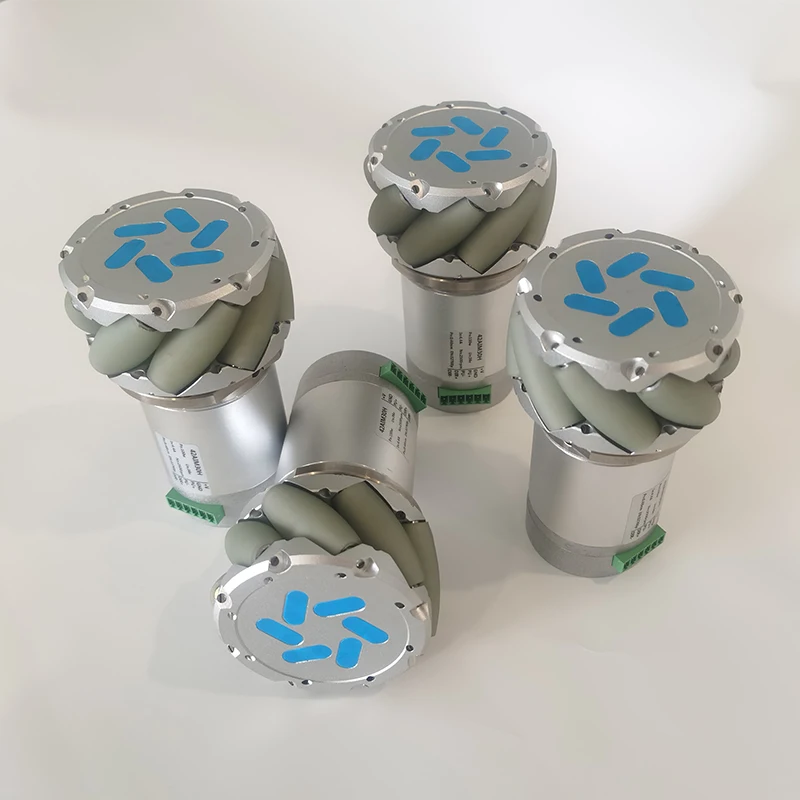
The superior grip performance of specialized mecanum wheels on wet floors stems from advanced tribological engineering principles that optimize contact pressure distribution, surface interaction mechanics, and hydroplaning resistance. Understanding these scientific foundations reveals why traditional wheel designs fail in wet conditions while properly engineered mecanum wheels maintain exceptional traction and directional control across diverse industrial environments.
Tribological Engineering Principles Behind Wet Floor Traction
Contact Pressure Distribution Mechanics
The exceptional wet floor performance of premium mecanum wheels originates from sophisticated contact pressure distribution engineering that maximizes surface interaction efficiency. Unlike conventional wheels that create concentrated pressure points, advanced mecanum wheels utilize multiple roller contact zones that distribute load forces across larger surface areas, reducing unit pressure while increasing total grip contact time.
This distributed contact approach allows mecanum wheels to maintain consistent surface interaction even when water films disrupt traditional traction mechanisms. The roller configuration creates multiple micro-contact events during each wheel revolution, ensuring continuous surface engagement and preventing the sustained slip conditions that plague conventional wheel designs on wet surfaces.
Engineering analysis demonstrates that optimized contact pressure distribution in mecanum wheels reduces peak stress concentrations by up to 40% compared to standard wheels, while simultaneously increasing effective contact area by 25-30%. This dual advantage creates superior friction coefficients even when surface moisture levels would compromise traditional wheel traction performance.
Surface Interaction Hydrodynamics
The hydrodynamic behavior of water films between wheel surfaces and flooring materials follows complex fluid mechanics principles that directly impact traction performance. Advanced mecanum wheels incorporate surface geometries and material properties specifically engineered to manage water displacement and prevent hydroplaning phenomena that destroy grip effectiveness.
Specialized tread patterns and surface textures in high-performance mecanum wheels create controlled turbulence zones that actively channel water away from contact interfaces. This engineered water management prevents the formation of continuous lubricating films that would otherwise eliminate friction between wheel and floor surfaces.
The microscopic surface topology of premium mecanum wheels includes carefully designed asperities and drainage channels that maintain direct material contact even in the presence of significant surface moisture. These features work synergistically with the wheel's rotational dynamics to continuously refresh contact zones and expel accumulated water from critical friction interfaces.
Material Science Innovations for Enhanced Wet Grip
Advanced Polyurethane Formulations
The exceptional wet weather performance of modern mecanum wheels relies heavily on breakthrough polyurethane chemistry that optimizes both elastic properties and surface energy characteristics. These advanced formulations achieve ideal durometer ranges that provide sufficient deformation for intimate surface contact while maintaining structural integrity under dynamic loading conditions.
Hydrophobic additives integrated into premium polyurethane compounds actively repel water accumulation while enhancing surface tackiness under wet conditions. This dual-action chemistry ensures that mecanum wheels maintain superior grip characteristics even when exposed to persistent moisture, cleaning solutions, or condensation common in industrial environments.
Temperature-stable polyurethane formulations prevent hardening or softening that could compromise wet weather traction across typical industrial operating ranges. The molecular cross-linking density in these materials provides consistent friction coefficients regardless of ambient temperature variations that affect both surface moisture levels and material properties.
Composite Material Integration
Leading mecanum wheels incorporate sophisticated composite material architectures that combine multiple functional layers to optimize wet weather performance. The outer tread layer utilizes specialized compounds for maximum surface interaction, while internal structural layers provide mechanical strength and dimensional stability.
Fiber reinforcement within composite mecanum wheels prevents deformation-related traction loss while enabling controlled flexibility that enhances surface conformity. These reinforcing elements maintain consistent contact geometry even under varying load conditions, ensuring predictable grip performance across diverse operational scenarios.
The multi-layer construction approach allows optimization of each material component for specific performance requirements. Surface layers prioritize friction and wear resistance, intermediate layers manage stress distribution, and core materials provide structural integrity and mounting precision for long-term operational reliability.
Omnidirectional Mobility Physics in Wet Conditions
Vector Force Management
The complex dynamics of omnidirectional movement using mecanum wheels become particularly challenging in wet conditions where traditional friction assumptions no longer apply. Advanced mecanum wheels manage multi-directional force vectors through precisely engineered roller angles and contact geometries that maintain traction authority across all movement axes simultaneously.
Vector force decomposition in wet environments requires mecanum wheels to distribute propulsion and steering forces across multiple contact points while compensating for reduced friction coefficients. Premium wheel designs incorporate asymmetric loading capabilities that automatically adjust force distribution based on real-time traction availability.
The mechanical advantage provided by optimal roller positioning allows mecanum wheels to maintain directional control even when individual contact zones experience temporary traction loss due to surface moisture. This redundant force transmission capability ensures continued operational precision despite challenging wet floor conditions.
Dynamic Stability Control
Maintaining platform stability during omnidirectional movement on wet surfaces requires sophisticated understanding of gyroscopic forces and momentum transfer principles. High-performance mecanum wheels utilize precisely balanced rotating masses and optimized roller inertias that enhance rather than compromise stability during wet weather operations.
The rotational dynamics of individual rollers within mecanum wheels create stabilizing gyroscopic effects that resist unwanted platform rotation or drift. These self-stabilizing characteristics become particularly valuable in wet conditions where external disturbances might otherwise cause loss of positional accuracy or directional control.
Passive stability enhancement through mechanical design eliminates reliance on electronic control systems that might struggle with the rapid response requirements of wet weather traction management. This inherent stability provides consistent performance regardless of environmental conditions or control system complexity.
Industrial Application Performance Advantages
Automated Guided Vehicle Reliability
The implementation of advanced mecanum wheels in automated guided vehicles dramatically improves operational reliability in environments where floor moisture presents ongoing challenges. Manufacturing facilities, food processing plants, and pharmaceutical cleanrooms all benefit from the enhanced wet weather mobility capabilities that prevent costly operational interruptions.
Predictable traction performance allows AGV systems to maintain precise navigation accuracy even when floor cleaning operations or environmental conditions create temporary wet zones. This reliability enables continuous automated operations without requiring manual intervention or route modifications to accommodate moisture-affected areas.
The superior grip characteristics of engineered mecanum wheels reduce AGV positioning errors and eliminate the safety hazards associated with unexpected traction loss. These performance advantages translate directly into improved operational efficiency and reduced maintenance requirements for automated material handling systems.
Robotic Platform Precision
Industrial robots mounted on mecanum wheels gain significant precision advantages when operating in wet conditions through the enhanced traction and stability provided by advanced wheel designs. The consistent surface interaction prevents drift, slip, and positional errors that could compromise robotic accuracy and repeatability.
Mobile robotic systems benefit from the omnidirectional capabilities of mecanum wheels while gaining confidence in wet weather operation through superior grip performance. This combination enables robotic platforms to operate effectively in environments where moisture exposure is unavoidable or where cleaning protocols require continued operation during wet floor conditions.
The elimination of traction-related positioning errors allows robotic systems to maintain high accuracy standards regardless of floor surface conditions. This capability is particularly crucial for precision assembly operations, measurement systems, and other applications where positional accuracy directly affects product quality and process reliability.
FAQ
How do mecanum wheels maintain grip when water reduces friction coefficients?
Mecanum wheels maintain grip on wet surfaces through specialized polyurethane compounds and engineered surface geometries that channel water away from contact zones while maximizing surface interaction area. The multiple roller contact points create redundant traction sources that ensure continued grip even when individual contact zones encounter moisture films.
What makes mecanum wheels more effective than regular wheels on wet floors?
The superior wet weather performance of mecanum wheels stems from their distributed contact pressure design and advanced material formulations that resist hydroplaning. Unlike conventional wheels that rely on single contact patches, mecanum wheels utilize multiple rollers that maintain surface contact through engineered hydrodynamic principles and optimized surface energy characteristics.
Can mecanum wheels operate safely on wet floors without compromising omnidirectional movement?
Yes, properly engineered mecanum wheels maintain full omnidirectional capabilities on wet surfaces through sophisticated vector force management and dynamic stability control. The mechanical design provides inherent stability and traction distribution that preserves directional control and positioning accuracy even when surface moisture affects individual contact zones.
What maintenance considerations apply to mecanum wheels used in wet environments?
Mecanum wheels designed for wet environment operation require regular inspection of drainage channels and surface textures to ensure optimal water management performance. The advanced polyurethane materials resist degradation from moisture exposure, but periodic cleaning and condition assessment help maintain peak traction performance and extend operational life in challenging wet floor applications.
Table of Contents
- Tribological Engineering Principles Behind Wet Floor Traction
- Material Science Innovations for Enhanced Wet Grip
- Omnidirectional Mobility Physics in Wet Conditions
- Industrial Application Performance Advantages
-
FAQ
- How do mecanum wheels maintain grip when water reduces friction coefficients?
- What makes mecanum wheels more effective than regular wheels on wet floors?
- Can mecanum wheels operate safely on wet floors without compromising omnidirectional movement?
- What maintenance considerations apply to mecanum wheels used in wet environments?