EN
EN


Manual transport carts serve as essential workhorses across countless industrial facilities, warehouses, manufacturing plants, and commercial environments. The reliability and performance of these carts fundamentally depend on one critical component that often goes unnoticed until problems arise: their wheels. When operations demand consistent material handling under challenging conditions, heavy-duty polyurethane rubber wheels emerge as the foundational element that determines whether transport carts will deliver reliable service or become sources of operational frustration.
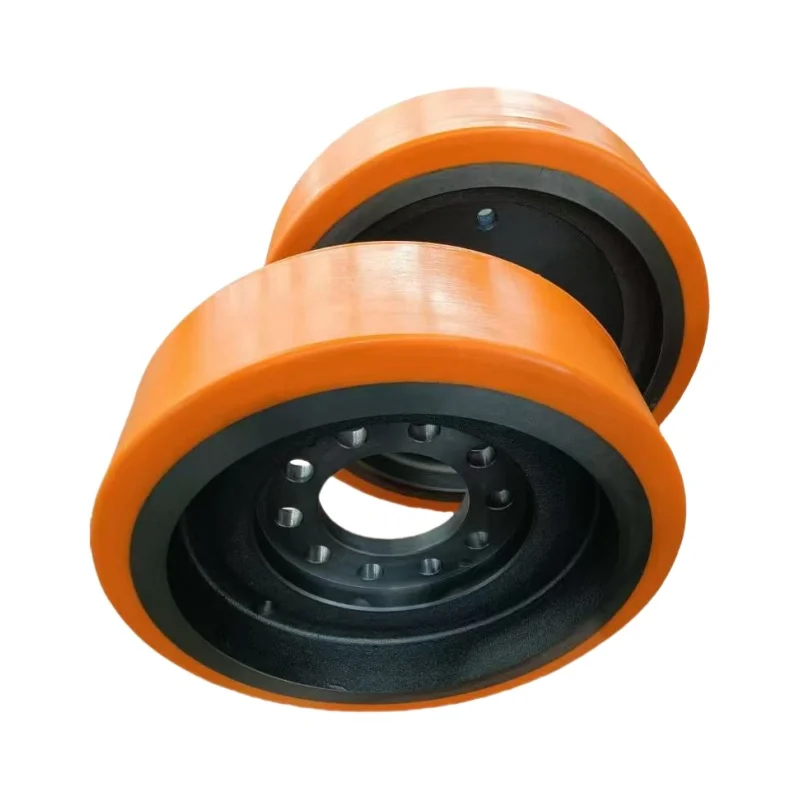
Understanding why heavy-duty polyurethane rubber wheels function as the backbone of manual transport carts requires examining the unique engineering properties, operational advantages, and long-term value they provide. These specialized wheels represent a critical intersection of material science, mechanical engineering, and practical industrial application, delivering performance characteristics that directly impact productivity, safety, and operational costs across diverse industrial environments.
The Engineering Foundation of Polyurethane Wheel Superiority
Material Science Advantages
Heavy-duty polyurethane rubber wheels derive their backbone status from the exceptional material properties of polyurethane elastomers. Unlike conventional rubber or plastic alternatives, polyurethane combines the elasticity of rubber with the strength and durability of rigid plastics. This unique molecular structure creates wheels that maintain consistent performance across temperature variations, resist chemical degradation, and provide superior load-bearing capabilities that make them indispensable for manual transport applications.
The polyurethane material exhibits remarkable resilience against wear patterns that typically destroy other wheel materials. Where standard rubber wheels develop flat spots, cracking, or chunk loss under repeated loading cycles, heavy-duty polyurethane rubber wheels maintain their original profile and rolling characteristics. This material integrity ensures that transport carts continue operating smoothly even after thousands of loading and unloading cycles, making polyurethane wheels the reliable foundation upon which efficient material handling depends.
Load Distribution and Structural Integrity
The backbone function of heavy-duty polyurethane rubber wheels becomes particularly evident in their superior load distribution characteristics. Traditional wheel materials often create pressure points or uneven load transfer that can damage flooring, create vibration, or cause premature cart failure. Polyurethane wheels distribute loads evenly across their contact surface, reducing stress concentrations that could compromise cart structural integrity or create operational problems.
This even load distribution extends beyond immediate mechanical benefits to influence the entire transport cart ecosystem. When heavy-duty polyurethane rubber wheels properly distribute loads, they reduce frame stress, minimize bearing wear, and decrease the likelihood of cart misalignment. The result is a transport system where wheels truly function as the backbone, supporting not just the immediate load but the long-term structural health of the entire cart assembly.
Operational Performance That Defines Cart Reliability
Rolling Resistance and Energy Efficiency
Manual transport carts depend on human power for movement, making rolling resistance a critical factor in operational efficiency. Heavy-duty polyurethane rubber wheels provide optimal rolling resistance characteristics that reduce the physical effort required for cart operation while maintaining precise control during movement. This balance between easy rolling and controllable motion makes these wheels essential for preventing operator fatigue and maintaining productivity throughout extended work shifts.
The energy efficiency provided by heavy-duty polyurethane rubber wheels translates directly into measurable operational benefits. Workers can move heavier loads with less effort, complete more transport cycles per shift, and experience reduced physical strain that could otherwise lead to injuries or decreased productivity. This performance advantage demonstrates why these wheels serve as more than components—they function as the backbone that enables efficient manual transport operations.
Noise Reduction and Environmental Compatibility
Industrial environments increasingly prioritize noise control for worker safety, regulatory compliance, and operational efficiency. Heavy-duty polyurethane rubber wheels provide exceptional noise dampening properties that significantly reduce the sound signature of manual transport carts. Unlike metal or hard plastic wheels that create disruptive noise during operation, polyurethane wheels absorb vibration and minimize noise generation, creating quieter work environments that support better communication and reduced stress.
The noise reduction capabilities of heavy-duty polyurethane rubber wheels extend beyond immediate comfort benefits to impact operational effectiveness. Quieter carts allow better communication between workers, reduce noise-related fatigue, and enable operation in noise-sensitive environments such as hospitals, laboratories, or precision manufacturing areas. This environmental compatibility makes polyurethane wheels essential infrastructure components rather than simple cart accessories.
Durability Factors That Ensure Long-Term Value
Resistance to Environmental Challenges
Industrial transport environments expose wheels to numerous challenges including temperature variations, chemical exposure, moisture, debris, and mechanical stress. Heavy-duty polyurethane rubber wheels demonstrate exceptional resistance to these environmental factors, maintaining their performance characteristics across diverse operating conditions. This environmental resilience ensures that transport carts remain functional and reliable regardless of workplace conditions, making polyurethane wheels the dependable backbone of material handling operations.
Chemical resistance represents a particularly important advantage of heavy-duty polyurethane rubber wheels in industrial applications. Many industrial environments involve exposure to oils, solvents, cleaning chemicals, or process fluids that can rapidly degrade conventional wheel materials. Polyurethane wheels resist chemical attack, maintaining their structural integrity and performance characteristics even when exposed to substances that would destroy rubber or plastic alternatives. This chemical resistance ensures consistent cart performance in challenging industrial environments.
Wear Patterns and Maintenance Requirements
The backbone status of heavy-duty polyurethane rubber wheels becomes particularly evident in their superior wear characteristics and minimal maintenance requirements. Unlike conventional wheels that require frequent replacement due to wear, damage, or performance degradation, polyurethane wheels maintain their effectiveness through extended service periods. This durability reduces maintenance costs, minimizes operational disruptions, and ensures consistent transport cart availability when needed.
Maintenance advantages of heavy-duty polyurethane rubber wheels extend beyond simple longevity to include predictable wear patterns and easy inspection procedures. Operators can readily assess wheel condition, plan maintenance schedules, and avoid unexpected failures that could disrupt operations. This predictable service life makes polyurethane wheels essential infrastructure components that support reliable operational planning and cost control.
Application Versatility Across Industrial Environments
Manufacturing and Production Environments
Manufacturing facilities rely heavily on manual transport carts for moving components, assemblies, tools, and finished products throughout production processes. Heavy-duty polyurethane rubber wheels provide the reliability and performance characteristics necessary to support these critical material handling functions. Their ability to operate smoothly on various floor surfaces, resist contamination from manufacturing processes, and maintain consistent performance under varying loads makes them indispensable for efficient production operations.
The precision and control offered by heavy-duty polyurethane rubber wheels prove particularly valuable in manufacturing environments where accurate positioning and smooth movement are essential. Whether transporting delicate electronic components, heavy machinery parts, or sensitive assemblies, polyurethane wheels provide the controlled movement characteristics necessary to prevent damage and ensure quality. This precision capability reinforces their backbone function in supporting critical manufacturing processes.
Warehouse and Distribution Operations
Warehouse and distribution centers depend on efficient material movement to maintain productivity and meet delivery schedules. Heavy-duty polyurethane rubber wheels enable manual transport carts to navigate varied warehouse environments including concrete floors, loading docks, ramps, and outdoor surfaces. Their durability and consistent performance across different surfaces make them essential components for maintaining operational flow in dynamic warehouse environments.
The load-bearing capabilities of heavy-duty polyurethane rubber wheels prove particularly important in warehouse applications where carts must handle varying loads throughout operational cycles. From empty carts that must roll easily for repositioning to fully loaded carts carrying maximum capacity, polyurethane wheels maintain consistent performance characteristics that enable efficient warehouse operations. This versatility demonstrates their backbone function in supporting diverse material handling requirements.
Cost-Effectiveness and Return on Investment
Initial Investment Versus Long-Term Value
While heavy-duty polyurethane rubber wheels may require higher initial investment compared to basic wheel alternatives, their long-term value proposition demonstrates why they function as the backbone of effective transport cart operations. The extended service life, reduced maintenance requirements, and consistent performance of polyurethane wheels create total cost advantages that justify their selection for critical material handling applications.
The return on investment provided by heavy-duty polyurethane rubber wheels extends beyond simple wheel replacement costs to include operational efficiency gains, reduced maintenance labor, and avoided downtime. When transport carts remain operational and effective throughout extended service periods, organizations avoid the hidden costs associated with cart failures, emergency repairs, and operational disruptions. This comprehensive value proposition reinforces the backbone status of polyurethane wheels in supporting efficient operations.
Operational Efficiency Gains
Heavy-duty polyurethane rubber wheels contribute to operational efficiency through multiple mechanisms including reduced rolling resistance, consistent performance characteristics, and minimal maintenance requirements. These efficiency gains translate into measurable productivity improvements that compound over time, creating substantial value for organizations that depend on manual transport operations.
The productivity advantages enabled by heavy-duty polyurethane rubber wheels include faster material movement, reduced operator fatigue, fewer cart-related delays, and improved workflow consistency. When workers can depend on their transport equipment to perform reliably and efficiently, they can focus on productive tasks rather than dealing with equipment problems. This operational reliability demonstrates why quality wheels serve as the backbone that enables efficient material handling operations.
FAQ
What makes heavy-duty polyurethane rubber wheels superior to standard rubber wheels for manual transport carts?
Heavy-duty polyurethane rubber wheels offer superior load-bearing capacity, chemical resistance, and wear characteristics compared to standard rubber wheels. They maintain consistent performance across temperature variations, resist chunking and flat-spotting, and provide longer service life in demanding industrial environments. Their molecular structure combines elasticity with durability, creating wheels that serve as reliable backbone components for transport cart operations.
How do heavy-duty polyurethane rubber wheels reduce operational costs for manual transport carts?
These wheels reduce operational costs through extended service life, minimal maintenance requirements, and improved operational efficiency. Their durability eliminates frequent replacement needs, while their consistent performance characteristics reduce cart downtime and maintenance labor. The energy efficiency and smooth rolling properties also reduce operator fatigue and increase productivity, creating comprehensive cost advantages that justify their backbone status in material handling operations.
Can heavy-duty polyurethane rubber wheels handle outdoor environments and various floor surfaces?
Heavy-duty polyurethane rubber wheels excel in diverse environments including outdoor applications and various floor surfaces. Their chemical resistance protects against exposure to oils, solvents, and environmental contaminants, while their material properties maintain performance across concrete, asphalt, metal grating, and smooth finished floors. This versatility makes them reliable backbone components for transport carts operating in varied industrial environments.
What load capacities can heavy-duty polyurethane rubber wheels support in manual transport cart applications?
Heavy-duty polyurethane rubber wheels can support substantial load capacities depending on their size, construction, and configuration. Professional-grade polyurethane wheels typically handle loads ranging from several hundred pounds to several thousand pounds per wheel, making them suitable for demanding industrial transport applications. Their load distribution characteristics and structural integrity enable them to function as reliable backbone components even under maximum capacity conditions.
Table of Contents
- The Engineering Foundation of Polyurethane Wheel Superiority
- Operational Performance That Defines Cart Reliability
- Durability Factors That Ensure Long-Term Value
- Application Versatility Across Industrial Environments
- Cost-Effectiveness and Return on Investment
-
FAQ
- What makes heavy-duty polyurethane rubber wheels superior to standard rubber wheels for manual transport carts?
- How do heavy-duty polyurethane rubber wheels reduce operational costs for manual transport carts?
- Can heavy-duty polyurethane rubber wheels handle outdoor environments and various floor surfaces?
- What load capacities can heavy-duty polyurethane rubber wheels support in manual transport cart applications?