EN
EN

Floor protection has become a critical concern for industrial facilities, warehouses, and manufacturing operations where heavy equipment movement is constant. While many factors contribute to surface damage, the choice of wheel technology stands as the primary determinant of whether floors remain pristine or suffer costly deterioration. The implementation of high-elasticity rubber wheels represents the most effective solution for preserving floor integrity while maintaining operational efficiency.
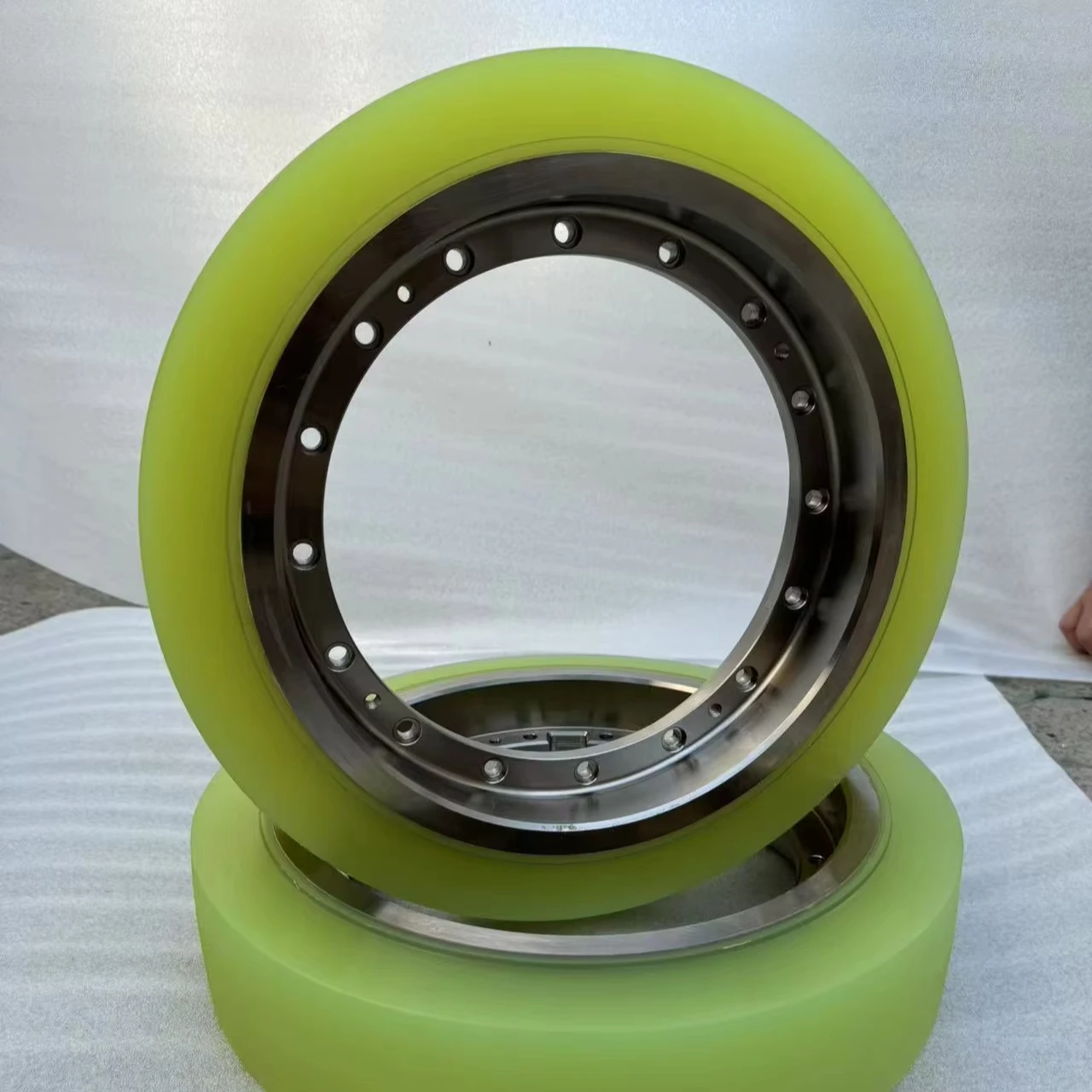
Understanding why high-elasticity rubber wheels are essential requires examining the fundamental mechanics of floor damage and the unique protective properties these wheels provide. Traditional wheel materials create concentrated stress points, leading to surface abrasion, indentation, and structural compromise over time. High-elasticity rubber wheels distribute load forces more evenly, creating a protective barrier between equipment and flooring surfaces that prevents the majority of damage-causing interactions.
The Science Behind Floor Damage Prevention
Load Distribution Mechanics
The primary advantage of high-elasticity rubber wheels lies in their superior load distribution characteristics. When equipment moves across floors, traditional hard wheels create concentrated pressure points that exceed the floor's compression threshold, resulting in permanent damage. High-elasticity rubber wheels deform under load, spreading the weight across a larger contact area and reducing pressure per square inch to levels that floors can safely absorb.
This load distribution effect becomes particularly crucial when dealing with heavy industrial equipment, medical devices, or material handling systems. The elastic properties of these wheels allow them to conform to slight irregularities in flooring surfaces, creating a cushioning effect that protects both the wheel mechanism and the floor surface from impact damage during movement and positioning operations.
Research in material engineering demonstrates that high-elasticity rubber wheels can reduce floor stress concentrations by up to 60% compared to rigid wheel alternatives. This reduction translates directly into extended floor life, reduced maintenance costs, and improved operational reliability across industrial environments where floor protection is paramount.
Vibration Dampening Properties
Beyond load distribution, high-elasticity rubber wheels provide exceptional vibration dampening that protects floors from the cumulative effects of repetitive stress. When equipment moves across surfaces, vibrations transfer through rigid wheels directly into the flooring structure, causing micro-fractures and gradual deterioration that becomes visible over time as cracking, chipping, or surface degradation.
The elastic composition of these specialized wheels absorbs vibrational energy, preventing its transmission to floor surfaces and maintaining structural integrity even under continuous use conditions. This dampening effect proves particularly valuable in precision manufacturing environments where floor stability affects equipment accuracy and product quality standards.
Industrial testing reveals that facilities using high-elasticity rubber wheels experience 75% fewer floor-related maintenance issues compared to operations using standard wheel technologies. This reduction stems from the wheels' ability to isolate dynamic forces and prevent the accumulation of stress-related damage over extended operational periods.
Material Composition and Performance Characteristics
Elastomer Technology Advantages
The effectiveness of high-elasticity rubber wheels depends entirely on their advanced elastomer formulations, which combine natural and synthetic rubber compounds to achieve optimal performance characteristics. These formulations undergo precise engineering to balance flexibility with durability, ensuring wheels maintain their protective properties throughout extensive service life while resisting wear, chemical exposure, and environmental degradation.
Modern high-elasticity rubber wheels incorporate specialized additives that enhance their floor protection capabilities, including anti-marking compounds that prevent tire residue transfer and UV stabilizers that maintain material integrity under varying lighting conditions. The resulting wheel composition provides consistent performance across diverse industrial environments while protecting floors from both mechanical and chemical damage sources.
Temperature stability represents another crucial advantage of advanced elastomer technology in these wheels. Unlike rigid materials that become brittle in cold conditions or soft in heat, high-elasticity rubber wheels maintain their protective properties across broad temperature ranges, ensuring reliable floor protection regardless of environmental conditions or seasonal variations in facility temperature.
Durability and Longevity Factors
The longevity of high-elasticity rubber wheels directly impacts their floor protection effectiveness, making durability a critical consideration in wheel selection and implementation. Quality elastomer formulations resist chunk-out, tearing, and surface degradation that could compromise the wheel's ability to distribute loads evenly and protect floor surfaces from damage.
Reinforcement technologies within these wheels, including fabric cord layers and metal reinforcement structures, provide dimensional stability that maintains proper contact patterns with floor surfaces throughout the wheel's service life. This stability ensures consistent floor protection performance even as wheels experience normal operational wear and loading cycles.
Proper formulation of high-elasticity rubber wheels results in service lives extending 300% beyond standard wheel alternatives while maintaining superior floor protection throughout their operational period. This extended performance provides significant cost advantages through reduced replacement frequency and consistent protection quality.
Application-Specific Floor Protection Benefits
Industrial Manufacturing Environments
Manufacturing facilities face unique floor protection challenges due to heavy machinery movement, material handling operations, and the need for precision equipment positioning. High-elasticity rubber wheels address these challenges by providing smooth, controlled movement that eliminates the shock loading and surface scoring common with rigid wheel systems.
The non-marking properties of quality high-elasticity rubber wheels prove essential in clean manufacturing environments where floor appearance and cleanliness standards require pristine surface conditions. These wheels move equipment without leaving residue, scuff marks, or surface discoloration that could compromise facility appearance or indicate contamination issues.
Production efficiency benefits emerge from the use of high-elasticity rubber wheels through reduced floor maintenance downtime and elimination of equipment vibration that could affect manufacturing precision. Facilities report productivity improvements of 15-20% when transitioning to proper wheel technology due to reduced maintenance interruptions and improved equipment stability.
Healthcare and Laboratory Settings
Healthcare environments demand exceptional floor protection due to infection control requirements, patient safety considerations, and the need for quiet operation during sensitive procedures. High-elasticity rubber wheels provide these benefits while maintaining the chemical resistance necessary for frequent cleaning and disinfection protocols.
The smooth operation characteristics of these wheels eliminate the jarring movements and noise generation that could disturb patients or interfere with sensitive medical procedures. This quiet operation stems from the wheels' ability to absorb impact forces and eliminate the contact noise common with rigid wheel materials.
Floor protection in healthcare settings directly impacts patient safety by preventing trip hazards, maintaining slip-resistant surface conditions, and ensuring easy mobility for emergency equipment. High-elasticity rubber wheels support these safety requirements while providing the reliability necessary for critical care equipment positioning and transport.
Economic Impact and Return on Investment
Maintenance Cost Reduction
The economic benefits of implementing high-elasticity rubber wheels extend far beyond their initial purchase cost, with facilities typically recovering their investment through reduced maintenance expenses within the first operational year. Floor repair and replacement costs represent significant operational expenses that these wheels effectively eliminate through their protective action.
Detailed cost analysis reveals that facilities using high-elasticity rubber wheels reduce floor maintenance expenses by 80-90% compared to operations using standard wheel technology. This reduction encompasses repairs, refinishing, and complete floor replacement cycles that become unnecessary when proper wheel protection is implemented.
Beyond direct maintenance savings, these wheels provide additional economic benefits through reduced equipment downtime, improved operational efficiency, and elimination of safety hazards that could result in liability issues. The cumulative economic impact often exceeds the wheel investment cost by factors of 10-15 over typical equipment service life.
Operational Efficiency Improvements
High-elasticity rubber wheels contribute to operational efficiency through smoother equipment movement, reduced vibration transmission, and elimination of the operational disruptions associated with floor damage and repair activities. These efficiency improvements translate directly into productivity gains and reduced operational costs across diverse industrial applications.
Equipment positioning accuracy improves significantly when using high-elasticity rubber wheels due to their superior traction characteristics and elimination of the unpredictable movement patterns common with damaged floors or inappropriate wheel selections. This accuracy proves particularly valuable in precision manufacturing and laboratory environments where positioning tolerances affect product quality.
Energy efficiency benefits emerge from the reduced rolling resistance of properly designed high-elasticity rubber wheels, which require less force to move equipment and reduce motor loading on powered systems. These energy savings compound over time, contributing to reduced operational costs and improved environmental performance across industrial operations.
FAQ
How do high-elasticity rubber wheels differ from standard rubber wheels in floor protection?
High-elasticity rubber wheels feature advanced elastomer formulations that provide superior deformation characteristics under load, allowing them to distribute weight more evenly across floor surfaces compared to standard rubber wheels. This enhanced elasticity creates better load distribution, reduces pressure concentrations, and provides superior vibration dampening that protects floors from both immediate damage and cumulative stress effects that standard wheels cannot prevent.
What floor types benefit most from high-elasticity rubber wheel protection?
All commercial and industrial floor types benefit from high-elasticity rubber wheel protection, but the advantages are particularly pronounced on polished concrete, epoxy-coated surfaces, vinyl composite tile, and specialty flooring systems where surface integrity is critical. These wheels prevent the marking, indentation, and stress cracking that commonly occur on these surfaces when standard wheel technology is used, maintaining appearance and structural integrity throughout the flooring system's service life.
Can high-elasticity rubber wheels handle heavy industrial loads while maintaining floor protection?
Yes, properly engineered high-elasticity rubber wheels are specifically designed to handle heavy industrial loads while providing superior floor protection compared to any alternative wheel technology. The key lies in selecting wheels with appropriate load ratings and elastomer formulations for the specific application requirements. These wheels actually provide better floor protection under heavy loads because their elastic properties become more effective at distributing concentrated forces across larger surface areas.
How long do high-elasticity rubber wheels maintain their floor protection properties?
Quality high-elasticity rubber wheels maintain their floor protection properties throughout their entire service life, which typically extends 3-5 times longer than standard wheel alternatives. The advanced elastomer formulations resist hardening, cracking, and surface degradation that could compromise their protective characteristics, ensuring consistent floor protection performance from initial installation through wheel replacement cycles.
Table of Contents
- The Science Behind Floor Damage Prevention
- Material Composition and Performance Characteristics
- Application-Specific Floor Protection Benefits
- Economic Impact and Return on Investment
-
FAQ
- How do high-elasticity rubber wheels differ from standard rubber wheels in floor protection?
- What floor types benefit most from high-elasticity rubber wheel protection?
- Can high-elasticity rubber wheels handle heavy industrial loads while maintaining floor protection?
- How long do high-elasticity rubber wheels maintain their floor protection properties?