EN
EN

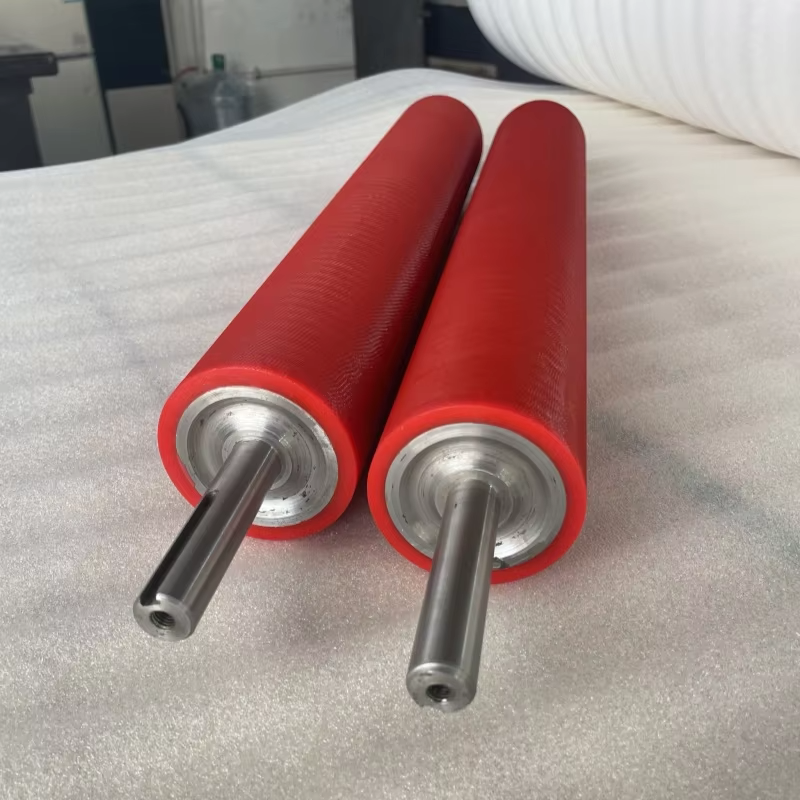
Essential Elements of Industrial Rubber Roller Selection
Selecting the right rubber roller for your industrial application can significantly impact your operation's efficiency, product quality, and overall productivity. Whether you're in the printing, converting, textile, or manufacturing industry, understanding the key factors that influence rubber roller performance is crucial for making an informed decision. This comprehensive guide explores the critical considerations that will help you choose the optimal rubber roller for your specific needs.
Material Composition and Durometer Requirements
Rubber Compound Selection
The rubber compound forms the foundation of any rubber roller's performance characteristics. Different elastomers offer varying levels of resistance to heat, chemicals, and abrasion. Natural rubber provides excellent resilience and wear resistance, while synthetic compounds like EPDM offer superior chemical and temperature resistance. Nitrile rubber excels in applications involving oils and solvents, whereas silicone rubber performs exceptionally well in extreme temperature conditions.
Selecting the appropriate compound requires careful consideration of your operating environment, including exposure to chemicals, UV radiation, and temperature fluctuations. A roller operating in a high-temperature environment may require a heat-resistant compound, while one exposed to aggressive chemicals needs a chemically resistant material.
Durometer Hardness Specifications
Durometer, measured on the Shore A scale, indicates the rubber roller's hardness and directly affects its performance characteristics. Softer durometers (20-40 Shore A) provide better conformability and grip, making them ideal for applications requiring material transport or surface contact. Medium durometers (40-70 Shore A) offer a balance between conformability and wear resistance, suitable for general-purpose applications.
Higher durometer ratings (70-90 Shore A) deliver enhanced wear resistance and reduced deformation under load, making them appropriate for high-pressure applications or situations requiring precise dimensional stability. Consider your application's specific requirements when selecting durometer hardness to ensure optimal performance.
Surface Finish and Texture Considerations
Surface Treatment Options
The surface finish of a rubber roller plays a crucial role in its functionality. Various treatment options are available, from smooth finishes for general applications to specially textured surfaces for enhanced grip or release properties. Ground finishes provide precise dimensional accuracy and concentricity, while crowned profiles help compensate for deflection under load.
Surface treatments can include microgrooving, knurling, or plasma coating to achieve specific performance characteristics. These modifications can improve traction, prevent slippage, or facilitate better material release, depending on your application requirements.
Texture Patterns and Applications
Different texture patterns serve distinct purposes in various industrial applications. Diamond patterns provide excellent grip for conveying applications, while spiral grooves can help in fluid or air displacement. The choice of texture pattern must align with your specific process requirements and the materials being handled.
Consider factors such as material contact area, release properties, and cleaning requirements when selecting surface textures. Some applications may benefit from specialized patterns that optimize performance while minimizing maintenance needs.
Dimensional Specifications and Operating Parameters
Size and Tolerance Requirements
Precise dimensional specifications are critical for proper rubber roller function. Core diameter, overall diameter, face length, and concentricity tolerances must be carefully considered to ensure compatibility with your equipment and application requirements. Working with a manufacturer who can maintain tight tolerances ensures consistent performance and minimal operational issues.
Consider not only current requirements but also future needs when specifying dimensions. Factors such as wear allowance and potential process modifications should influence your dimensional specifications to maximize roller service life and adaptability.
Operating Conditions Assessment
Understanding your operating environment is crucial for proper rubber roller selection. Speed, load, temperature, and exposure to various substances all impact roller performance and longevity. High-speed applications require excellent dynamic balance and heat resistance, while heavy loads necessitate appropriate core strength and rubber hardness.
Consider both continuous and peak operating conditions when specifying your rubber roller. Environmental factors such as humidity, chemical exposure, and cleaning procedures should also influence your selection criteria to ensure optimal performance and durability.
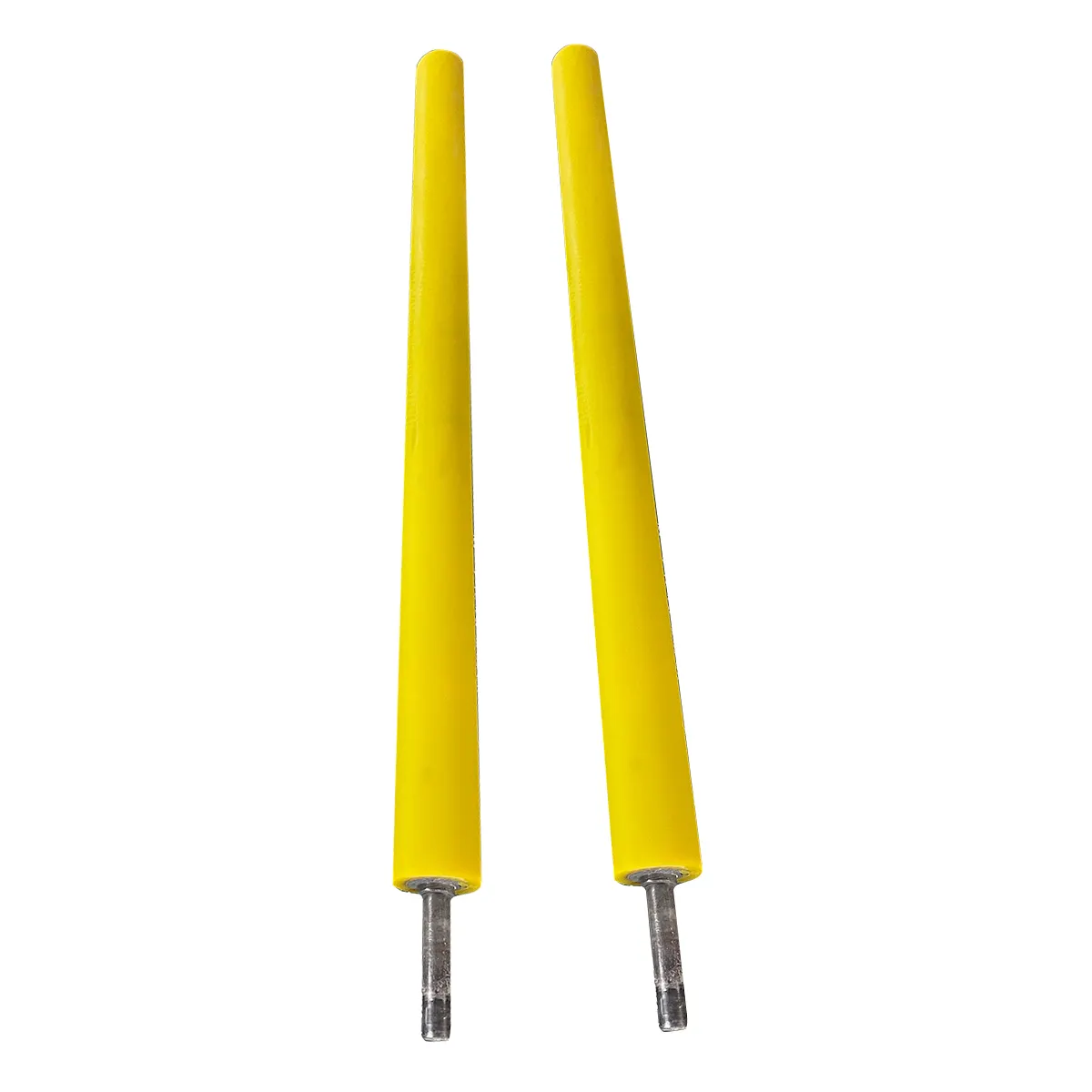
Maintenance and Longevity Considerations
Wear Resistance and Service Life
The expected service life of a rubber roller depends on various factors, including material selection, operating conditions, and maintenance practices. Different rubber compounds offer varying levels of wear resistance and aging characteristics. Understanding these properties helps in selecting a roller that provides the optimal balance between performance and longevity.
Regular monitoring of roller condition and implementing appropriate maintenance schedules can significantly extend service life. Consider factors such as compound resistance to set, groove wear patterns, and surface degradation when evaluating long-term performance requirements.
Maintenance Requirements and Procedures
Proper maintenance is essential for maximizing rubber roller performance and lifespan. Different compounds and surface treatments may require specific cleaning procedures or maintenance schedules. Understanding these requirements helps in selecting a roller that aligns with your maintenance capabilities and operational constraints.
Consider factors such as cleaning chemical compatibility, regrinding requirements, and storage conditions when evaluating maintenance needs. Establishing appropriate maintenance procedures from the start helps ensure consistent performance and extended service life.
Frequently Asked Questions
How often should rubber rollers be replaced?
The replacement frequency depends on various factors including usage intensity, operating conditions, and maintenance practices. Generally, industrial rubber rollers should be inspected regularly for signs of wear, hardening, or damage. Depending on the application, replacement intervals can range from several months to several years.
Can rubber rollers be refurbished instead of replaced?
Many rubber rollers can be refurbished through regrinding or recovering, potentially extending their service life significantly. However, this depends on the core condition, compound type, and extent of wear. Consult with your roller manufacturer to determine if refurbishment is a viable option for your specific application.
What causes premature rubber roller failure?
Common causes include incorrect compound selection for the application, excessive operating temperatures, chemical exposure, improper maintenance, misalignment, and excessive loading. Understanding and addressing these factors during the selection process can help prevent premature failure and optimize roller performance.