EN
EN

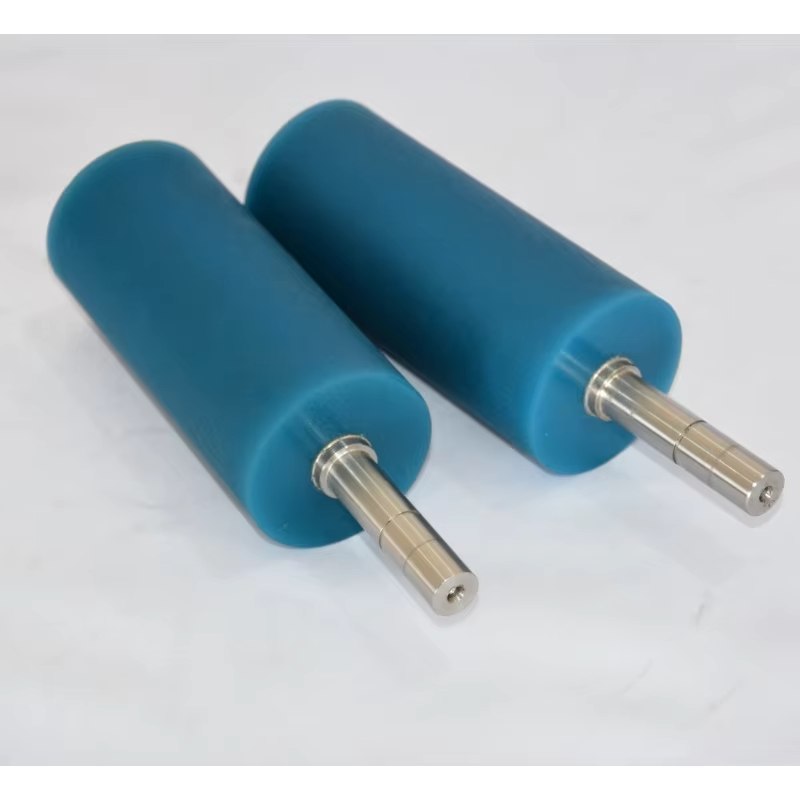
Understanding the Critical Role of Rubber Rollers in Industrial Conveyor Systems
In modern industrial settings, the efficiency and reliability of conveyor systems depend heavily on their components, with rubber rollers being among the most crucial elements. These seemingly simple components play a complex and vital role in determining both the immediate performance and long-term durability of conveyor systems. From manufacturing plants to distribution centers, rubber rollers serve as the backbone of material handling operations, directly influencing productivity, maintenance requirements, and operational costs.
The significance of rubber rollers extends far beyond their basic function of facilitating material movement. These components are engineered to provide specific performance characteristics, including load-bearing capacity, speed consistency, and noise reduction. Their design and composition can mean the difference between a smoothly running operation and one plagued by frequent downtime and maintenance issues.
Core Components and Design Features
Material Composition and Properties
The effectiveness of rubber rollers stems from their carefully engineered material composition. High-quality rubber compounds are selected based on their durability, resistance to wear, and ability to maintain consistent performance under varying conditions. Modern rubber rollers often incorporate advanced polymers and synthetic materials that enhance their resilience while providing superior grip and load distribution properties.
Different rubber compounds offer varying levels of hardness, measured on the Shore A scale, typically ranging from 35 to 85. Softer compounds provide better grip and noise reduction but may wear faster, while harder compounds offer increased durability but potentially less traction. The selection of the appropriate rubber compound depends on specific application requirements, environmental conditions, and operational demands.
Structural Design Elements
The internal structure of rubber rollers plays a crucial role in their performance. A steel core provides the necessary strength and stability, while the rubber coating is precision-bonded to ensure uniform coverage and balanced operation. The diameter, wall thickness, and surface finish are carefully calculated to optimize performance for specific applications.
Advanced manufacturing techniques allow for various surface patterns and textures that can enhance grip, improve tracking, and facilitate specific material handling requirements. These design elements significantly impact the roller's ability to maintain proper belt alignment and prevent material slippage during operation.
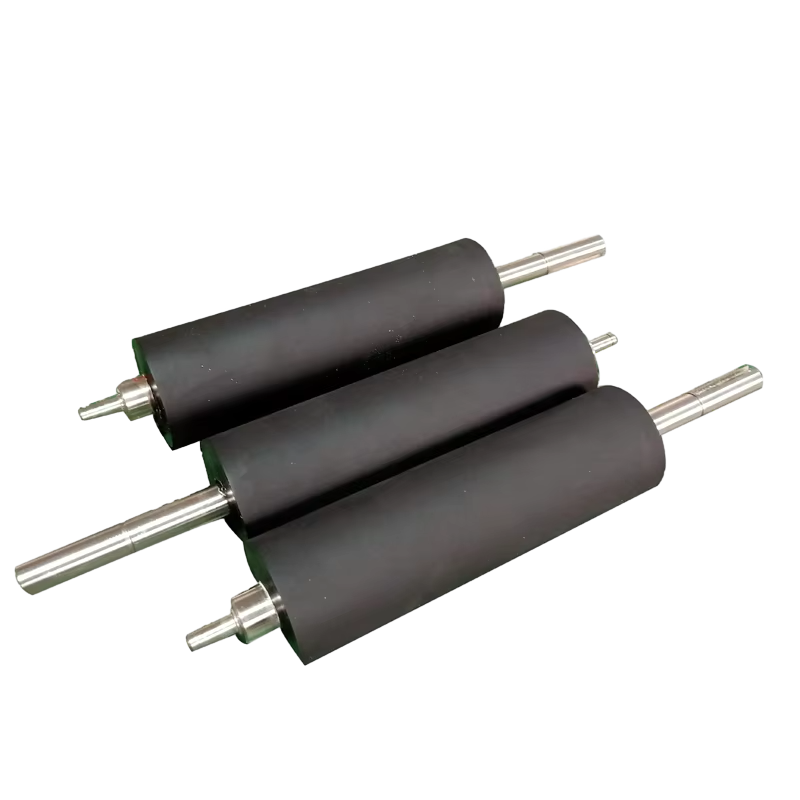
Performance Impact on Conveyor Systems
Operational Efficiency Enhancement
Rubber rollers directly influence the operational efficiency of conveyor systems through several key mechanisms. They provide the necessary friction to maintain consistent belt speed and prevent slippage, ensuring smooth material transfer. The right combination of roller design and rubber composition can significantly reduce energy consumption by minimizing rolling resistance while maintaining optimal grip.
Well-designed rubber rollers also contribute to improved material handling capabilities. They help absorb impact forces from loaded materials, reduce noise levels, and maintain proper belt tracking. These benefits translate into higher throughput rates and more reliable operation, particularly in high-speed or heavy-duty applications.
System Reliability and Maintenance
The quality and condition of rubber rollers have a direct correlation with system reliability. Premium-grade rollers with proper maintenance can significantly reduce unexpected downtime and extend the life of both the rollers themselves and the entire conveyor system. Regular monitoring of roller condition helps prevent catastrophic failures and allows for planned maintenance rather than emergency repairs.
Maintenance requirements are heavily influenced by roller quality and operating conditions. High-quality rubber rollers typically require less frequent replacement and maintain their performance characteristics longer, resulting in lower total cost of ownership despite higher initial investment.
Environmental and Operating Conditions
Temperature and Weather Effects
Rubber rollers must maintain their performance across a wide range of environmental conditions. Temperature fluctuations can significantly impact rubber properties, potentially affecting grip, hardness, and wear characteristics. Modern rubber compounds are engineered to maintain consistent performance across broader temperature ranges, but proper selection for specific operating environments remains crucial.
Exposure to UV radiation, moisture, and chemical agents can accelerate roller degradation. Advanced rubber formulations incorporate protective compounds that enhance resistance to environmental factors, helping maintain roller performance and longevity even in challenging conditions.
Load and Speed Considerations
The interaction between operating parameters and rubber roller performance is complex and critical. Higher speeds and heavier loads create additional stress on roller components, potentially accelerating wear and affecting system reliability. Proper roller specification must account for maximum load requirements, operating speeds, and duty cycles to ensure optimal performance.
Dynamic loading conditions, such as impact from dropped materials or uneven load distribution, require careful consideration in roller selection. The rubber compound's ability to absorb shock and maintain shape under stress directly affects system longevity and reliability.
Future Trends and Innovations
Advanced Materials and Manufacturing
The future of rubber roller technology is being shaped by advances in materials science and manufacturing processes. New polymer blends and composite materials are being developed to offer enhanced performance characteristics, including better wear resistance, improved temperature stability, and reduced environmental impact.
Smart manufacturing techniques, including precision molding and advanced bonding processes, are enabling the production of rollers with more consistent properties and tighter tolerances. These improvements contribute to better performance and longer service life.
Integration with Smart Systems
The integration of sensor technology and smart monitoring systems is becoming increasingly common in modern conveyor systems. Advanced roller designs are incorporating features that facilitate condition monitoring and predictive maintenance, allowing operators to optimize replacement schedules and prevent unexpected failures.
These technological advances are enabling more efficient maintenance practices and helping to extend roller service life through early detection of potential issues. The result is improved system reliability and reduced operating costs.
Frequently Asked Questions
How often should rubber rollers be replaced?
Replacement intervals depend on various factors including operating conditions, load requirements, and environmental exposure. Generally, high-quality rubber rollers in well-maintained systems can last 2-5 years, but regular inspections should guide specific replacement schedules.
What are the signs of rubber roller wear?
Key indicators include visible surface wear, uneven wear patterns, hardening or cracking of the rubber surface, increased noise levels, and difficulty maintaining proper belt tracking. Regular inspection of these characteristics helps determine when replacement is necessary.
Can rubber rollers be refurbished?
While some rubber rollers can be refurbished through re-coating or re-grooving, the cost-effectiveness and reliability of refurbishment versus replacement should be carefully evaluated. The decision typically depends on the roller's core condition and the specific application requirements.