EN
EN
The Critical Role of Precision Engineering in Industrial Manufacturing
In the heart of every manufacturing facility lies a complex network of machinery working in perfect synchronization. Among these critical components, rubber rollers stand as silent champions of production efficiency, material handling, and quality control. These engineered cylindrical components serve as the backbone of countless industrial processes, from paper production and textile manufacturing to food processing and packaging operations.
Modern manufacturing demands unprecedented levels of precision, consistency, and reliability. The integration of high-quality rubber rollers into production lines has become more than just a component choice – it's a strategic decision that directly impacts operational excellence, product quality, and bottom-line results. Understanding their significance helps manufacturers make informed decisions about their equipment investments and maintenance protocols.
Understanding Rubber Roller Technology and Applications
Core Components and Materials
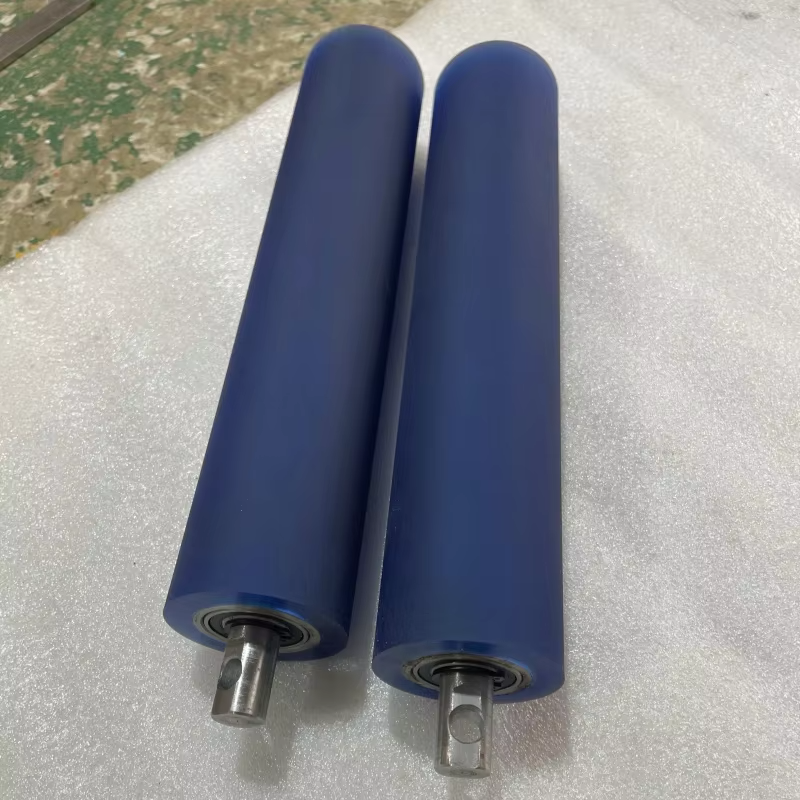
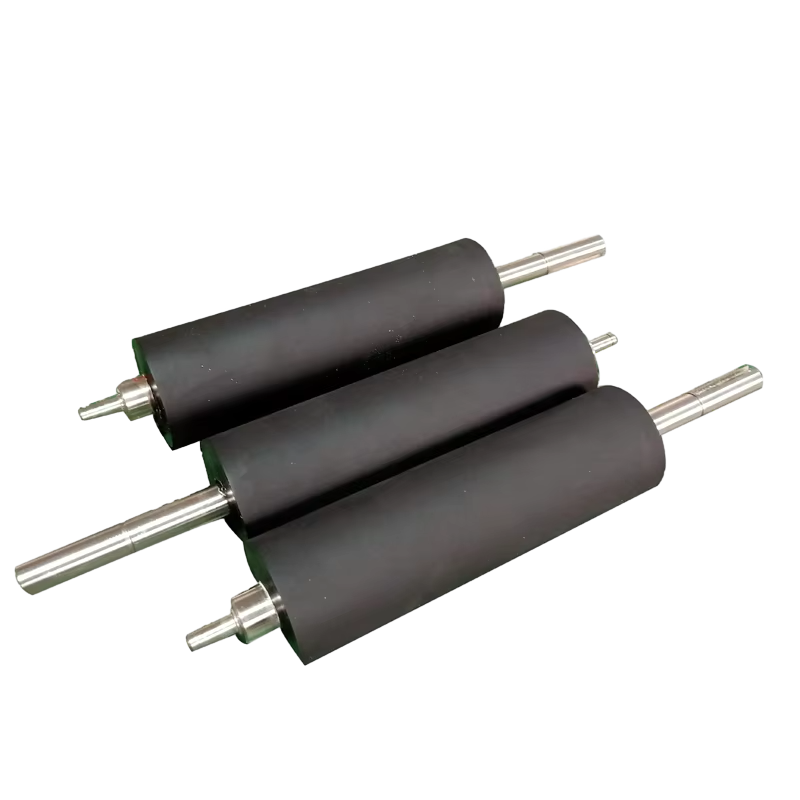
At the foundation of rubber roller technology lies a sophisticated combination of materials and engineering principles. The core typically consists of steel or aluminum, providing structural integrity and dimensional stability. This metal core is then precisely covered with specialized rubber compounds, each formulated for specific applications and operating conditions.
Modern rubber rollers utilize advanced elastomer compounds that can include natural rubber, synthetic rubber, silicone, or urethane. These materials are carefully selected based on factors such as temperature resistance, chemical compatibility, hardness requirements, and expected service life. The selection of the right compound directly influences the roller's performance and longevity in specific manufacturing environments.
Industry-Specific Applications
Different industries rely on specialized rubber rollers to achieve their unique production goals. In the printing industry, rubber rollers transfer ink with microscopic precision, ensuring consistent color distribution and image quality. Paper mills employ rubber rollers throughout their processes, from initial pulp processing to final calendar operations.
The textile industry depends on rubber rollers for precise fabric handling, tension control, and finishing processes. In food processing, specialized food-grade rubber rollers maintain hygiene standards while ensuring gentle yet efficient product handling. Each application requires specific durometer readings, surface finishes, and chemical resistances to optimize performance.
Engineering Benefits of Premium Rubber Rollers
Enhanced Production Efficiency
High-quality rubber rollers significantly impact production efficiency through their precision-engineered surfaces and consistent performance characteristics. They maintain exact dimensional tolerances throughout their service life, ensuring uniform pressure distribution and consistent material handling. This reliability translates to reduced downtime, fewer product defects, and improved overall equipment effectiveness (OEE).
The superior wear resistance of premium rubber rollers means they maintain their specified characteristics longer than inferior alternatives. This extended service life reduces maintenance intervals and replacement frequency, contributing to better production planning and cost management. The initial investment in quality rubber rollers typically yields substantial returns through improved operational efficiency.
Quality Control and Consistency
Manufacturing excellence demands unwavering consistency in product quality. Premium rubber rollers provide the precise control necessary for maintaining strict quality standards. Their engineered surface properties ensure uniform pressure distribution, preventing common issues like material wrinkles, inconsistent coating application, or irregular material feed rates.
Advanced rubber compounds used in high-quality rollers maintain their physical properties even under challenging operating conditions. This stability ensures consistent performance across varying production speeds, temperatures, and environmental conditions, contributing to predictable and repeatable manufacturing outcomes.
Maintenance and Longevity Considerations
Preventive Maintenance Strategies
Implementing effective maintenance protocols for rubber rollers is crucial for maximizing their service life and maintaining optimal performance. Regular inspection schedules should include checking for wear patterns, surface damage, and alignment issues. Proper cleaning procedures, using manufacturer-recommended solutions, help prevent chemical degradation and maintain surface properties.
Temperature monitoring and environmental control play vital roles in roller longevity. Excessive heat, exposure to harsh chemicals, or improper storage conditions can significantly impact roller performance and lifespan. Establishing comprehensive maintenance schedules and training operators in proper handling techniques helps protect these valuable assets.
Performance Optimization
Regular performance monitoring helps identify early signs of wear or degradation, allowing for timely maintenance interventions. This proactive approach prevents unexpected failures and maintains optimal production efficiency. Proper alignment, pressure settings, and speed adjustments ensure rubber rollers operate within their designed parameters.
Working closely with roller manufacturers for periodic reconditioning or replacement ensures continued optimal performance. Many manufacturers offer technical support and maintenance guidelines specific to their products, helping users maximize their investment through proper care and operation.
Future Trends and Innovations
Advanced Material Development
The rubber roller industry continues to evolve with new material developments and manufacturing technologies. Nano-engineered compounds promise enhanced durability and performance characteristics. Smart materials that can adapt to changing operating conditions are under development, potentially revolutionizing roller technology.
Sustainable manufacturing practices are driving the development of eco-friendly rubber compounds and processing methods. These innovations aim to reduce environmental impact while maintaining or improving performance standards. The integration of recyclable materials and green manufacturing processes represents a significant trend in roller production.
Digital Integration and Monitoring
Industry 4.0 technologies are transforming rubber roller applications through the integration of sensors and monitoring systems. Smart rollers equipped with temperature, pressure, and wear sensors provide real-time performance data, enabling predictive maintenance and optimal operation. This digital transformation helps manufacturers achieve new levels of process control and efficiency.
The future of rubber roller technology points toward increased automation and integration with manufacturing execution systems (MES). This connectivity enables better production planning, maintenance scheduling, and quality control through data-driven decision-making.
Frequently Asked Questions
How Often Should Rubber Rollers Be Replaced?
The replacement interval for rubber rollers depends on various factors including usage intensity, operating conditions, and maintenance practices. Generally, high-quality rubber rollers in well-maintained systems can last 2-5 years. Regular inspections and monitoring of performance metrics help determine optimal replacement timing.
What Factors Affect Rubber Roller Performance?
Key factors include operating temperature, chemical exposure, mechanical stress, alignment accuracy, and maintenance practices. Environmental conditions, production speed, and material characteristics being processed also significantly impact roller performance and longevity.
How Can You Extend Rubber Roller Life?
Implementing proper maintenance protocols, ensuring correct alignment and pressure settings, maintaining appropriate operating temperatures, and following manufacturer guidelines for cleaning and storage are essential steps. Regular inspection and timely addressing of minor issues prevent accelerated wear and premature failure.