Premium Rubber Coated Rollers - Industrial Solutions for Enhanced Performance and Durability

Get a Free Quote

Our representative will contact you soon.
Email
Mobile
Name
Company Name
Message
0/1000

rubber coated rollers

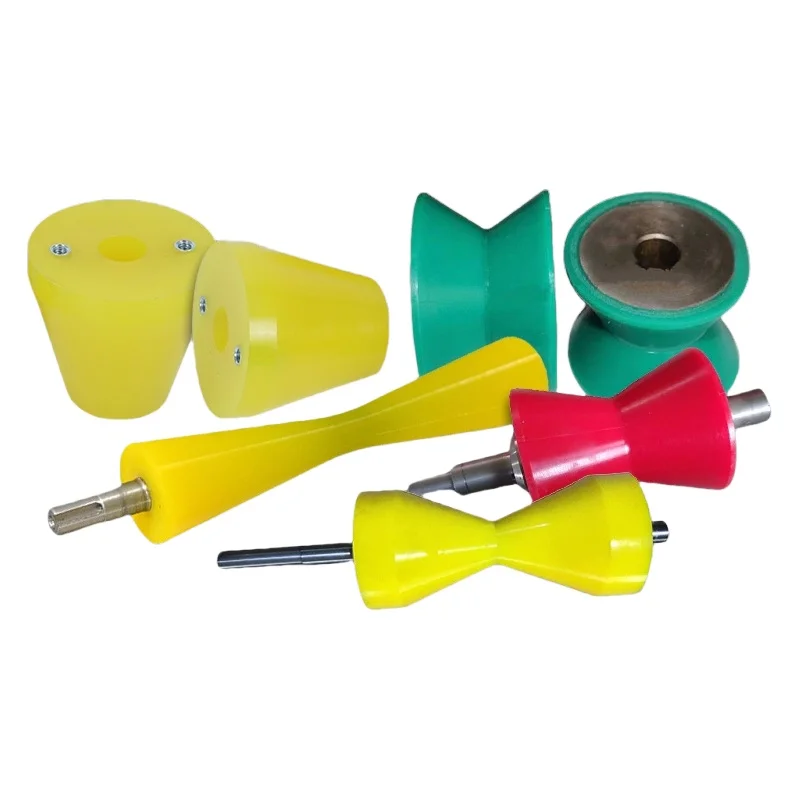
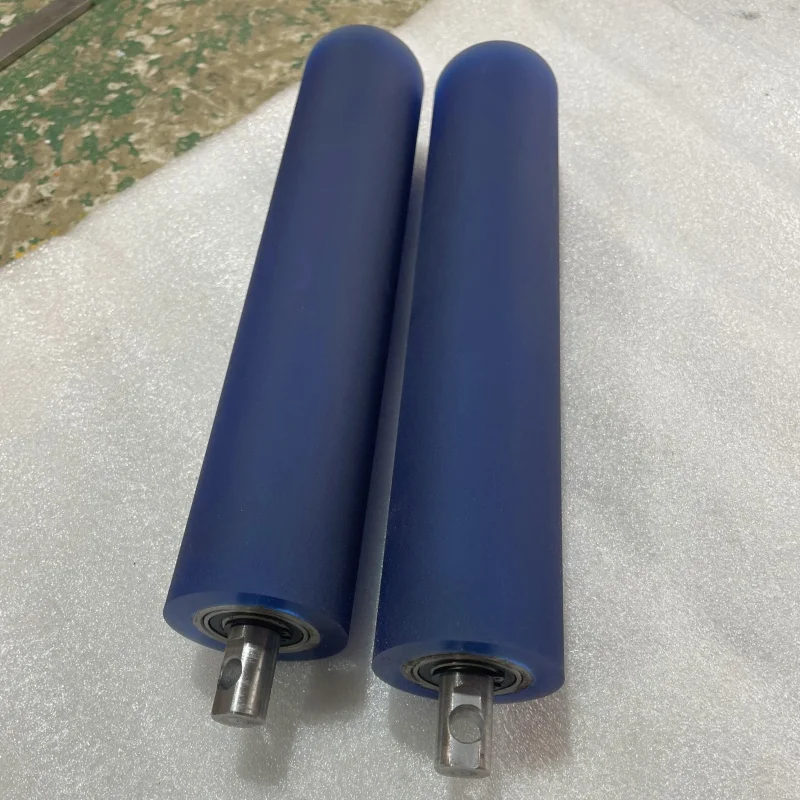
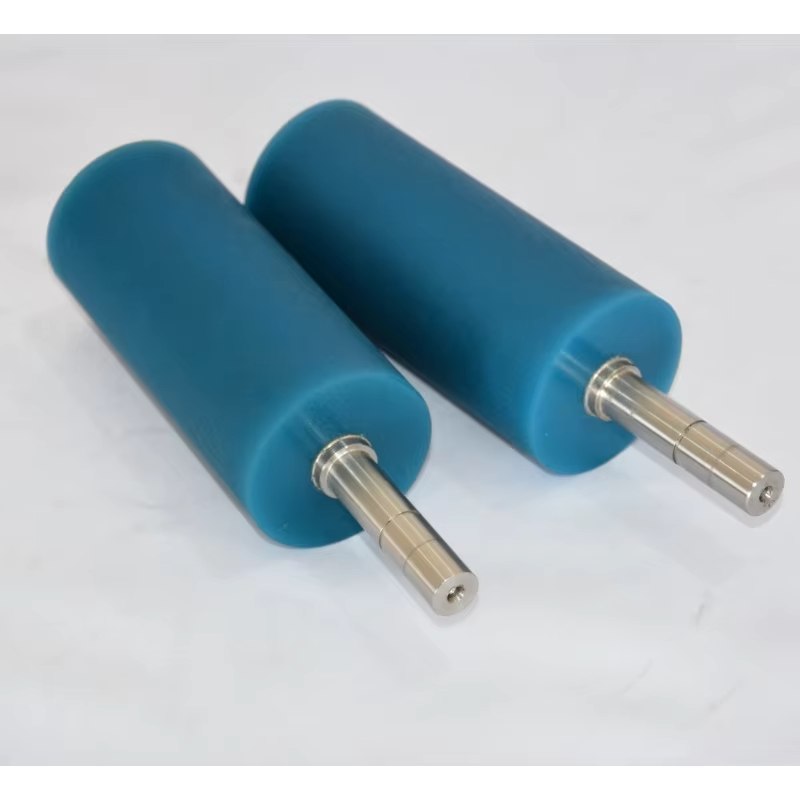
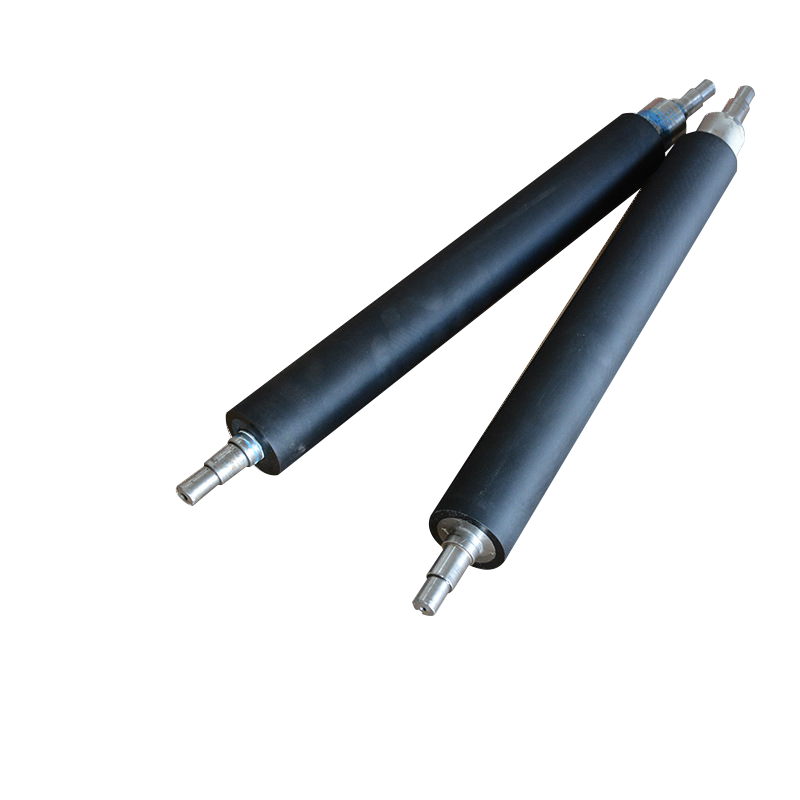
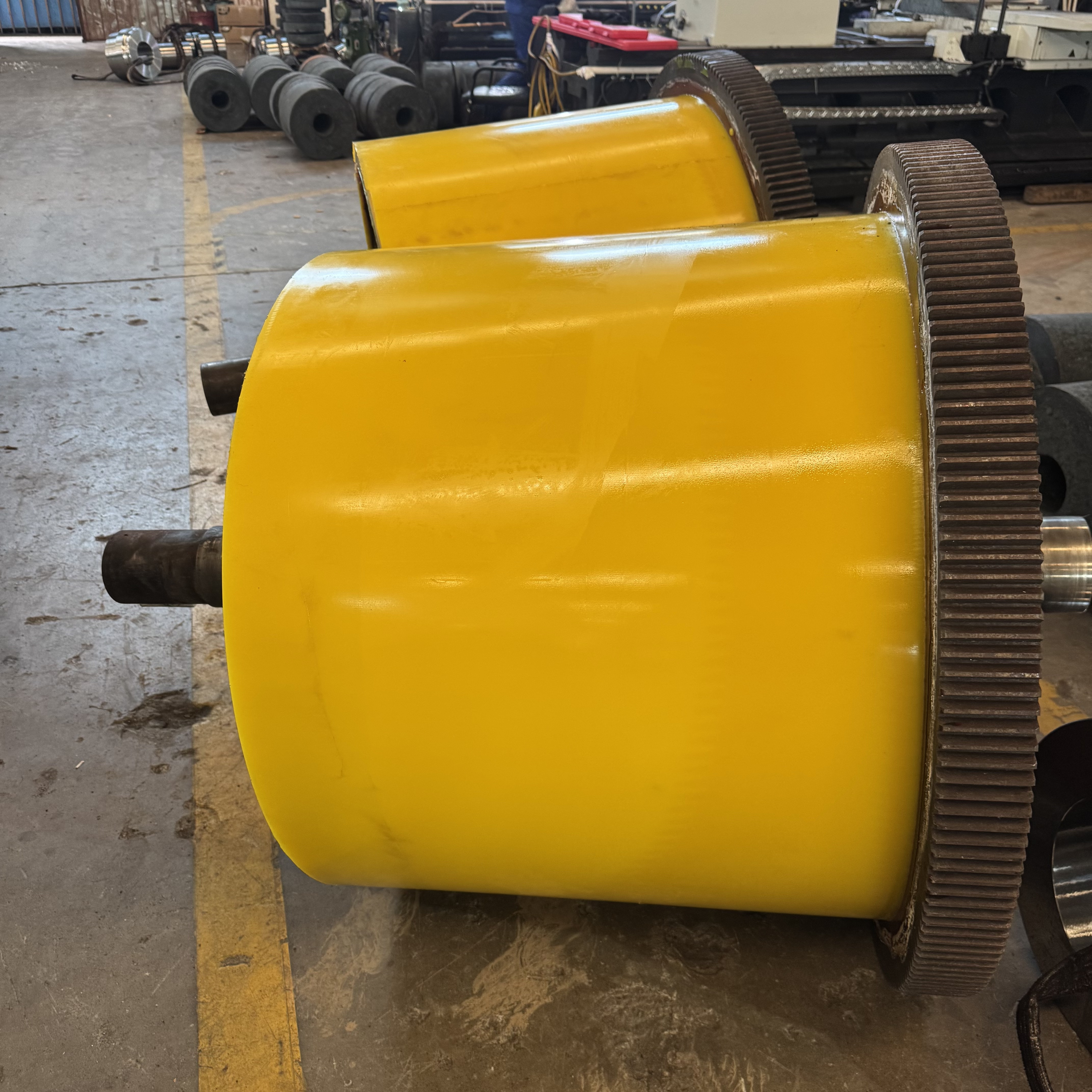
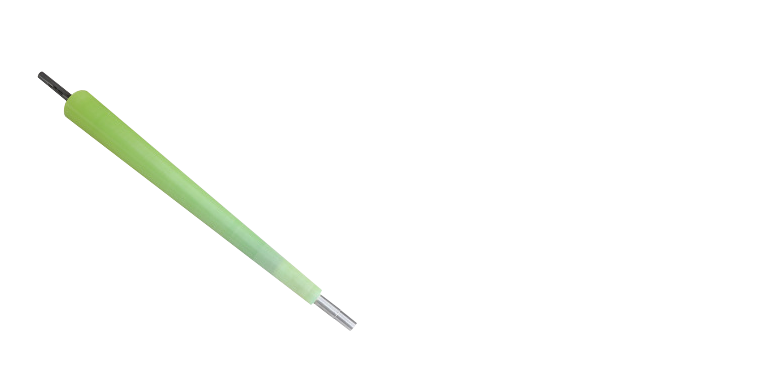
Rubber coated rollers represent a critical component in modern industrial machinery, serving as essential elements that enhance operational efficiency across numerous manufacturing processes. These specialized rollers feature a metal core wrapped with precision-engineered rubber compounds, creating a versatile solution for material handling, processing, and transportation applications. The primary function of rubber coated rollers involves providing controlled friction, cushioning, and surface protection during material movement and processing operations. Manufacturing industries rely heavily on these components to maintain consistent product quality while reducing wear and tear on both the machinery and processed materials. The technological features of rubber coated rollers include customizable durometer ratings, which determine the hardness and flexibility of the rubber coating. Engineers can specify different rubber compounds such as natural rubber, synthetic rubber, or specialized polymers based on specific application requirements. Advanced manufacturing techniques ensure precise dimensional tolerances, uniform coating thickness, and optimal bonding between the metal core and rubber surface. Temperature resistance capabilities allow these rollers to function effectively in extreme environments, from freezing cold storage facilities to high-temperature industrial ovens. Chemical resistance properties enable safe operation with various substances including oils, solvents, and corrosive materials. The applications for rubber coated rollers span across multiple industries including printing, packaging, textiles, food processing, pharmaceuticals, and heavy manufacturing. In printing operations, these rollers ensure smooth paper feeding and consistent ink distribution. Packaging facilities utilize them for conveyor systems and sealing processes. Textile manufacturers depend on rubber coated rollers for fabric processing and finishing operations. Food processing plants require food-grade rubber compounds that meet strict hygiene standards while maintaining durability under frequent cleaning cycles. The versatility and reliability of rubber coated rollers make them indispensable for businesses seeking to optimize their production processes while maintaining high quality standards and operational safety.

New Product Recommendations

Rubber coated rollers deliver exceptional performance benefits that directly translate into improved productivity and cost savings for businesses across various industries. The primary advantage lies in their superior grip and traction capabilities, which eliminate slippage issues that commonly plague standard metal rollers. This enhanced grip ensures consistent material movement, reducing product defects and minimizing waste during production processes. The shock absorption properties of rubber coating significantly reduce noise levels in manufacturing facilities, creating a more comfortable working environment while extending the lifespan of surrounding machinery components. Unlike bare metal rollers, rubber coated alternatives provide gentle handling of delicate materials, preventing scratches, dents, and surface damage that could compromise product quality. This protective function proves particularly valuable when processing sensitive materials such as paper, film, fabric, or finished goods. The customizable nature of rubber compounds allows manufacturers to tailor roller specifications to match exact operational requirements. Different hardness levels accommodate varying load capacities and application demands, while specialized rubber formulations resist specific chemicals, temperatures, or environmental conditions. This adaptability eliminates the need for frequent roller replacements and reduces maintenance costs over time. Corrosion resistance represents another significant advantage, as the rubber coating acts as a protective barrier against moisture, chemicals, and atmospheric contaminants that typically cause metal deterioration. This protection extends roller service life considerably compared to uncoated alternatives, resulting in lower replacement frequencies and reduced downtime. The non-marking characteristics of quality rubber coated rollers prevent unwanted impressions or stains on processed materials, maintaining product appearance and market value. Energy efficiency improvements occur through reduced friction coefficients, which decrease motor loads and power consumption during operation. Easy maintenance procedures further enhance operational efficiency, as most rubber coated rollers require only periodic cleaning and visual inspection rather than complex mechanical servicing. Temperature stability ensures consistent performance across seasonal variations and process temperature fluctuations, maintaining reliable operation throughout the year. Cost-effectiveness emerges through extended service intervals, reduced material waste, lower energy consumption, and decreased maintenance requirements, making rubber coated rollers a smart investment for forward-thinking businesses seeking operational excellence.

Latest News

How Do Rubber Rollers Affect Conveyor Performance and Longevity?

31

Oct

How Do Rubber Rollers Affect Conveyor Performance and Longevity?

Understanding the Critical Role of Rubber Rollers in Industrial Conveyor Systems In modern industrial settings, the efficiency and reliability of conveyor systems depend heavily on their components, with rubber rollers being among the most crucial el...
View More
What Are the Key Benefits of Using Custom Rubber Rollers in Factories?

31

Oct

What Are the Key Benefits of Using Custom Rubber Rollers in Factories?

Understanding the Impact of Advanced Rubber Roller Technology in Modern Manufacturing Manufacturing excellence depends heavily on the quality and precision of equipment components. Among these critical elements, custom rubber rollers have emerged as ...
View More
How Do Round Belts Optimize Power Transmission in Industrial Machines?

27

Nov

How Do Round Belts Optimize Power Transmission in Industrial Machines?

Industrial power transmission systems form the backbone of modern manufacturing operations, where efficiency and reliability directly impact production outcomes. Among the various transmission components available today, round belts have emerged as a...
View More
Can Round Belts Improve Conveyor Efficiency in Production Lines?

27

Nov

Can Round Belts Improve Conveyor Efficiency in Production Lines?

Modern production lines depend heavily on efficient material handling systems, and conveyor belts serve as the backbone of industrial operations worldwide. Among the various belt configurations available, round belts have emerged as a specialized sol...
View More

Get a Free Quote

Our representative will contact you soon.
Email
Mobile
Name
Company Name
Message
0/1000

rubber coated rollers

Superior Durability and Extended Service Life

Superior Durability and Extended Service Life

Rubber coated rollers demonstrate remarkable longevity compared to conventional metal rollers, delivering exceptional value through extended operational periods and reduced replacement costs. The advanced rubber compounds used in modern roller construction resist wear, cracking, and degradation even under demanding industrial conditions. High-quality rubber formulations maintain their physical properties through millions of rotation cycles, ensuring consistent performance throughout their service life. The bonding technology between the metal core and rubber coating creates an inseparable union that prevents delamination, a common failure mode in inferior products. This superior construction methodology involves specialized adhesion promoters and curing processes that create molecular-level bonds capable of withstanding extreme mechanical stresses. Environmental factors such as UV radiation, ozone exposure, and temperature fluctuations pose significant challenges to rubber materials, but premium rubber coated rollers incorporate stabilizing additives that maintain material integrity over extended periods. The metal core typically consists of precision-machined steel or aluminum that provides structural strength while the rubber coating absorbs operational stresses that would otherwise cause premature failure. Quality control measures during manufacturing ensure uniform coating thickness and density, eliminating weak points that could lead to premature wear or failure. Regular inspection protocols help identify potential issues before they become costly problems, but the robust construction of quality rubber coated rollers typically requires minimal intervention during normal service life. The economic impact of extended service life extends beyond simple replacement cost savings to include reduced inventory requirements, lower maintenance labor costs, and decreased production interruptions. Businesses can schedule maintenance activities during planned downtime rather than responding to unexpected failures, improving overall operational efficiency. The consistent performance characteristics maintained throughout the roller's service life ensure product quality remains stable, protecting brand reputation and customer satisfaction. Environmental considerations also favor durable rubber coated rollers, as longer service life reduces material consumption and waste generation compared to frequently replaced alternatives.
Exceptional Chemical and Temperature Resistance

Exceptional Chemical and Temperature Resistance

Modern rubber coated rollers exhibit outstanding resistance to chemical exposure and temperature extremes, making them suitable for demanding industrial environments where conventional rollers would fail rapidly. The selection of appropriate rubber compounds depends on specific chemical compatibility requirements, with options including nitrile rubber for oil resistance, EPDM for weather resistance, and specialized fluoropolymer compounds for extreme chemical environments. Chemical resistance testing ensures that selected rubber formulations maintain their physical and mechanical properties when exposed to process chemicals, cleaning agents, and environmental contaminants commonly encountered in industrial applications. Temperature resistance capabilities enable rubber coated rollers to function reliably in applications ranging from sub-zero cold storage facilities to high-temperature manufacturing processes exceeding 200 degrees Celsius. Thermal stability prevents rubber hardening, softening, or degradation that would compromise roller performance and potentially damage processed materials. The thermal expansion characteristics of quality rubber compounds match closely with the metal core, preventing internal stresses that could cause coating separation or cracking. Steam resistance proves particularly important in food processing and pharmaceutical applications where high-temperature cleaning and sterilization procedures are standard operating requirements. The non-porous nature of properly cured rubber surfaces prevents chemical absorption and bacterial growth, essential features for maintaining sanitary conditions in sensitive manufacturing environments. Cleaning protocols benefit from chemical resistance properties, as harsh sanitizing agents and high-pressure washing systems cannot damage properly formulated rubber coatings. Process flexibility increases significantly when rubber coated rollers can accommodate various chemicals and temperature conditions without requiring specialized handling procedures or frequent replacements. Quality assurance programs verify chemical and temperature resistance through rigorous testing protocols that simulate actual operating conditions over extended periods. Documentation of chemical compatibility helps facility managers select appropriate roller specifications for specific applications, reducing the risk of premature failure or safety concerns. The investment in chemically resistant rubber coated rollers pays dividends through reduced maintenance costs, improved process reliability, and enhanced worker safety in challenging industrial environments.
Enhanced Performance Through Customizable Surface Properties

Enhanced Performance Through Customizable Surface Properties

Rubber coated rollers offer unparalleled customization options that allow engineers to optimize surface properties for specific applications, delivering superior performance compared to one-size-fits-all solutions. Surface texture modifications range from smooth finishes for gentle material handling to aggressive patterns for enhanced grip and traction applications. Durometer selection enables precise control over roller hardness, with soft compounds providing maximum conformability for irregular surfaces and harder formulations delivering superior load-bearing capacity for heavy-duty applications. Color coding options facilitate visual identification and process control, helping operators quickly identify different roller types and maintain proper equipment configuration. Specialized surface treatments can incorporate anti-static properties essential for electronics manufacturing, food-grade certifications for pharmaceutical and food processing applications, or flame-resistant characteristics for high-risk environments. The precision manufacturing capabilities available today allow for complex surface geometries including grooves, knurling, or custom patterns that enhance specific performance characteristics. Crown adjustments compensate for deflection under load, ensuring uniform pressure distribution across the roller width and preventing edge wear or material tracking problems. Dynamic balancing procedures eliminate vibration issues that could compromise product quality or accelerate equipment wear, particularly important for high-speed applications. Surface finish specifications can be tailored to match material requirements, preventing damage to sensitive substrates while maintaining adequate grip for positive material control. Quality rubber compounds maintain their surface properties throughout their service life, ensuring consistent performance from initial installation through final replacement. The ability to modify surface properties enables optimization of material handling characteristics, reducing waste and improving product quality in manufacturing processes. Engineering support from experienced manufacturers helps customers select optimal surface configurations based on specific application requirements, material properties, and operational constraints. Testing capabilities allow validation of surface property modifications before full-scale production, reducing implementation risks and ensuring optimal performance. The flexibility to customize surface properties makes rubber coated rollers suitable for specialized applications where standard alternatives cannot deliver acceptable performance, expanding operational possibilities and improving competitive positioning for forward-thinking manufacturers.

Get a Free Quote

Our representative will contact you soon.
Email
Mobile
Name
Company Name
Message
0/1000