EN
EN
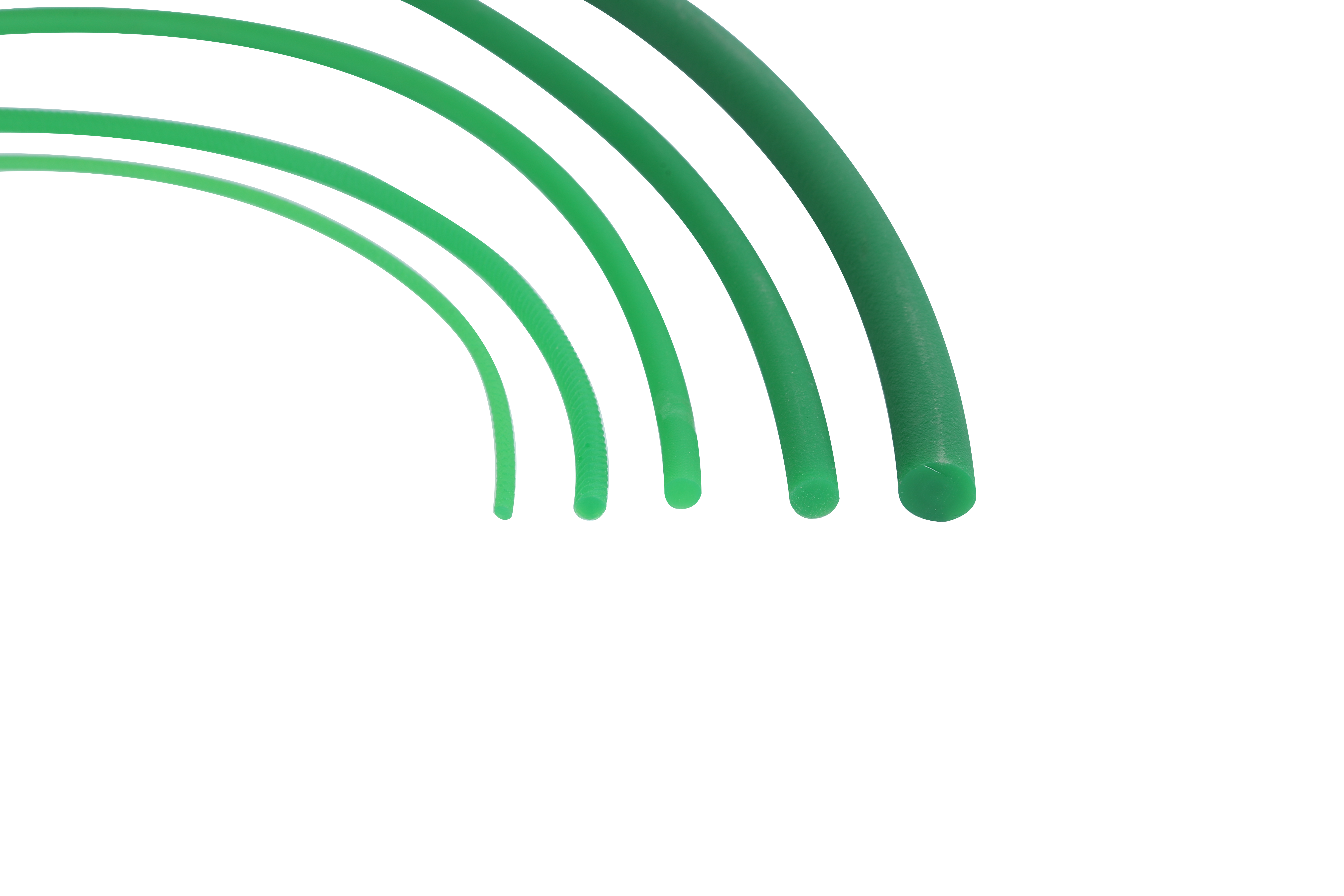
Manufacturing industries frequently encounter challenging material handling scenarios where conventional conveyor systems struggle to maintain efficiency and durability. When dealing with oily surfaces, abrasive particles, and harsh industrial environments, polyurethane conveyor belts emerge as the superior solution that combines chemical resistance, mechanical strength, and operational reliability. These specialized conveyor systems demonstrate exceptional performance characteristics that enable seamless material transport even under the most demanding conditions.
The unique molecular structure of polyurethane provides polyurethane conveyor belts with remarkable adaptability to handle substances that would quickly degrade other belt materials. Understanding how these conveyor systems manage oily and abrasive materials reveals the sophisticated engineering principles that make them indispensable in sectors ranging from food processing to heavy manufacturing. This comprehensive analysis explores the specific mechanisms, design features, and performance advantages that enable polyurethane conveyor belts to excel in challenging operational environments.
Chemical Resistance Mechanisms in Polyurethane Belt Design
Molecular Structure and Oil Repellent Properties
The exceptional oil resistance of polyurethane conveyor belts stems from their unique polymer chain structure, which exhibits low surface energy characteristics that naturally repel oily substances. Unlike traditional rubber or PVC belting materials, polyurethane maintains its structural integrity when exposed to various hydrocarbon-based oils, greases, and lubricants commonly found in industrial environments. The cross-linked urethane bonds create a dense molecular network that prevents oil penetration into the belt material, ensuring long-term performance stability.
This molecular resistance extends beyond simple oil contact to include complex chemical interactions that occur during material transport processes. Polyurethane conveyor belts demonstrate superior performance when handling petroleum products, hydraulic fluids, and food-grade oils without experiencing swelling, cracking, or surface degradation. The material's inherent chemical stability allows for easy cleaning and maintenance, as accumulated oils can be removed without damaging the belt surface or compromising its operational characteristics.
The hydrophobic nature of polyurethane surfaces also contributes to improved material flow characteristics, as oily materials slide more efficiently across the belt surface rather than adhering or building up during transport. This self-cleaning property reduces maintenance requirements and ensures consistent conveyor performance throughout extended operational periods.
Temperature Stability and Chemical Compatibility
Temperature fluctuations in industrial environments can significantly impact how conveyor materials interact with oily substances, but polyurethane conveyor belts maintain their chemical resistance across a broad temperature range. The thermoplastic properties of polyurethane allow these belts to perform effectively in both high-temperature applications where oils may become more aggressive and low-temperature conditions where other materials might become brittle and prone to cracking.
The chemical compatibility of polyurethane extends to various industrial cleaning agents and sanitizing solutions commonly used to remove oil residues from conveyor systems. This compatibility enables thorough cleaning protocols without compromising belt integrity, making polyurethane conveyor belts particularly suitable for applications requiring strict hygiene standards, such as food processing facilities handling oily products.
Advanced polyurethane formulations can be customized to enhance specific chemical resistance properties, allowing manufacturers to tailor belt characteristics to particular oil types or chemical environments. This customization capability ensures optimal performance in specialized applications where standard conveyor materials would fail prematurely due to chemical attack or degradation.
Abrasion Resistance and Mechanical Durability Features
Surface Hardness and Wear Characteristics
The exceptional abrasion resistance of polyurethane conveyor belts results from their unique ability to combine surface hardness with underlying elasticity, creating a material that can withstand continuous contact with abrasive particles while maintaining structural flexibility. The durometer rating of polyurethane can be precisely controlled during manufacturing, allowing engineers to specify the optimal hardness level for specific abrasive material handling applications.
When transporting materials such as metal shavings, sand, crushed stone, or other abrasive substances, polyurethane conveyor belts demonstrate superior wear resistance compared to conventional rubber belting. The material's high tensile strength and tear resistance enable it to maintain integrity even when subjected to sharp edges or impact loading from heavy abrasive materials. This durability translates directly into extended service life and reduced replacement costs.
The self-healing properties inherent in polyurethane chemistry contribute to extended belt life in abrasive environments. Minor surface scratches and gouges that would propagate into major damage in other materials tend to close and heal in polyurethane, preventing the initiation of catastrophic belt failures that could disrupt production operations.
Load Distribution and Impact Absorption
Polyurethane conveyor belts excel at distributing point loads from irregular or sharp-edged materials across a broader surface area, reducing localized stress concentrations that typically cause premature failure in other belt materials. This load distribution capability is particularly important when handling mixed material streams containing both oily substances and abrasive particles, as the belt must simultaneously resist chemical attack and mechanical wear.
The viscoelastic properties of polyurethane provide excellent impact absorption characteristics, allowing the belt to cushion heavy or dropped materials without sustaining damage. This impact resistance is crucial in applications where abrasive materials are loaded onto the conveyor system from height or where material flow creates dynamic loading conditions that would quickly destroy less resilient belt materials.
Advanced polyurethane conveyor belts incorporate reinforcement layers that enhance their ability to handle high-tension applications while maintaining flexibility for small pulley diameters. This combination of strength and flexibility allows these belts to navigate complex conveyor layouts while maintaining their resistance to both oily and abrasive materials throughout the transport path.
Design Features That Optimize Performance in Challenging Environments
Surface Texturing and Profile Configurations
The surface design of polyurethane conveyor belts can be customized with various texturing patterns and profile configurations that enhance their ability to handle oily and abrasive materials effectively. Raised patterns, cleats, and specialized surface treatments improve material grip while preventing slippage that commonly occurs when transporting oily substances on smooth belt surfaces. These surface modifications also help channel away excess oils and prevent accumulation that could lead to tracking problems.
Diamond patterns, chevron configurations, and custom-molded profiles provide enhanced material control while maintaining the belt's inherent resistance to abrasive wear. The ability to mold complex surface geometries directly into polyurethane conveyor belts during manufacturing eliminates the need for secondary attachments that could become failure points in harsh operating environments.
Specialized edge treatments and sidewall configurations further enhance the performance of polyurethane conveyor belts in applications involving both oily and abrasive materials. These design features prevent material spillage while ensuring that the belt edges maintain their integrity despite continuous exposure to challenging operating conditions.
Splicing Technology and Joint Integrity
The joining methods available for polyurethane conveyor belts provide superior resistance to both chemical attack from oils and mechanical stress from abrasive materials. Heat welding techniques create seamless joints that eliminate weak points where other belt types typically fail when exposed to aggressive substances. These welded joints maintain the same chemical and abrasion resistance as the base belt material.
Advanced splicing technologies enable field repairs and modifications to polyurethane conveyor belts without compromising their performance in oily or abrasive environments. This repairability reduces downtime and maintenance costs while ensuring continued operation even when localized damage occurs during material handling operations.
The joint strength of properly welded polyurethane conveyor belts often exceeds the strength of the base material, creating endless belt configurations that can withstand the combined stresses of chemical exposure and mechanical wear without developing joint-related failures that plague other belt types in similar applications.
Operational Advantages and Performance Benefits
Maintenance Requirements and Cleaning Protocols
The smooth, non-porous surface of polyurethane conveyor belts significantly reduces maintenance requirements when handling oily and abrasive materials compared to textured or porous belt surfaces that trap contaminants. Regular cleaning can be accomplished using standard industrial cleaning methods without requiring specialized solvents or aggressive treatments that might damage other belt materials.
The chemical inertness of polyurethane allows for steam cleaning, pressure washing, and chemical sanitization protocols without concerns about material degradation or performance loss. This cleaning versatility is particularly valuable in food processing applications where oily products must be handled while maintaining strict sanitation standards throughout the production process.
Preventive maintenance programs for polyurethane conveyor belts focus primarily on monitoring belt tracking and tension rather than addressing chemical damage or abrasive wear that would require frequent attention with other belt materials. This reduced maintenance burden translates into lower operating costs and improved production reliability.
Energy Efficiency and Operating Characteristics
The low friction characteristics of polyurethane conveyor belts contribute to improved energy efficiency when transporting both oily and abrasive materials. The smooth surface and chemical resistance prevent material buildup that would increase rolling resistance and drive motor loads in other conveyor systems. This efficiency advantage becomes more pronounced in long conveyor installations where energy costs represent a significant operational expense.
The dimensional stability of polyurethane under varying load conditions ensures consistent belt tracking and reduces the need for frequent adjustments that can increase energy consumption and create uneven wear patterns. This stability is particularly important when handling variable loads of abrasive materials mixed with oily substances that might cause other belt types to stretch or deform unpredictably.
Temperature resistance properties of polyurethane conveyor belts maintain their performance characteristics across seasonal temperature variations and process-induced heat exposure, ensuring consistent energy efficiency regardless of environmental conditions or the thermal characteristics of transported materials.
FAQ
How long do polyurethane conveyor belts last when handling oily and abrasive materials?
Polyurethane conveyor belts typically demonstrate service lives 3-5 times longer than conventional rubber or PVC belts when handling oily and abrasive materials. The exact lifespan depends on material characteristics, operating conditions, and maintenance practices, but many installations achieve 2-5 years of continuous operation before requiring replacement. The superior chemical and abrasion resistance of polyurethane significantly extends belt life compared to alternative materials.
Can polyurethane conveyor belts handle food-grade oils safely?
Yes, polyurethane conveyor belts are FDA-approved for direct food contact and can safely handle food-grade oils, cooking oils, and other edible substances. The non-toxic, non-absorbent properties of polyurethane prevent contamination while maintaining easy cleaning capabilities required in food processing environments. Many food manufacturers rely on polyurethane conveyor belts for handling oily food products throughout production and packaging operations.
What temperature range can polyurethane conveyor belts withstand while transporting oily materials?
Standard polyurethane conveyor belts typically operate effectively in temperature ranges from -40°F to 180°F (-40°C to 82°C) while maintaining their oil resistance properties. Specialized formulations can extend this range to handle higher temperatures up to 250°F (121°C) for specific applications. The material maintains its chemical resistance and mechanical properties throughout these temperature ranges, ensuring reliable performance with heated oils or in temperature-variable environments.
How do polyurethane conveyor belts compare to metal conveyors for abrasive material handling?
While metal conveyors offer excellent abrasion resistance, polyurethane conveyor belts provide superior noise reduction, impact absorption, and flexibility for complex conveyor layouts. Polyurethane belts also eliminate concerns about corrosion from oily materials and provide better material control through surface texturing options. The combination of chemical resistance and mechanical durability makes polyurethane conveyor belts more versatile for applications involving both oily and abrasive materials simultaneously.
Table of Contents
- Chemical Resistance Mechanisms in Polyurethane Belt Design
- Abrasion Resistance and Mechanical Durability Features
- Design Features That Optimize Performance in Challenging Environments
- Operational Advantages and Performance Benefits
-
FAQ
- How long do polyurethane conveyor belts last when handling oily and abrasive materials?
- Can polyurethane conveyor belts handle food-grade oils safely?
- What temperature range can polyurethane conveyor belts withstand while transporting oily materials?
- How do polyurethane conveyor belts compare to metal conveyors for abrasive material handling?