EN
EN
Material buildup on conveyor systems represents one of the most persistent challenges in industrial operations, often leading to costly downtime, reduced efficiency, and compromised product quality. The accumulation of debris, sticky materials, and residual substances creates a cascade of operational problems that can severely impact production timelines and maintenance schedules. Understanding why effective cleaning solutions like polyurethane cleaner scrapers have become essential tools in combating this industrial enemy reveals the critical role they play in maintaining optimal conveyor performance.
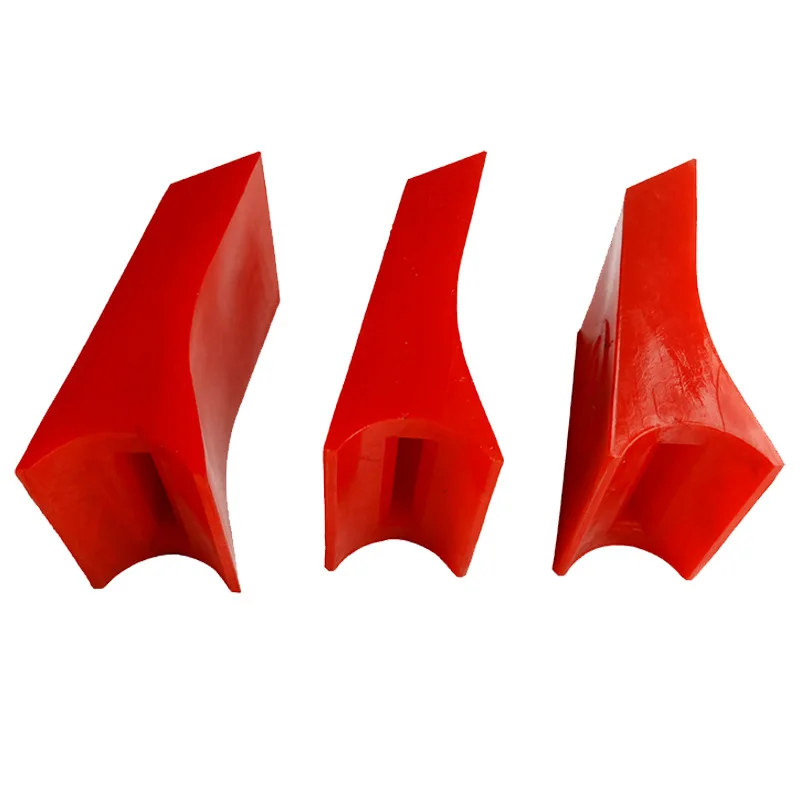
The superiority of polyurethane cleaner scrapers lies in their unique material properties and engineered design characteristics that directly address the root causes of material buildup. Unlike traditional cleaning methods that often provide temporary solutions, these specialized scrapers offer a proactive approach to maintaining clean conveyor surfaces. Their effectiveness stems from a combination of material science principles and practical engineering that makes them particularly suited for industries where material adhesion and accumulation pose significant operational challenges.
The Science Behind Material Buildup Prevention
Understanding Conveyor Surface Contamination
Material buildup occurs when particles, liquids, or semi-solid substances adhere to conveyor belt surfaces during the transportation process. This accumulation happens due to various factors including electrostatic attraction, moisture content, temperature variations, and the inherent stickiness of certain materials being conveyed. The polyurethane cleaner scraper addresses these issues through its molecular structure, which provides optimal contact pressure and surface interaction without causing damage to the belt material.
The effectiveness of polyurethane in cleaning applications comes from its viscoelastic properties, which allow it to conform to belt surface irregularities while maintaining consistent cleaning pressure. This adaptability ensures that the polyurethane cleaner scraper maintains contact with the entire belt width, eliminating the gaps where materials typically accumulate. The material's resistance to abrasion and chemical degradation ensures long-lasting performance even in harsh industrial environments where traditional scrapers would quickly deteriorate.
Chemical Resistance and Durability Factors
The polyurethane cleaner scraper demonstrates exceptional resistance to oils, solvents, and various chemical substances commonly found in industrial environments. This chemical stability prevents the scraper itself from becoming a source of contamination while maintaining its cleaning effectiveness over extended periods. The material's inherent properties resist swelling, hardening, or softening when exposed to different chemicals, ensuring consistent performance regardless of the substances being conveyed.
Temperature stability represents another crucial factor in the polyurethane cleaner scraper's effectiveness against material buildup. Unlike rubber or metal alternatives that may become brittle in cold conditions or soften excessively in heat, polyurethane maintains its optimal cleaning characteristics across a wide temperature range. This stability ensures reliable performance in environments ranging from refrigerated facilities to high-temperature manufacturing processes, making it a versatile solution for diverse industrial applications.
Mechanical Advantages in Buildup Elimination
Pressure Distribution and Contact Optimization
The polyurethane cleaner scraper's ability to distribute pressure evenly across the conveyor belt surface represents a fundamental advantage in preventing material buildup. Traditional metal scrapers often create point contacts that can damage belt surfaces while leaving areas uncleaned, but polyurethane's flexibility allows for complete surface contact. This comprehensive coverage ensures that no material particles can find refuge in areas where the scraper fails to reach, effectively eliminating the foundation for buildup formation.
The material's memory properties enable the polyurethane cleaner scraper to return to its original shape after deformation, maintaining consistent cleaning pressure throughout its operational life. This characteristic prevents the development of grooves or channels in the scraper surface that could allow materials to bypass the cleaning action. The self-recovering nature of polyurethane ensures that the scraper maintains its effectiveness even after prolonged use under varying load conditions.
Edge Design and Cleaning Efficiency
The edge geometry of a polyurethane cleaner scraper can be precisely engineered to optimize cleaning performance for specific applications. Unlike rigid materials that require predetermined shapes, polyurethane allows for custom edge profiles that maximize contact with belt surfaces while minimizing wear. The ability to create specialized edge configurations means that the polyurethane cleaner scraper can be tailored to address specific types of material buildup challenges, whether dealing with fine powders, sticky substances, or abrasive materials.
The dynamic interaction between the polyurethane cleaner scraper edge and the conveyor belt creates a wiping action that continuously removes both loose and adhered materials. This action prevents the accumulation of materials that could eventually harden or chemically bond to the belt surface, making them more difficult to remove. The consistent cleaning action maintains belt surface integrity while ensuring optimal material flow throughout the conveyor system.
Operational Benefits and Cost Effectiveness
Reduced Maintenance Requirements
The implementation of polyurethane cleaner scrapers significantly reduces maintenance demands compared to alternative cleaning solutions. Their durability and resistance to wear mean fewer replacement cycles, reduced downtime for scraper changes, and lower overall maintenance costs. The polyurethane cleaner scraper's ability to maintain cleaning effectiveness over extended periods eliminates the need for frequent adjustments or replacements that characterize other scraper materials.
The self-cleaning properties of polyurethane prevent the scraper itself from becoming contaminated with buildup materials. Unlike metal scrapers that may accumulate debris in surface scratches or rubber scrapers that may absorb contaminants, the polyurethane cleaner scraper maintains a clean working surface throughout its operational life. This characteristic reduces the need for scraper cleaning procedures and ensures consistent performance without additional maintenance interventions.
Energy Efficiency and System Performance
Material buildup on conveyor belts increases friction and requires additional energy to maintain belt speed, but the polyurethane cleaner scraper's prevention of accumulation directly translates to energy savings. Clean belt surfaces reduce motor load and power consumption while maintaining optimal conveyor speed. The smooth operation facilitated by effective cleaning reduces wear on drive components and extends the operational life of the entire conveyor system.
The polyurethane cleaner scraper contributes to improved material flow characteristics by maintaining clean transfer points and belt surfaces. This improvement reduces spillage, minimizes cleanup requirements, and ensures consistent material handling throughout the production process. The resulting operational efficiency gains often justify the investment in quality cleaning solutions through improved productivity and reduced operational costs.
Industry Applications and Performance Validation
Mining and Aggregate Industries
In mining operations where abrasive materials and moisture create challenging conditions for material buildup prevention, the polyurethane cleaner scraper has proven particularly effective. The combination of dust, moisture, and mineral particles creates adhesive conditions that traditional scrapers struggle to address consistently. The polyurethane cleaner scraper's ability to maintain cleaning effectiveness in these demanding environments while resisting wear from abrasive materials makes it an ideal solution for mining conveyor systems.
Aggregate processing facilities benefit from the polyurethane cleaner scraper's ability to handle varying material sizes and compositions while maintaining consistent cleaning performance. The scraper's flexibility accommodates irregular material shapes and sizes without losing contact with the belt surface, ensuring comprehensive cleaning regardless of the specific aggregate being processed. This versatility eliminates the need for multiple scraper types or frequent adjustments to accommodate different materials.
Food Processing and Chemical Manufacturing
Food processing environments require cleaning solutions that meet strict hygiene standards while effectively preventing material buildup that could harbor bacteria or contaminate products. The polyurethane cleaner scraper's non-porous surface and chemical resistance make it suitable for food-grade applications where cleanliness is paramount. Its ability to maintain effectiveness through repeated cleaning and sanitization cycles ensures consistent performance in regulated environments.
Chemical manufacturing facilities benefit from the polyurethane cleaner scraper's resistance to corrosive substances and aggressive cleaning agents. The material's stability in chemical environments prevents degradation that could compromise cleaning effectiveness or introduce contaminants into the production process. This chemical resistance ensures reliable performance even when handling reactive materials or operating in environments with aggressive atmospheric conditions.
FAQ
How does polyurethane cleaner scraper performance compare to metal scrapers in preventing material buildup?
Polyurethane cleaner scrapers significantly outperform metal scrapers in preventing material buildup due to their flexibility and complete surface contact capabilities. While metal scrapers create rigid point contacts that can miss areas and potentially damage belt surfaces, polyurethane conformably contacts the entire belt width. This complete coverage eliminates gaps where materials can accumulate, while the non-abrasive nature of polyurethane prevents belt damage that could create surface irregularities prone to material adhesion.
What factors determine the optimal polyurethane cleaner scraper configuration for specific material buildup challenges?
The optimal polyurethane cleaner scraper configuration depends on material characteristics, conveyor speed, belt type, and environmental conditions. Sticky or adhesive materials benefit from softer polyurethane formulations that provide greater surface conformability, while abrasive materials require harder formulations for durability. Belt speed affects the required scraper angle and pressure, with higher speeds typically requiring steeper angles for effective cleaning. Environmental factors such as temperature and chemical exposure influence material selection within the polyurethane family to ensure optimal performance and longevity.
Can polyurethane cleaner scrapers eliminate existing material buildup or only prevent new accumulation?
Polyurethane cleaner scrapers can effectively remove both existing material buildup and prevent new accumulation, though their effectiveness on existing buildup depends on the material type and adhesion strength. For hardened or chemically bonded buildup, initial mechanical removal may be necessary before installing the polyurethane cleaner scraper for ongoing prevention. However, many soft to moderate buildups can be gradually removed through the consistent wiping action of the polyurethane scraper over several operational cycles, after which the scraper maintains a clean belt surface.
How long do polyurethane cleaner scrapers maintain their effectiveness against material buildup?
Polyurethane cleaner scrapers typically maintain their effectiveness for 6 months to 2 years depending on operating conditions, material abrasiveness, and environmental factors. Unlike other scraper materials that may lose effectiveness gradually, polyurethane maintains consistent cleaning performance throughout most of its operational life due to its elastic memory properties. Regular inspection of the scraper edge and adjustment of contact pressure can extend effective life while ensuring continuous prevention of material buildup throughout the scraper's service period.
Table of Contents
- The Science Behind Material Buildup Prevention
- Mechanical Advantages in Buildup Elimination
- Operational Benefits and Cost Effectiveness
- Industry Applications and Performance Validation
-
FAQ
- How does polyurethane cleaner scraper performance compare to metal scrapers in preventing material buildup?
- What factors determine the optimal polyurethane cleaner scraper configuration for specific material buildup challenges?
- Can polyurethane cleaner scrapers eliminate existing material buildup or only prevent new accumulation?
- How long do polyurethane cleaner scrapers maintain their effectiveness against material buildup?