EN
EN
Long-distance material handling systems face unique engineering challenges that demand specialized solutions to maintain operational efficiency and minimize maintenance costs. V conveyor rollers represent a significant advancement in conveyor technology, offering distinct structural advantages that address the specific demands of extended transport applications. These specialized components provide enhanced tracking stability, improved load distribution, and superior belt alignment capabilities that become increasingly critical as conveyor distances extend beyond traditional shorter-run applications.
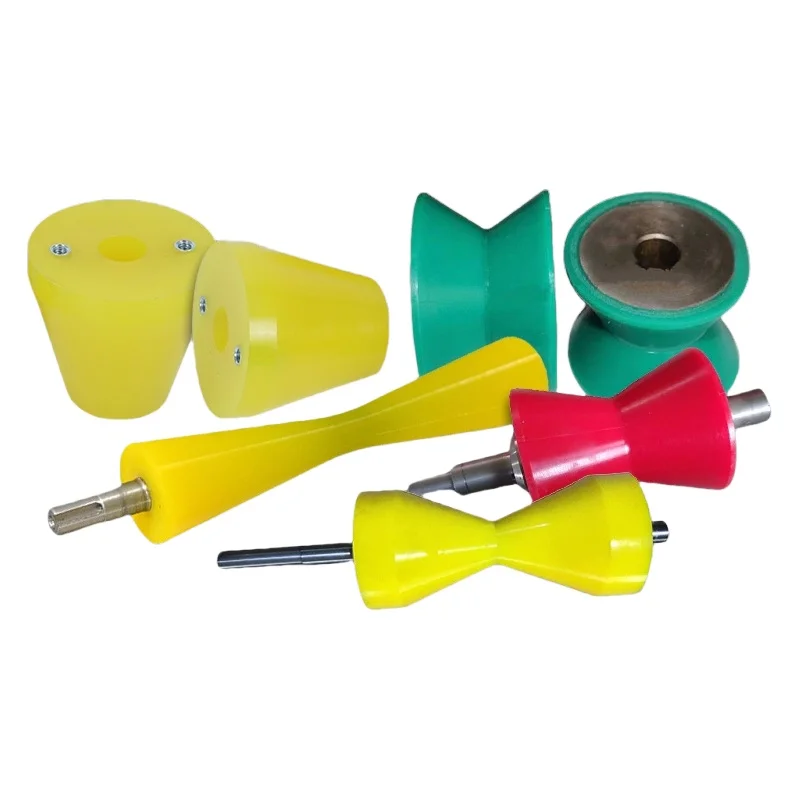
The structural design of v conveyor rollers incorporates a distinctive V-shaped profile that fundamentally transforms how conveyor belts interact with support mechanisms throughout extended transport distances. This engineered geometry creates natural centering forces that prevent belt drift and maintain consistent tracking performance, even when handling varying load conditions across thousands of feet of conveyor length. Understanding these structural advantages enables facility managers and engineers to make informed decisions about implementing v conveyor rollers in their long-distance material handling operations.
Enhanced Belt Tracking and Alignment Mechanisms
Geometric Design Principles for Tracking Control
The fundamental structural advantage of v conveyor rollers lies in their V-shaped groove configuration, which creates self-centering forces that naturally guide the conveyor belt toward optimal alignment. This geometric design principle becomes particularly important in long-distance applications where even minor tracking deviations can compound over extended distances, leading to belt edge damage, spillage, and operational disruptions. The V-profile creates contact points on both sides of the belt, generating corrective forces whenever the belt begins to drift from its intended path.
In practical applications, v conveyor rollers provide consistent tracking performance across varying environmental conditions, including thermal expansion effects, humidity changes, and load variations that commonly occur in long-distance systems. The structural design ensures that tracking corrections happen gradually and continuously, preventing the sudden belt movements that can occur with flat roller configurations when tracking adjustments become necessary.
Load Distribution and Contact Optimization
The V-shaped profile of these specialized rollers creates an optimal contact pattern that distributes belt loads more evenly across the roller surface compared to traditional flat rollers. This structural characteristic reduces localized stress concentrations that can lead to premature roller bearing failure and belt wear patterns in long-distance applications. The geometry ensures that contact forces are distributed across a broader surface area, reducing unit pressures and extending component service life.
Long-distance conveyor systems benefit significantly from this load distribution characteristic because accumulated stress effects become more pronounced over extended operating periods. V conveyor rollers help mitigate these effects by providing consistent support geometry that adapts to belt contours and maintains stable contact relationships even as system components experience normal operational wear and thermal cycling.
Structural Durability for Extended Operation Cycles
Material Stress Management
The structural advantages of v conveyor rollers extend beyond geometric considerations to encompass material stress management characteristics that prove essential in long-distance applications. The V-profile design naturally creates stress distribution patterns that reduce peak loading conditions on roller shells, bearings, and mounting hardware. This structural benefit becomes increasingly important as conveyor systems operate continuously over extended distances where component reliability directly impacts overall system availability.
Advanced v conveyor rollers incorporate engineered materials and manufacturing processes that optimize structural integrity for long-distance service requirements. The V-shaped geometry allows for wall thickness optimization that provides necessary structural strength while minimizing weight and rotational inertia. This balanced approach ensures that rollers can withstand the accumulated stress cycles typical of long-distance operations without compromising performance or requiring frequent replacement intervals.
Bearing Protection and Sealing Integration
The structural design of v conveyor rollers facilitates improved bearing protection mechanisms that prove crucial for long-distance material handling reliability. The V-profile configuration allows for enhanced sealing integration that protects internal components from environmental contaminants while maintaining the precise geometric relationships necessary for effective belt tracking. This structural advantage becomes particularly valuable in outdoor or dusty environments where long-distance conveyors must operate reliably despite challenging conditions.
Effective bearing protection in v conveyor rollers relies on structural design elements that create multiple barriers against contamination while allowing for thermal expansion and normal operational movements. The V-shaped housing design provides natural drainage paths that prevent moisture accumulation while maintaining the structural integrity necessary for consistent tracking performance throughout extended service intervals.
Operational Efficiency in Long-Distance Applications
Energy Transfer Optimization
V conveyor rollers provide structural advantages that directly impact energy efficiency in long-distance material handling systems through optimized rolling resistance characteristics and improved belt support mechanisms. The V-profile design creates contact geometry that minimizes energy losses associated with belt flexing and roller rotation, contributing to reduced power consumption across extended conveyor distances where cumulative energy savings become significant operational factors.
The structural efficiency of v conveyor rollers becomes apparent in their ability to maintain consistent rolling characteristics throughout their service life, avoiding the performance degradation that can occur with traditional roller configurations as wear patterns develop. This consistency ensures that energy efficiency benefits are maintained over extended operational periods, supporting the economic justification for long-distance conveyor installations.
Maintenance Access and Serviceability
Long-distance conveyor systems require maintenance strategies that minimize downtime while ensuring reliable component replacement and service procedures. V conveyor rollers incorporate structural design features that facilitate maintenance access and component replacement in remote locations typical of extended conveyor installations. The V-profile design allows for standardized mounting configurations that simplify replacement procedures and reduce the specialized tools required for field maintenance.
Structural advantages in v conveyor rollers include modular design approaches that enable component replacement without requiring complete roller removal or extensive conveyor shutdown procedures. This design philosophy recognizes that long-distance systems may span remote areas where maintenance logistics present unique challenges, making component accessibility and serviceability critical factors in overall system reliability.
Integration with Long-Distance System Design
Support Structure Compatibility
The structural characteristics of v conveyor rollers complement long-distance conveyor support structure requirements through standardized mounting interfaces and load distribution patterns that integrate effectively with various support framework designs. These rollers provide consistent mounting geometry that accommodates the structural variations typical of extended conveyor installations, including elevation changes, thermal expansion joints, and variable support spacing requirements.
V conveyor rollers demonstrate structural advantages in their ability to maintain performance consistency across different installation conditions while providing the flexibility necessary to accommodate long-distance system design requirements. The standardized V-profile ensures that tracking performance remains consistent regardless of local installation variations, supporting overall system reliability across extended distances.
Environmental Adaptation Capabilities
Long-distance material handling systems typically encounter varying environmental conditions that require roller designs capable of maintaining structural integrity and performance consistency across diverse operating conditions. V conveyor rollers incorporate design features that address thermal cycling, moisture exposure, and environmental contamination challenges through robust structural configurations that protect critical components while maintaining operational effectiveness.
The structural advantages of v conveyor rollers include corrosion resistance features and protective coatings that extend service life in challenging environmental conditions typical of long-distance outdoor installations. These design elements ensure that the tracking and support benefits provided by the V-profile geometry are maintained throughout extended exposure to weather conditions, temperature variations, and environmental contaminants that characterize long-distance conveyor operations.
FAQ
How do v conveyor rollers improve belt tracking compared to standard flat rollers?
V conveyor rollers create natural centering forces through their V-shaped profile that continuously guide the conveyor belt toward proper alignment. This geometric design generates corrective forces whenever the belt begins to drift, providing automatic tracking adjustment that becomes increasingly important in long-distance applications where minor alignment issues can compound over extended distances.
What maintenance advantages do v conveyor rollers offer in long-distance systems?
V conveyor rollers provide improved bearing protection through enhanced sealing integration and reduced stress concentrations that extend component service life. Their structural design facilitates easier maintenance access and standardized replacement procedures, which becomes crucial in remote locations typical of long-distance conveyor installations where maintenance logistics present unique challenges.
Can v conveyor rollers handle the same load capacities as traditional rollers?
Yes, v conveyor rollers are engineered to handle equivalent or superior load capacities compared to traditional flat rollers while providing additional benefits of improved load distribution and tracking performance. The V-profile design actually enhances load distribution characteristics by spreading contact forces across a broader surface area, reducing localized stress concentrations.
What environmental conditions are v conveyor rollers designed to withstand?
V conveyor rollers incorporate corrosion-resistant materials and protective coatings designed to withstand outdoor environmental conditions including temperature variations, moisture exposure, and environmental contamination typical of long-distance conveyor installations. Their structural design includes drainage features and sealing systems that protect internal components while maintaining consistent performance across diverse operating conditions.
Table of Contents
- Enhanced Belt Tracking and Alignment Mechanisms
- Structural Durability for Extended Operation Cycles
- Operational Efficiency in Long-Distance Applications
- Integration with Long-Distance System Design
-
FAQ
- How do v conveyor rollers improve belt tracking compared to standard flat rollers?
- What maintenance advantages do v conveyor rollers offer in long-distance systems?
- Can v conveyor rollers handle the same load capacities as traditional rollers?
- What environmental conditions are v conveyor rollers designed to withstand?