EN
EN

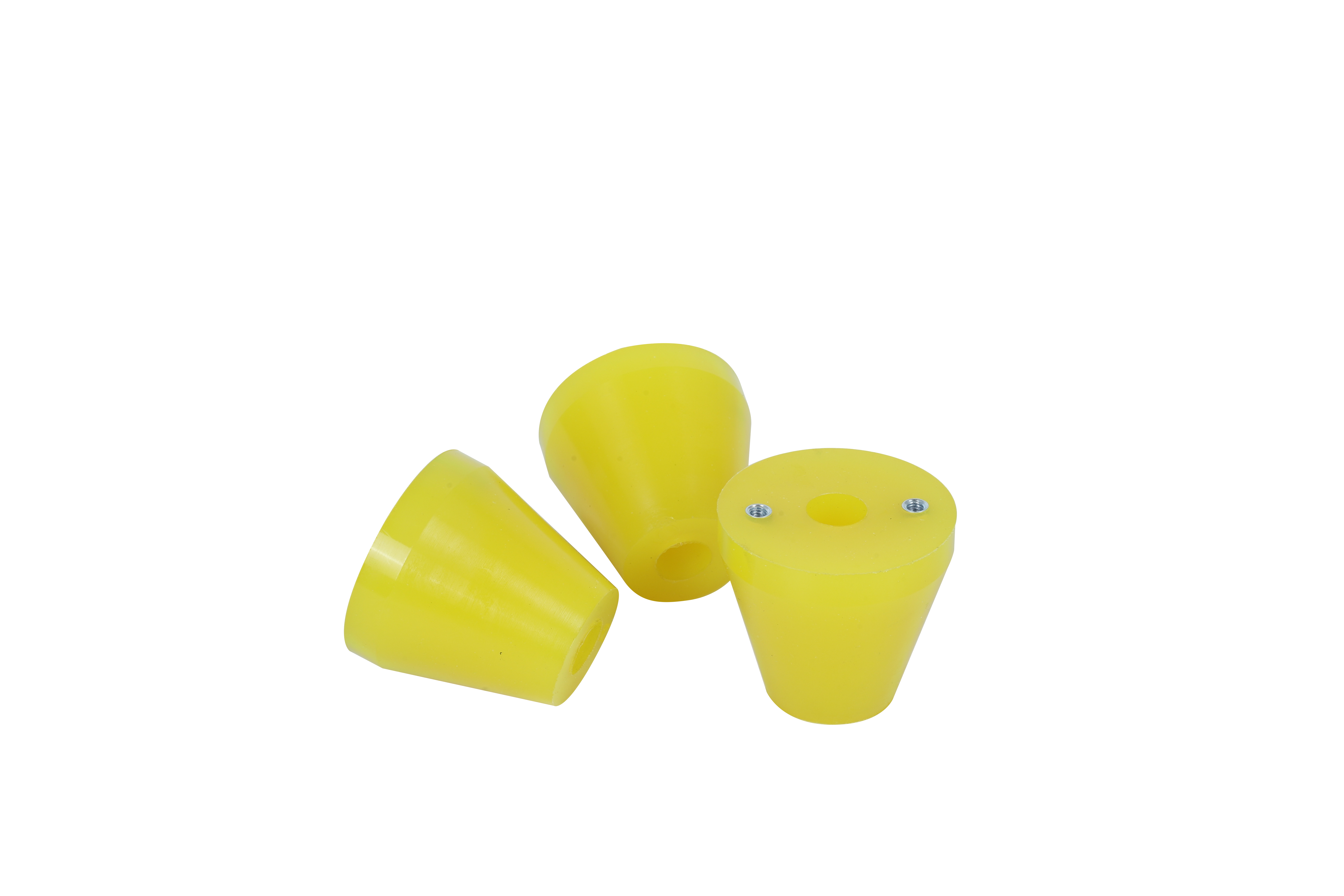
Industrial conveyor systems face constant operational challenges, with material buildup and contamination being primary causes of unexpected downtime. When sticky residues, debris, and foreign materials accumulate on conveyor belts, they create friction, tracking issues, and potential equipment failure. A precision polyurethane cleaner scraper addresses these challenges by providing consistent, effective cleaning action that prevents material accumulation and maintains optimal belt performance.
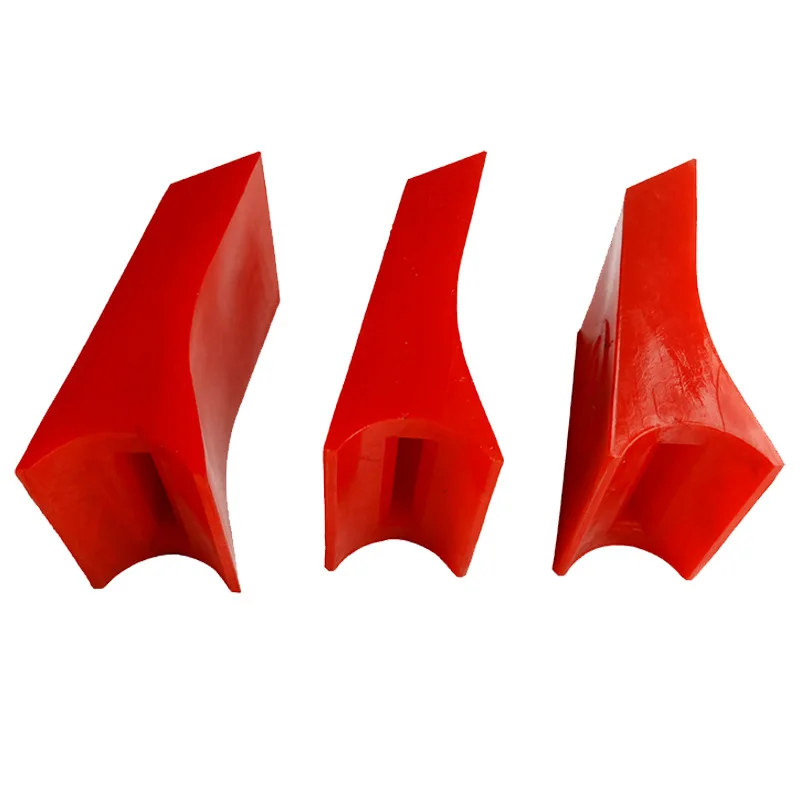
The 40% reduction in downtime achieved through precision polyurethane scraper technology stems from its superior material properties, enhanced durability, and consistent cleaning performance. Unlike traditional metal or rubber scrapers, polyurethane scrapers maintain their shape and effectiveness over extended periods while providing gentle yet thorough cleaning action. This reliability translates directly into fewer maintenance interventions, reduced belt damage, and significantly improved operational continuity across various industrial applications.
Material Properties That Drive Performance
Advanced Polyurethane Composition
The effectiveness of a precision polyurethane cleaner scraper begins with its unique material composition. Polyurethane combines the flexibility of rubber with the durability of harder materials, creating an optimal balance for conveyor belt cleaning applications. This material maintains its elasticity across wide temperature ranges, ensuring consistent contact pressure and cleaning effectiveness regardless of environmental conditions.
Advanced polyurethane formulations resist chemical degradation from oils, acids, and alkaline substances commonly found in industrial environments. This chemical resistance prevents scraper deterioration that leads to ineffective cleaning and frequent replacement cycles. The material's molecular structure provides exceptional tear resistance, allowing scrapers to handle sharp debris and abrasive materials without compromising their cleaning edge integrity.
The precision manufacturing process creates scrapers with consistent hardness ratings and surface properties. This uniformity ensures predictable performance across the entire cleaning edge, eliminating weak points that could lead to premature failure or uneven cleaning patterns. The controlled material properties enable manufacturers to optimize scraper design for specific application requirements and belt characteristics.
Durability Under Extreme Conditions
Precision polyurethane scrapers demonstrate exceptional longevity in harsh operating environments where traditional materials fail rapidly. The material's resistance to UV radiation, ozone, and temperature cycling prevents degradation that causes brittleness and cracking in conventional scrapers. This environmental stability maintains scraper effectiveness over extended service periods, reducing replacement frequency and associated downtime.
The inherent flexibility of polyurethane allows scrapers to accommodate belt irregularities and dynamic loading without developing stress fractures. This adaptability is crucial in applications where conveyor belts experience varying loads, speeds, or tracking conditions. The material's ability to flex and recover repeatedly extends scraper life while maintaining consistent cleaning pressure against the belt surface.
Impact resistance protects polyurethane cleaner scrapers from damage caused by large debris or sudden belt movements. Unlike brittle materials that crack upon impact, polyurethane absorbs energy and returns to its original shape, maintaining cleaning effectiveness. This resilience prevents catastrophic scraper failure that could damage conveyor belts or create safety hazards in industrial operations.
Precision Design Features That Minimize Downtime
Optimal Contact Geometry
The precision design of polyurethane cleaner scrapers focuses on creating optimal contact geometry between the scraper blade and conveyor belt surface. Advanced manufacturing techniques produce consistent blade angles and edge profiles that maximize cleaning effectiveness while minimizing belt wear. This geometric precision ensures uniform pressure distribution across the cleaning edge, preventing localized wear patterns that could compromise cleaning performance.
Customizable blade angles allow engineers to optimize scraper performance for specific belt speeds, material characteristics, and cleaning requirements. The ability to precisely control contact angles enables maximum debris removal while minimizing the force required to achieve effective cleaning. This optimization reduces power consumption and mechanical stress on conveyor systems, contributing to overall operational efficiency.
The precision-molded design incorporates features that enhance debris discharge and prevent material buildup on the scraper itself. Smooth surface finishes and strategic contouring direct removed materials away from the cleaning zone, preventing re-contamination of cleaned belt surfaces. These design elements maintain cleaning effectiveness throughout extended operating periods without requiring frequent maintenance interventions.
Adaptive Mounting Systems
Precision polyurethane cleaner scrapers incorporate adaptive mounting systems that maintain optimal cleaning pressure automatically. These systems compensate for scraper wear and belt variations through spring-loaded or pneumatic adjustment mechanisms. The automatic pressure regulation ensures consistent cleaning performance throughout the scraper's service life without manual adjustments that require system shutdown.
The mounting design accommodates thermal expansion and belt tracking variations that occur during normal operation. Flexible mounting points allow scrapers to follow belt movement while maintaining effective cleaning contact. This adaptability prevents scraper damage from belt misalignment or thermal cycling, extending service life and reducing maintenance requirements.
Quick-change mounting features enable rapid scraper replacement when maintenance is required. Tool-free installation and removal systems minimize the time required for scraper service, reducing planned downtime significantly. The precision mounting interface ensures proper scraper alignment and contact pressure immediately upon installation, eliminating adjustment periods that could compromise cleaning effectiveness.
Operational Benefits That Reduce System Downtime
Consistent Cleaning Performance
The consistent performance characteristics of precision polyurethane scrapers directly translate into reduced unplanned downtime. Unlike traditional scrapers that gradually lose effectiveness as they wear, polyurethane scrapers maintain their cleaning capability throughout their service life. This consistency prevents the gradual buildup of materials that eventually requires emergency cleaning procedures and associated production interruptions.
Predictable wear patterns allow maintenance teams to schedule scraper replacement during planned downtime periods. The uniform wear characteristics of polyurethane cleaner scrapers enable accurate prediction of replacement intervals, preventing unexpected failures that disrupt production schedules. This predictability supports proactive maintenance strategies that optimize overall equipment effectiveness.
The superior cleaning effectiveness reduces contamination of conveyor system components downstream from the scraper location. Effective debris removal prevents material accumulation on idlers, pulleys, and drive components that could cause mechanical failures. This comprehensive system protection extends component life and reduces the frequency of major maintenance events that require extended downtime periods.
Reduced Belt Damage and Wear
Precision polyurethane scrapers provide gentle yet effective cleaning action that preserves conveyor belt integrity. The material's controlled hardness and smooth surface finish minimize abrasive wear on belt surfaces while effectively removing accumulated materials. This gentle cleaning action extends belt life significantly, reducing the frequency of costly belt replacement procedures that require substantial downtime.
The consistent contact pressure achieved through precision design prevents belt damage from excessive scraper force or inadequate cleaning contact. Properly designed polyurethane scrapers maintain optimal cleaning pressure automatically, eliminating the risk of belt cuts or surface damage from improperly adjusted scrapers. This protection preserves belt structural integrity and prevents premature failure modes that require emergency replacement.
The chemical compatibility of polyurethane with most belt materials prevents degradation of belt compounds through chemical interaction. This compatibility is particularly important in applications involving oils, chemicals, or food products where scraper materials could contaminate the conveyor system. The inert nature of polyurethane scrapers ensures long-term belt performance without chemical degradation issues.
Implementation Strategies for Maximum Effectiveness
Proper Sizing and Selection
Achieving optimal performance from precision polyurethane cleaner scrapers requires careful selection of scraper dimensions and material properties for specific applications. Belt width, speed, and material characteristics determine the appropriate scraper size and mounting configuration. Proper sizing ensures complete belt coverage while maintaining effective cleaning pressure across the entire belt width.
Material hardness selection balances cleaning effectiveness with belt protection requirements. Harder polyurethane formulations provide more aggressive cleaning action for stubborn materials, while softer compounds offer gentler cleaning for delicate belt surfaces. The selection process considers material characteristics, environmental conditions, and required cleaning performance to optimize scraper effectiveness.
Installation positioning determines cleaning effectiveness and scraper longevity. Optimal placement considers belt wrap angles, material discharge patterns, and accessibility for maintenance operations. Proper positioning maximizes debris removal while ensuring safe and practical maintenance access when scraper service is required.
Integration with Maintenance Programs
Successful implementation of precision polyurethane scrapers requires integration with comprehensive preventive maintenance programs. Regular inspection protocols monitor scraper condition and performance to identify wear patterns before they compromise cleaning effectiveness. These inspections support predictive replacement scheduling that prevents unexpected failures and associated downtime.
Maintenance procedures include verification of mounting system integrity and adjustment mechanisms. Proper maintenance ensures that adaptive features continue to function correctly throughout the scraper's service life. Regular attention to mounting systems prevents problems that could compromise scraper performance or create safety hazards during operation.
Training programs ensure that maintenance personnel understand proper installation and adjustment procedures for polyurethane cleaner scraper systems. Proper training prevents installation errors that could compromise performance or damage equipment. Well-trained personnel can identify potential issues during routine inspections and take corrective action before problems affect production operations.
FAQ
How long do precision polyurethane cleaner scrapers typically last in industrial applications?
Precision polyurethane cleaner scrapers typically provide 3 to 6 months of effective service in most industrial applications, significantly longer than traditional rubber or metal alternatives. Service life depends on belt speed, material abrasiveness, environmental conditions, and proper installation. The predictable wear characteristics allow accurate replacement scheduling during planned maintenance periods.
Can polyurethane scrapers handle high-temperature conveyor applications?
Advanced polyurethane formulations can handle continuous temperatures up to 180°F (82°C) and intermittent exposure to higher temperatures. Special high-temperature polyurethane compounds extend this range for applications involving heated materials or extreme environmental conditions. Proper material selection ensures scraper performance and longevity in demanding thermal environments.
What maintenance is required for precision polyurethane cleaner scrapers?
Maintenance requirements include weekly visual inspections for wear patterns and mounting system integrity, monthly verification of cleaning effectiveness, and adjustment of contact pressure as needed. The predictable wear patterns of polyurethane scrapers enable scheduled replacement during planned downtime. Proper maintenance procedures maximize service life and prevent unexpected failures.
How do polyurethane scrapers compare to traditional metal scrapers in terms of belt protection?
Polyurethane scrapers provide superior belt protection compared to metal alternatives through controlled hardness, smooth surface finish, and consistent contact pressure. The material's flexibility prevents belt cuts and surface damage while maintaining effective cleaning action. This protection significantly extends belt life and reduces replacement costs compared to more aggressive metal scraper systems.
Table of Contents
- Material Properties That Drive Performance
- Precision Design Features That Minimize Downtime
- Operational Benefits That Reduce System Downtime
- Implementation Strategies for Maximum Effectiveness
-
FAQ
- How long do precision polyurethane cleaner scrapers typically last in industrial applications?
- Can polyurethane scrapers handle high-temperature conveyor applications?
- What maintenance is required for precision polyurethane cleaner scrapers?
- How do polyurethane scrapers compare to traditional metal scrapers in terms of belt protection?