EN
EN

Belt slip is one of the most damaging and costly problems in heavy industrial machinery. When a v-belt loses its grip on the sheave, energy transfer becomes inefficient, heat builds up, and mechanical wear accelerates rapidly. Understanding how to prevent belt slip starts with choosing the right v-belt design and maintaining the system with precision.
In heavy machinery environments such as packaging lines, printing equipment, and cutting process systems, the v-belt is subjected to high loads, temperature fluctuations, and continuous operational stress. Advanced v-belt grip technology, particularly precision polyurethane v-belt designs, offers a reliable solution to eliminate slip, reduce unplanned downtime, and extend the service life of the entire drive system. This guide explains the key mechanisms, selection strategies, and maintenance practices that prevent v-belt slip effectively.
Why V-Belt Slip Happens in Heavy Machinery
The Root Causes of V-Belt Slip
V-belt slip most commonly occurs when the belt cannot maintain sufficient friction contact within the sheave groove. A v-belt that is worn, stretched, or improperly tensioned will progressively lose its wedging action inside the groove, causing the belt to slide rather than drive. This phenomenon is especially common in high-torque applications where the v-belt must transfer significant force across the drive system.
Contamination is another major cause. Oil, dust, or moisture on the v-belt surface or sheave walls reduces the coefficient of friction dramatically. A v-belt operating in a contaminated environment without protective measures will slip under even moderate load conditions. In addition, misalignment between sheaves forces the v-belt to run at an angle, creating uneven contact pressure and accelerating the onset of slip.
How Heat and Load Affect V-Belt Performance
Thermal stress plays a significant role in v-belt slip, particularly in industrial processes involving cutting, printing, or high-speed packaging. A standard rubber v-belt softens under sustained heat, losing its structural rigidity and grip characteristics. As the v-belt deforms, the wedging geometry changes, reducing the contact area and increasing the likelihood of slip. A high-temperature polyurethane v-belt is engineered to maintain its profile and grip even under elevated thermal conditions, making it far more reliable in demanding environments.
Sudden load spikes are equally problematic. When a machine starts under full load or encounters an unexpected jam, the v-belt must absorb the impulse force without slipping. A v-belt with superior tensile reinforcement and a precision-formed cross-section handles load surges more effectively than a standard v-belt, because it preserves the wedge contact angle that is critical for friction-based power transmission.
Advanced V-Belt Grip Technology and Design Features
Precision Cross-Section and Wedge Profile
The geometry of a v-belt determines how well it wedges into the sheave groove and how much grip it can develop. An advanced v-belt engineered with a precision wedge profile maximizes the contact surface between the belt flanks and the sheave walls. This increases the normal force acting on the v-belt without requiring excessive tensioning, which in turn reduces bearing loads and prolongs shaft life.
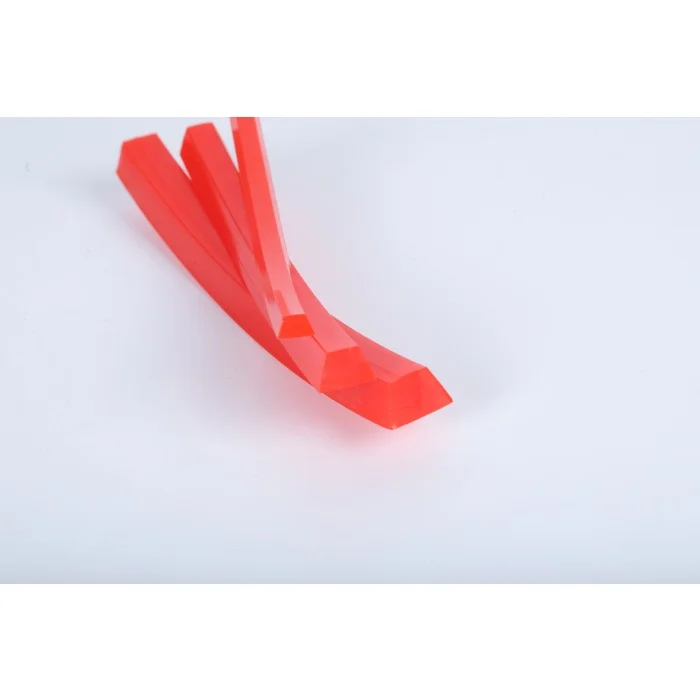
Polyurethane v-belt designs offer a notable advantage here. The material maintains dimensional stability over a wide temperature range, ensuring that the v-belt retains its original profile even after extended use. A precision polyurethane v-belt used in packaging or printing equipment consistently delivers better grip performance compared to conventional rubber v-belt options under the same operating conditions.
Material Selection for Superior V-Belt Grip
The choice of v-belt material directly affects its grip capability, flexibility, and resistance to environmental factors. Polyurethane v-belt construction resists oil contamination, resists abrasion, and maintains flexibility at both high and low temperatures. These properties make the polyurethane v-belt a preferred choice for industrial drive systems where grip reliability is non-negotiable.
A reinforced v-belt core, typically built with high-tensile polyester or aramid cords, prevents elongation under load. This keeps the v-belt tension consistent throughout operation, eliminating the slack that allows slip to begin. When selecting a v-belt for heavy machinery, combining a high-grip polyurethane outer layer with a stable reinforced core provides the most effective defense against belt slip across varied operating conditions.
Installation and Maintenance Practices to Prevent V-Belt Slip
Correct V-Belt Tensioning and Alignment
Even the most advanced v-belt will slip if it is not installed correctly. Proper v-belt tensioning is the single most important installation factor. An under-tensioned v-belt cannot generate adequate wedging force, while an over-tensioned v-belt accelerates bearing wear and may cause the v-belt to crack prematurely. Using a tension gauge during v-belt installation ensures the belt operates within its designed performance window.
Sheave alignment must be verified before any v-belt is placed into service. Misaligned sheaves cause the v-belt to experience lateral forces that pull it out of the groove, reducing effective contact and creating conditions for slip. A straight-edge or laser alignment tool should be used to confirm that both sheaves are coplanar before the v-belt is tensioned and the machine is started.
Ongoing V-Belt Inspection and Replacement Intervals
Preventive maintenance is essential to sustaining v-belt grip performance over time. Regular inspection of the v-belt should include checking for visible wear on the flanks, cracking along the outer surface, glazing caused by heat, and any signs of belt hardening or deformation. A glazed v-belt has lost most of its friction surface and will slip under normal operating loads even if tension appears correct.
Establishing a consistent v-belt replacement schedule based on operating hours and load conditions prevents slip events before they cause machine damage. Keeping spare v-belt units on hand for critical machinery minimizes downtime when a belt reaches the end of its service life. Pairing scheduled v-belt replacement with sheave inspection ensures that groove wear does not undermine the performance of a newly installed v-belt.
FAQ
What is the most effective way to stop a v-belt from slipping?
The most effective approach is to combine correct v-belt tensioning, proper sheave alignment, and a precision polyurethane v-belt with a high-grip wedge profile. Addressing all three factors together eliminates the most common causes of v-belt slip in heavy machinery applications.
How does a polyurethane v-belt reduce slip compared to rubber?
A polyurethane v-belt maintains its dimensional profile and friction properties under heat and contamination better than a standard rubber v-belt. This dimensional stability ensures the v-belt continues to wedge correctly into the sheave groove, preserving grip even in demanding industrial conditions.
How often should a v-belt be inspected in heavy-duty machinery?
In heavy-duty applications, a v-belt should be visually inspected at every scheduled maintenance interval, typically every 500 to 1000 operating hours. Any v-belt showing glazing, cracking, or flank wear should be replaced immediately to prevent unexpected slip and potential damage to the connected drive components.