EN
EN

In laboratory environments, every component that contacts chemicals, solvents, or cleaning agents must withstand constant exposure without degrading. Round belts made from polyurethane are among the most critically evaluated parts in lab equipment, because their material integrity directly affects both machine performance and safety. When round belts fail due to chemical attack, unexpected downtime and contamination risks follow quickly.
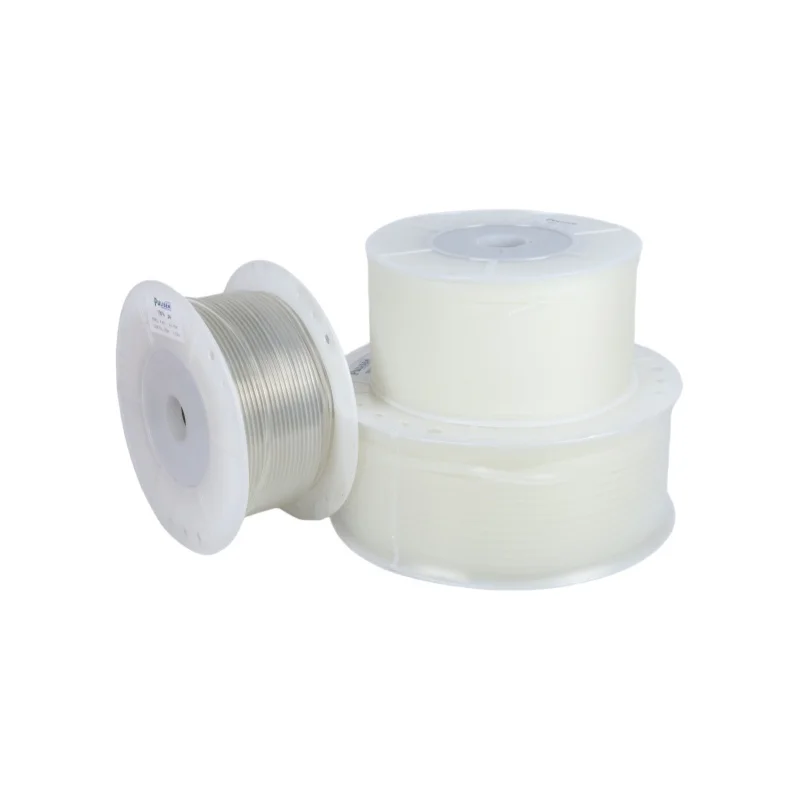
Pulisen's round belts are designed with chemical resistance as a core engineering priority. These round belts are produced from high-grade thermoplastic polyurethane, which provides a strong barrier against the acids, alkalis, and organic solvents that routinely appear in analytical and research laboratory settings. Understanding exactly how and why these round belts resist chemical degradation helps procurement engineers and lab managers make confident specification decisions.
Material Foundations of Chemical Resistance in Round Belts
Why Polyurethane Matters for Round Belts
Polyurethane is the dominant material choice for round belts used in chemically active environments because it combines elasticity with robust molecular resistance. Unlike rubber-based round belts, which swell or crack when exposed to ketones, esters, or chlorinated cleaning solutions, polyurethane round belts maintain dimensional stability across a wide range of chemical contacts. The polymer backbone in these round belts resists hydrolysis when properly formulated, preventing the surface softening that degrades timing accuracy in lab instruments.
Pulisen's round belts use a thermoplastic polyurethane compound that has been tested against common laboratory reagents including ethanol, acetone, dilute hydrochloric acid, and sodium hydroxide solutions. The round belts retain their tensile strength and flexibility even after repeated exposure cycles, which is a critical requirement for equipment such as centrifuges, fraction collectors, and automated pipetting systems where round belts must operate reliably over extended periods.
Surface Treatment and Its Role in Protecting Round Belts
Beyond the base polymer, surface characteristics determine how round belts interact with chemical residues. Pulisen's round belts feature a slightly rough surface texture that resists liquid film formation, meaning that aggressive reagents are less likely to pool on the belt surface and initiate localized chemical attack. This textured design also improves grip in wet or contaminated conditions, ensuring that round belts continue to transfer motion accurately even when the drive surface is exposed to moisture or low-concentration chemical sprays.
The surface hardness of these round belts is controlled during manufacturing to prevent micro-cracking under mechanical stress combined with chemical exposure. Micro-cracks are a known failure path for round belts in lab environments because they allow chemicals to penetrate below the surface layer, accelerating internal degradation. By maintaining uniform surface hardness, Pulisen's round belts significantly extend their working lifespan compared to untreated alternatives.
Performance of Round Belts Across Common Lab Chemicals
Resistance to Organic Solvents in Round Belts
Organic solvents such as ethanol, isopropanol, and methanol are used extensively in laboratory cleaning and sample preparation workflows. Round belts operating in equipment near these solvents face the risk of surface swelling or plasticizer leaching, both of which alter belt dimensions and affect drive precision. Pulisen's round belts are formulated to minimize swelling in short-chain alcohols, making them well suited for equipment positioned in solvent-rich workspaces.
For more aggressive solvents such as acetone or tetrahydrofuran, the round belts still perform acceptably under intermittent contact, though prolonged immersion is outside their standard use case. Lab managers specifying round belts for equipment in high-solvent environments should consider exposure frequency when evaluating whether standard polyurethane round belts or a reinforced variant is appropriate. Pulisen offers custom cutting and processing services for round belts, enabling length and diameter specifications tailored to each application.
Resistance to Acids and Alkalis in Round Belts
Dilute acids and alkalis are frequently encountered in laboratory equipment used for titration, pH adjustment, and sample washing. Round belts in such environments must resist surface degradation from splash contact and vapor exposure. Pulisen's round belts demonstrate stable performance when exposed to dilute hydrochloric acid at concentrations up to approximately 10%, and to sodium hydroxide at concentrations commonly used in laboratory cleaning protocols.
The polyurethane matrix in these round belts does not absorb acidic or alkaline solutions readily, which means the elastic modulus of the round belts remains consistent after chemical exposure events. Consistent elasticity is important because round belts that soften or harden after acid or alkali contact will alter tension levels inside the drive system, potentially causing slippage or premature wear in precision lab instruments. Pulisen's round belts are engineered to maintain predictable mechanical behavior under these real-world conditions.
Selecting Round Belts for Specific Laboratory Conditions
Matching Round Belts to Equipment Requirements
Selecting the right round belts for laboratory equipment requires evaluating both chemical exposure profiles and mechanical load conditions simultaneously. Round belts that excel in chemical resistance but lack sufficient tensile strength will fail under the cyclic stresses of high-speed centrifuge drives or multi-axis robotic arms. Pulisen's round belts are manufactured to balance chemical resistance with the mechanical durability needed for continuous operation in demanding lab instruments.
When specifying round belts for new equipment builds or maintenance replacements, lab engineers should document which chemicals will contact the round belts directly and which will be present only as ambient vapors. Direct contact demands higher chemical resistance from round belts than vapor-only exposure. Pulisen's technical team supports custom specification of round belts to match exact environmental and mechanical parameters, ensuring that the selected round belts perform reliably throughout their intended service cycle.
Maintenance Practices That Extend Round Belt Service Life
Even highly resistant round belts benefit from structured maintenance practices. Wiping down round belts after chemical exposure events, avoiding sharp bending during storage, and inspecting round belts regularly for surface discoloration or micro-cracking are all practices that extend service life. Round belts that show surface whitening or tackiness after chemical contact should be replaced promptly to avoid unexpected failure. Maintaining a small inventory of correctly sized round belts ensures that laboratory operations are not disrupted by belt availability delays.
FAQ
What chemicals can Pulisen's round belts resist in laboratory use?
Pulisen's round belts are resistant to dilute acids, alkalis, ethanol, isopropanol, and many common laboratory cleaning agents. The polyurethane material in these round belts provides reliable protection against the chemical exposures most frequently encountered in analytical and research laboratory equipment.
How often should round belts be replaced in chemically active lab environments?
Replacement intervals for round belts depend on exposure frequency, chemical concentration, and mechanical load. In high-exposure environments, inspecting round belts every three to six months is a practical guideline. Round belts showing surface damage, dimensional change, or loss of elasticity should be replaced immediately regardless of calendar interval.
Can round belts be custom cut for non-standard laboratory equipment dimensions?
Yes, Pulisen's round belts are available with custom cutting and processing services, allowing precise length and diameter specifications for non-standard laboratory equipment. This flexibility makes round belts from Pulisen suitable for both standard production instruments and specialized research apparatus where off-the-shelf round belts do not fit correctly.