EN
EN

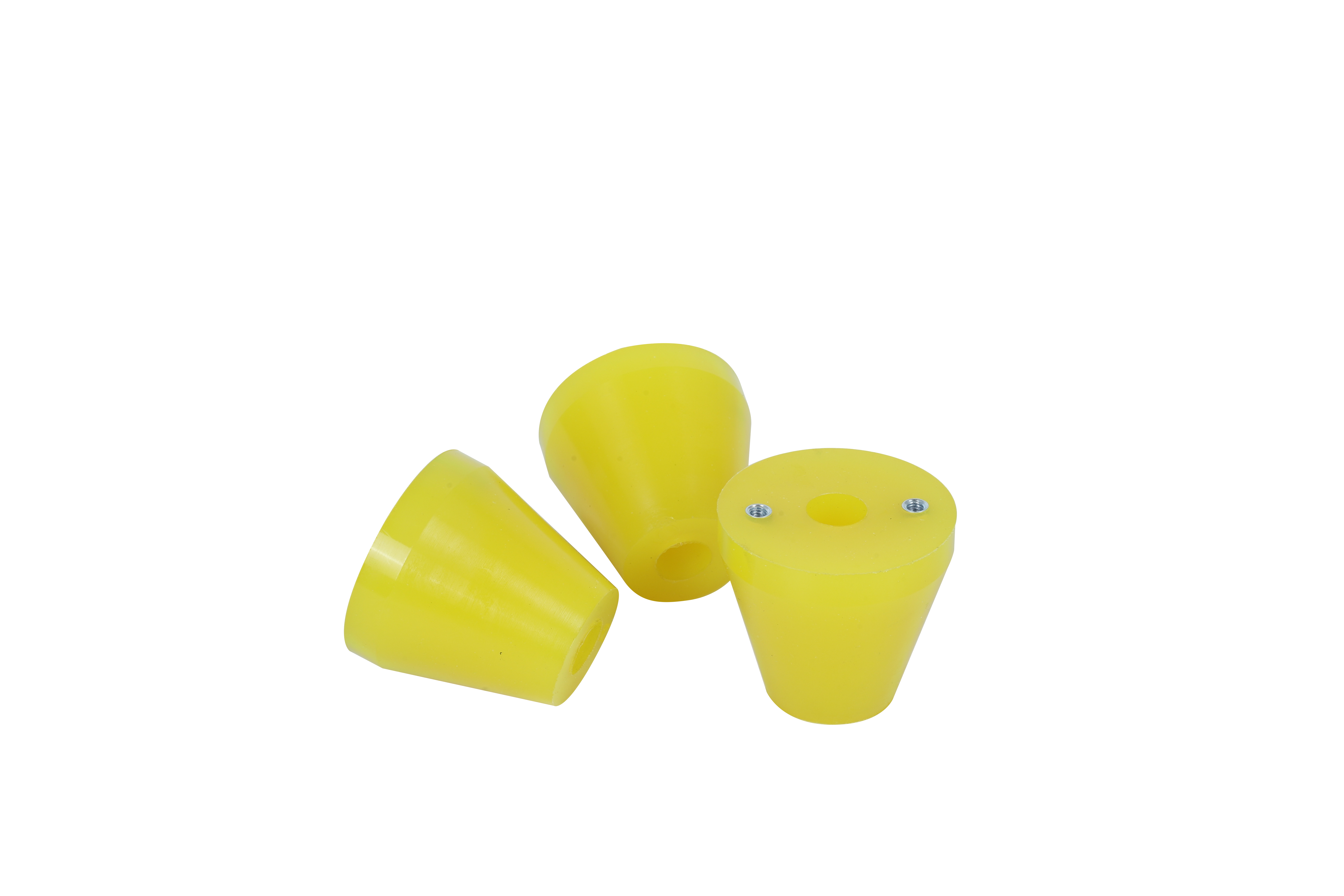
The shift from traditional chain-driven systems to high-friction round belts in light-duty conveying applications represents a fundamental transformation in industrial material handling. This evolution is driven by mounting operational demands for reduced maintenance, enhanced efficiency, and improved product protection that conventional chain systems struggle to deliver in modern manufacturing environments.

Manufacturing facilities across industries are discovering that high-friction round belts offer superior performance characteristics that directly address the limitations inherent in chain-based conveying systems. The growing adoption of these advanced belt solutions stems from their ability to deliver consistent power transmission while minimizing the operational complexities that have long plagued chain-driven conveyors.
Performance Advantages Driving the Transition
Superior Grip and Traction Capabilities
High-friction round belts utilize advanced polyurethane compounds that provide exceptional grip characteristics unavailable in traditional chain systems. The enhanced surface texture of these belts creates optimal contact conditions that prevent slippage even under varying load conditions. This superior traction capability ensures consistent product movement without the jerky motion often associated with chain-driven conveyors.
The coefficient of friction achieved by high-friction round belts significantly exceeds that of standard smooth belts, making them ideal for applications requiring precise positioning and controlled acceleration. Manufacturing processes that demand gentle product handling benefit tremendously from the smooth, consistent motion that these specialized belts provide throughout the conveying cycle.
Reduced Noise and Vibration Levels
Chain-driven conveyors generate substantial noise and vibration due to the mechanical interaction between chain links and sprockets. High-friction round belts operate with minimal acoustic output, creating quieter work environments that improve employee comfort and reduce noise pollution concerns. The smooth operation of these belt systems eliminates the characteristic rattling and clicking sounds associated with chain drives.
Vibration reduction represents another critical advantage of high-friction round belts over chain alternatives. The elimination of metal-to-metal contact points reduces structural stress on conveyor frames and extends the operational life of associated machinery components. This vibration reduction also contributes to improved product quality by minimizing unwanted movement during transportation.
Operational Efficiency and Maintenance Benefits
Simplified Maintenance Requirements
Traditional chain systems require regular lubrication, tension adjustment, and periodic replacement of worn components including links, pins, and sprockets. High-friction round belts dramatically simplify maintenance protocols by eliminating the need for lubrication while providing self-adjusting tension characteristics. This reduction in maintenance requirements translates directly to decreased operational costs and improved system availability.
The durability of high-friction round belts extends maintenance intervals significantly compared to chain systems. These belts resist wear from environmental contaminants and maintain their performance characteristics over extended operational periods. The absence of multiple articulating joints reduces failure points and creates more predictable maintenance schedules for facility managers.
Enhanced System Reliability
Chain failure modes typically involve catastrophic breakage that can damage products and require emergency shutdowns. High-friction round belts exhibit gradual wear patterns that provide advance warning of replacement needs. This predictable degradation allows for planned maintenance activities that minimize production disruptions and prevent unexpected system failures.
The flexibility of high-friction round belts enables them to accommodate minor misalignments and operational variations without immediate failure. Chain systems are less forgiving of installation imperfections and tend to exhibit accelerated wear when operating conditions deviate from optimal specifications. This tolerance for real-world operating conditions makes belt systems more reliable in typical industrial environments.
Application Suitability and Design Flexibility
Light-Duty Conveying Optimization
Light-duty conveying applications benefit significantly from the design characteristics of high-friction round belts. These systems excel in moving smaller products, packaging materials, and delicate items that require gentle handling throughout the transportation process. The smooth surface contact eliminates the potential for product damage that can occur with chain-driven systems.
Food processing, pharmaceutical, and electronics manufacturing industries particularly value the clean operation of high-friction round belts. These belts generate minimal debris and do not require lubricants that could contaminate products or work environments. The hygienic operation of these belt systems supports compliance with strict industry regulations regarding product purity and workplace safety.
System Design and Layout Advantages
High-friction round belts offer superior routing flexibility compared to chain systems. The ability to navigate complex paths with smaller radius turns enables more compact conveyor layouts that maximize floor space utilization. This routing capability is particularly valuable in facilities with space constraints or complex material flow requirements.
The lightweight nature of high-friction round belts reduces structural support requirements for conveyor systems. Frame designs can be simplified and material costs reduced while maintaining adequate support for operational loads. This weight advantage also facilitates easier installation and modification of existing conveyor systems when production requirements change.
Economic and Environmental Considerations
Total Cost of Ownership Analysis
While the initial investment in high-friction round belts may appear higher than traditional chain systems, the total cost of ownership typically favors belt solutions. Reduced maintenance requirements, extended operational life, and improved energy efficiency combine to deliver significant cost savings over the system lifecycle. The elimination of lubrication costs and reduced spare parts inventory further enhance economic benefits.
Energy consumption represents another area where high-friction round belts demonstrate economic advantages. The reduced friction coefficients and smoother operation require less driving power compared to chain systems. This energy efficiency becomes increasingly important as facilities focus on reducing operational costs and meeting sustainability objectives.
Environmental Impact Reduction
High-friction round belts contribute to improved environmental performance through several mechanisms. The elimination of lubrication requirements prevents potential environmental contamination while reducing the consumption of petroleum-based lubricants. The extended service life of these belts also reduces waste generation compared to more frequently replaced chain components.
Manufacturing facilities implementing high-friction round belts often achieve improved energy efficiency ratings that support corporate sustainability initiatives. The reduced noise output and cleaner operation of these systems create better working environments that align with modern workplace quality standards and environmental stewardship goals.
Future Trends and Industry Adoption
Technology Evolution and Performance Enhancement
Ongoing developments in polyurethane chemistry and belt manufacturing processes continue to enhance the capabilities of high-friction round belts. Advanced formulations provide improved chemical resistance, extended temperature operating ranges, and enhanced durability characteristics that expand application possibilities. These technological advances support the continued displacement of traditional chain systems in demanding industrial environments.
Smart manufacturing initiatives increasingly favor conveying solutions that integrate seamlessly with automated control systems. High-friction round belts offer superior controllability and consistent performance characteristics that support precise positioning and synchronized operation requirements. This compatibility with advanced manufacturing concepts accelerates adoption across technology-forward industries.
Market Penetration and Industry Acceptance
Industry surveys indicate accelerating adoption rates for high-friction round belts across multiple sectors including packaging, food processing, and light assembly operations. The proven performance benefits and economic advantages have overcome initial resistance to change from established chain-based systems. This trend reflects broader industry recognition of the operational benefits these advanced belt solutions provide.
Equipment manufacturers increasingly specify high-friction round belts as standard components in new conveyor systems. This OEM adoption reinforces market acceptance and provides validation for end users considering system upgrades. The availability of standardized belt sizes and mounting configurations simplifies replacement of existing chain systems with minimal modification requirements.
FAQ
How do high-friction round belts compare to chains in terms of load capacity?
High-friction round belts are specifically designed for light-duty applications and typically handle loads up to 50 pounds per linear foot effectively. While chains can handle heavier loads, the superior grip and smooth operation of these belts make them ideal for applications where gentle product handling is more important than maximum load capacity. The consistent power transmission characteristics often provide better performance than chains in the appropriate load range.
What maintenance is required for high-friction round belt systems?
High-friction round belts require minimal maintenance compared to chain systems. Routine inspection for wear patterns and proper tension is typically sufficient, with no lubrication requirements. Belt replacement intervals depend on application conditions but generally exceed chain replacement schedules. The absence of multiple moving parts eliminates most of the maintenance points that require regular attention in chain-driven systems.
Can existing chain conveyors be converted to use high-friction round belts?
Many existing chain conveyor systems can be converted to use high-friction round belts with moderate modifications. The conversion typically involves replacing sprockets with appropriate pulleys and adjusting the drive system to accommodate the different operating characteristics. The specific feasibility depends on the existing frame design and space constraints, but most light-duty applications can be successfully converted with proper engineering analysis.
What industries benefit most from switching to high-friction round belts?
Industries that prioritize product protection, cleanliness, and quiet operation benefit most from high-friction round belts. Food processing, pharmaceutical manufacturing, electronics assembly, and packaging operations frequently see the greatest advantages. These industries value the hygienic operation, reduced contamination risk, and gentle product handling that these specialized belt systems provide compared to traditional chain-driven alternatives.