EN
EN
Mining operations face constant challenges with conveyor belt maintenance, particularly when it comes to material buildup and cleaning efficiency. The harsh conditions, abrasive materials, and continuous operation cycles create unique demands that require specialized solutions. Among the most critical components for maintaining optimal conveyor performance is the choice of cleaner scraper technology, where traditional materials often fall short of meeting the rigorous demands of modern mining environments.
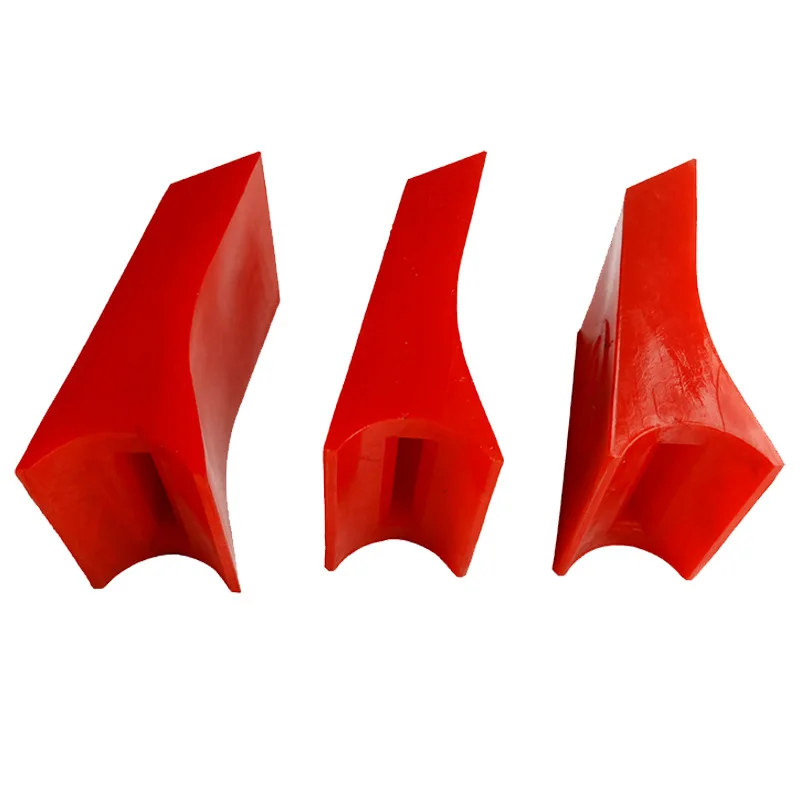
The evolution toward reinforced polyurethane cleaner scraper systems represents a significant advancement in mining conveyor technology. These specialized components address the fundamental limitations of conventional scraper materials while providing enhanced durability, superior cleaning performance, and reduced maintenance requirements. Understanding why your mining operation specifically needs this advanced technology becomes crucial for operational efficiency, cost management, and long-term productivity goals.
The Critical Role of Material Spillage Prevention
Understanding Spillage Impact on Mining Operations
Material spillage represents one of the most costly challenges in mining conveyor systems, directly affecting operational efficiency and safety protocols. When conveyor belts fail to discharge materials completely, the residual buildup leads to secondary spillage, equipment damage, and increased maintenance cycles. A polyurethane cleaner scraper addresses these issues by providing superior material removal capabilities compared to traditional rubber or metal alternatives.
The financial implications of inadequate belt cleaning extend beyond immediate cleanup costs. Spillage creates safety hazards for personnel, increases the risk of equipment damage from material accumulation, and can lead to environmental compliance issues. Mining operations that implement reinforced polyurethane cleaner scraper systems typically experience significant reductions in spillage-related incidents and associated operational disruptions.
Furthermore, effective spillage prevention directly correlates with improved product recovery rates. When materials stick to conveyor belts and fall in uncontrolled areas, mining operations lose valuable resources that could otherwise contribute to production targets. The superior cleaning efficiency of polyurethane cleaner scraper technology ensures maximum material recovery while maintaining consistent conveyor performance.
Environmental and Regulatory Considerations
Modern mining operations operate under increasingly stringent environmental regulations that require effective dust and spillage control measures. A properly functioning polyurethane cleaner scraper system contributes to regulatory compliance by minimizing airborne particulates and preventing material contamination of surrounding areas. This becomes particularly important for operations near sensitive environmental zones or urban areas.
The enhanced cleaning performance of reinforced polyurethane technology reduces the formation of dust clouds that can result from material buildup and subsequent dislodging. This proactive approach to environmental management helps mining operations maintain their social license to operate while avoiding potential regulatory penalties or operational restrictions.
Additionally, effective belt cleaning reduces the need for frequent manual cleaning interventions, which often involve water usage and chemical cleaning agents. By implementing a polyurethane cleaner scraper system, mining operations can reduce their environmental footprint while maintaining high operational standards.
Superior Durability Under Extreme Mining Conditions
Abrasion Resistance and Material Properties
Mining environments subject conveyor cleaning systems to extreme abrasive conditions that rapidly degrade conventional scraper materials. Reinforced polyurethane cleaner scraper systems demonstrate exceptional resistance to abrasive wear, maintaining their cleaning effectiveness significantly longer than traditional alternatives. The molecular structure of polyurethane provides inherent flexibility while offering superior resistance to cutting and tearing forces common in mining applications.
The durability advantage becomes particularly evident when handling sharp, angular materials such as crushed ore, coal, or aggregate materials. While metal scrapers may chip or deform under these conditions, and rubber scrapers quickly wear away, a polyurethane cleaner scraper maintains its structural integrity and cleaning edge geometry. This sustained performance translates to longer replacement intervals and reduced maintenance costs.
Temperature fluctuations common in mining environments further highlight the advantages of polyurethane technology. Unlike rubber materials that can become brittle in cold conditions or soften excessively in heat, reinforced polyurethane maintains consistent performance characteristics across a wide temperature range, ensuring reliable operation regardless of seasonal or operational temperature variations.
Impact Resistance and Structural Integrity
Mining conveyor systems frequently experience impact loads from large material chunks, equipment contact, or operational irregularities. A reinforced polyurethane cleaner scraper exhibits superior impact resistance compared to brittle materials like ceramics or metals, absorbing and distributing impact forces without catastrophic failure. This resilience prevents sudden scraper failure that could lead to extensive belt damage or operational shutdowns.
The reinforcement structure within advanced polyurethane cleaner scraper designs provides additional strength while maintaining the material's beneficial flexibility characteristics. This combination allows the scraper to conform to belt irregularities while resisting the structural damage that might occur with rigid scraper materials under similar stress conditions.
Moreover, the damage tolerance of polyurethane technology means that minor impacts or wear patterns do not immediately compromise the entire scraper system. Gradual wear progression allows for planned maintenance scheduling rather than emergency replacements, contributing to more predictable operational costs and reduced unplanned downtime.
Enhanced Cleaning Efficiency and Belt Protection
Optimized Contact Pressure and Cleaning Angles
The effectiveness of any conveyor cleaning system depends critically on maintaining optimal contact pressure and angle with the belt surface. A polyurethane cleaner scraper can be engineered with precise durometer specifications to achieve the ideal balance between cleaning pressure and belt protection. This customization capability allows mining operations to optimize cleaning performance for their specific material characteristics and operating conditions.
Unlike rigid scraper materials that may damage belt surfaces or flexible materials that fail to provide adequate cleaning pressure, polyurethane technology offers controlled flexibility. This allows the scraper to maintain consistent contact with the belt surface while accommodating normal belt variations and splice irregularities without causing damage or reduced cleaning effectiveness.
The ability to maintain optimal cleaning angles throughout the scraper's service life represents another significant advantage. As the polyurethane cleaner scraper wears, it maintains its essential geometric relationships with the belt surface, ensuring continued cleaning effectiveness rather than the rapid performance degradation often seen with conventional scraper materials.
Material-Specific Cleaning Performance
Different mining materials present unique challenges for conveyor cleaning systems, from sticky coal fines to sharp metallic ores. Reinforced polyurethane cleaner scraper technology can be formulated and designed to address specific material characteristics, providing targeted solutions for challenging cleaning applications. This material-specific optimization ensures maximum cleaning effectiveness while minimizing unnecessary wear or belt damage.
For operations handling wet or sticky materials, the low-friction characteristics of polyurethane surfaces reduce material adhesion while providing effective mechanical cleaning action. This dual benefit prevents buildup on the scraper itself while ensuring thorough material removal from the belt surface. The result is sustained cleaning performance with minimal maintenance intervention.
In applications involving fine particles or powdery materials, the smooth surface finish achievable with polyurethane technology reduces particle entrapment and simplifies cleaning maintenance. This characteristic becomes particularly valuable in operations where cross-contamination between different material types must be minimized.
Long-Term Cost Benefits and ROI Justification
Reduced Maintenance Frequency and Labor Costs
The extended service life of reinforced polyurethane cleaner scraper systems directly translates to reduced maintenance labor requirements and associated costs. Mining operations typically see replacement intervals extend by 300-500% compared to conventional scraper materials, significantly reducing the frequency of maintenance shutdowns and the labor hours required for scraper replacement activities.
Maintenance labor costs in mining operations include not only the direct time required for scraper replacement but also the associated conveyor shutdown time, safety procedures, and potential production losses. By extending maintenance intervals, a polyurethane cleaner scraper system reduces these indirect costs while improving overall operational efficiency and production consistency.
Additionally, the predictable wear characteristics of polyurethane technology enable more effective maintenance planning and inventory management. Operations can schedule replacements during planned maintenance windows rather than responding to emergency failures, optimizing both labor utilization and production schedules.
Improved Belt Life and System Protection
Conveyor belts represent one of the highest-value consumable components in mining operations, making belt protection a critical economic consideration. The controlled cleaning action of a polyurethane cleaner scraper provides effective material removal while minimizing belt wear and damage. This protection extends belt service life and reduces the total cost of ownership for the entire conveyor system.
The prevention of material carryback also protects downstream conveyor components from damage and excessive wear. When materials stick to the belt and travel around pulleys or through transfer points, they can cause accelerated wear of idlers, pulleys, and structural components. Effective cleaning with polyurethane technology prevents these secondary damage mechanisms.
Furthermore, consistent cleaning performance helps maintain proper belt tracking and reduces the risk of belt damage from material buildup or uneven loading. These preventive benefits contribute to overall system reliability while reducing unplanned maintenance costs and production interruptions.
FAQ
How does a polyurethane cleaner scraper compare to traditional rubber scrapers in mining applications?
Polyurethane cleaner scraper systems offer significantly superior performance compared to traditional rubber scrapers in mining applications. While rubber scrapers typically last 2-6 months in abrasive mining environments, reinforced polyurethane systems can operate effectively for 12-24 months or longer. Polyurethane also maintains consistent cleaning pressure and effectiveness throughout its service life, whereas rubber scrapers often lose effectiveness as they wear, leading to increased spillage and belt damage.
What specific mining materials benefit most from polyurethane cleaner scraper technology?
Polyurethane cleaner scraper systems excel with challenging materials including sticky coal, iron ore, copper concentrate, sand and gravel, and crushed stone. The technology is particularly effective with materials that tend to adhere to belts or create significant wear on conventional scrapers. Operations handling wet materials, fine particles, or highly abrasive substances see the greatest improvement in cleaning performance and scraper longevity when switching to reinforced polyurethane technology.
How do you determine the right polyurethane cleaner scraper configuration for a specific mining operation?
Selecting the optimal polyurethane cleaner scraper configuration requires evaluation of material characteristics, belt specifications, environmental conditions, and operational requirements. Key factors include material abrasiveness, particle size distribution, moisture content, belt speed, and ambient temperature ranges. Professional assessment should consider the specific durometer requirements, scraper geometry, mounting configuration, and reinforcement structure needed to optimize performance for the particular application while maximizing service life and cleaning effectiveness.
What maintenance practices extend the life of polyurethane cleaner scraper systems?
Proper maintenance of polyurethane cleaner scraper systems includes regular inspection for wear patterns, maintaining correct mounting tension and alignment, and ensuring adequate scraper-to-belt contact pressure. Periodic cleaning of the scraper surface removes accumulated material that could affect performance. Monitoring belt condition and splice integrity also helps prevent premature scraper wear. Following manufacturer specifications for installation and adjustment procedures ensures optimal performance throughout the scraper's service life while maximizing the return on investment.
Table of Contents
- The Critical Role of Material Spillage Prevention
- Superior Durability Under Extreme Mining Conditions
- Enhanced Cleaning Efficiency and Belt Protection
- Long-Term Cost Benefits and ROI Justification
-
FAQ
- How does a polyurethane cleaner scraper compare to traditional rubber scrapers in mining applications?
- What specific mining materials benefit most from polyurethane cleaner scraper technology?
- How do you determine the right polyurethane cleaner scraper configuration for a specific mining operation?
- What maintenance practices extend the life of polyurethane cleaner scraper systems?