EN
EN

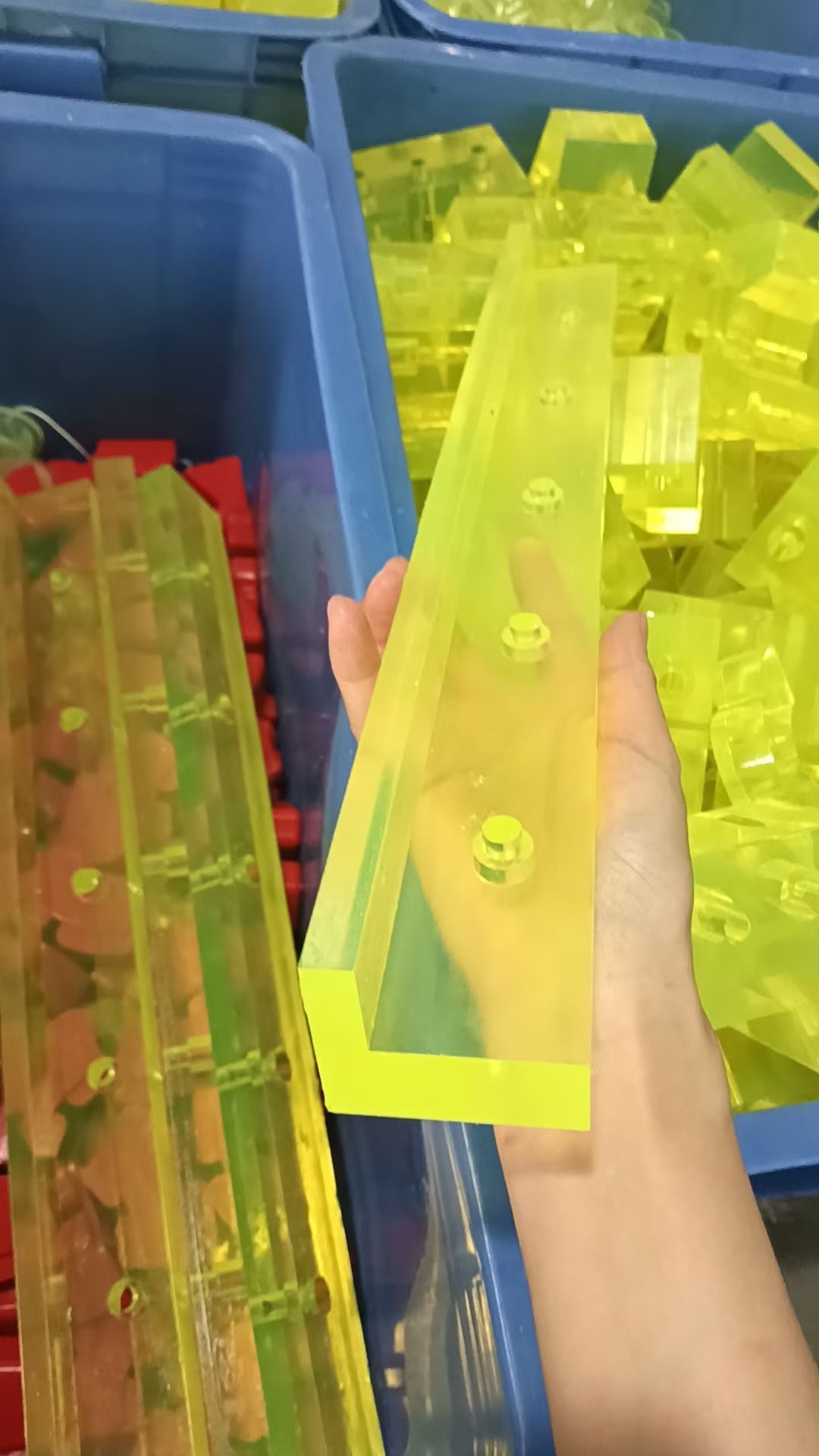
Warehouse operations in cold environments face unique challenges when protecting expensive machinery and equipment. Polyurethane bumpers have emerged as the preferred solution for maintaining impact protection even when temperatures drop significantly below freezing. Unlike many materials that become brittle and lose their shock-absorbing properties in extreme cold, polyurethane bumpers retain their essential flexibility and resilience, making them critical for facilities operating in sub-zero conditions. This performance advantage directly translates to reduced equipment damage, lower maintenance costs, and improved operational safety across cold storage environments.
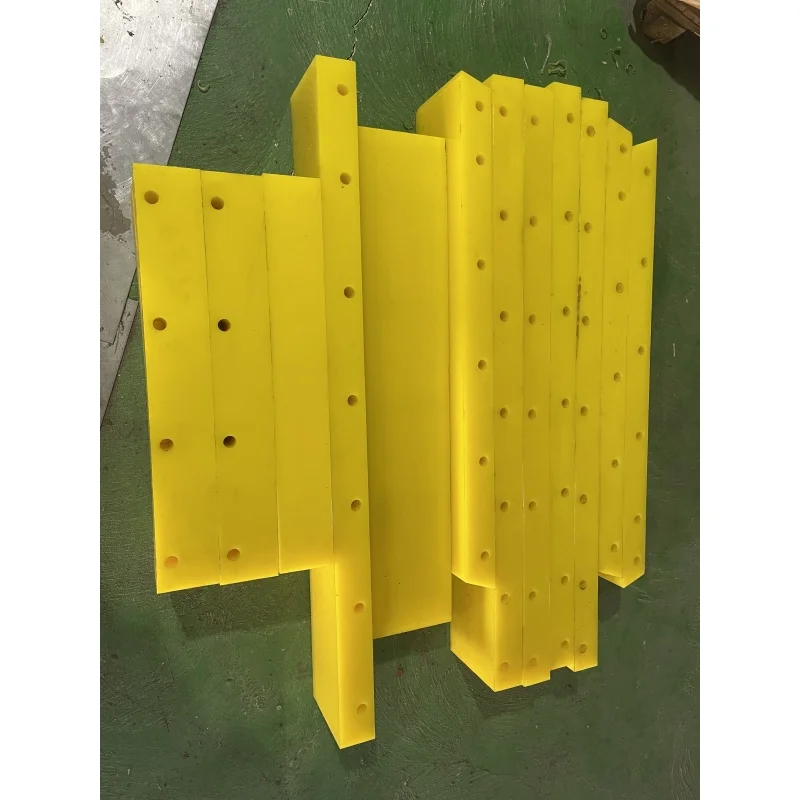
Understanding why polyurethane bumpers perform differently than alternative materials in sub-zero warehouses requires examining the molecular structure and thermal characteristics of this engineering polymer. When warehouse temperatures plummet, polyurethane bumpers continue to absorb impact energy effectively, protecting conveyor systems, forklifts, storage racks, and heavy machinery from costly collisions. This comprehensive guide explores the science behind polyurethane bumpers' cold-temperature performance, practical applications in frozen food storage and industrial refrigeration, and the strategic advantages these components provide for warehouse operations operating year-round in harsh climates.
The Science Behind Polyurethane Bumpers in Cold Environments
Material Composition and Thermal Stability
Polyurethane bumpers derive their cold-temperature resilience from their unique molecular chemistry. Unlike rubber or standard elastomers that undergo phase transitions and become rigid when exposed to sub-zero conditions, polyurethane bumpers maintain their polymer chain flexibility across a much broader temperature range. The urethane linkages within the material structure create cross-linked networks that resist crystallization, which is the primary cause of material brittleness in freezing environments. Warehouse operators who switch from conventional rubber bumpers to polyurethane bumpers often report immediate improvements in impact absorption performance once temperatures drop below minus twenty degrees Fahrenheit.
Glass Transition Temperature Advantages
The glass transition temperature represents the critical threshold where polymers shift from flexible to rigid behavior. Polyurethane bumpers exhibit glass transition temperatures significantly lower than competing materials, meaning they remain in the flexible elastomer state across typical warehouse temperature ranges. This characteristic is particularly valuable in sub-zero warehouse environments where equipment continues operating continuously. Polyurethane bumpers can absorb shock loads efficiently even at minus forty degrees, whereas many alternative damping materials become ineffective well above that threshold, creating safety risks and equipment vulnerability that warehouse managers must address through expensive preventive maintenance protocols.
Real-World Performance of Polyurethane Bumpers in Frozen Storage Facilities
Conveyor System Protection
Frozen food warehouses operate conveyor systems that must function reliably despite extreme temperature fluctuations and heavy mechanical stress. Polyurethane bumpers installed on conveyor frames and transfer points absorb impact from product movement, machinery vibration, and operational errors without degrading performance quality. The flexibility of polyurethane bumpers ensures that shock loads distribute evenly across the damping surface rather than concentrating at failure points, extending equipment service life substantially. Installation of polyurethane bumpers reduces conveyor maintenance intervals and minimizes unplanned downtime events that disrupt cold chain operations and compromise product quality.
Forklift and Material Handling Equipment
Material handling operations in sub-zero warehouse environments demand bumpers that can withstand repeated impacts while maintaining dimensional stability and performance characteristics. Polyurethane bumpers mounted on forklift masts and frames protect storage racks and adjacent equipment from collision damage that becomes increasingly likely in narrow, congested cold storage areas. The durability of polyurethane bumpers under constant operational stress combined with their thermal resilience creates a compelling value proposition for warehouse managers responsible for equipment fleet protection. When polyurethane bumpers protect high-value cold storage infrastructure, facility operating costs decline measurably as equipment replacement frequency drops and productivity improves through reduced unexpected failures.
Comparative Advantages of Polyurethane Bumpers Over Alternative Materials
Performance Against Rubber and Elastomer Alternatives
Standard rubber bumpers and conventional elastomers lose their shock-absorption capability as warehouse temperatures approach sub-zero levels because their polymer chains become restricted and brittle. Polyurethane bumpers maintain superior flexibility across the same temperature range, preserving impact resistance when warehouses operate at minus thirty degrees or colder. This performance differential means that warehouse facilities choosing polyurethane bumpers over inferior alternatives avoid the costly scenario where impact protection essentially disappears during peak cold-season operations. The investment in polyurethane bumpers pays measurable dividends by maintaining consistent equipment protection standards throughout seasonal temperature variations that characterize cold climate warehouse operations.
Longevity and Replacement Economics
Polyurethane bumpers resist material degradation through multiple freeze-thaw cycles that would compromise or destroy inferior bumper materials. The extended service life of polyurethane bumpers reduces replacement frequency and associated labor costs for warehouse maintenance teams. When comparing total cost of ownership across equipment lifecycles, polyurethane bumpers deliver superior economic performance because their durability in sub-zero conditions eliminates the expense and operational disruption associated with frequent replacements. Warehouse operators who have transitioned to polyurethane bumpers document consistent improvements in maintenance budget efficiency and reduced emergency equipment repairs caused by impact damage that superior bumper materials could have prevented entirely.
Implementation Considerations for Sub-Zero Warehouse Operations
Installation and Compatibility Assessment
Polyurethane bumpers can be installed on existing warehouse equipment and infrastructure with minimal modifications, making them practical retrofit solutions for facilities seeking to improve cold-environment impact protection. Proper mounting ensures that polyurethane bumpers align correctly with contact surfaces and distribute impact loads evenly across the damping surface. Assessment of mounting points, equipment clearances, and operational requirements determines the optimal polyurethane bumpers specifications and installation approach for each warehouse application. Professional installation of polyurethane bumpers maximizes their protective benefits and ensures reliable performance across extended sub-zero warehouse operations.
Maintenance Requirements in Extreme Cold
Polyurethane bumpers require minimal maintenance beyond periodic inspection for damage or degradation from repeated impact exposure. In sub-zero warehouse environments, polyurethane bumpers resist the moisture accumulation and ice formation that would compromise other protective materials. The low-maintenance nature of polyurethane bumpers reduces operational complexity for warehouse teams managing cold storage facilities during demanding seasonal periods. Occasional cleaning to remove frost buildup maintains polyurethane bumpers' surface contact integrity and ensures continuous protection of valuable warehouse equipment operating in harsh environmental conditions.
FAQ
Why do polyurethane bumpers outperform rubber bumpers in sub-zero warehouse conditions?
Polyurethane bumpers maintain their flexibility at temperatures where rubber becomes brittle and loses shock-absorption capacity. The molecular structure of polyurethane creates cross-linked networks that resist the crystallization causing material rigidity in extreme cold. Rubber bumpers typically fail to absorb impacts effectively below minus twenty degrees, while polyurethane bumpers continue protecting equipment efficiently at much lower temperatures, making them essential for sub-zero warehouse operations.
How do polyurethane bumpers reduce warehouse maintenance costs?
Polyurethane bumpers extend equipment service life by consistently absorbing impacts across temperature ranges where inferior materials would allow damage. Their durability through repeated freeze-thaw cycles and continuous cold exposure reduces replacement frequency and associated labor expenses. Lower equipment damage rates from improved impact protection eliminate costly repairs and minimize unplanned downtime events, directly improving warehouse maintenance budget efficiency.
Can polyurethane bumpers be installed on existing warehouse equipment?
Yes, polyurethane bumpers can be retrofit onto most existing warehouse machinery and infrastructure with minimal modifications. Professional installation assessment ensures proper mounting alignment and load distribution to maximize protective benefits. Polyurethane bumpers' compatibility with standard equipment mounting systems makes them practical retrofit solutions for warehouses seeking to upgrade impact protection in cold storage operations.