EN
EN

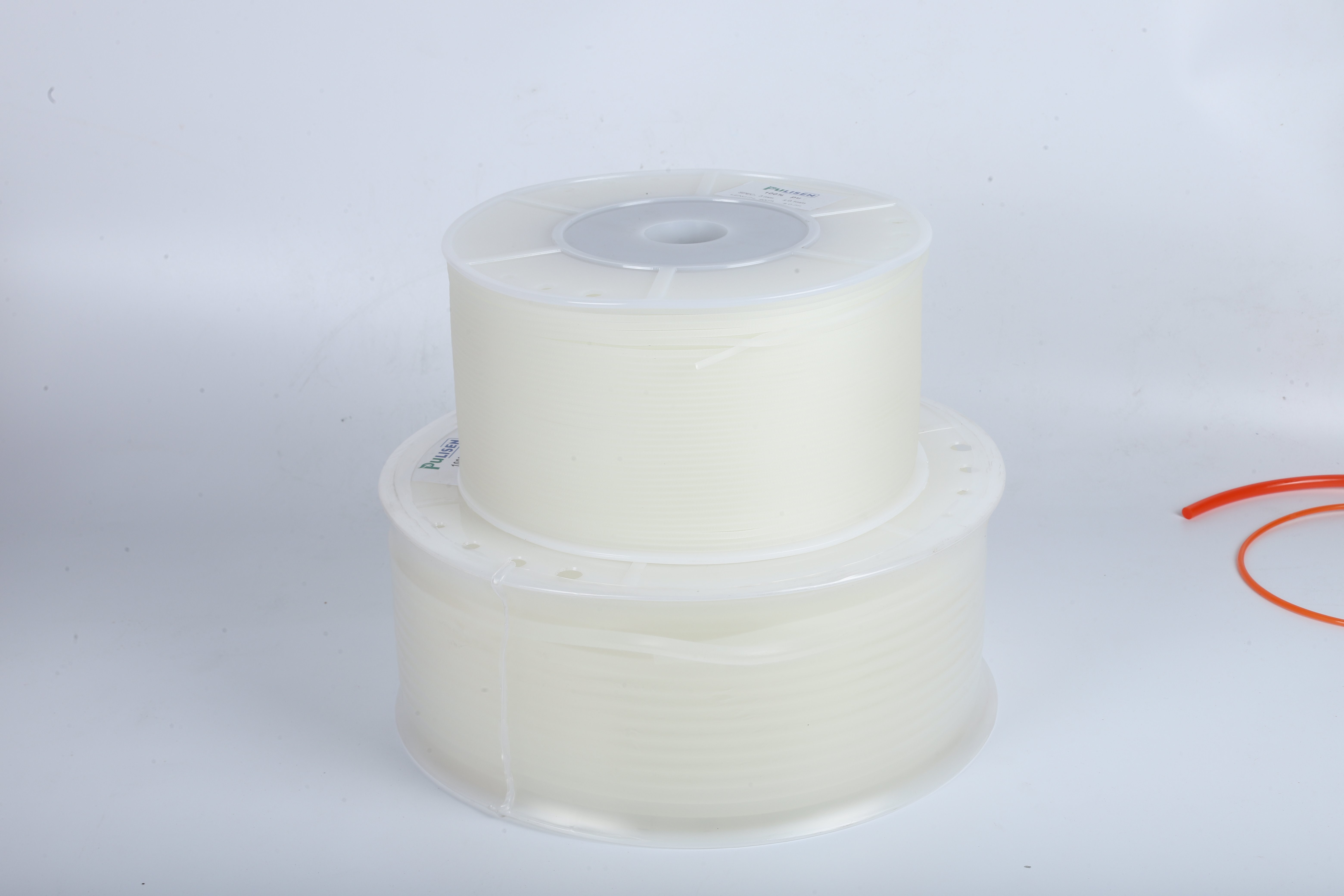
The industrial v-belt has been a cornerstone of mechanical power transmission for over a century, and its dominance shows no signs of fading. Across manufacturing floors, packaging lines, agricultural equipment, and heavy-duty industrial machinery, the industrial v-belt continues to deliver reliable torque transfer at a fraction of the cost of alternative drive systems. Understanding why this component maintains its lead requires a closer look at its design advantages, economic value, and real-world performance.
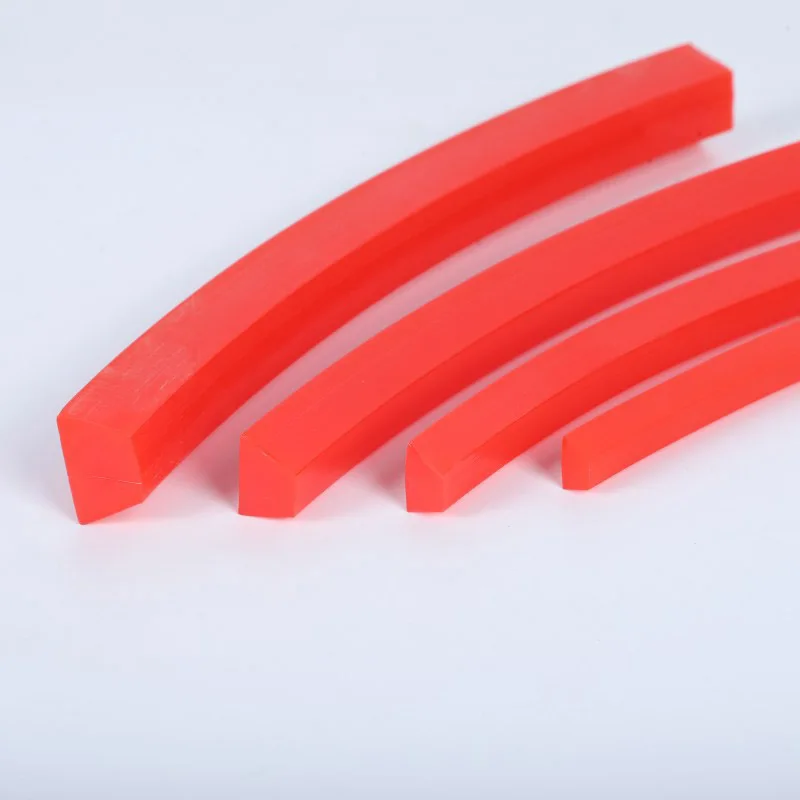
Engineers and procurement managers who have evaluated chain drives, gear systems, and direct-drive alternatives consistently return to the industrial v-belt as their preferred solution. The industrial v-belt offers a unique combination of flexibility, efficiency, shock absorption, and low total cost of ownership that competing technologies struggle to match. This article examines the core reasons why the industrial v-belt remains the undisputed king of cost-effective power transmission.
The Design Advantage of the Industrial V-Belt
Wedge Action and Friction Efficiency
The defining feature of any industrial v-belt is its trapezoidal cross-section, which creates a natural wedging action inside the pulley groove. As the industrial v-belt carries load, it wedges deeper into the groove rather than slipping across the surface. This self-reinforcing grip means the industrial v-belt transmits more torque per unit of tension compared to flat belts, reducing the need for excessive pre-tensioning and minimizing bearing wear. The result is a drive system that operates efficiently without imposing destructive side loads on shafts and housings.
Because the industrial v-belt relies on friction generated through wedge contact, it also acts as a natural overload protector. If a driven machine jams suddenly, the industrial v-belt can slip rather than transferring catastrophic shock forces to motors, gearboxes, or structural frames. This slip-before-break behavior is a critical safety advantage in high-torque industrial environments, and it is one reason maintenance teams trust the industrial v-belt over rigid coupling alternatives.
Material Versatility and Polyurethane Innovation
Traditional rubber-based industrial v-belt designs have served industry well for decades, but material advances have extended the performance envelope considerably. Polyurethane industrial v-belt products now offer superior oil resistance, chemical compatibility, and temperature stability compared to conventional rubber. In food-grade packaging environments, a polyurethane industrial v-belt meets hygiene standards while delivering the same torque efficiency as standard designs. This material flexibility allows the industrial v-belt to be specified in applications ranging from cold-storage conveying to high-speed textile machinery, all within the same proven drive geometry.
Cost-Effectiveness Across the Full Lifecycle
Low Initial Investment and Easy Installation
One of the most compelling arguments for the industrial v-belt is its low entry cost. Compared to chain drives, toothed synchronous belts, or direct gearbox couplings, the industrial v-belt requires minimal capital investment in components, pulleys, and installation hardware. A standard industrial v-belt drive can be assembled and tensioned in minutes using basic tools, which reduces scheduled downtime during maintenance windows. For operations running multiple drive points across a facility, the cumulative savings from choosing the industrial v-belt can be substantial.
Replacement cost is equally favorable. A worn industrial v-belt can be swapped out quickly without special tooling or precision alignment procedures that chain and gear systems demand. Stocking a small inventory of the correct industrial v-belt cross-sections allows maintenance teams to respond rapidly to unexpected drive failures, keeping mean time to repair low and production uptime high.
Energy Efficiency and Reduced Operating Cost
Modern industrial v-belt products achieve power transmission efficiencies between 93 and 98 percent under well-maintained conditions, rivaling many synchronous belt systems in practical applications. The industrial v-belt accomplishes this through its inherent flexibility, which allows it to bend around pulleys with low hysteresis loss at normal operating speeds. When engineers select the correct industrial v-belt cross-section and pulley diameter for a given power and speed requirement, the drive operates close to its efficiency peak throughout its service life. Over thousands of operating hours, the energy savings from a properly specified industrial v-belt drive accumulate into measurable reductions in electricity cost.
Industrial V-Belt Applications and Operational Reliability
Breadth of Applications Across Industries
The industrial v-belt is not a niche component. It appears in HVAC fan drives, industrial compressors, grain handling equipment, woodworking machinery, packaging conveyors, textile looms, and automotive service equipment, among many other applications. This extraordinary breadth of use reflects the industrial v-belt's ability to tolerate misalignment, absorb vibration, and operate reliably in dusty or wet environments where precision drive systems would require protective enclosures. Whether transmitting fractional horsepower or hundreds of kilowatts, the industrial v-belt scales to match the requirement.
Durability and Maintenance Simplicity
Operators value the industrial v-belt because it delivers predictable service intervals with straightforward inspection criteria. A technician checking an industrial v-belt drive needs only to assess visible wear, measure belt tension, and inspect pulley groove condition. There is no lubrication schedule, no chain stretch measurement, and no gear mesh adjustment required. The industrial v-belt communicates its condition through observable signs like cracking, glazing, or fraying, allowing planned replacement before failure. This simplicity reduces the skill level required for routine maintenance and lowers the total labor cost associated with keeping drive systems operational.
Properly maintained, an industrial v-belt drive can deliver thousands of hours of continuous service. In many installations, the industrial v-belt outlasts other components in the drive train, making it a non-critical maintenance item rather than a reliability bottleneck. This combination of long service life and low maintenance burden reinforces the industrial v-belt's position as the most cost-effective choice in the majority of power transmission scenarios.
FAQ
What makes the industrial v-belt more cost-effective than chain drives?
The industrial v-belt requires no lubrication, costs less per unit, installs faster, and absorbs shock loads without damaging connected equipment. Chain drives demand regular lubrication, precise alignment, and tensioner adjustments, which increase both labor cost and downtime. For most moderate-speed applications, the industrial v-belt delivers comparable torque capacity at significantly lower total lifecycle cost.
How often should an industrial v-belt be replaced?
Replacement intervals for an industrial v-belt depend on load, speed, ambient temperature, and pulley condition. Under normal operating conditions, a quality industrial v-belt can last between 3,000 and 5,000 operating hours. Regular inspection for signs of wear such as cracking, glazing, or elongation allows maintenance teams to replace the industrial v-belt on a planned schedule before unplanned failure occurs.
Can a polyurethane industrial v-belt be used in food processing environments?
Yes, a food-grade polyurethane industrial v-belt is specifically engineered for hygiene-sensitive environments. It resists oils, cleaning chemicals, and moisture while meeting material safety standards for incidental food contact. The polyurethane industrial v-belt maintains its mechanical properties across a wide temperature range, making it well suited for packaging lines, cold-storage conveyors, and food handling machinery where conventional rubber industrial v-belt products may not comply with regulatory requirements.