Industrial Rubber Rollers - Premium Quality Manufacturing Solutions for All Industries

Get a Free Quote

Our representative will contact you soon.
Email
Mobile
Name
Company Name
Message
0/1000

industrial rubber rollers

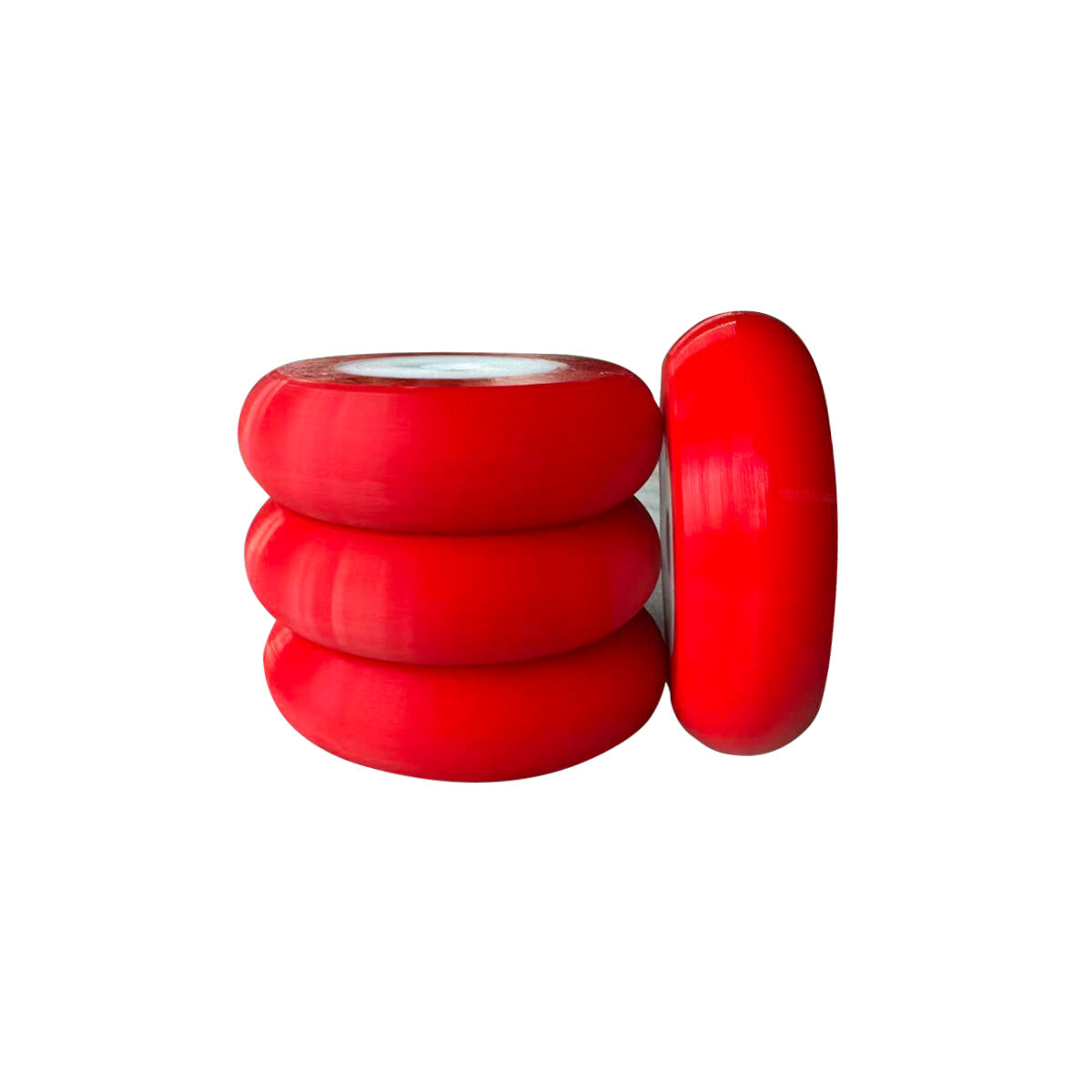
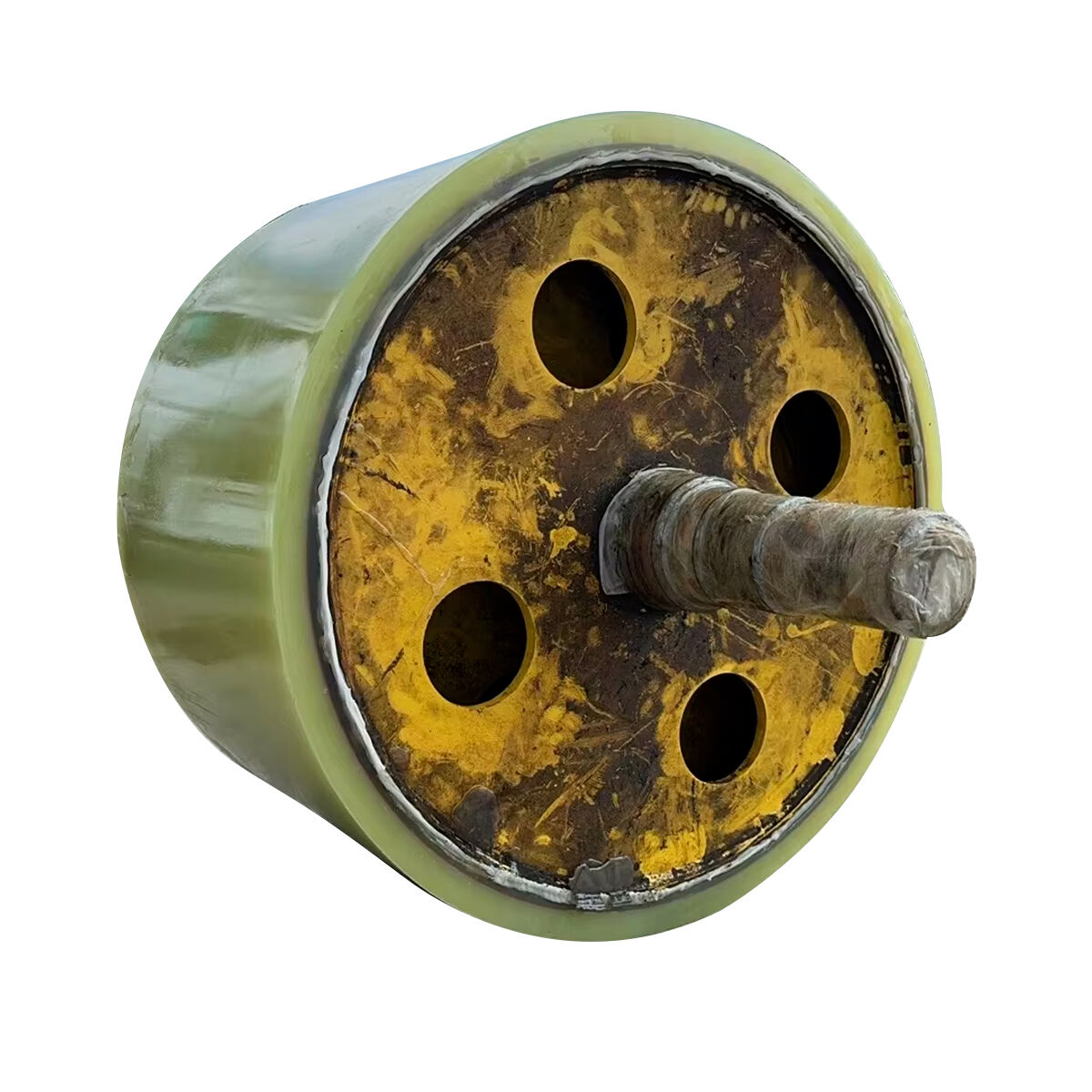
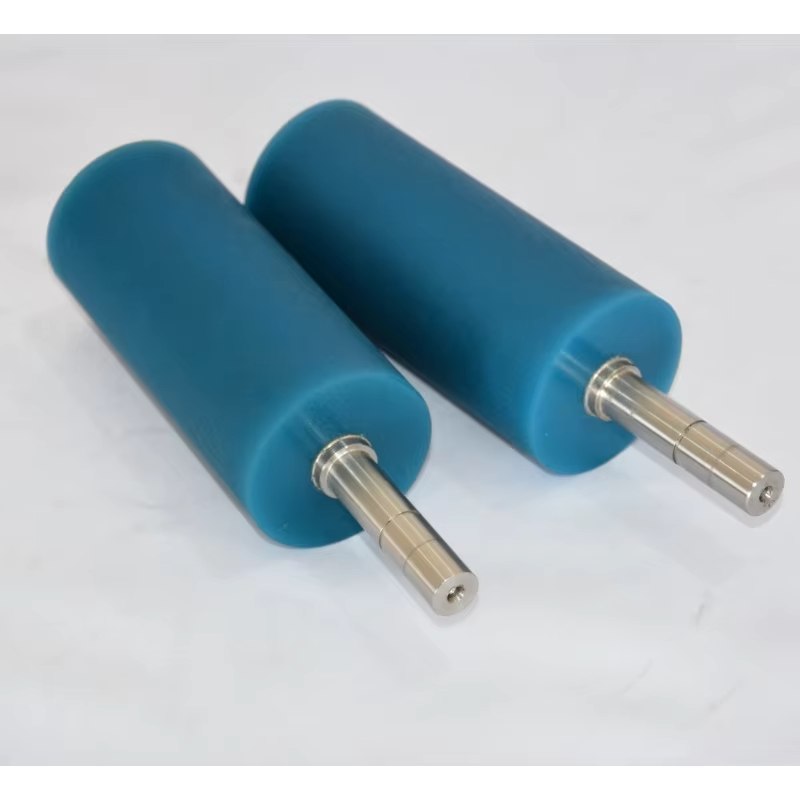
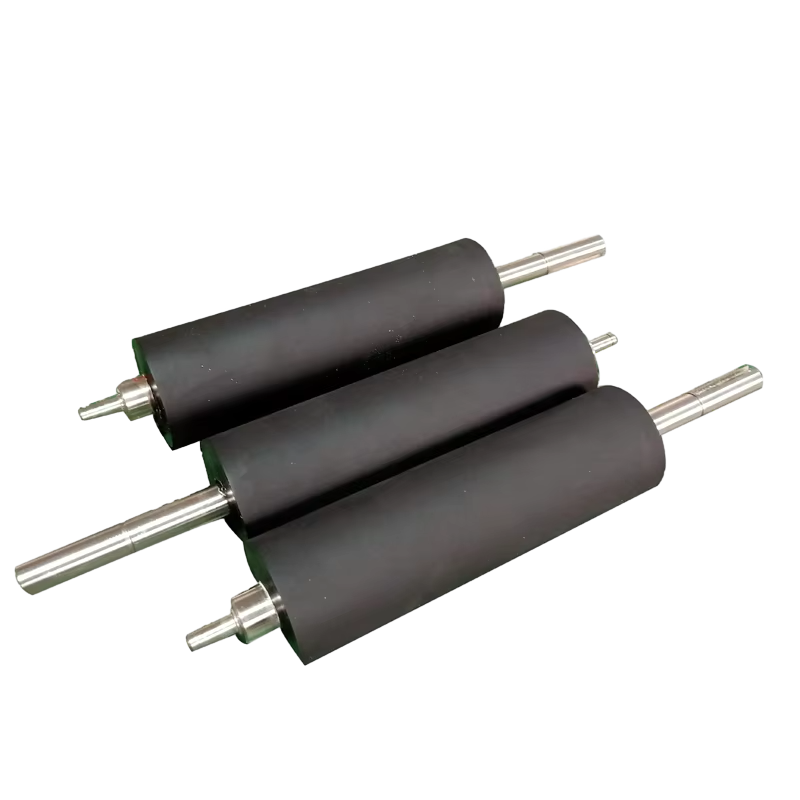
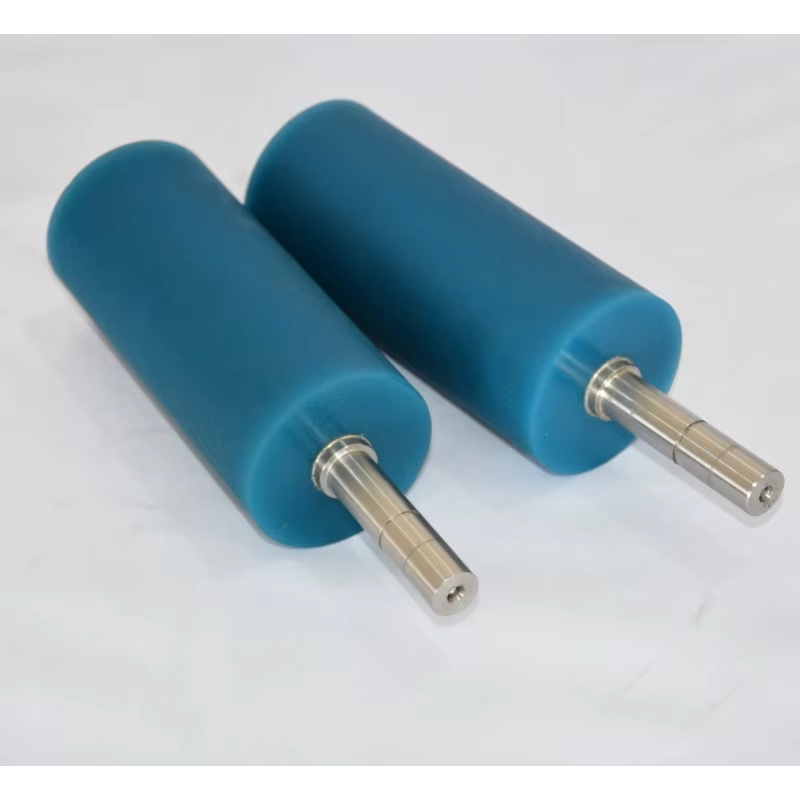
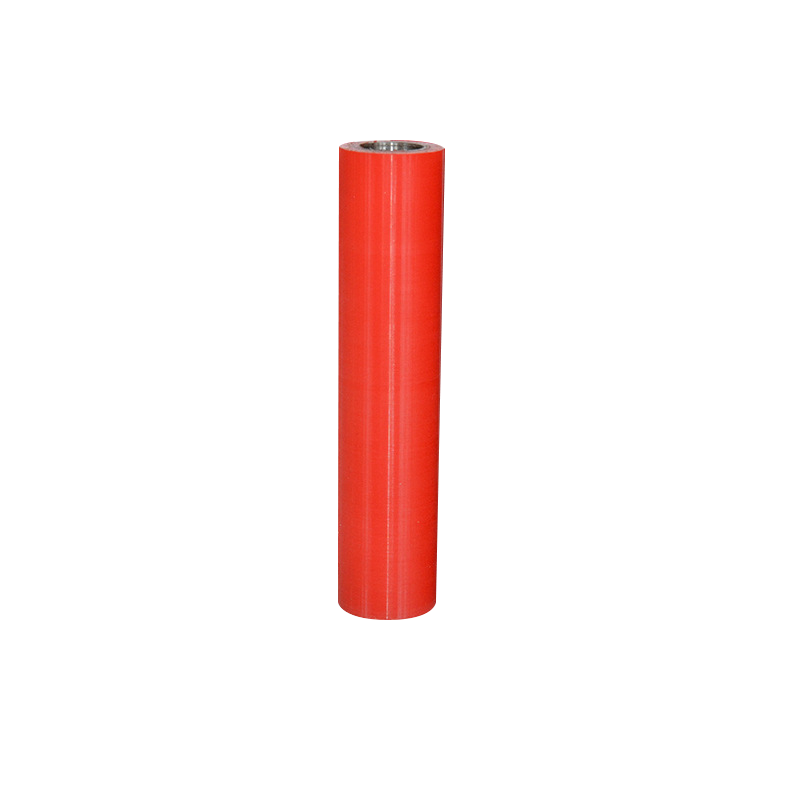
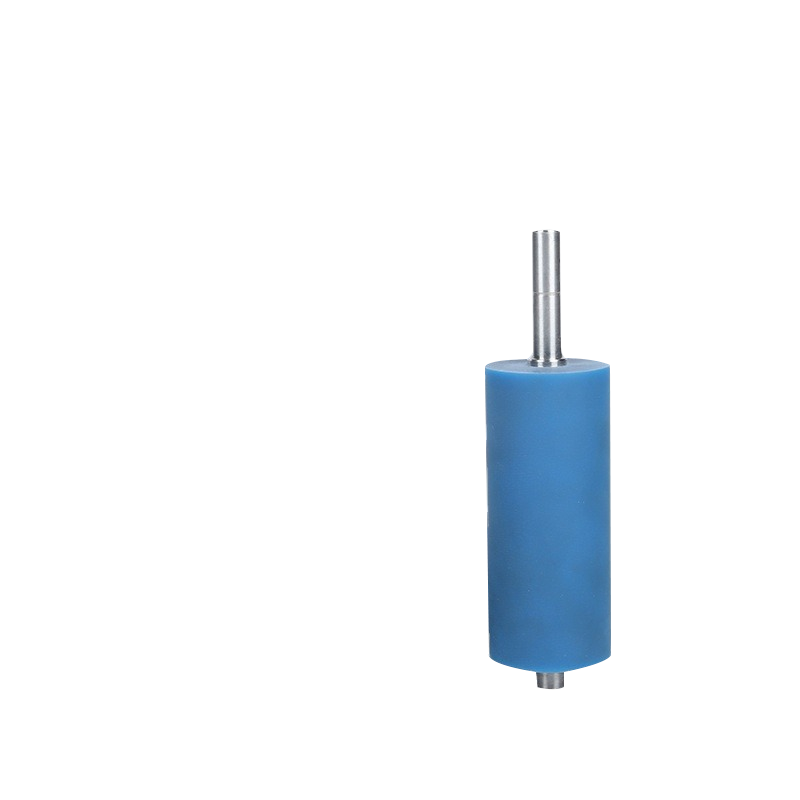
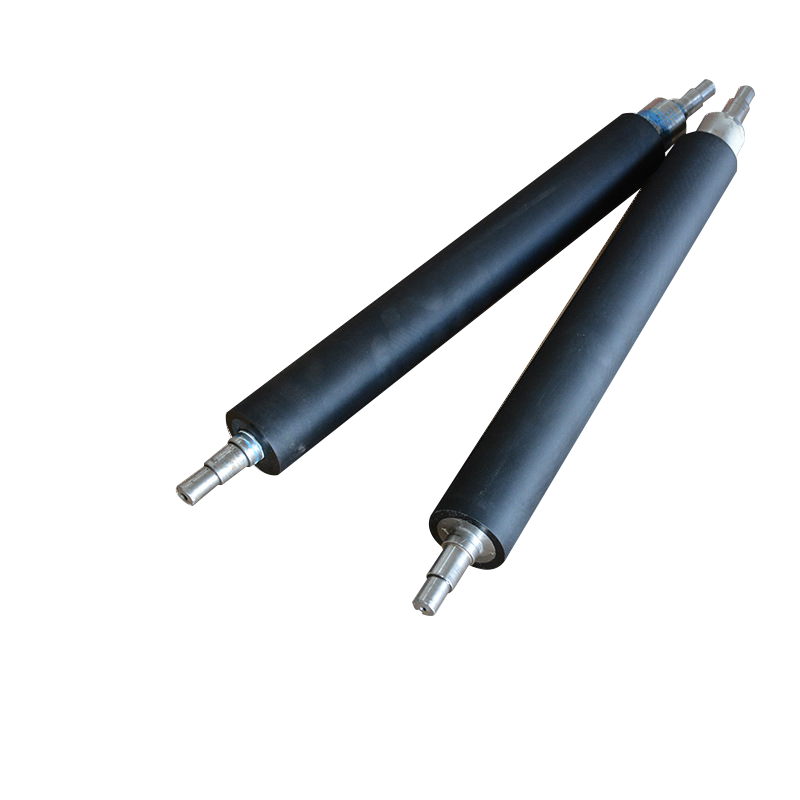
Industrial rubber rollers represent essential components in modern manufacturing processes, serving as critical elements that enable smooth material handling, processing, and production across diverse industries. These specialized cylindrical components feature precision-engineered rubber compounds bonded to metal cores, creating versatile solutions for countless industrial applications. The primary functions of industrial rubber rollers encompass material conveying, surface finishing, pressure application, and product transportation throughout manufacturing workflows. Their technological sophistication lies in the careful selection of rubber formulations that deliver specific hardness levels, chemical resistance properties, and temperature tolerance capabilities. Advanced manufacturing techniques ensure consistent dimensional accuracy and surface quality, enabling these rollers to maintain optimal performance under demanding operational conditions. The core construction typically utilizes steel or aluminum substrates that provide structural integrity while the rubber overlay delivers the functional characteristics required for specific applications. Industrial rubber rollers find extensive use in printing operations, textile manufacturing, food processing, packaging systems, paper production, and metal fabrication processes. Their versatility extends to specialized applications including laminating equipment, coating machinery, embossing operations, and material handling conveyor systems. The rubber compounds can be customized to achieve specific durometer ratings, ranging from soft compounds for delicate materials to harder formulations for heavy-duty applications. Surface treatments and texturing options further enhance their functionality, allowing for improved grip, release properties, or specific surface finishes. Quality industrial rubber rollers undergo rigorous testing to ensure dimensional stability, chemical compatibility, and operational longevity, making them indispensable components in maintaining production efficiency and product quality standards across manufacturing sectors.

New Product Releases

Industrial rubber rollers deliver exceptional operational benefits that directly translate into improved productivity and cost savings for manufacturing facilities. These components provide superior material handling capabilities by ensuring consistent contact pressure and smooth product transportation, eliminating common issues such as slippage, marking, or material damage during processing. The inherent flexibility of rubber compounds allows these rollers to conform to slight surface irregularities, maintaining optimal contact even when processing materials with varying thickness or texture characteristics. This adaptability reduces waste generation and enhances product quality consistency, directly impacting bottom-line profitability. The chemical resistance properties of specialized rubber formulations protect against corrosive substances, oils, and cleaning agents commonly encountered in industrial environments, extending operational lifespan and reducing replacement frequency. Temperature stability ensures reliable performance across varying environmental conditions, from cold storage applications to heated processing environments, maintaining consistent functionality without performance degradation. The noise reduction capabilities of industrial rubber rollers create quieter working environments compared to metal alternatives, improving workplace comfort and compliance with occupational health standards. Maintenance requirements remain minimal due to the self-lubricating properties of quality rubber compounds and the absence of complex mechanical components, reducing downtime and service costs. The customization possibilities allow manufacturers to specify exact durometer ratings, surface textures, and dimensional requirements to match precise application needs, optimizing performance for specific operational requirements. Energy efficiency benefits emerge from reduced friction coefficients and smoother operation, lowering power consumption and operational costs. The non-marking characteristics of properly formulated rubber compounds prevent product contamination and surface damage, particularly crucial in food processing, pharmaceutical, and electronics manufacturing applications. Installation simplicity and compatibility with existing equipment designs facilitate easy integration without requiring extensive modifications to production lines, minimizing implementation costs and downtime during upgrades or replacements.

Tips And Tricks

How Do Rubber Rollers Affect Conveyor Performance and Longevity?

31

Oct

How Do Rubber Rollers Affect Conveyor Performance and Longevity?

Understanding the Critical Role of Rubber Rollers in Industrial Conveyor Systems In modern industrial settings, the efficiency and reliability of conveyor systems depend heavily on their components, with rubber rollers being among the most crucial el...
View More
Why Are Rubber Wheels Preferred in High-Friction Industrial Applications?

27

Nov

Why Are Rubber Wheels Preferred in High-Friction Industrial Applications?

Industrial environments demand robust solutions that can withstand extreme conditions while maintaining optimal performance. When it comes to material handling, conveyor systems, and heavy-duty applications, the choice of wheels becomes critical for ...
View More
How to Select the Right Round Belt for High-Temperature Applications?

27

Nov

How to Select the Right Round Belt for High-Temperature Applications?

Industrial machinery operating in high-temperature environments requires specialized transmission components that can withstand extreme thermal conditions without compromising performance. A high temperature round belt serves as a critical component ...
View More
Can Round Belts Improve Conveyor Efficiency in Production Lines?

27

Nov

Can Round Belts Improve Conveyor Efficiency in Production Lines?

Modern production lines depend heavily on efficient material handling systems, and conveyor belts serve as the backbone of industrial operations worldwide. Among the various belt configurations available, round belts have emerged as a specialized sol...
View More

Get a Free Quote

Our representative will contact you soon.
Email
Mobile
Name
Company Name
Message
0/1000

industrial rubber rollers

Advanced Rubber Compound Technology for Maximum Durability

Advanced Rubber Compound Technology for Maximum Durability

The technological foundation of superior industrial rubber rollers lies in their advanced compound formulations that deliver exceptional durability and performance longevity under demanding operational conditions. Modern rubber chemistry enables the creation of specialized compounds that combine multiple performance characteristics, including abrasion resistance, chemical compatibility, temperature stability, and mechanical strength. These formulations utilize high-grade synthetic rubbers such as nitrile, EPDM, silicone, and polyurethane, each selected for specific performance requirements and environmental challenges. The vulcanization process ensures molecular cross-linking that creates permanent bonds between rubber molecules, resulting in enhanced mechanical properties and resistance to deformation under load. Advanced compounding techniques incorporate reinforcing fillers, antioxidants, and processing aids that optimize performance characteristics while maintaining cost-effectiveness. The durometer selection process considers application-specific requirements, with soft compounds providing gentle handling for delicate materials and harder formulations delivering robust performance for heavy-duty applications. Quality control measures during manufacturing include comprehensive testing for tensile strength, elongation properties, compression set resistance, and aging characteristics to ensure consistent performance throughout the operational lifespan. The bonding technology between rubber compounds and metal cores utilizes advanced adhesive systems and mechanical preparation techniques that prevent delamination and ensure permanent attachment under cyclical loading conditions. Environmental resistance testing validates performance under exposure to oils, solvents, cleaning chemicals, ozone, and ultraviolet radiation, ensuring reliable operation in diverse industrial environments. The resulting industrial rubber rollers demonstrate superior wear resistance, maintaining dimensional accuracy and surface quality throughout extended service periods, reducing replacement frequency and associated maintenance costs while ensuring consistent product quality in manufacturing processes.
Precision Engineering for Optimal Performance Consistency

Precision Engineering for Optimal Performance Consistency

Precision engineering represents the cornerstone of high-quality industrial rubber rollers, ensuring dimensional accuracy, surface quality, and performance consistency that directly impacts manufacturing efficiency and product quality outcomes. The manufacturing process begins with precision machining of metal cores to exacting tolerances, creating the foundation for accurate rubber application and final dimensional control. Computer-controlled grinding operations achieve surface finishes and dimensional specifications that meet the most demanding industrial requirements, with tolerances maintained within thousandths of an inch. The rubber application process utilizes advanced molding or building techniques that ensure uniform thickness distribution and eliminate air entrapment or bonding defects that could compromise performance. Temperature and pressure control during curing processes optimizes cross-linking density and ensures consistent material properties throughout the roller volume. Post-curing grinding operations using specialized equipment and techniques achieve precise diameter control, surface smoothness, and cylindricity requirements essential for optimal performance in demanding applications. Dynamic balancing procedures eliminate vibration issues that could cause premature wear, reduce product quality, or create operational problems in high-speed applications. Quality assurance protocols include comprehensive dimensional inspection using coordinate measuring machines, surface finish verification, hardness testing, and performance validation under simulated operating conditions. The precision engineering approach extends to custom surface texturing options that enhance grip, release properties, or specific functional characteristics required for specialized applications. Environmental testing validates performance stability under temperature cycling, chemical exposure, and aging conditions to ensure long-term dimensional stability and performance consistency. This commitment to precision engineering results in industrial rubber rollers that deliver predictable, reliable performance throughout their operational lifespan, minimizing production variability and maximizing manufacturing efficiency while maintaining the highest standards of product quality and operational reliability.
Versatile Applications Across Multiple Industries

Versatile Applications Across Multiple Industries

The remarkable versatility of industrial rubber rollers enables their successful deployment across an extensive range of industries and applications, demonstrating their adaptability to diverse operational requirements and processing challenges. In printing and graphics industries, these rollers facilitate ink transfer, paper handling, and finishing operations, with specialized compounds providing optimal ink release properties and print quality enhancement. Textile manufacturing operations rely on industrial rubber rollers for fabric handling, dyeing processes, and finishing treatments, where chemical resistance and temperature stability ensure consistent performance throughout various processing stages. Food processing applications demand specialized formulations that meet strict hygiene standards and FDA compliance requirements while providing gentle handling of food products and packaging materials. Packaging machinery utilizes these rollers for sealing, laminating, and material handling operations, where precise pressure application and surface characteristics ensure optimal package integrity and appearance. Paper manufacturing processes depend on industrial rubber rollers for pulp processing, coating applications, and finishing operations, with specialized compounds providing the necessary chemical resistance and surface properties required for quality paper production. Metal fabrication and automotive industries employ these rollers in forming, coating, and assembly operations, where durability and precision are essential for maintaining product quality and operational efficiency. Converting operations across multiple sectors utilize industrial rubber rollers for laminating, slitting, winding, and unwinding processes, where consistent performance and dimensional stability are crucial for maintaining product quality and minimizing waste. Electronics manufacturing requires ultra-clean, static-dissipative formulations that prevent contamination while providing gentle handling of sensitive components and materials. Pharmaceutical applications demand specialized compounds that meet stringent regulatory requirements while providing reliable performance in tablet coating, packaging, and processing operations. This versatility stems from the ability to customize rubber compounds, surface treatments, and dimensional specifications to meet specific application requirements, making industrial rubber rollers indispensable components across virtually every manufacturing sector where material handling, processing, or finishing operations are required.

Get a Free Quote

Our representative will contact you soon.
Email
Mobile
Name
Company Name
Message
0/1000