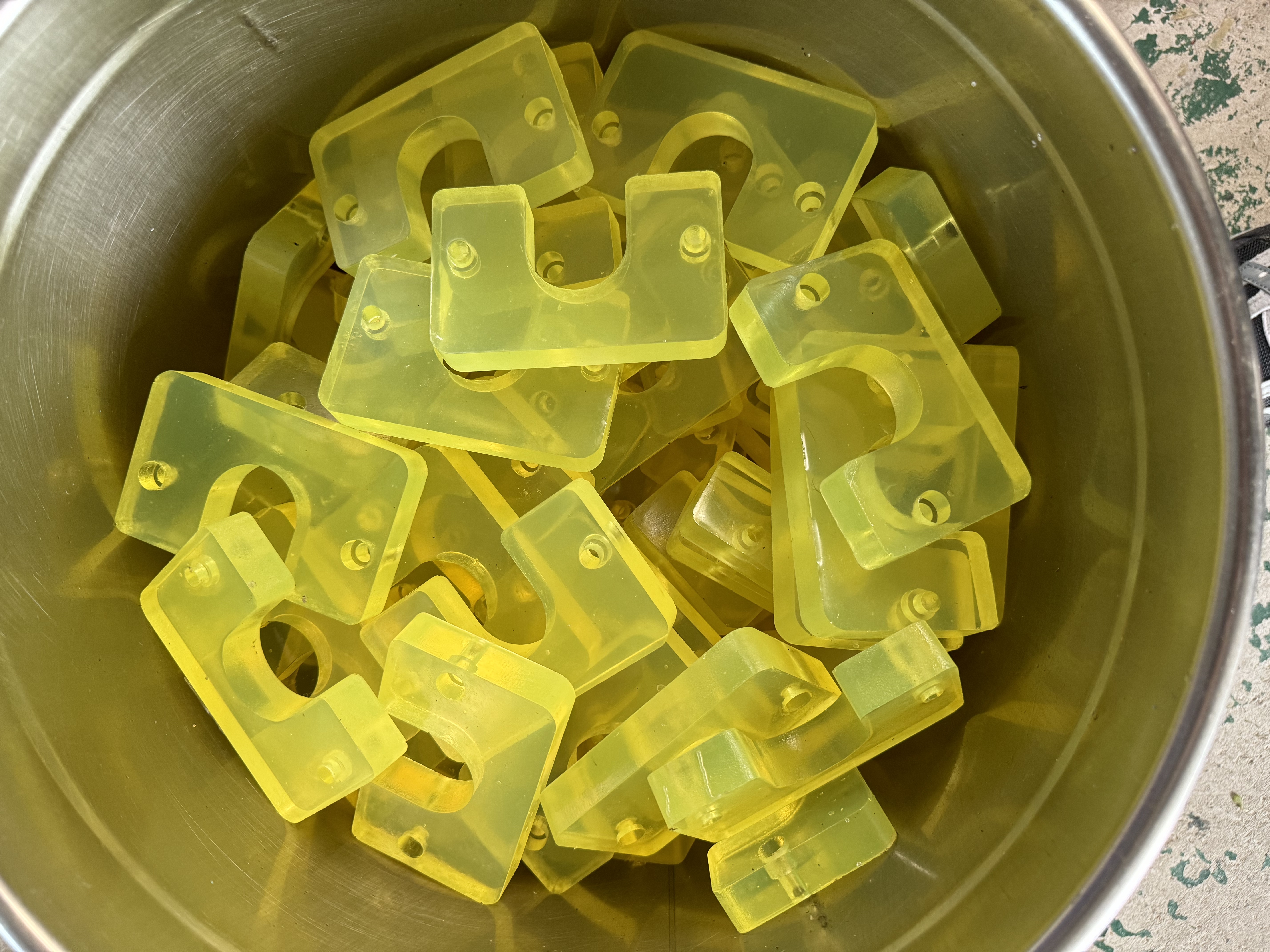
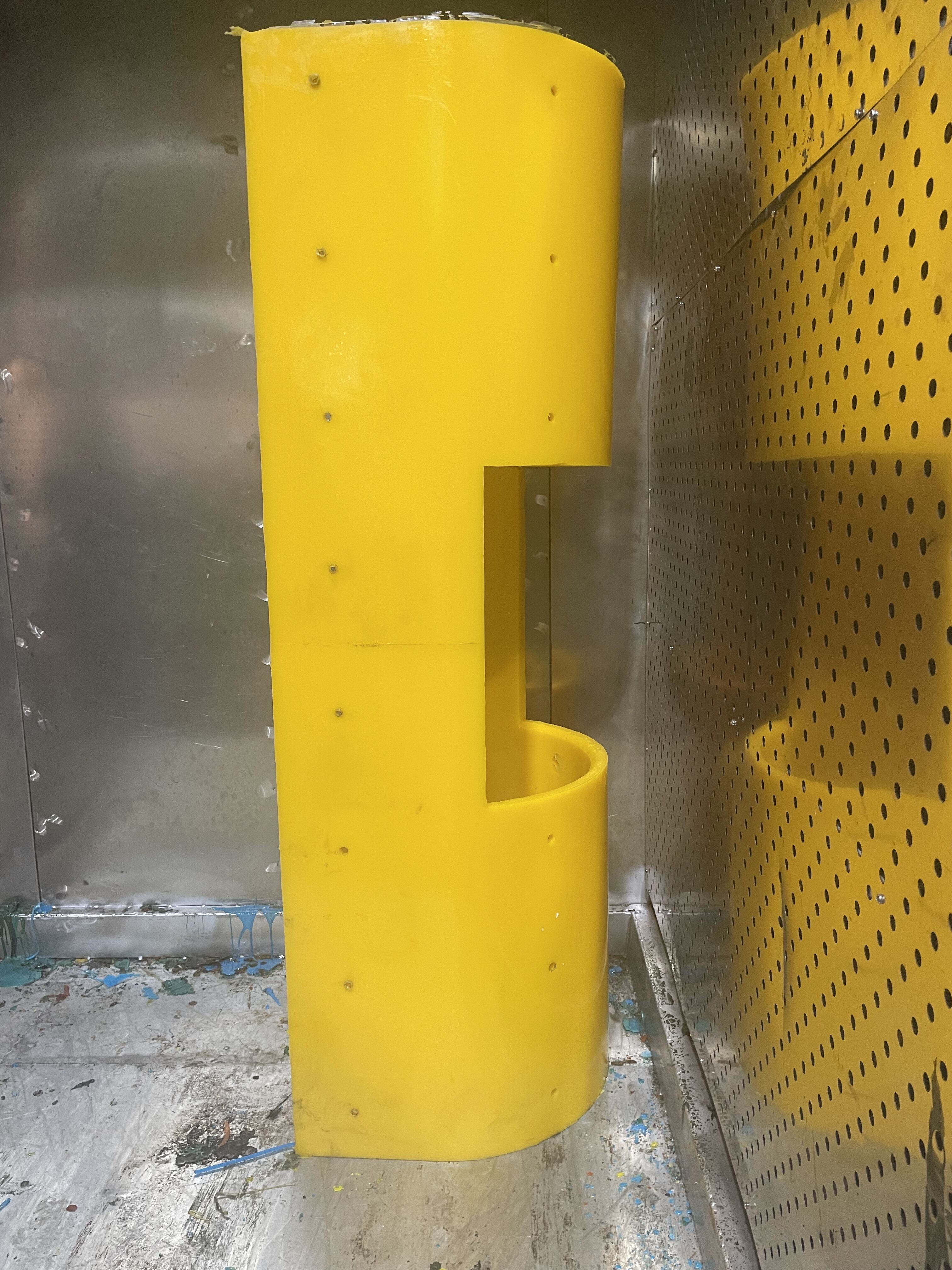
polyurethane bumper
The polyurethane bumper represents a revolutionary advancement in protective technology, offering superior impact resistance and durability across numerous industrial applications. This specialized component utilizes polyurethane's unique molecular structure to deliver exceptional performance characteristics that traditional materials cannot match. Polyurethane bumpers are engineered to absorb and dissipate energy during collisions, minimizing damage to equipment, structures, and vehicles. The primary function of a polyurethane bumper centers on impact absorption and vibration dampening. When external forces contact the bumper surface, the polyurethane material compresses and deforms, converting kinetic energy into heat while maintaining structural integrity. This process prevents catastrophic damage to protected assets while extending operational lifespans. The technological features of polyurethane bumpers include customizable hardness levels, temperature stability, and chemical resistance. Manufacturers can adjust the Shore hardness rating to meet specific application requirements, ranging from soft, flexible configurations to rigid, structural variants. The material maintains consistent performance across temperature extremes, from sub-zero conditions to high-heat environments. Additionally, polyurethane exhibits remarkable resistance to oils, solvents, and environmental contaminants. Applications for polyurethane bumpers span multiple industries including automotive, marine, industrial machinery, and architectural sectors. In automotive applications, these bumpers protect vehicle components during parking maneuvers and minor collisions. Marine environments benefit from polyurethane bumpers on dock fenders, boat hulls, and pier protection systems. Industrial machinery utilizes these components for equipment guards, conveyor systems, and safety barriers. The architectural industry incorporates polyurethane bumpers in building facades, parking structures, and pedestrian safety systems. The manufacturing process involves precise formulation of polyurethane compounds, followed by molding or casting procedures that ensure dimensional accuracy and consistent material properties throughout the finished product.
 EN
EN