High-Performance Polyurethane Profiles - Custom Industrial Sealing Solutions

Get a Free Quote

Our representative will contact you soon.
Email
Mobile
Name
Company Name
Message
0/1000

polyurethane profiles

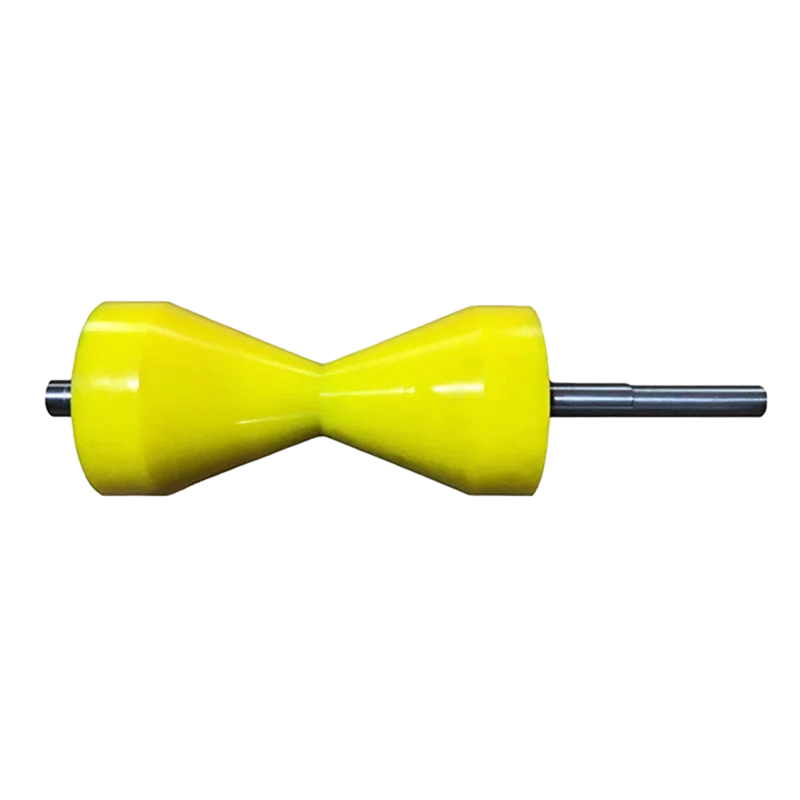
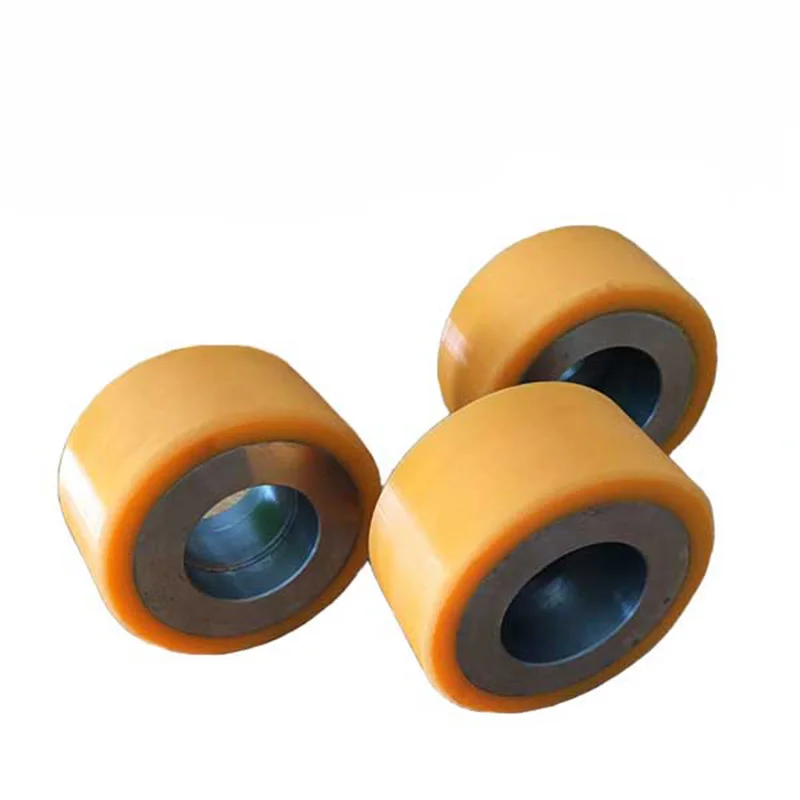
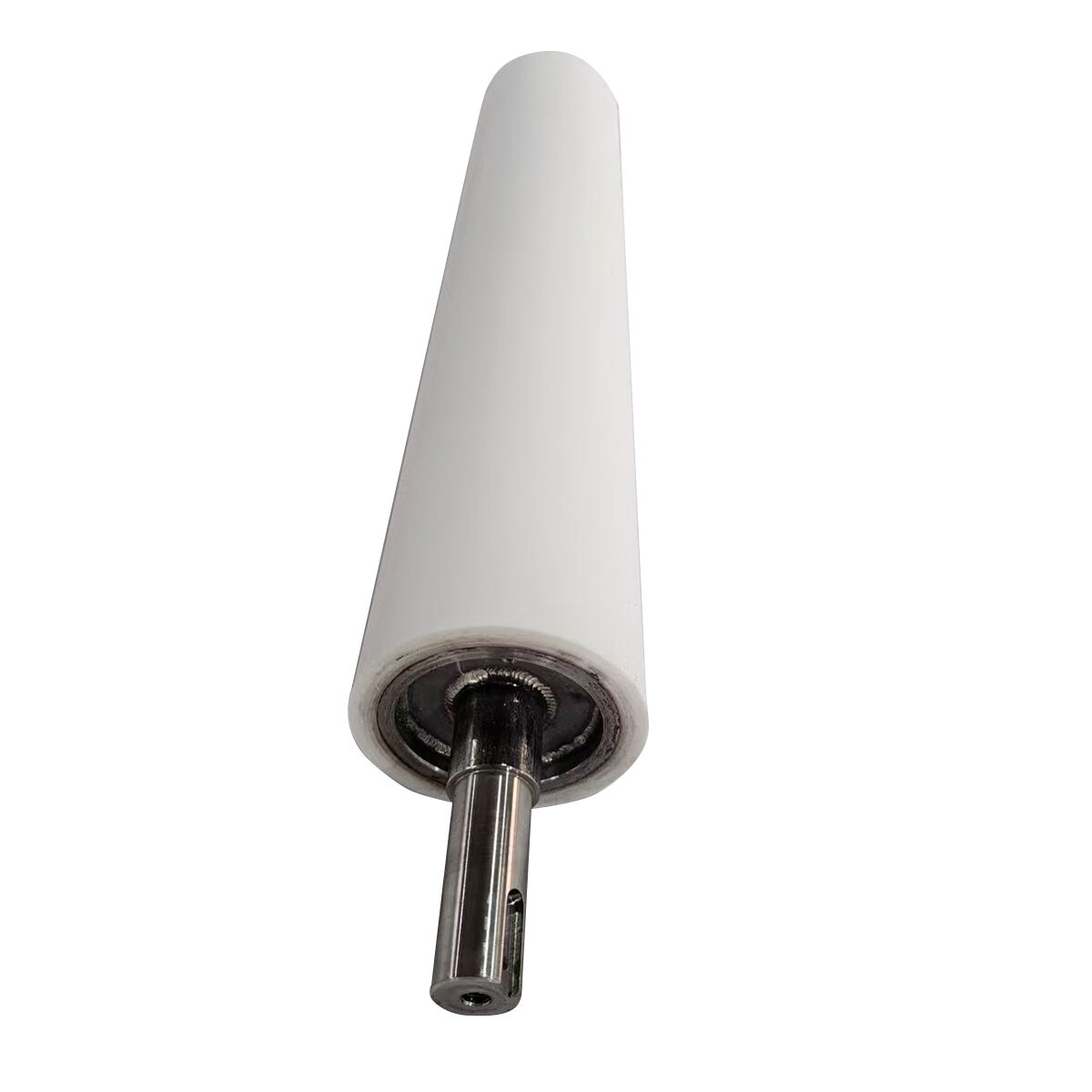
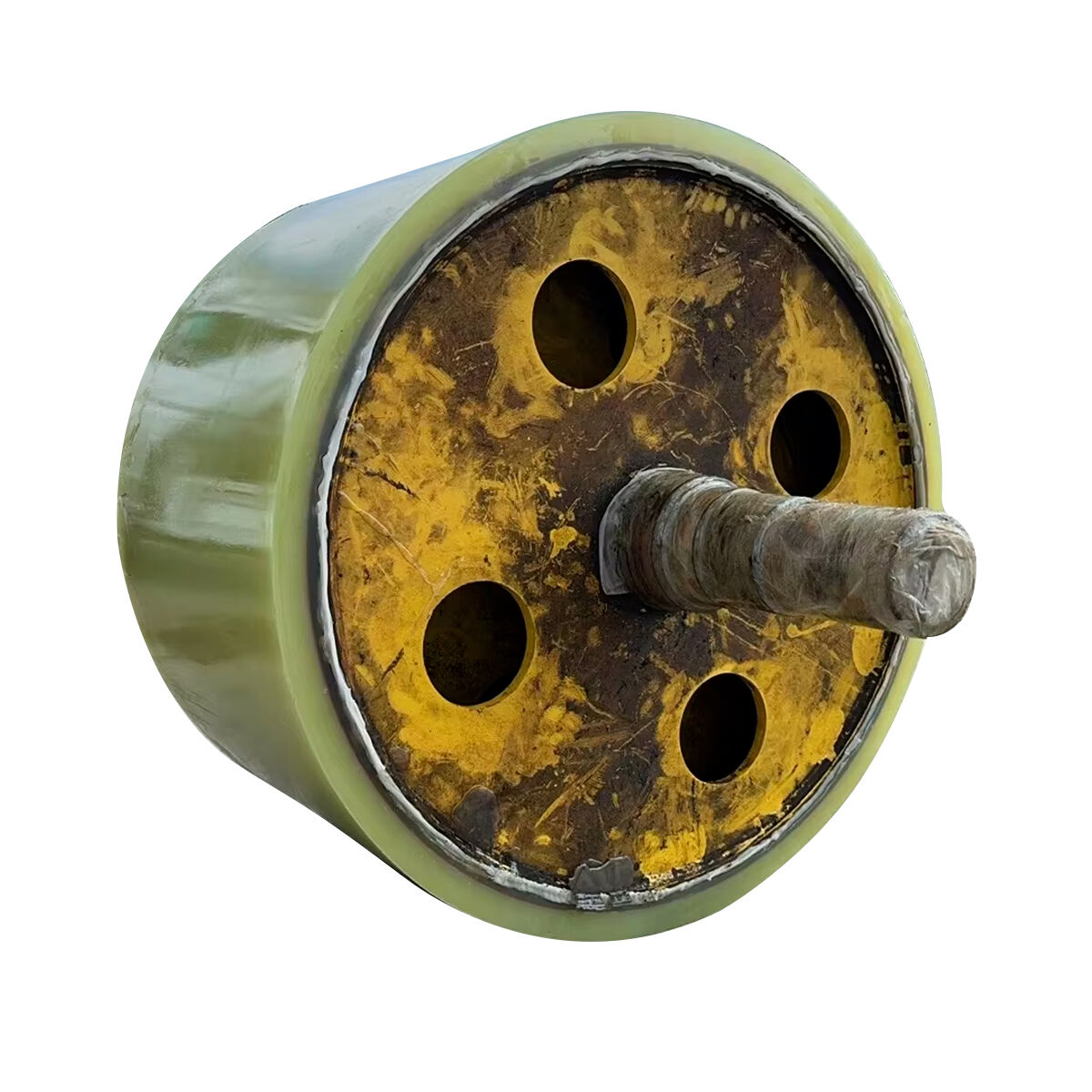
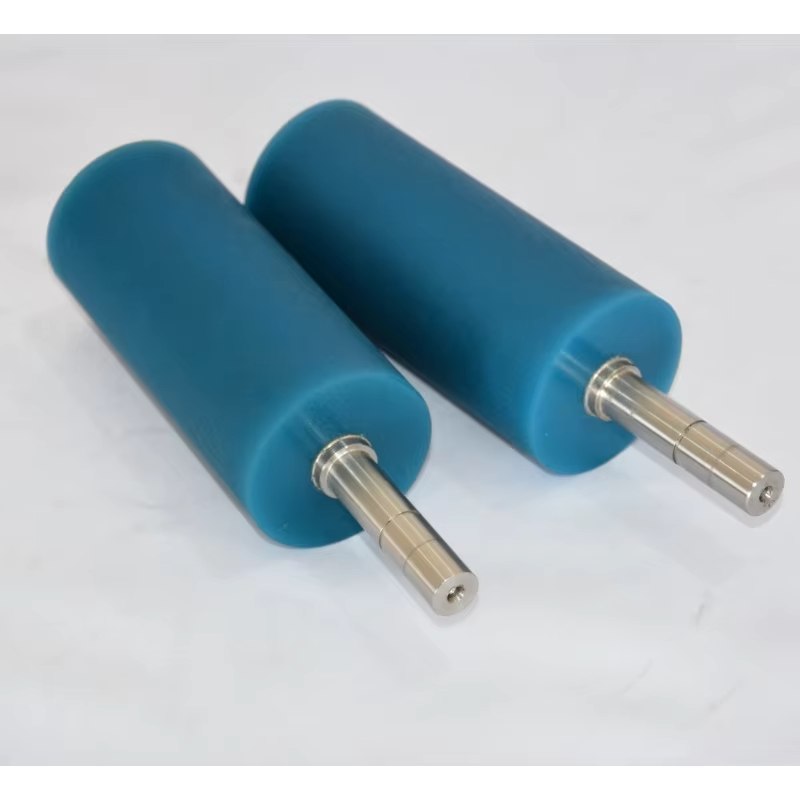
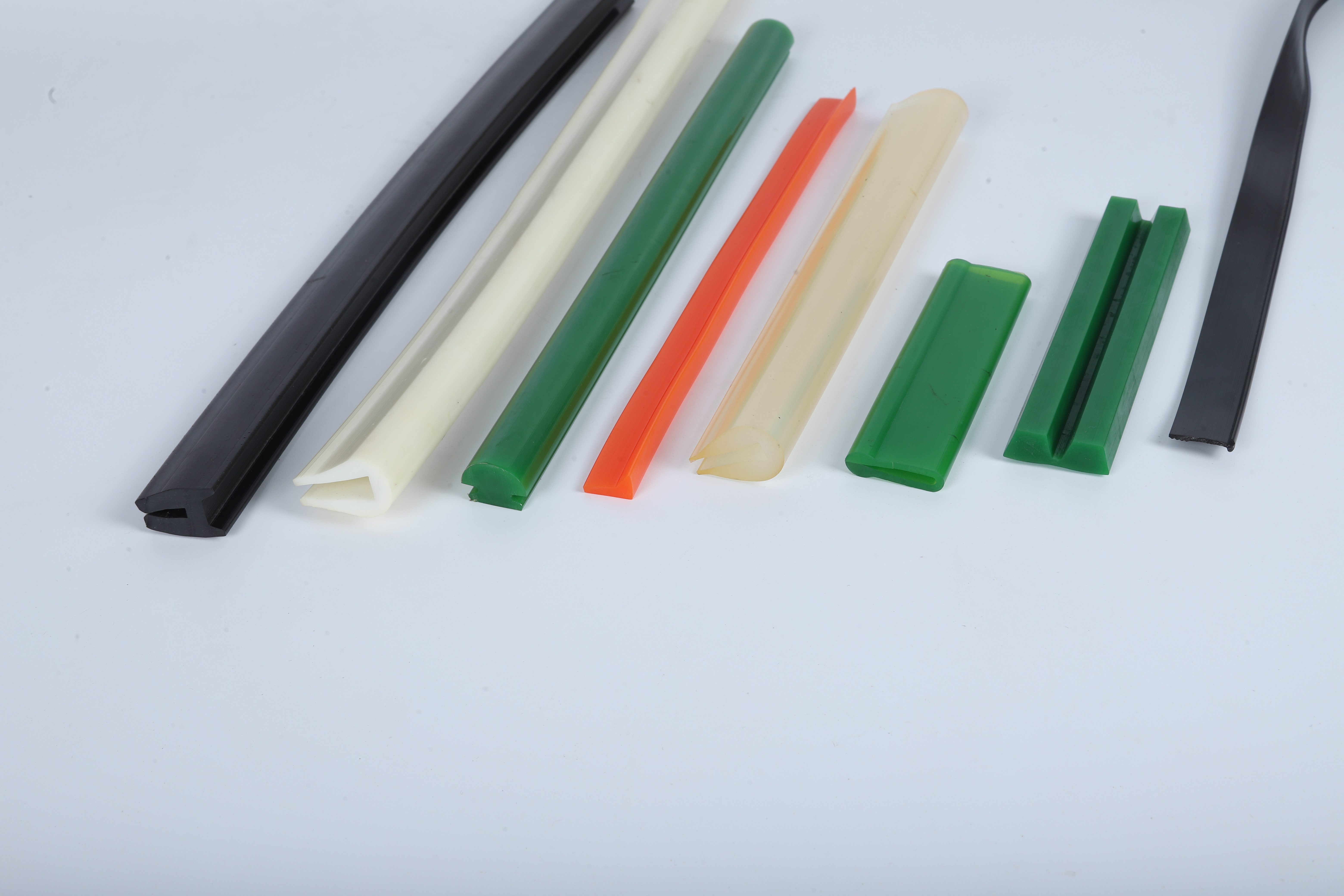
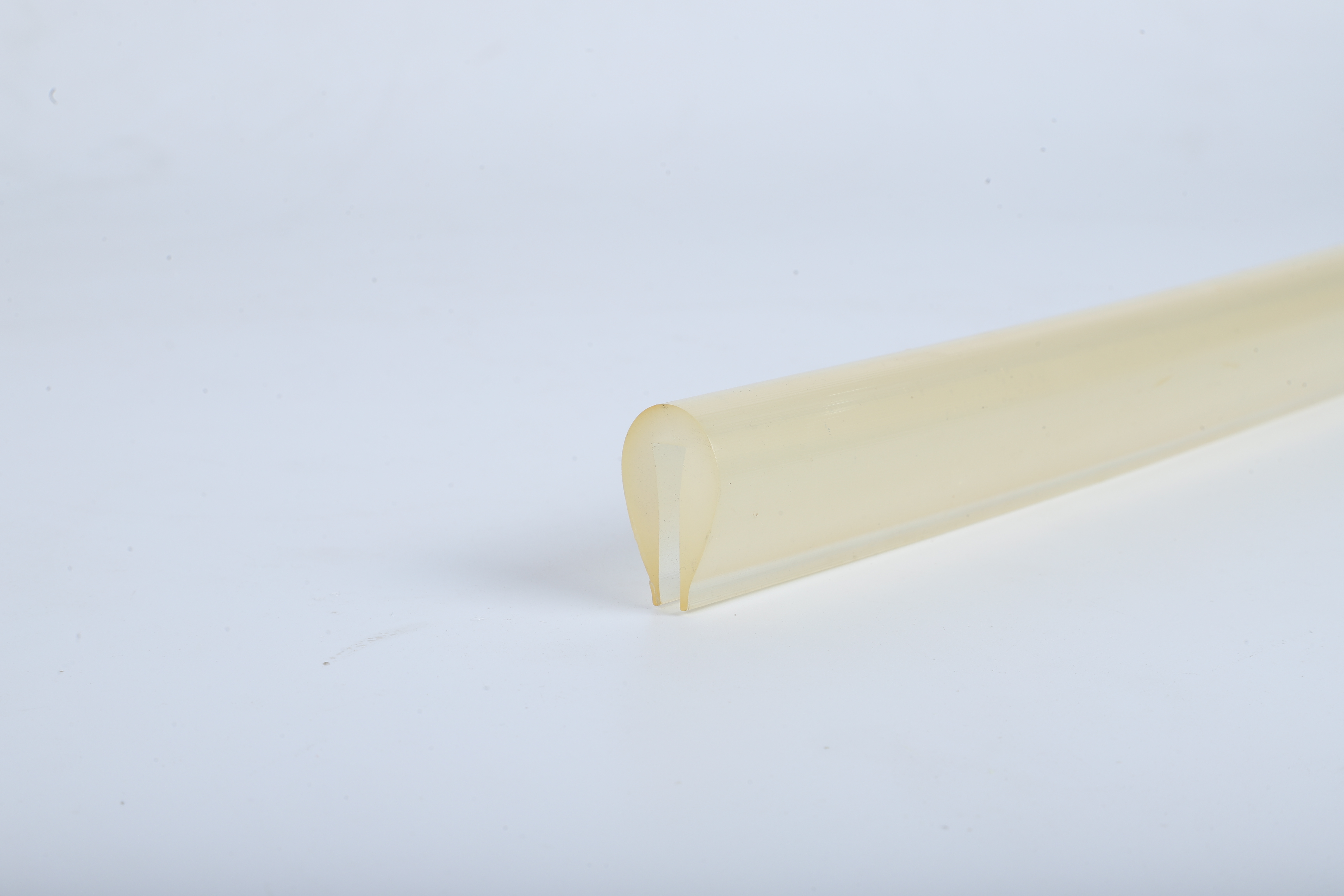
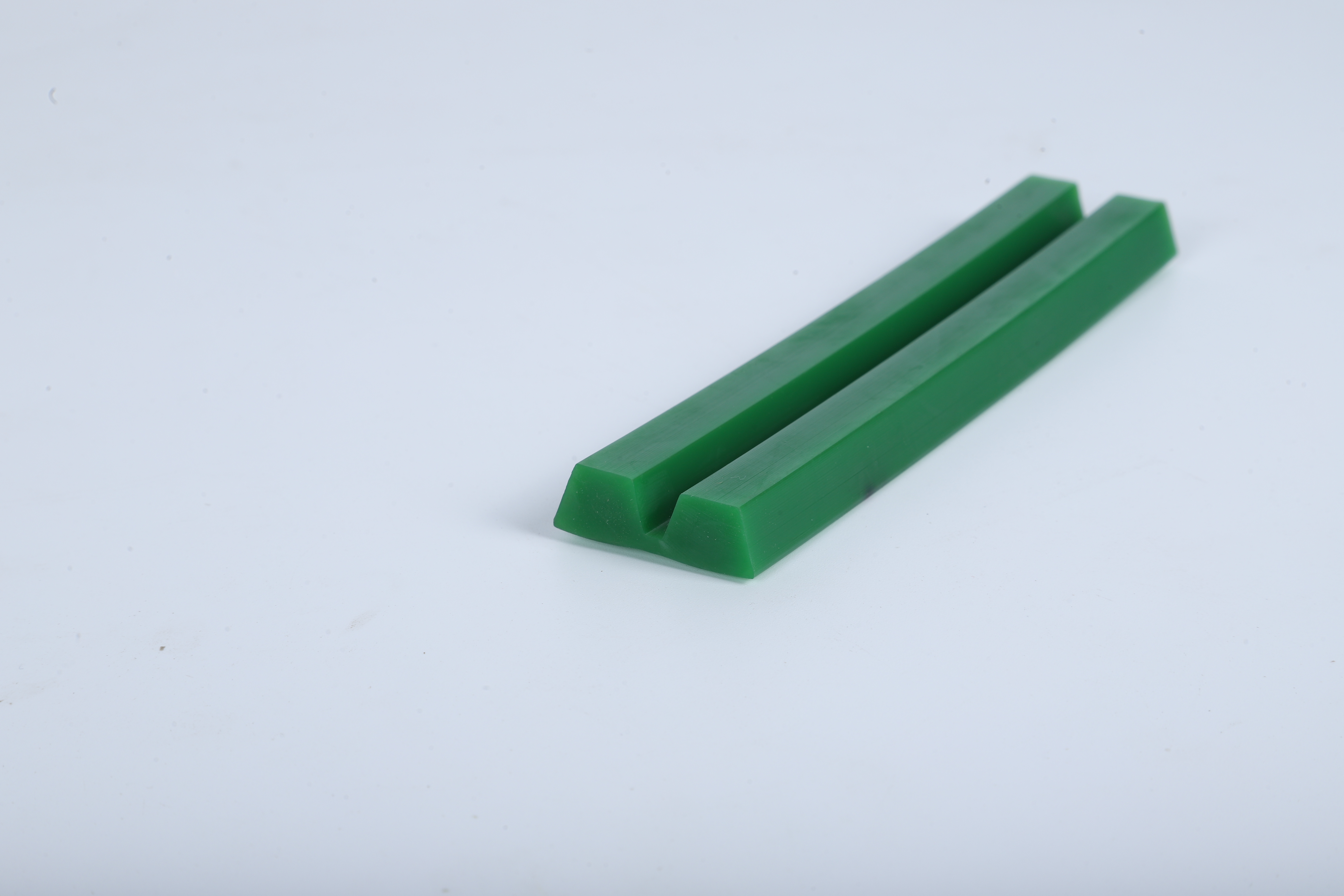
Polyurethane profiles represent a revolutionary advancement in material engineering, offering exceptional versatility and performance across numerous industrial applications. These specialized components are manufactured through advanced molding processes that create custom-shaped cross-sections with precise dimensional tolerances. The unique cellular structure of polyurethane profiles combines lightweight properties with remarkable strength, making them ideal for demanding environments where traditional materials fail to deliver adequate performance. These profiles serve multiple functions including sealing, cushioning, vibration dampening, and structural support in various mechanical systems. The technological features of polyurethane profiles encompass superior chemical resistance, temperature stability ranging from -40°C to 80°C, and exceptional durability under repeated stress cycles. Manufacturing processes utilize advanced polyurethane chemistry to achieve specific hardness levels, from soft flexible grades to rigid structural variants. The profiles can be engineered with varying densities, from lightweight cellular structures to solid configurations, depending on application requirements. Color customization and surface texturing options provide additional functionality and aesthetic appeal. Applications span automotive weatherstripping, industrial machinery cushioning, marine deck fittings, construction joint sealing, and electronic component protection. The automotive industry extensively uses polyurethane profiles for door seals, window gaskets, and suspension bushings due to their weather resistance and longevity. Industrial equipment benefits from these profiles through reduced maintenance costs and improved operational efficiency. Construction projects incorporate polyurethane profiles for expansion joints, weatherproofing, and thermal insulation barriers. The profiles demonstrate excellent adhesion properties to various substrates including metals, plastics, and composites, facilitating easy installation and long-term reliability in diverse operating conditions.

New Products

Polyurethane profiles deliver outstanding performance advantages that translate into significant cost savings and operational benefits for end users. The primary advantage lies in their exceptional durability, with service lives often exceeding traditional rubber or plastic alternatives by 300-500 percent. This extended lifespan reduces replacement frequency, minimizing downtime and maintenance costs in critical applications. The material exhibits remarkable resistance to abrasion, cuts, and tears, maintaining structural integrity even under harsh operating conditions. Temperature stability represents another crucial advantage, as polyurethane profiles maintain flexibility and sealing effectiveness across wide temperature ranges without becoming brittle or losing elasticity. Chemical resistance properties protect against oils, solvents, acids, and alkaline solutions, making these profiles suitable for aggressive industrial environments where other materials deteriorate rapidly. The lightweight nature of polyurethane profiles reduces overall system weight while maintaining superior mechanical properties, contributing to energy efficiency in mobile applications and reducing structural loading in fixed installations. Customization capabilities allow manufacturers to tailor hardness, density, and geometric configurations to meet specific application requirements, eliminating the need for multiple component types. Installation simplicity accelerates project completion times, as polyurethane profiles can be easily cut, shaped, and bonded using standard tools and adhesives. The material's inherent flexibility accommodates thermal expansion and mechanical movement without compromising seal integrity or structural performance. Polyurethane profiles demonstrate excellent memory properties, returning to original dimensions after compression or deformation, ensuring consistent performance throughout their service life. Environmental benefits include recyclability and reduced waste generation due to extended service intervals. The profiles provide superior vibration dampening compared to metal or rigid plastic alternatives, reducing noise transmission and improving user comfort. Water absorption rates remain minimal, preventing dimensional changes and performance degradation in humid environments. Cost-effectiveness becomes apparent through reduced maintenance schedules, improved system reliability, and enhanced product longevity, making polyurethane profiles an intelligent investment for quality-conscious applications.

Practical Tips

How Do Rubber Rollers Affect Conveyor Performance and Longevity?

31

Oct

How Do Rubber Rollers Affect Conveyor Performance and Longevity?

Understanding the Critical Role of Rubber Rollers in Industrial Conveyor Systems In modern industrial settings, the efficiency and reliability of conveyor systems depend heavily on their components, with rubber rollers being among the most crucial el...
View More
What Are the Key Benefits of Using Custom Rubber Rollers in Factories?

31

Oct

What Are the Key Benefits of Using Custom Rubber Rollers in Factories?

Understanding the Impact of Advanced Rubber Roller Technology in Modern Manufacturing Manufacturing excellence depends heavily on the quality and precision of equipment components. Among these critical elements, custom rubber rollers have emerged as ...
View More
How Do Round Belts Optimize Power Transmission in Industrial Machines?

27

Nov

How Do Round Belts Optimize Power Transmission in Industrial Machines?

Industrial power transmission systems form the backbone of modern manufacturing operations, where efficiency and reliability directly impact production outcomes. Among the various transmission components available today, round belts have emerged as a...
View More
How to Select the Right Round Belt for High-Temperature Applications?

27

Nov

How to Select the Right Round Belt for High-Temperature Applications?

Industrial machinery operating in high-temperature environments requires specialized transmission components that can withstand extreme thermal conditions without compromising performance. A high temperature round belt serves as a critical component ...
View More

Get a Free Quote

Our representative will contact you soon.
Email
Mobile
Name
Company Name
Message
0/1000

polyurethane profiles

Superior Weather Resistance and UV Stability

Superior Weather Resistance and UV Stability

Polyurethane profiles excel in outdoor applications through their exceptional weather resistance and UV stability, characteristics that set them apart from conventional sealing and structural materials. The advanced polyurethane chemistry incorporates specialized additives and stabilizers that protect against ultraviolet radiation, preventing the degradation and brittleness commonly experienced with standard rubber compounds. This UV protection maintains the profiles' flexibility and mechanical properties even after prolonged exposure to intense sunlight, making them ideal for architectural applications, automotive trim, and marine equipment. The weather resistance extends beyond UV protection to include excellent performance in extreme temperatures, humidity variations, and exposure to rain, snow, and ice. Unlike traditional materials that crack, harden, or lose elasticity in cold conditions, polyurethane profiles maintain their sealing effectiveness and flexibility down to -40°C. Similarly, high-temperature resistance up to 80°C ensures reliable performance in hot climates or applications involving heat generation. The hydrophobic properties of polyurethane profiles prevent water absorption that could lead to dimensional changes, freeze-thaw damage, or bacterial growth within the material structure. This moisture resistance contributes to long-term durability and hygiene in food processing, medical, and clean room applications. The profiles' resistance to ozone degradation further enhances their outdoor performance, as ozone exposure typically causes cracking and surface deterioration in conventional elastomers. Salt spray resistance makes polyurethane profiles particularly valuable in marine environments where corrosive salt exposure would rapidly degrade alternative materials. The combination of these weather-resistant properties results in maintenance-free performance for decades, even in the most challenging environmental conditions, providing exceptional value through reduced replacement costs and extended service intervals.
Exceptional Load-Bearing Capacity and Structural Integrity

Exceptional Load-Bearing Capacity and Structural Integrity

The remarkable load-bearing capacity of polyurethane profiles stems from their unique molecular structure and advanced manufacturing processes that create materials with superior strength-to-weight ratios compared to traditional alternatives. The polymer chains in polyurethane create a three-dimensional network that distributes applied loads effectively throughout the material, preventing localized stress concentrations that could lead to failure. This structural integrity enables polyurethane profiles to support significant loads while maintaining their original geometry and sealing effectiveness. The compressive strength of these profiles can be engineered to meet specific application requirements, ranging from soft, compliant grades for delicate sealing applications to rigid, structural variants capable of supporting heavy machinery. Under dynamic loading conditions, polyurethane profiles demonstrate exceptional fatigue resistance, withstanding millions of compression cycles without permanent deformation or performance degradation. This durability proves particularly valuable in industrial applications involving reciprocating machinery, vibrating equipment, or cyclical loading patterns. The material's viscoelastic properties provide controlled energy absorption and return, making polyurethane profiles effective shock absorbers and vibration dampeners. Unlike rigid materials that transmit forces directly or soft materials that permanently deform under load, polyurethane profiles balance load distribution with recovery characteristics. The tensile strength of polyurethane profiles exceeds that of conventional rubber compounds by significant margins, resisting stretching and tearing forces that would compromise seal integrity or structural performance. Shear strength properties enable these profiles to resist lateral forces and twisting motions common in mechanical assemblies. The load-bearing advantages extend to impact resistance, where polyurethane profiles absorb and dissipate impact energy without cracking or fragmenting. This combination of strength characteristics makes polyurethane profiles suitable for demanding applications in heavy machinery, transportation equipment, and structural components where reliability under load is critical for safety and performance.
Advanced Customization and Precision Manufacturing Capabilities

Advanced Customization and Precision Manufacturing Capabilities

The advanced customization capabilities of polyurethane profiles represent a significant competitive advantage, enabling manufacturers to create precisely tailored solutions that meet exact application requirements without the limitations imposed by standard off-the-shelf products. Modern polyurethane processing technology allows for intricate profile geometries with complex cross-sectional shapes, internal cavities, and variable wall thicknesses that would be impossible to achieve with traditional materials or manufacturing methods. The precision manufacturing process maintains dimensional tolerances within ±0.1mm, ensuring consistent fit and performance across production runs. This accuracy eliminates the need for secondary machining operations while providing reliable interference fits and sealing surfaces. Material property customization extends beyond basic hardness selection to include density variation, cellular structure control, and specialized additives for specific performance characteristics. Manufacturers can incorporate flame retardants for fire safety applications, antimicrobial agents for medical and food processing uses, or conductive fillers for static dissipation requirements. Color customization provides both aesthetic and functional benefits, with options ranging from standard colors for visual identification to specialized UV-stable pigments for outdoor applications. Surface texture modification creates specific friction characteristics, grip patterns, or sealing surface profiles optimized for particular applications. The manufacturing flexibility accommodates both high-volume production runs and small batch custom orders, making polyurethane profiles accessible for specialized applications that would be cost-prohibitive with traditional molding processes. Rapid prototyping capabilities enable quick design iterations and performance validation before full production commitment. The ability to co-extrude multiple durometer grades within a single profile creates components with varying stiffness zones, combining rigid structural sections with flexible sealing elements in one integrated component. Insert molding capabilities allow incorporation of metal reinforcements, fabric backing, or other materials to enhance specific performance characteristics. This customization flexibility, combined with precision manufacturing, enables engineers to specify exactly the properties needed for optimal performance rather than compromising with available standard products.

Get a Free Quote

Our representative will contact you soon.
Email
Mobile
Name
Company Name
Message
0/1000