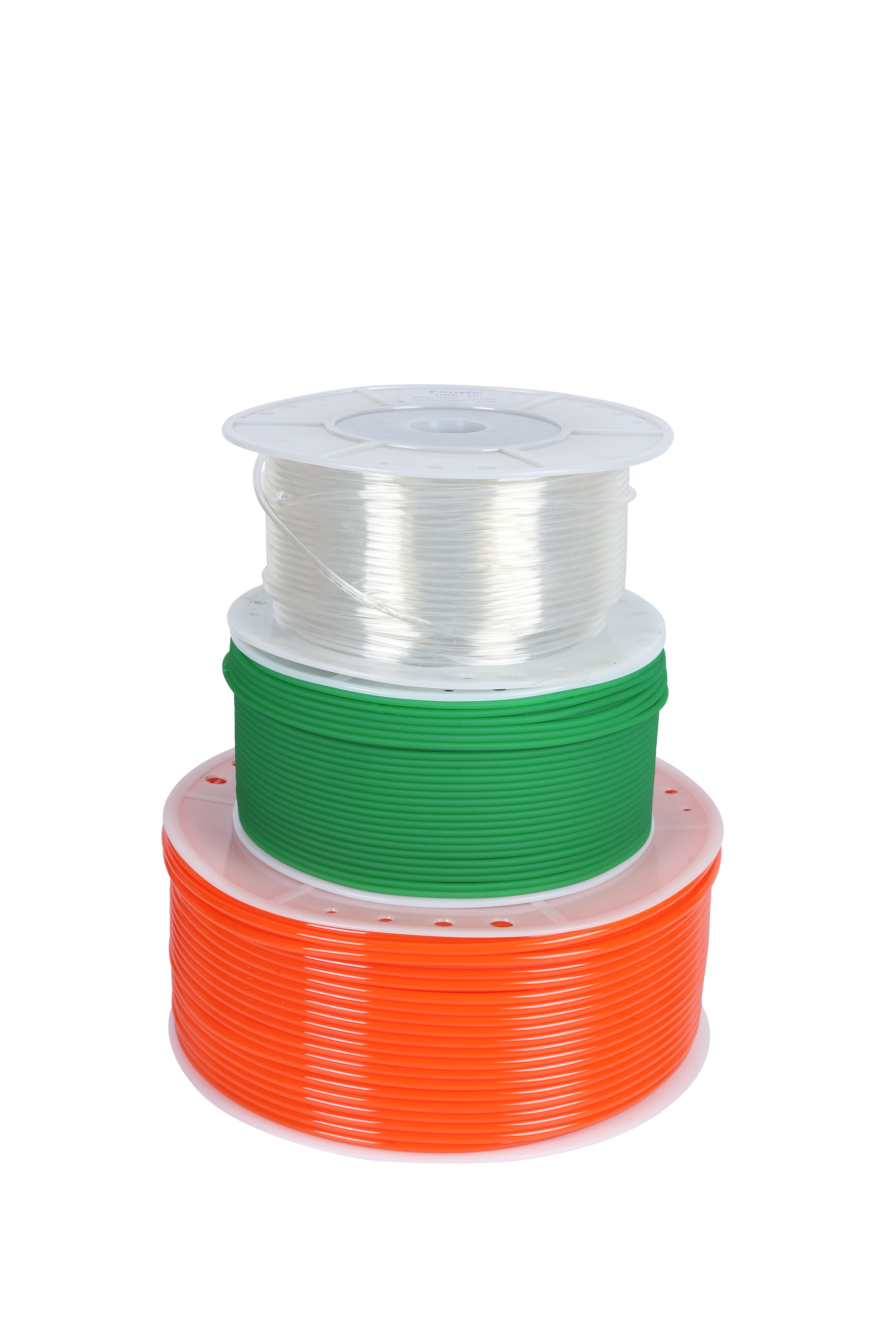
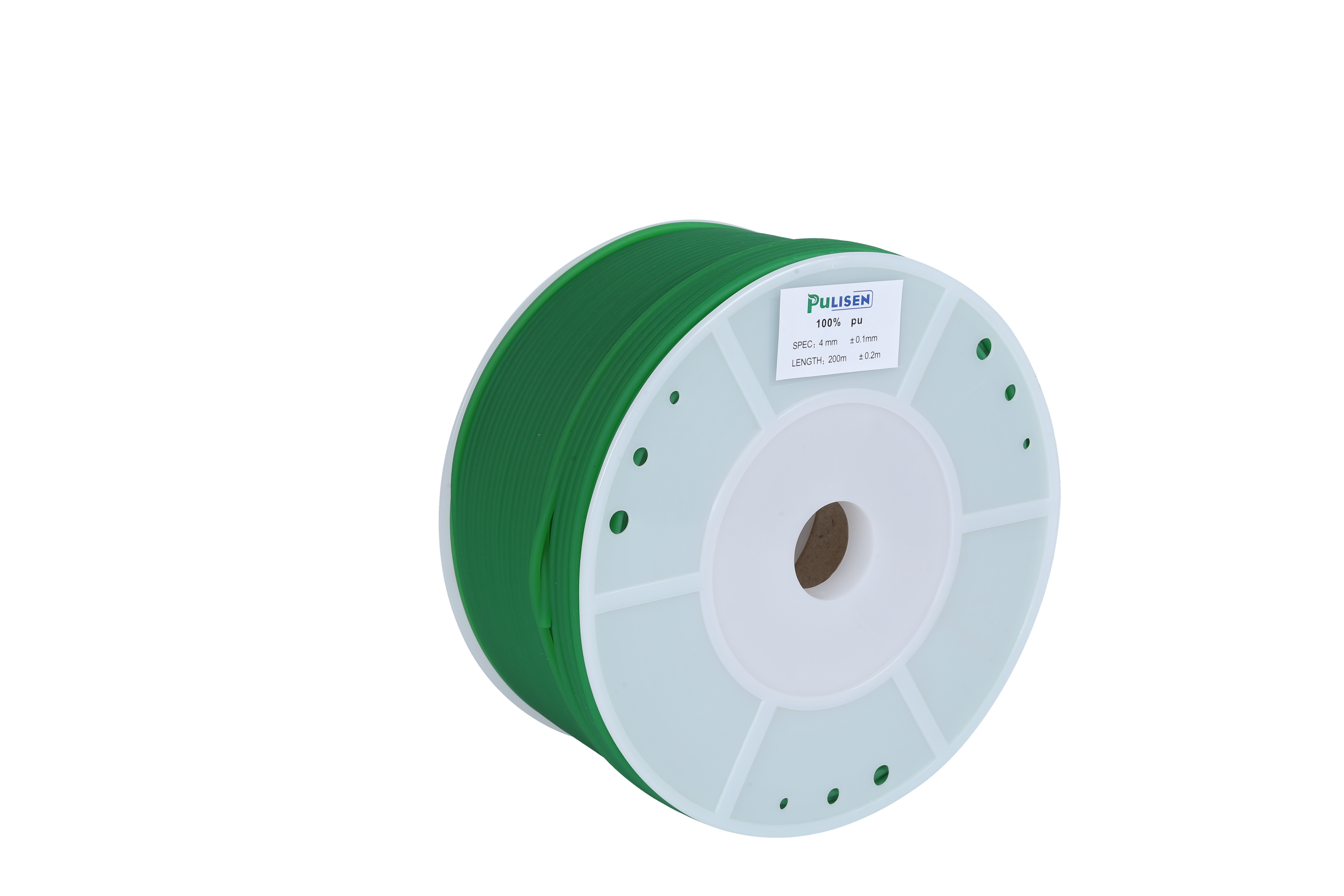
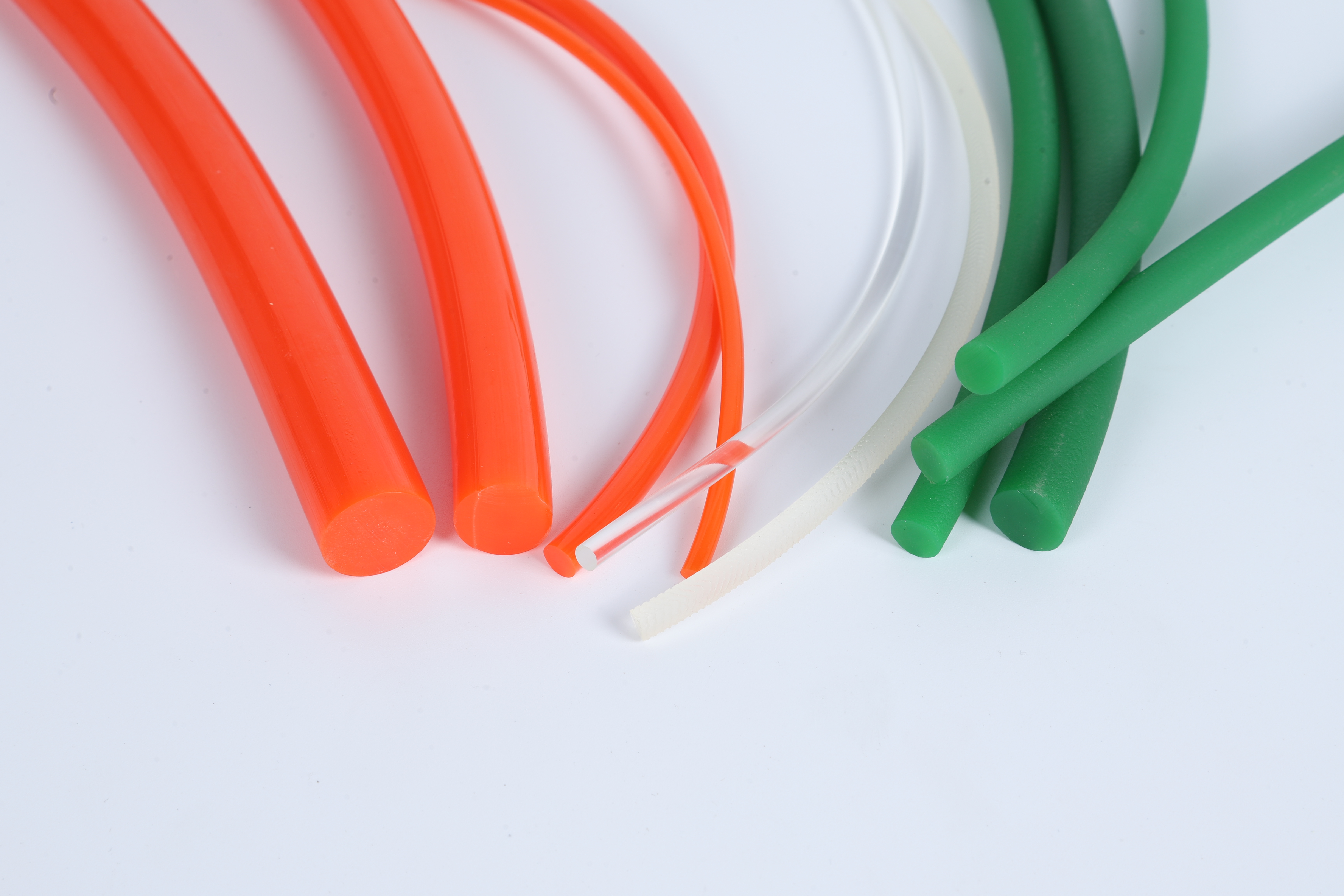
Premium Urethane Round Belting - Superior Power Transmission Solutions for Industrial Applications

Get a Free Quote

Our representative will contact you soon.
Email
Mobile
Name
Company Name
Message
0/1000

urethane round belting

Urethane round belting represents a cutting-edge solution in power transmission systems, offering exceptional performance across diverse industrial applications. This specialized conveyor component consists of a continuous loop made from high-grade polyurethane materials, engineered to deliver superior strength and flexibility. The circular cross-section design distinguishes urethane round belting from traditional flat belt systems, providing enhanced grip and reduced slippage during operation. Manufacturing processes utilize advanced polyurethane compounds that create a seamless, jointless belt structure, eliminating weak points commonly found in mechanically joined alternatives. The primary function of urethane round belting centers on efficient power transmission between pulleys, rollers, and drive systems. These belts excel in applications requiring precise movement control, consistent torque delivery, and reliable operation under varying load conditions. The round profile enables smooth engagement with grooved pulleys, creating optimal contact surfaces that maximize power transfer efficiency. Technological features include exceptional tear resistance, outstanding abrasion properties, and remarkable flexibility that allows operation around small diameter pulleys without compromising belt integrity. The urethane construction provides excellent chemical resistance, making these belts suitable for harsh environments where exposure to oils, solvents, and cleaning agents occurs regularly. Temperature stability ranges from sub-zero conditions to elevated operating temperatures, ensuring consistent performance across seasonal variations. Applications span numerous industries including packaging machinery, food processing equipment, textile manufacturing, printing systems, and automated assembly lines. The food-grade variants meet stringent hygiene standards, making urethane round belting ideal for direct food contact applications. Medical device manufacturing, pharmaceutical production, and cleanroom environments benefit from the non-contaminating properties of high-quality urethane materials. Agricultural equipment, conveyor systems, and material handling applications leverage the durability and weather resistance of urethane round belting for outdoor operations.

New Product Recommendations

Urethane round belting delivers remarkable durability that translates directly into reduced maintenance costs and extended operational life. The polyurethane construction resists wear patterns that typically plague rubber alternatives, maintaining consistent performance over thousands of operating hours. This longevity means fewer belt replacements, reduced downtime, and lower total cost of ownership for industrial operators. The material naturally resists cracking, splitting, and deterioration even under continuous flexing cycles, providing reliable service in demanding applications. Flexibility stands as another significant advantage, allowing urethane round belting to navigate tight turns and small pulley diameters without stress concentration. This characteristic enables compact machine designs and permits installation in space-constrained environments where rigid belt systems would fail. The elastic properties ensure smooth operation across variable speed conditions, automatically adjusting to load changes without requiring complex tensioning mechanisms. Chemical resistance provides peace of mind in environments where exposure to industrial fluids, cleaning solutions, and process chemicals is unavoidable. Unlike rubber belts that swell, crack, or degrade when exposed to oils and solvents, urethane round belting maintains its dimensional stability and mechanical properties. This resistance extends belt life significantly in automotive, chemical processing, and food production environments where contamination risks exist. Temperature tolerance allows operation across wide environmental ranges without performance degradation. Cold weather applications benefit from the material's ability to remain flexible at sub-zero temperatures, while high-temperature processes rely on the thermal stability that prevents softening or deformation. This versatility eliminates the need for seasonal belt changes or climate-controlled storage requirements. Installation simplicity reduces setup time and labor costs compared to complex belt systems requiring specialized tools or techniques. The continuous loop design eliminates joints, fasteners, or bonding procedures that can introduce failure points. Maintenance requirements remain minimal due to the self-lubricating properties of urethane materials and the absence of mechanical joints that require periodic inspection or adjustment. Power transmission efficiency reaches optimal levels through the superior grip characteristics of urethane surfaces, reducing energy consumption and improving overall system performance.

Practical Tips

What Factors Should You Consider When Choosing a Rubber Roller?

31

Oct

What Factors Should You Consider When Choosing a Rubber Roller?

Essential Elements of Industrial Rubber Roller Selection Selecting the right rubber roller for your industrial application can significantly impact your operation's efficiency, product quality, and overall productivity. Whether you're in the printing...
View More
How Does a Rubber Wheel Enhance Load Handling in Heavy Machinery?

31

Oct

How Does a Rubber Wheel Enhance Load Handling in Heavy Machinery?

Understanding the Impact of Rubber Wheels in Industrial Equipment In the demanding world of industrial operations, the choice of wheels can make a profound difference in equipment performance and safety. A rubber wheel serves as more than just a poin...
View More
How to Select the Right Round Belt for High-Temperature Applications?

27

Nov

How to Select the Right Round Belt for High-Temperature Applications?

Industrial machinery operating in high-temperature environments requires specialized transmission components that can withstand extreme thermal conditions without compromising performance. A high temperature round belt serves as a critical component ...
View More
Can Round Belts Improve Conveyor Efficiency in Production Lines?

27

Nov

Can Round Belts Improve Conveyor Efficiency in Production Lines?

Modern production lines depend heavily on efficient material handling systems, and conveyor belts serve as the backbone of industrial operations worldwide. Among the various belt configurations available, round belts have emerged as a specialized sol...
View More

Get a Free Quote

Our representative will contact you soon.
Email
Mobile
Name
Company Name
Message
0/1000

urethane round belting

Exceptional Chemical and Environmental Resistance

Exceptional Chemical and Environmental Resistance

The outstanding chemical resistance of urethane round belting sets it apart from conventional rubber or fabric alternatives, making it the preferred choice for industries where exposure to harsh substances is inevitable. This remarkable property stems from the unique molecular structure of polyurethane, which creates a barrier against oils, greases, solvents, acids, and alkaline solutions that would quickly degrade other belt materials. In food processing environments, urethane round belting maintains its integrity when subjected to aggressive cleaning agents, sanitizers, and high-pressure washdown procedures that are essential for maintaining hygiene standards. The material resists swelling, cracking, and surface degradation that typically occurs when rubber belts encounter petroleum-based lubricants or chemical spills. Pharmaceutical manufacturing facilities benefit from this resistance when processing active ingredients requires exposure to various solvents and cleaning protocols. The environmental resistance extends beyond chemical exposure to include UV radiation, ozone, and weathering effects that can cause premature failure in outdoor applications. Agricultural equipment operators rely on urethane round belting for hay balers, grain handling systems, and field machinery where exposure to fertilizers, pesticides, and extreme weather conditions is constant. The material maintains its flexibility and strength through temperature cycles ranging from arctic conditions to desert heat, ensuring consistent performance regardless of seasonal variations. Marine applications leverage this environmental resistance for deck equipment, winch systems, and processing machinery exposed to saltwater spray and corrosive atmospheres. The non-porous surface prevents absorption of contaminants that could lead to bacterial growth or chemical reactions, making urethane round belting ideal for cleanroom environments and sterile processing applications. This comprehensive resistance profile translates into significant cost savings through extended service life, reduced replacement frequency, and elimination of premature failures caused by environmental factors. Quality control laboratories, testing facilities, and research institutions choose urethane round belting for analytical equipment where chemical contamination could compromise results or damage sensitive instruments.
Superior Flexibility and Power Transmission Efficiency

Superior Flexibility and Power Transmission Efficiency

The exceptional flexibility of urethane round belting revolutionizes machine design possibilities while delivering unmatched power transmission efficiency that directly impacts operational productivity and energy consumption. This flexibility advantage allows engineers to create compact, space-efficient machinery layouts that would be impossible with rigid belt systems, enabling innovative designs that maximize throughput within limited floor space. The elastic properties of polyurethane materials permit operation around pulleys with diameters significantly smaller than those required by traditional belting, opening opportunities for high-speed applications and intricate routing configurations. This flexibility characteristic becomes particularly valuable in packaging machinery where complex paths navigate around cutting stations, folding mechanisms, and sealing units while maintaining consistent belt tension and tracking alignment. The power transmission efficiency of urethane round belting reaches superior levels through optimized surface friction characteristics that eliminate slippage and energy losses common with traditional systems. The round profile creates maximum contact area with grooved pulleys, distributing loads evenly and preventing the concentrated stress points that lead to premature wear and reduced efficiency. High-speed printing equipment benefits from this efficiency advantage, maintaining precise registration and consistent web tension across variable speed conditions without the hunting or oscillation problems associated with less efficient belt systems. Textile manufacturing operations rely on the smooth power delivery to maintain uniform yarn tension and prevent quality defects caused by speed variations or sudden load changes. The self-tensioning properties of urethane round belting automatically compensate for thermal expansion, load variations, and normal stretching that occurs during break-in periods, reducing the need for frequent adjustments and maintaining optimal performance throughout the service life. Automated assembly lines leverage this consistent power delivery for precise positioning, controlled acceleration profiles, and synchronized multi-axis movements that ensure product quality and production efficiency. The combination of flexibility and efficiency enables urethane round belting to handle complex routing requirements while delivering the precise power control necessary for sophisticated manufacturing processes that demand repeatability and accuracy.
Seamless Construction and Easy Installation Benefits

Seamless Construction and Easy Installation Benefits

The seamless, jointless construction of urethane round belting provides fundamental advantages that eliminate common failure modes while simplifying installation procedures and reducing long-term maintenance requirements. This continuous loop design removes the mechanical joints, splices, or bonding areas that represent the weakest points in traditional belt systems, creating a uniform structure that distributes stress evenly throughout the entire belt length. Manufacturing processes that produce urethane round belting utilize advanced molding or extrusion techniques that create a homogeneous material without seams, ensuring consistent properties and eliminating the stress concentrations that cause premature failure at joint locations. The absence of mechanical fasteners, clips, or bonded joints means there are no protruding elements that could catch on equipment components, damage products being conveyed, or create noise during operation. Food processing applications particularly benefit from this smooth surface characteristic, as there are no crevices or joints where bacteria could accumulate or where cleaning solutions might become trapped. Installation simplicity represents a significant operational advantage, as urethane round belting typically requires only basic tools and minimal training to properly mount and tension. The continuous loop design eliminates the need for specialized splicing equipment, bonding agents, or technical expertise required for joining belt ends, reducing installation time and labor costs while minimizing the risk of improper assembly that could lead to premature failure. Maintenance teams appreciate the straightforward replacement procedures that require minimal machine disassembly and can often be completed without removing major components or disrupting adjacent systems. The uniform construction enables predictable stretching characteristics during break-in periods, allowing maintenance personnel to establish proper tensioning procedures without the uncertainty associated with joint behavior or differential stretching rates. Quality control processes benefit from the consistent tracking behavior of seamless urethane round belting, as there are no heavy spots, thickness variations, or joint irregularities that could cause vibration, misalignment, or product quality issues. Emergency repairs and field service operations are simplified because replacement belts can be quickly installed without requiring specialized tools, adhesives, or curing time associated with mechanical joining methods, minimizing production downtime and reducing the need for extensive spare parts inventory.

Get a Free Quote

Our representative will contact you soon.
Email
Mobile
Name
Company Name
Message
0/1000