Industrial Silicone Rubber Roller: High-Performance Solutions for Manufacturing Excellence

Get a Free Quote

Our representative will contact you soon.
Email
Mobile
Name
Company Name
Message
0/1000

industrial silicone rubber roller

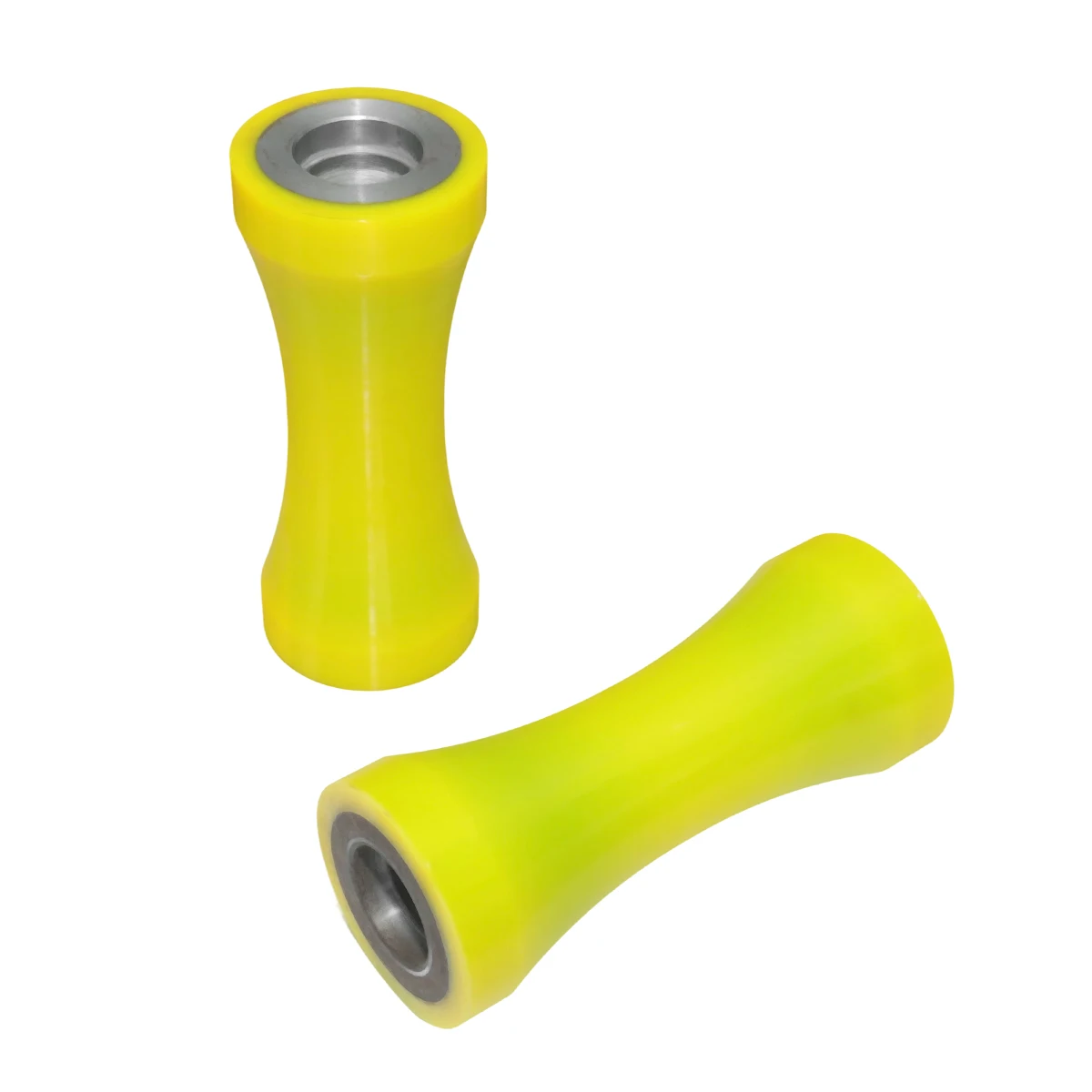
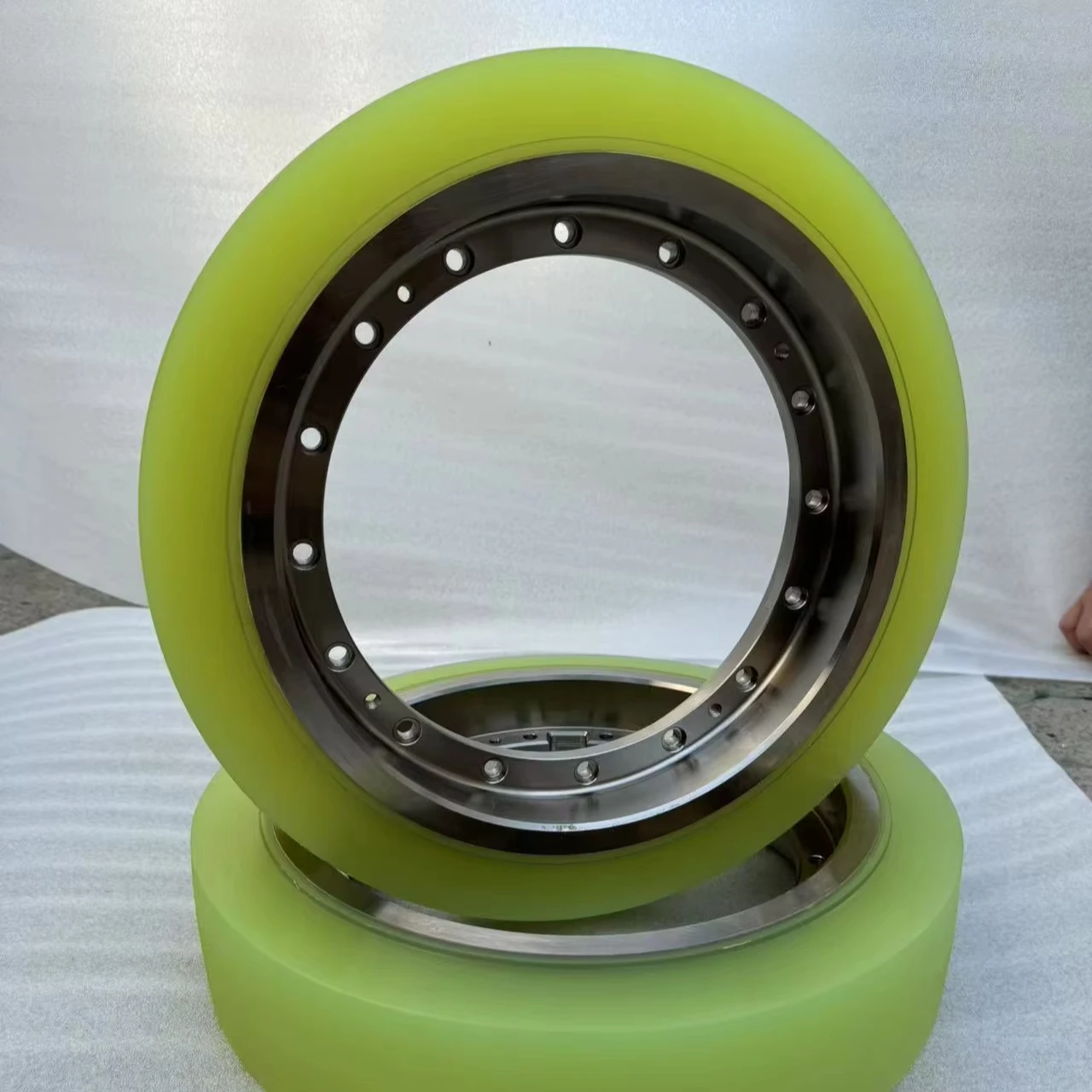
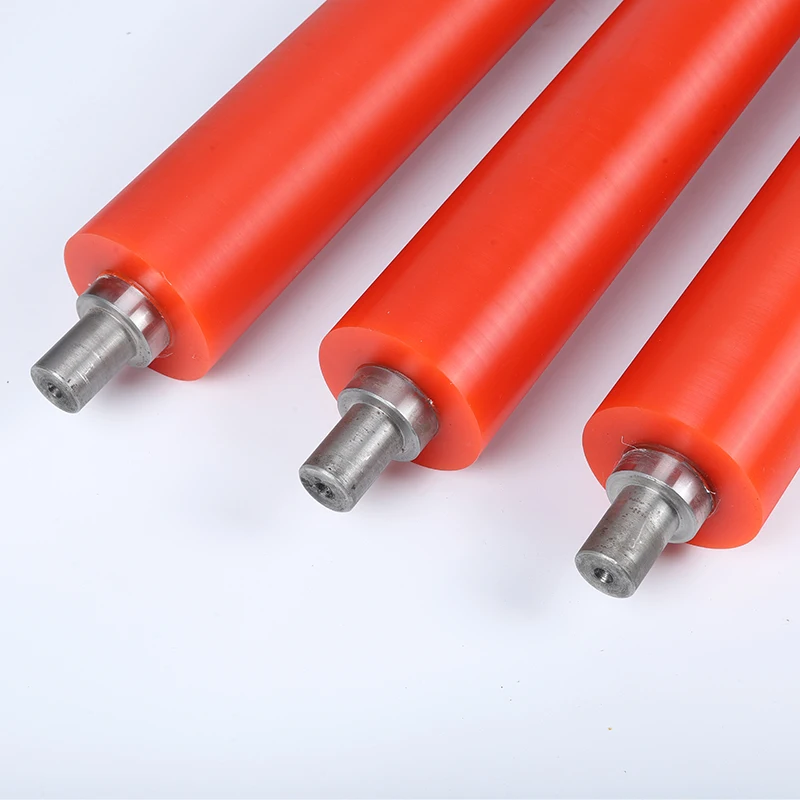
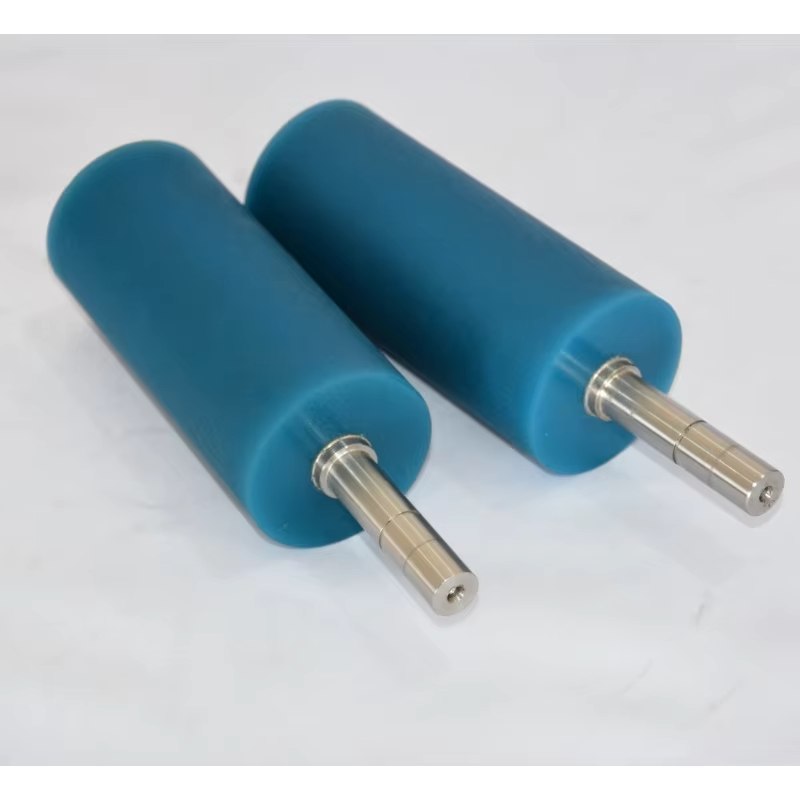
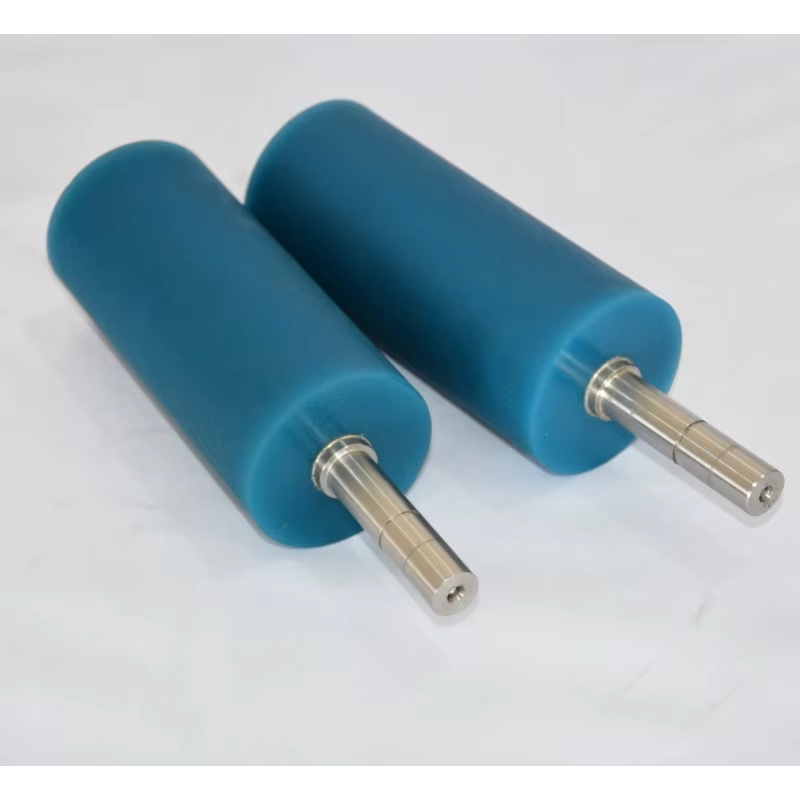
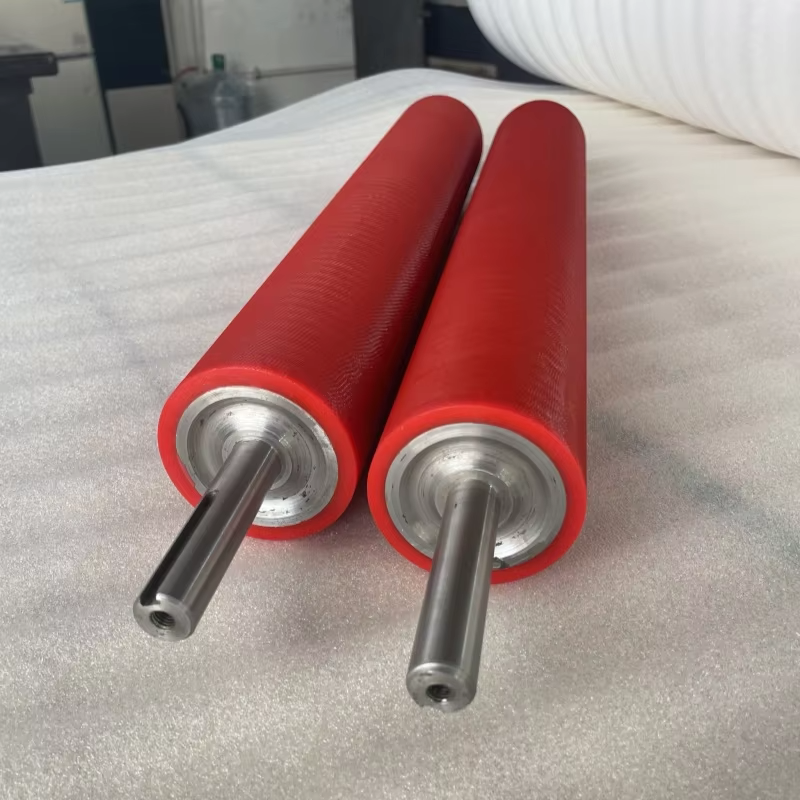
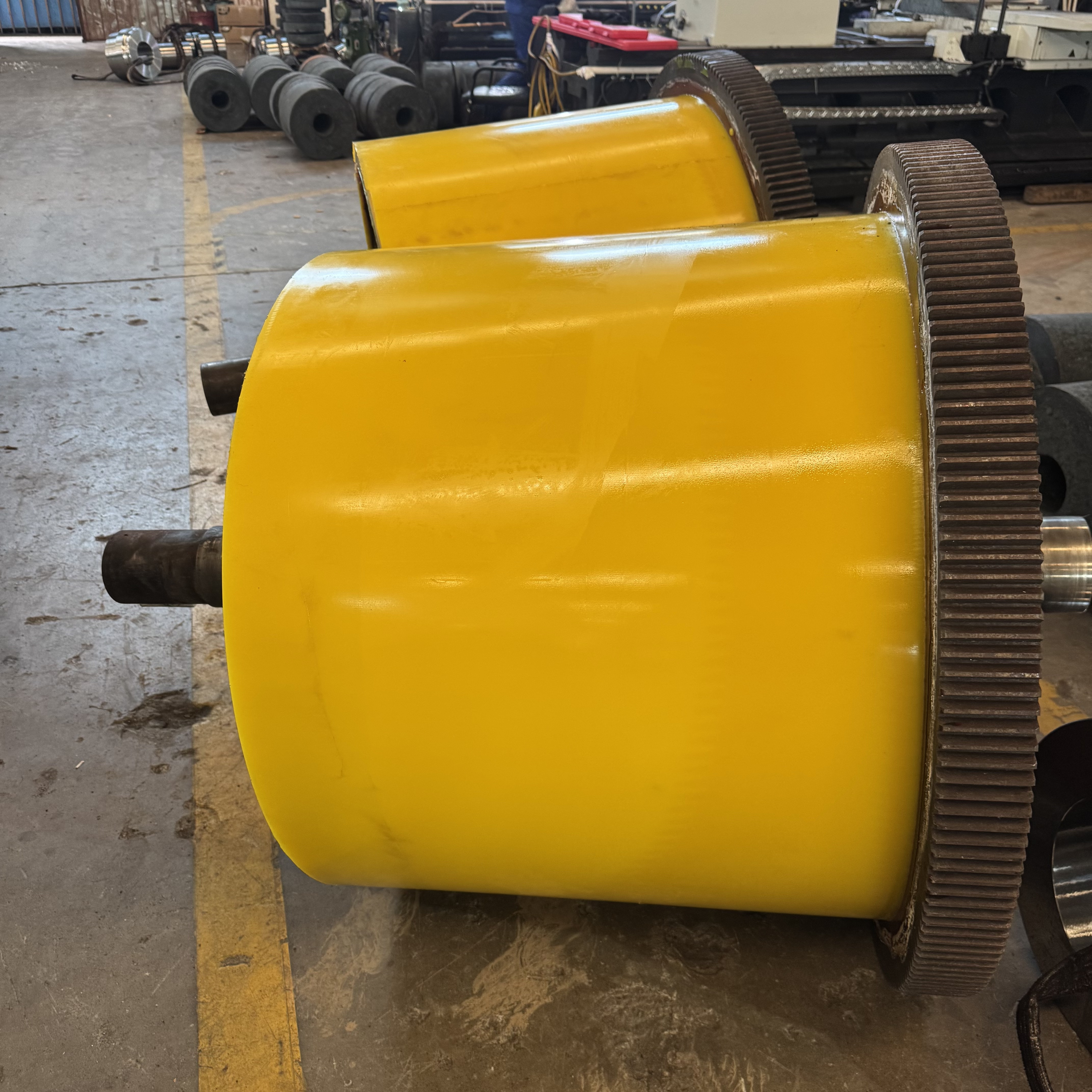
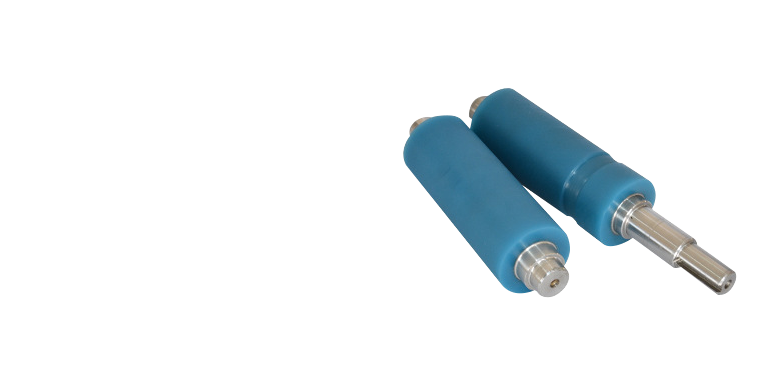
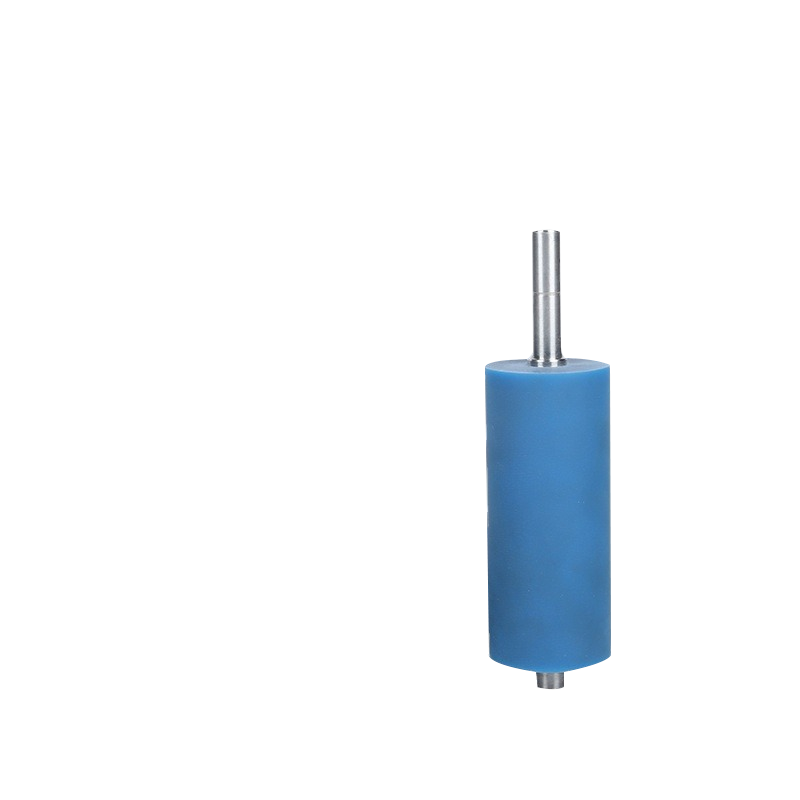
Industrial silicone rubber roller represents a critical component in modern manufacturing operations, engineered specifically to meet the demanding requirements of various production environments. These specialized rollers combine advanced silicone polymer technology with precision manufacturing techniques to deliver exceptional performance across multiple industrial applications. The industrial silicone rubber roller serves as an essential element in printing, laminating, coating, and material processing systems where consistent pressure distribution and surface contact are paramount. The core structure typically consists of a metal shaft surrounded by high-grade silicone rubber material that has been formulated to withstand extreme temperatures, chemical exposure, and continuous mechanical stress. Manufacturing processes for these rollers involve sophisticated molding and curing techniques that ensure uniform density and surface characteristics throughout the entire roller circumference. The technological features of industrial silicone rubber roller include superior heat resistance capabilities, often operating effectively in temperature ranges from -40°C to 250°C, making them ideal for applications involving heated processes or extreme environmental conditions. Chemical resistance properties allow these rollers to maintain their structural integrity when exposed to various solvents, oils, and industrial chemicals commonly encountered in manufacturing environments. The surface hardness can be precisely controlled during production, typically ranging from 20 to 90 Shore A durometer, enabling customization for specific application requirements. Applications span across numerous industries including textile processing, paper manufacturing, plastic film production, metal processing, food packaging, pharmaceutical manufacturing, and automotive component production. In printing operations, the industrial silicone rubber roller ensures uniform ink distribution and consistent print quality while maintaining dimensional stability under pressure variations. The non-stick properties inherent in silicone materials prevent adhesion of processed materials, reducing maintenance requirements and improving operational efficiency throughout extended production runs.

New Products

The industrial silicone rubber roller delivers substantial operational benefits that directly impact manufacturing efficiency and cost-effectiveness for businesses across various sectors. Temperature stability stands as one of the most significant advantages, allowing continuous operation in environments where conventional rubber materials would degrade or fail completely. This thermal resilience eliminates frequent roller replacements and reduces production downtime significantly. The chemical inertness of silicone material prevents contamination of processed materials, ensuring product quality consistency that meets stringent industry standards. Unlike traditional rubber alternatives, the industrial silicone rubber roller maintains its flexibility and surface properties even after prolonged exposure to harsh chemicals, extending service life considerably. Maintenance requirements are substantially reduced due to the non-adhesive surface characteristics that prevent material buildup during processing operations. Cleaning procedures are simplified, requiring minimal solvents or aggressive cleaning agents, which reduces operational costs and environmental impact. The precision manufacturing process ensures dimensional accuracy and surface uniformity that translates into consistent processing results and improved final product quality. Durability characteristics of the industrial silicone rubber roller significantly exceed those of conventional materials, providing extended operational life that reduces replacement frequency and associated labor costs. The ability to customize hardness levels enables optimization for specific applications, ensuring optimal performance across diverse processing requirements. Load distribution properties ensure even pressure application across the entire contact surface, preventing damage to sensitive materials and reducing waste generation. Energy efficiency benefits arise from the reduced friction coefficients of silicone materials, leading to lower power consumption in drive systems. The industrial silicone rubber roller demonstrates exceptional recovery properties, returning to original dimensions after compression cycles, which maintains processing accuracy over extended periods. Contamination resistance prevents cross-contamination between different materials or product runs, eliminating costly cleaning procedures and reducing production changeover times. These rollers exhibit excellent aging resistance, maintaining their physical properties and performance characteristics throughout their operational lifetime, providing predictable and reliable service that supports production planning and quality control initiatives.

Latest News

How Do Rubber Rollers Affect Conveyor Performance and Longevity?

31

Oct

How Do Rubber Rollers Affect Conveyor Performance and Longevity?

Understanding the Critical Role of Rubber Rollers in Industrial Conveyor Systems In modern industrial settings, the efficiency and reliability of conveyor systems depend heavily on their components, with rubber rollers being among the most crucial el...
View More
How to Select the Right Round Belt for High-Temperature Applications?

27

Nov

How to Select the Right Round Belt for High-Temperature Applications?

Industrial machinery operating in high-temperature environments requires specialized transmission components that can withstand extreme thermal conditions without compromising performance. A high temperature round belt serves as a critical component ...
View More
Can Round Belts Improve Conveyor Efficiency in Production Lines?

27

Nov

Can Round Belts Improve Conveyor Efficiency in Production Lines?

Modern production lines depend heavily on efficient material handling systems, and conveyor belts serve as the backbone of industrial operations worldwide. Among the various belt configurations available, round belts have emerged as a specialized sol...
View More
How Do Polyurethane Bumpers Protect Industrial Machinery from Impact?

27

Nov

How Do Polyurethane Bumpers Protect Industrial Machinery from Impact?

Industrial machinery faces constant challenges from mechanical stress, vibration, and impact forces that can lead to premature wear, operational downtime, and costly repairs. The integration of advanced protective components has become essential for ...
View More

Get a Free Quote

Our representative will contact you soon.
Email
Mobile
Name
Company Name
Message
0/1000

industrial silicone rubber roller

Superior Temperature Performance and Thermal Stability

Superior Temperature Performance and Thermal Stability

The exceptional temperature performance of industrial silicone rubber roller sets it apart from conventional roller materials in demanding manufacturing environments. This remarkable thermal stability enables continuous operation across temperature ranges that would cause traditional rubber materials to become brittle, soft, or completely fail. The silicone polymer structure maintains its mechanical properties and dimensional stability from extremely low temperatures of -40°C up to elevated temperatures reaching 250°C, providing unprecedented operational flexibility for manufacturers. This temperature tolerance proves invaluable in applications such as hot stamping operations, heated laminating processes, and high-temperature curing systems where maintaining consistent roller performance directly impacts product quality and production efficiency. The industrial silicone rubber roller resists thermal degradation that commonly affects other materials, preventing the formation of cracks, hardening, or softening that would compromise processing accuracy. During temperature cycling operations, these rollers demonstrate remarkable dimensional stability, returning to their original specifications after thermal expansion and contraction cycles. This characteristic ensures consistent gap settings and pressure distribution throughout varying operational conditions. The heat dissipation properties of silicone material help prevent localized hot spots that could damage sensitive substrates or cause processing irregularities. In high-speed manufacturing operations where friction generates substantial heat, the industrial silicone rubber roller maintains its surface properties and prevents heat buildup that could affect downstream processes. The thermal stability also extends the operational life significantly compared to conventional materials, reducing replacement costs and minimizing production interruptions. Quality control becomes more predictable when temperature variations do not affect roller performance, enabling manufacturers to maintain consistent processing parameters and achieve uniform results across extended production runs. The ability to operate reliably at elevated temperatures opens opportunities for process optimization, allowing manufacturers to increase processing speeds or implement higher-temperature operations that improve efficiency without compromising roller integrity or performance characteristics.
Chemical Resistance and Contamination Prevention

Chemical Resistance and Contamination Prevention

Chemical resistance capabilities of industrial silicone rubber roller provide unmatched protection against degradation and contamination in challenging processing environments. The inherent molecular structure of silicone polymers creates exceptional resistance to a wide range of chemicals including acids, bases, solvents, oils, and aggressive cleaning agents commonly encountered in industrial operations. This resistance ensures that the roller maintains its physical properties and surface characteristics even during prolonged exposure to harsh chemical environments. Unlike conventional rubber materials that may swell, soften, or deteriorate when exposed to specific chemicals, the industrial silicone rubber roller demonstrates remarkable stability and longevity. The non-porous surface structure prevents chemical absorption that could lead to contamination of processed materials or compromise roller integrity over time. This characteristic proves particularly valuable in pharmaceutical manufacturing, food processing, and precision coating applications where product purity requirements are extremely stringent. The chemical inertness prevents leaching of roller materials into processed products, ensuring compliance with regulatory standards and maintaining product quality consistency. Cleaning and sterilization procedures are significantly simplified due to the chemical resistance properties, allowing use of stronger cleaning agents when necessary without concern for roller damage. The industrial silicone rubber roller resists staining and discoloration that commonly affects other materials, maintaining visual inspection capabilities and professional appearance throughout its service life. Cross-contamination prevention becomes achievable due to the non-reactive surface that does not retain residues from previous processing runs. This feature enables rapid product changeovers and reduces cleaning time between different materials or formulations. The chemical stability also extends to resistance against ozone, UV radiation, and oxidizing agents that would normally accelerate aging and degradation in conventional materials. Manufacturing environments involving aggressive chemicals benefit significantly from the extended service life and consistent performance that chemical resistance provides, reducing replacement costs and minimizing production disruptions caused by roller failure or contamination issues.
Precision Engineering and Customizable Performance Characteristics

Precision Engineering and Customizable Performance Characteristics

The precision engineering capabilities inherent in industrial silicone rubber roller manufacturing enable unprecedented customization of performance characteristics to meet specific application requirements. Advanced manufacturing processes allow precise control over critical parameters including surface hardness, compression characteristics, surface texture, and dimensional tolerances that directly impact processing performance. The ability to specify Shore A hardness values ranging from 20 to 90 durometer provides manufacturers with the flexibility to optimize roller properties for their particular substrates and processing conditions. Softer durometer ratings excel in applications requiring gentle handling of delicate materials, while harder specifications provide the necessary firmness for high-pressure operations or abrasion resistance requirements. Surface finishing options can be customized to achieve specific friction characteristics, release properties, or texture transfer requirements that enhance final product quality. The industrial silicone rubber roller can be engineered with specialized surface patterns, grooves, or textures that improve material handling, reduce slippage, or create specific surface effects on processed materials. Dimensional precision achieved through advanced molding techniques ensures consistent gap settings and uniform pressure distribution across the entire roller width. This precision directly translates into improved product quality consistency and reduced waste generation. The manufacturing process enables integration of specific additives or compounds that enhance particular properties such as conductivity, flame resistance, or specialized release characteristics. Quality control measures throughout production ensure that each industrial silicone rubber roller meets exact specifications and performance criteria. The ability to customize roller configuration extends to diameter, length, and shaft specifications that accommodate diverse equipment requirements and processing constraints. Dynamic balancing procedures ensure smooth operation at high speeds, reducing vibration and extending bearing life in processing equipment. The precision manufacturing approach enables production of replacement rollers that match original specifications exactly, ensuring seamless integration and consistent performance when maintenance becomes necessary. Custom color coding options facilitate identification and organization in multi-roller systems or when processing different material types. This engineering flexibility allows manufacturers to optimize their processing operations and achieve superior results compared to standard, non-customized roller solutions.

Get a Free Quote

Our representative will contact you soon.
Email
Mobile
Name
Company Name
Message
0/1000