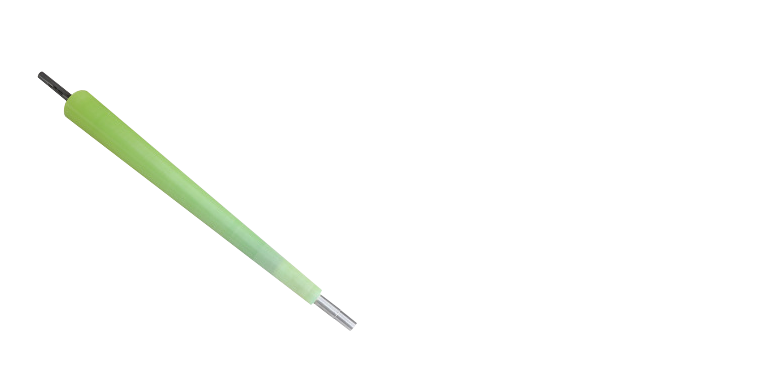
Premium Silicone Rubber Roller - Superior Performance, Temperature Resistance & Chemical Durability

Get a Free Quote

Our representative will contact you soon.
Email
Mobile
Name
Company Name
Message
0/1000

silicone rubber roller

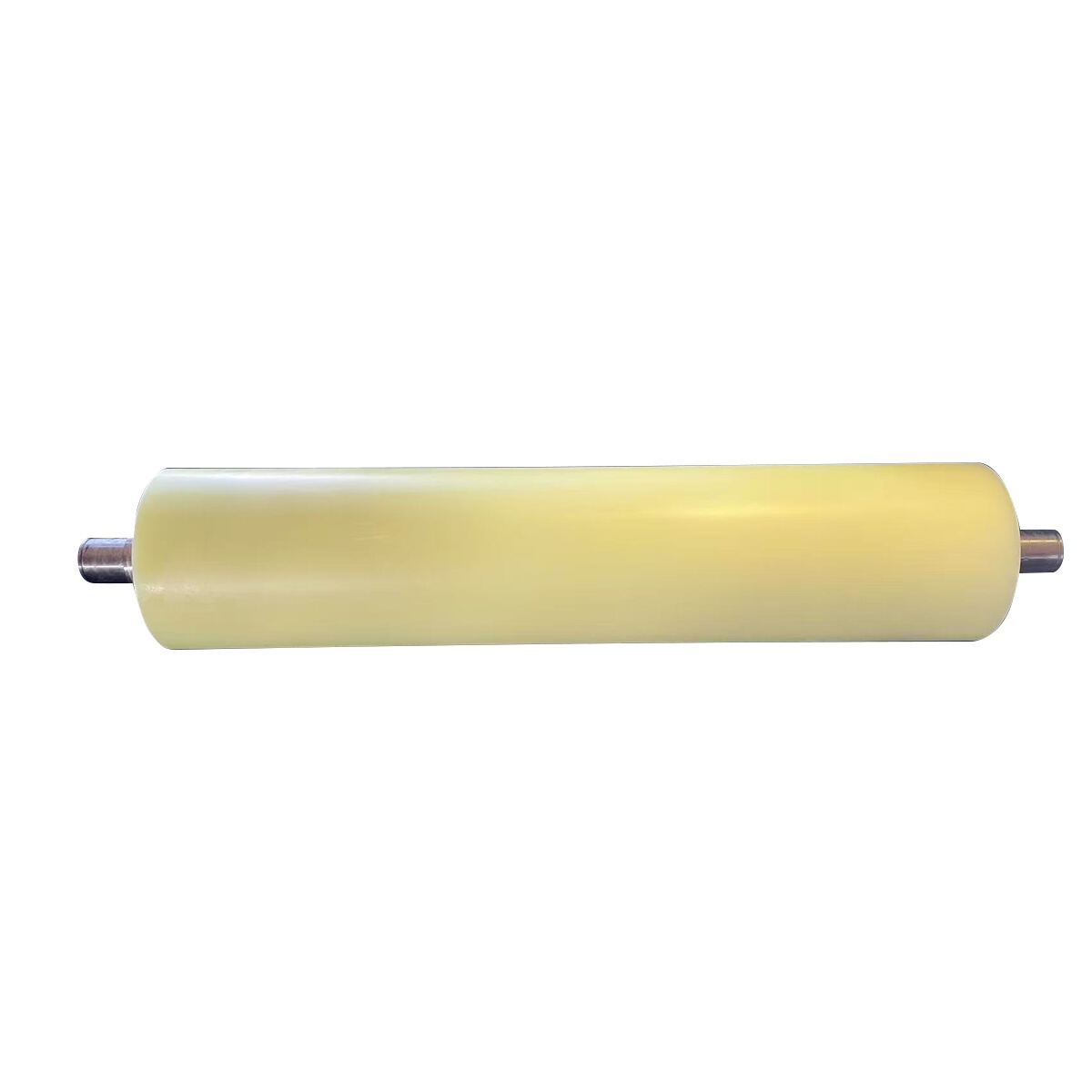
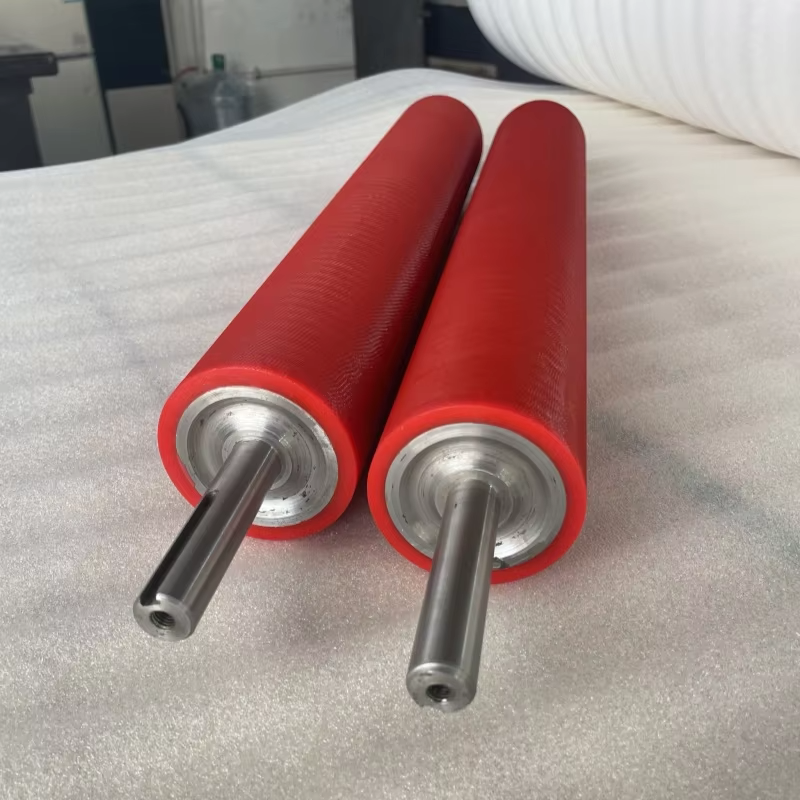
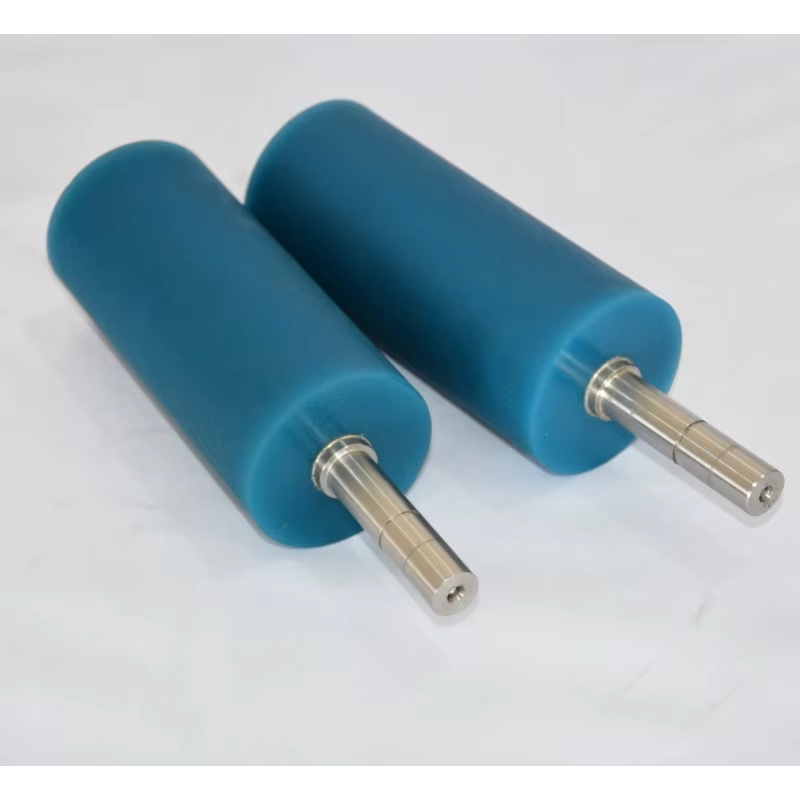
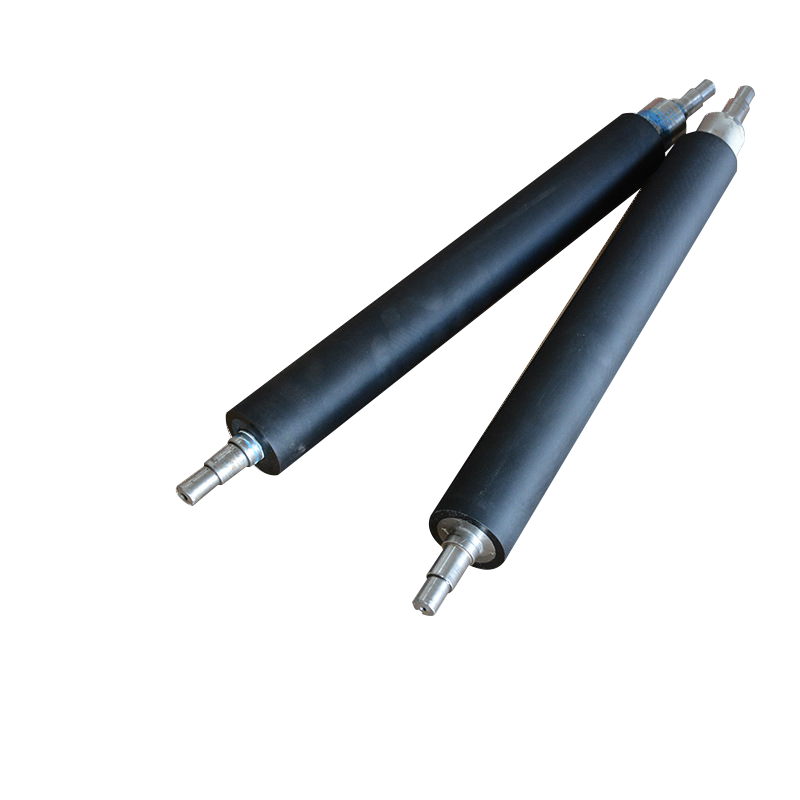
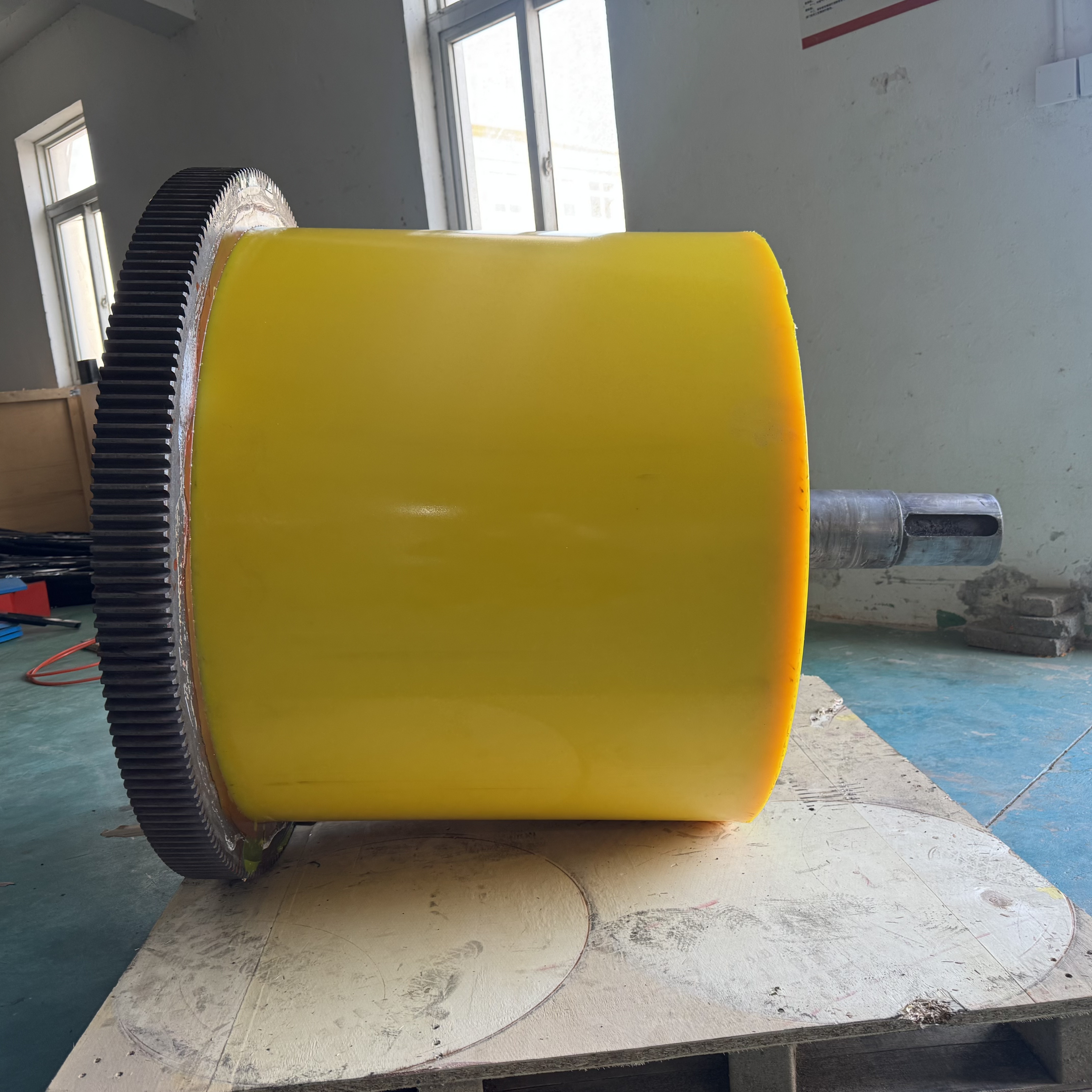
The silicone rubber roller represents a sophisticated engineering solution designed to meet demanding industrial requirements across multiple sectors. This specialized component combines the flexibility of rubber with the exceptional properties of silicone materials, creating a versatile tool that excels in various operational environments. Manufactured through precision molding processes, these rollers feature a silicone rubber surface bonded to a rigid core, typically constructed from aluminum or steel. The silicone rubber roller demonstrates remarkable temperature resistance, maintaining structural integrity and performance characteristics across extreme temperature ranges from -60°C to +250°C. This exceptional thermal stability makes it indispensable in applications requiring consistent operation under challenging conditions. The surface composition of silicone rubber provides excellent chemical resistance against acids, bases, oils, and various industrial solvents, ensuring longevity and reliable performance in corrosive environments. Key technological features include non-stick properties that prevent material adhesion during processing operations, reducing maintenance requirements and improving operational efficiency. The inherent elasticity of silicone rubber enables uniform pressure distribution across contact surfaces, eliminating streaking and ensuring consistent results in coating, laminating, and printing applications. Advanced manufacturing techniques allow for precise durometer control, enabling customization of hardness levels to match specific application requirements. The silicone rubber roller finds extensive applications in textile processing, where it facilitates fabric finishing and coating operations. In the printing industry, these rollers ensure smooth ink transfer and prevent contamination during high-speed production runs. Food processing facilities utilize silicone rubber rollers due to their FDA-approved materials and easy cleaning characteristics. Paper manufacturing operations depend on these rollers for calendering processes that achieve desired surface finishes and thickness uniformity. The automotive industry employs silicone rubber rollers in paint application systems and interior component manufacturing processes, benefiting from their chemical resistance and temperature stability.

New Products

The silicone rubber roller delivers exceptional performance benefits that directly translate to improved operational efficiency and reduced maintenance costs for businesses across industries. Temperature stability stands as the primary advantage, enabling continuous operation in environments where conventional rubber rollers would fail or degrade rapidly. This thermal resilience eliminates costly downtime associated with roller replacement and recalibration, providing significant long-term savings. The chemical resistance properties of silicone rubber roller systems protect against aggressive substances commonly encountered in industrial processes, extending service life substantially compared to traditional alternatives. Easy cleaning capabilities reduce sanitation time and labor costs, particularly crucial in food processing and pharmaceutical applications where hygiene standards demand frequent equipment sterilization. The non-stick characteristics of silicone rubber roller surfaces prevent material buildup, maintaining consistent performance throughout extended production runs while minimizing waste and product defects. Superior release properties ensure clean separation of processed materials, reducing rejection rates and improving overall product quality. Customizable hardness levels allow precise matching to specific application requirements, optimizing contact pressure and surface finish results. The silicone rubber roller maintains dimensional stability under varying operational conditions, ensuring consistent gap settings and uniform processing results. Low compression set characteristics mean these rollers retain their original shape and performance properties even after prolonged use under pressure, extending replacement intervals significantly. Enhanced durability reduces total ownership costs by minimizing replacement frequency and associated production interruptions. The silicone rubber roller demonstrates excellent electrical insulation properties, providing safety benefits in applications involving electrical equipment or static-sensitive materials. Vibration dampening qualities contribute to smoother equipment operation and reduced noise levels, improving workplace environment conditions. Consistent surface contact eliminates streaking and irregular patterns in coating applications, enhancing final product appearance and reducing rework requirements. The flexibility of silicone materials accommodates surface irregularities while maintaining effective contact, improving process reliability across varying substrate conditions. Resistance to ozone and UV exposure ensures reliable outdoor performance in applications requiring weather resistance, expanding potential uses beyond traditional indoor industrial settings.

Latest News

What Factors Should You Consider When Choosing a Rubber Roller?

31

Oct

What Factors Should You Consider When Choosing a Rubber Roller?

Essential Elements of Industrial Rubber Roller Selection Selecting the right rubber roller for your industrial application can significantly impact your operation's efficiency, product quality, and overall productivity. Whether you're in the printing...
View More
How to Select the Right Round Belt for High-Temperature Applications?

27

Nov

How to Select the Right Round Belt for High-Temperature Applications?

Industrial machinery operating in high-temperature environments requires specialized transmission components that can withstand extreme thermal conditions without compromising performance. A high temperature round belt serves as a critical component ...
View More
How Do Polyurethane Bumpers Protect Industrial Machinery from Impact?

27

Nov

How Do Polyurethane Bumpers Protect Industrial Machinery from Impact?

Industrial machinery faces constant challenges from mechanical stress, vibration, and impact forces that can lead to premature wear, operational downtime, and costly repairs. The integration of advanced protective components has become essential for ...
View More
How to Choose the Right Polyurethane Bumper for Conveyor Systems?

27

Nov

How to Choose the Right Polyurethane Bumper for Conveyor Systems?

Conveyor systems are the backbone of modern industrial operations, moving materials efficiently across production lines, warehouses, and manufacturing facilities. At the heart of these systems lie critical components that ensure smooth operation and ...
View More

Get a Free Quote

Our representative will contact you soon.
Email
Mobile
Name
Company Name
Message
0/1000

silicone rubber roller

Exceptional Temperature Performance and Thermal Stability

Exceptional Temperature Performance and Thermal Stability

The silicone rubber roller excels in extreme temperature environments where conventional rollers simply cannot perform reliably. This exceptional thermal performance stems from the unique molecular structure of silicone polymers, which maintain flexibility and mechanical properties across an extraordinary temperature range spanning from -60°C to +250°C. Unlike traditional rubber compounds that become brittle in cold conditions or soften excessively under heat, the silicone rubber roller maintains consistent performance characteristics regardless of ambient temperature fluctuations. This temperature stability proves invaluable in applications such as hot melt coating processes, where roller surfaces must withstand direct contact with materials heated to 200°C or higher. Similarly, in cold storage facilities or outdoor applications in harsh climates, these rollers continue operating effectively when other materials would crack or lose elasticity. The thermal stability of silicone rubber roller systems eliminates the need for temperature-specific roller variants, simplifying inventory management and reducing operational complexity. Manufacturing processes benefit significantly from this temperature resilience, as production lines can operate continuously without roller-related interruptions caused by thermal expansion, contraction, or degradation. The consistent performance across temperature ranges translates to uniform product quality, eliminating defects associated with temperature-induced roller performance variations. Energy efficiency improvements result from reduced heating or cooling requirements to maintain optimal roller performance zones. Maintenance costs decrease substantially as thermal cycling damage, a common failure mode in conventional rollers, becomes virtually eliminated. The silicone rubber roller maintains precise dimensional tolerances across its operating temperature range, ensuring consistent gap settings and pressure distribution essential for high-quality results. This thermal reliability enables process engineers to optimize production parameters without concern for temperature-related performance degradation, ultimately improving overall equipment effectiveness and production throughput while reducing quality control complexities associated with temperature-sensitive processing equipment.
Superior Chemical Resistance and Durability

Superior Chemical Resistance and Durability

The silicone rubber roller demonstrates outstanding resistance to chemical attack from acids, bases, solvents, oils, and various industrial chemicals commonly encountered in processing environments. This exceptional chemical resistance results from the inert nature of silicone polymers, which form stable bonds that resist degradation when exposed to aggressive substances. Unlike conventional rubber materials that swell, crack, or dissolve when contacted by incompatible chemicals, the silicone rubber roller maintains structural integrity and surface properties even after prolonged exposure to harsh chemical environments. This resistance proves particularly valuable in pharmaceutical manufacturing, where rollers must withstand cleaning with strong sanitizing agents and aggressive solvents used in active ingredient processing. Chemical processing facilities benefit from silicone rubber roller durability when handling corrosive materials that would quickly destroy conventional roller surfaces. The food industry relies on this chemical resistance for equipment that must endure repeated exposure to cleaning chemicals, acids from food products, and high-temperature sanitization processes. Printing operations utilize silicone rubber rollers specifically for their resistance to various ink solvents and cleaning agents that maintain print quality while protecting roller surfaces from chemical degradation. The durability aspect extends beyond chemical resistance to include mechanical wear characteristics that significantly exceed conventional materials. Silicone rubber roller surfaces resist abrasion, cutting, and tearing under normal operating conditions, maintaining smooth surfaces essential for quality processing results. This mechanical durability combines with chemical resistance to create rollers capable of extended service life in the most demanding applications. The molecular structure of silicone provides inherent stability against oxidation and ozone exposure, preventing premature aging and surface cracking that commonly affects other rubber compounds. Long-term performance consistency results from this chemical and mechanical durability, enabling predictable maintenance scheduling and reducing unexpected equipment failures. The silicone rubber roller maintains performance specifications throughout its extended service life, ensuring consistent product quality and reducing variability in processing operations while delivering exceptional return on investment through reduced replacement costs and improved reliability.

Outstanding Non-Stick Properties and Easy Maintenance

Outstanding Non-Stick Properties and Easy Maintenance

The silicone rubber roller features exceptional non-stick characteristics that revolutionize material handling and processing operations across numerous industries. These remarkable release properties stem from the low surface energy of silicone compounds, which naturally resist adhesion of most materials including sticky resins, adhesives, food products, and various industrial compounds. This non-stick performance eliminates the buildup of processed materials on roller surfaces, maintaining consistent contact conditions and preventing contamination between production batches. Manufacturing processes benefit tremendously from these properties, as material buildup traditionally causes surface defects, irregular coating thickness, and product quality inconsistencies. The silicone rubber roller surface remains clean during operation, eliminating the need for frequent cleaning cycles that interrupt production and reduce overall equipment effectiveness. Food processing operations particularly value these non-stick properties when handling sticky doughs, confectionery products, or adhesive-backed materials that would otherwise accumulate on conventional roller surfaces. The easy maintenance characteristics of silicone rubber roller systems translate directly to reduced operational costs and improved productivity. Cleaning procedures become significantly simplified as contaminants release easily from the smooth, non-porous surface using standard cleaning solutions and minimal mechanical action. This ease of cleaning proves essential in industries with strict sanitation requirements, where thorough equipment cleaning between product runs prevents cross-contamination and ensures product safety. The non-stick properties also contribute to improved product quality by preventing surface imperfections caused by material pickup and transfer from contaminated roller surfaces. Energy savings result from reduced cleaning time and lower temperature cleaning processes made possible by the superior release characteristics. Maintenance personnel appreciate the reduced effort required for roller cleaning and inspection, allowing more time for preventive maintenance activities that improve overall equipment reliability. The silicone rubber roller maintains its non-stick properties throughout its service life, unlike coated alternatives that may experience coating degradation and loss of release characteristics. This consistent performance ensures reliable operation and predictable maintenance requirements, enabling effective production planning and resource allocation while maintaining the highest standards of product quality and operational efficiency.

Get a Free Quote

Our representative will contact you soon.
Email
Mobile
Name
Company Name
Message
0/1000