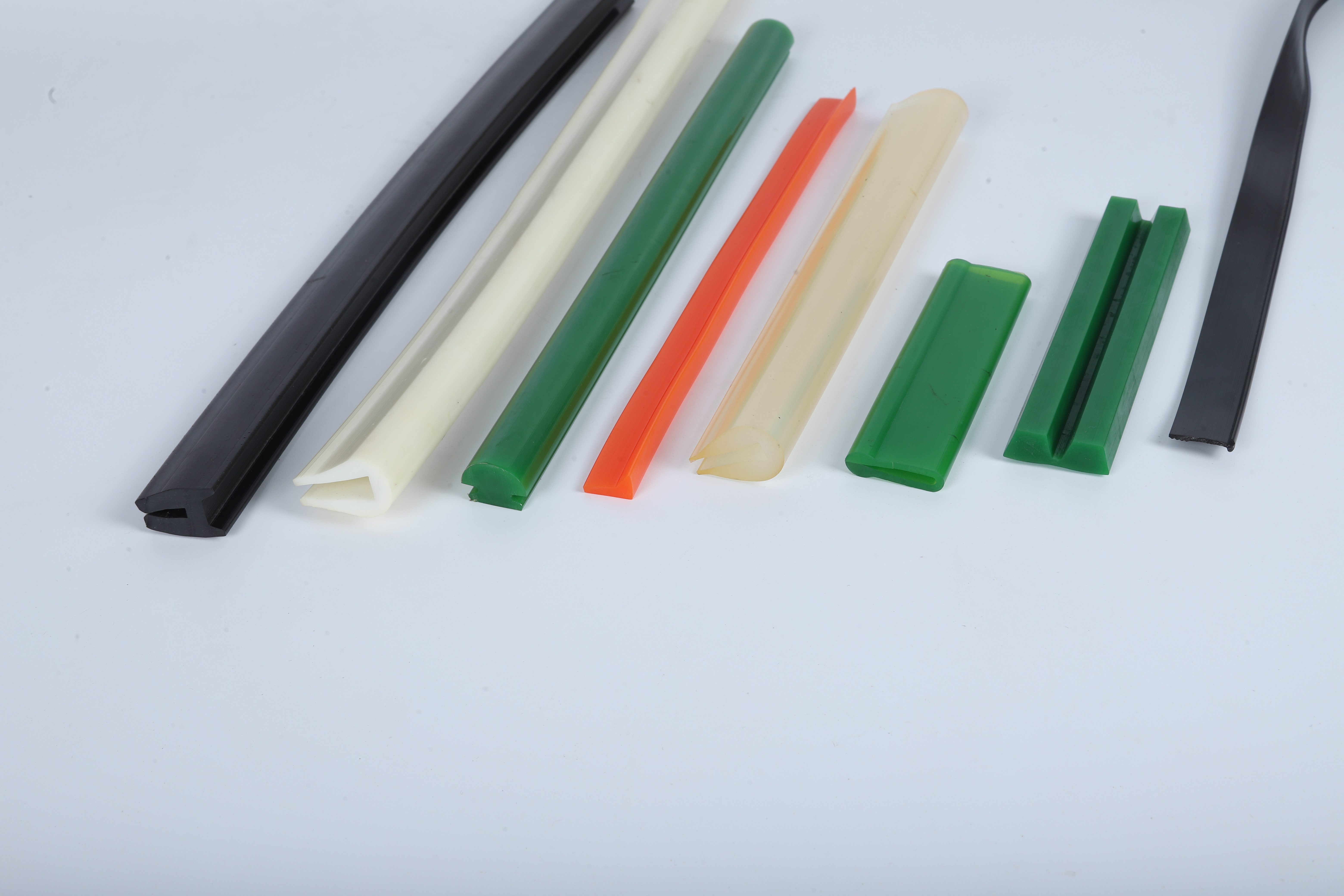
Premium Polyurethane Foam Profiles - Superior Insulation, Sealing & Structural Solutions

Get a Free Quote

Our representative will contact you soon.
Email
Mobile
Name
Company Name
Message
0/1000

polyurethane foam profiles

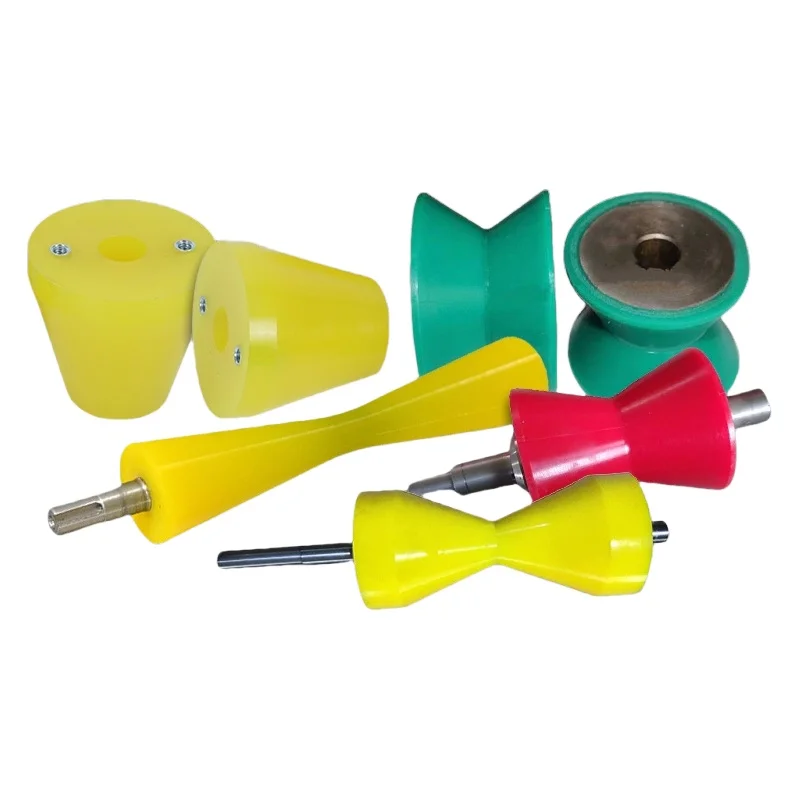
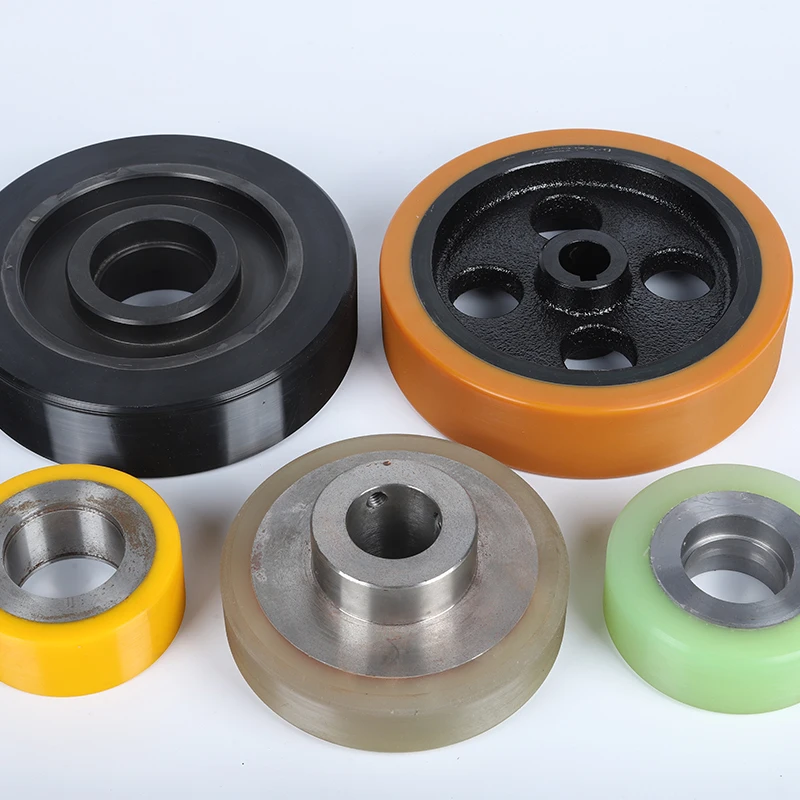
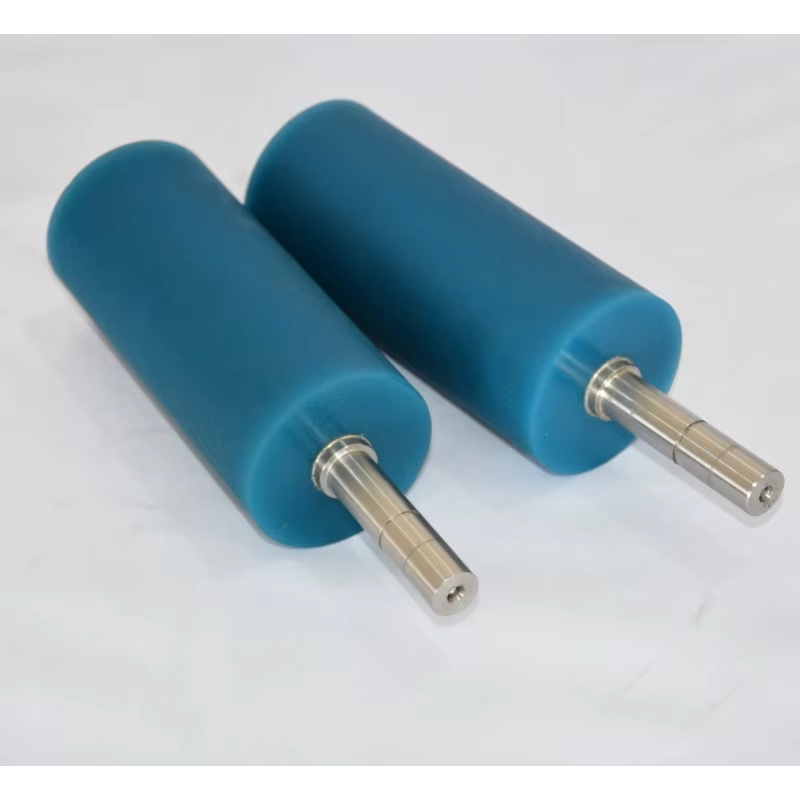
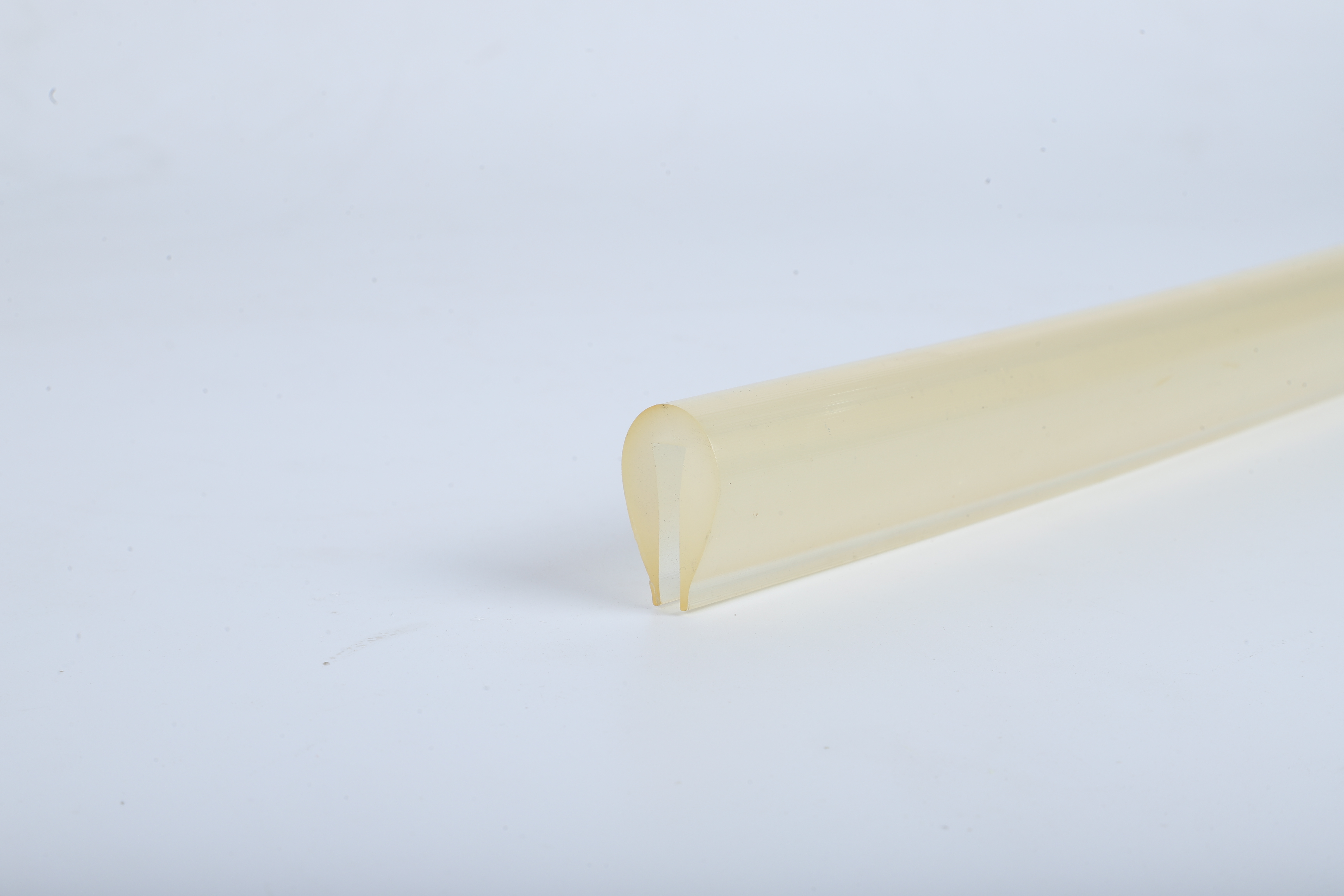
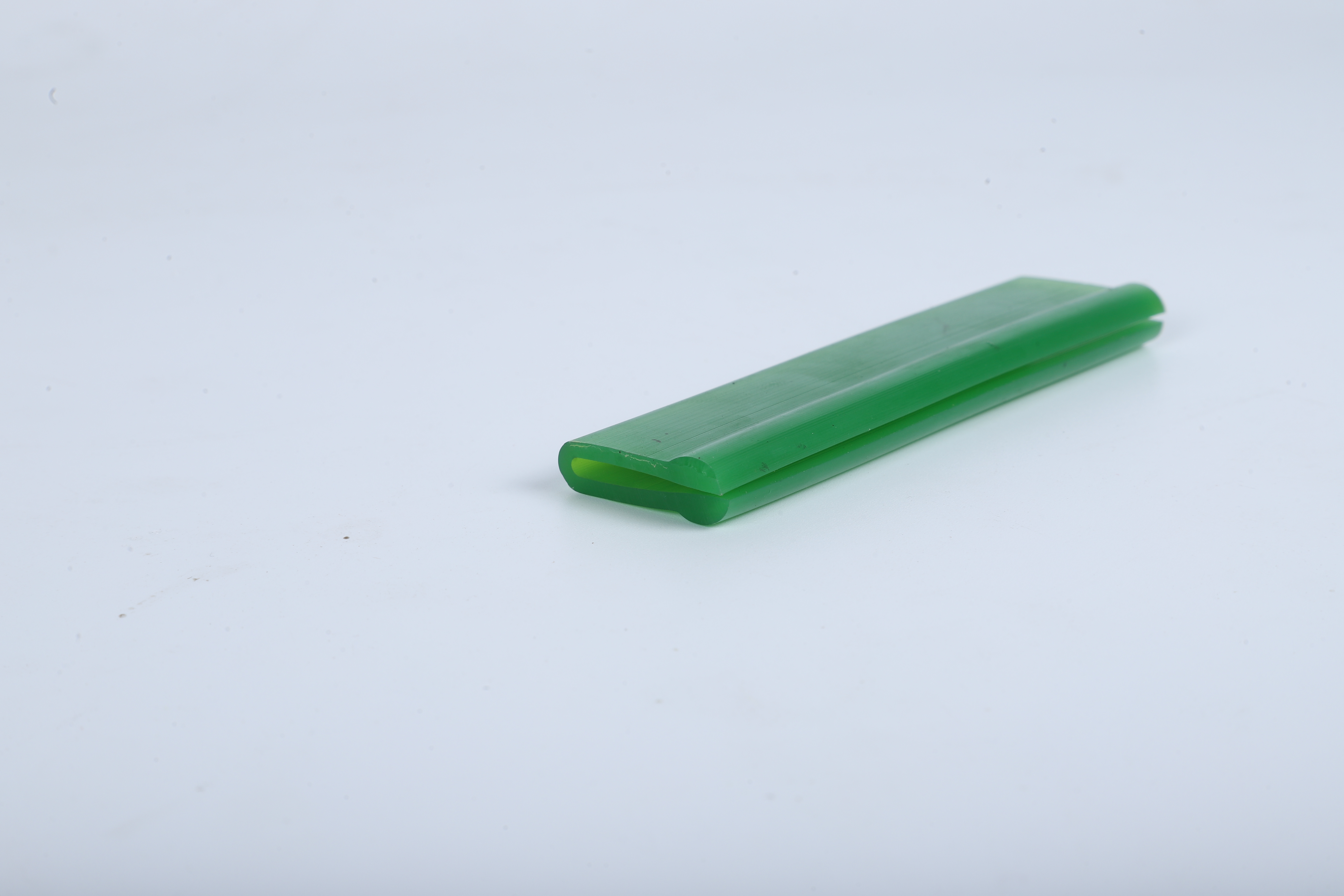
Polyurethane foam profiles represent a revolutionary advancement in modern industrial materials, offering exceptional versatility and performance across numerous applications. These specialized foam structures are engineered through advanced chemical processes that create cellular materials with remarkable properties, making them indispensable in construction, automotive, marine, and manufacturing industries. The core technology behind polyurethane foam profiles involves the reaction of polyols with isocyanates, creating a polymer matrix filled with gas bubbles that deliver outstanding insulation, cushioning, and structural characteristics. The main functions of polyurethane foam profiles encompass thermal insulation, sound dampening, vibration absorption, sealing, and structural reinforcement. Their cellular structure traps air effectively, creating barriers against heat transfer while maintaining lightweight characteristics that reduce overall system weight. The technological features include controlled density variation, customizable hardness levels, excellent chemical resistance, and superior adhesion properties to various substrates. These profiles can be manufactured in rigid, semi-rigid, or flexible formulations, each tailored to specific performance requirements. Applications span from window and door frame insulation in construction projects to gasket systems in automotive manufacturing, marine deck core materials, and industrial equipment cushioning. The manufacturing process allows for precise control over foam density, cell structure, and mechanical properties, ensuring consistent quality and performance. Modern production techniques enable the creation of complex geometries and varying cross-sectional profiles that meet exact dimensional specifications. The versatility of polyurethane foam profiles extends to their compatibility with various finishing processes, including coating, laminating, and machining operations, making them adaptable to diverse industrial requirements and environmental conditions.

New Product Releases

Polyurethane foam profiles deliver substantial benefits that make them superior choices for demanding applications across multiple industries. The exceptional insulation properties of these materials significantly reduce energy consumption in buildings and vehicles, leading to lower heating and cooling costs for end users. This thermal efficiency translates directly into cost savings and environmental benefits, making polyurethane foam profiles an economically sound investment. The lightweight nature of these materials reduces transportation costs and installation complexity while maintaining structural integrity and performance standards. Manufacturers appreciate the ease of handling and processing that polyurethane foam profiles provide, as they can be cut, shaped, and installed using standard tools without requiring specialized equipment or extensive training. The durability of these materials ensures long-term performance with minimal maintenance requirements, reducing lifecycle costs and replacement frequency. Weather resistance properties protect against moisture, UV radiation, and temperature extremes, making them suitable for both indoor and outdoor applications without degradation concerns. The sound dampening capabilities of polyurethane foam profiles create quieter environments in residential, commercial, and industrial settings, improving comfort and productivity levels. Chemical resistance properties ensure compatibility with various industrial processes and cleaning agents, extending service life in challenging environments. The customizable nature of polyurethane foam profiles allows manufacturers to specify exact density, hardness, and dimensional requirements, ensuring optimal performance for specific applications. Installation efficiency improves project timelines as these profiles can be quickly positioned and secured, reducing labor costs and construction delays. The fire retardant options available enhance safety compliance in critical applications where fire resistance is mandatory. Compression recovery characteristics ensure consistent performance under cyclic loading conditions, maintaining sealing effectiveness and structural support over extended periods. The compatibility with various adhesives and fastening systems provides flexibility in assembly methods and design configurations.

Tips And Tricks

How to Select the Right Round Belt for High-Temperature Applications?

27

Nov

How to Select the Right Round Belt for High-Temperature Applications?

Industrial machinery operating in high-temperature environments requires specialized transmission components that can withstand extreme thermal conditions without compromising performance. A high temperature round belt serves as a critical component ...
View More
Can Round Belts Improve Conveyor Efficiency in Production Lines?

27

Nov

Can Round Belts Improve Conveyor Efficiency in Production Lines?

Modern production lines depend heavily on efficient material handling systems, and conveyor belts serve as the backbone of industrial operations worldwide. Among the various belt configurations available, round belts have emerged as a specialized sol...
View More
Why Are Polyurethane Bumpers Preferred Over Rubber in High-Stress Areas?

27

Nov

Why Are Polyurethane Bumpers Preferred Over Rubber in High-Stress Areas?

In industrial applications where equipment faces extreme stress, vibration, and impact forces, the choice of protective components can make the difference between operational efficiency and costly downtime. While traditional rubber bumpers have serve...
View More
How to Choose the Right Polyurethane Bumper for Conveyor Systems?

27

Nov

How to Choose the Right Polyurethane Bumper for Conveyor Systems?

Conveyor systems are the backbone of modern industrial operations, moving materials efficiently across production lines, warehouses, and manufacturing facilities. At the heart of these systems lie critical components that ensure smooth operation and ...
View More

Get a Free Quote

Our representative will contact you soon.
Email
Mobile
Name
Company Name
Message
0/1000

polyurethane foam profiles

Superior Thermal Insulation Performance

Superior Thermal Insulation Performance

The exceptional thermal insulation capabilities of polyurethane foam profiles stem from their unique cellular structure that creates millions of tiny air pockets within the material matrix. This microscopic architecture effectively interrupts heat transfer pathways, delivering thermal conductivity values significantly lower than traditional insulation materials. The closed-cell structure prevents air circulation within the foam, eliminating convective heat transfer while the polymer matrix minimizes conductive heat flow. This dual-action insulation mechanism results in R-values that often exceed conventional materials by substantial margins, making polyurethane foam profiles ideal for energy-efficient construction and industrial applications. The thermal stability of these materials ensures consistent performance across wide temperature ranges, from arctic conditions to industrial high-heat environments. Unlike organic insulation materials that may degrade or compress over time, polyurethane foam profiles maintain their insulating properties throughout their service life, providing reliable long-term energy savings. The moisture resistance inherent in closed-cell polyurethane foam prevents water absorption that could compromise thermal performance, a common problem with fibrous insulation materials. This characteristic makes them particularly valuable in humid environments or applications where moisture exposure is unavoidable. The continuous insulation barrier created by polyurethane foam profiles eliminates thermal bridging, a significant source of energy loss in conventional construction methods. This seamless thermal envelope reduces heating and cooling loads by up to thirty percent compared to traditional insulation approaches. The environmental benefits extend beyond energy savings, as improved thermal performance reduces greenhouse gas emissions associated with building operations. Industrial applications benefit from reduced heat loss in process systems, improving efficiency and reducing operational costs. The precision manufacturing of polyurethane foam profiles ensures consistent thermal properties throughout each piece, eliminating performance variations that can compromise system efficiency.
Exceptional Versatility and Customization Options

Exceptional Versatility and Customization Options

The remarkable versatility of polyurethane foam profiles enables their use across an extensive range of applications, from simple sealing solutions to complex engineered components requiring specific performance characteristics. This adaptability stems from the fundamental chemistry of polyurethane formation, which allows manufacturers to precisely control material properties by adjusting formulation parameters, processing conditions, and cellular structure. Density variations from ultra-light foams to high-density structural materials provide options for weight-sensitive applications while maintaining required strength and durability. Hardness customization ranges from soft, compressible materials for sealing applications to rigid structures capable of supporting substantial loads. The ability to create complex geometric profiles through molding or extrusion processes enables designers to optimize material distribution and performance for specific functional requirements. Color customization capabilities eliminate the need for secondary finishing operations while providing aesthetic flexibility for visible applications. Chemical formulation variations allow for enhanced properties such as flame retardancy, antimicrobial characteristics, or improved chemical resistance to meet specialized application requirements. Temperature resistance can be tailored for specific operating conditions, ensuring reliable performance in extreme environments. The compatibility with various manufacturing processes including cutting, machining, bonding, and coating expands the potential applications and assembly methods available to designers and manufacturers. Surface texture options range from smooth finishes for sealing applications to textured surfaces that enhance grip or appearance characteristics. The ability to incorporate reinforcing materials such as fibers or fabrics creates composite structures with enhanced mechanical properties while maintaining the beneficial characteristics of polyurethane foam. Multi-density profiles can be manufactured with varying properties across different sections of the same component, optimizing performance for complex loading or environmental conditions. The scalability of production processes enables economical manufacturing for both prototype quantities and high-volume production runs, supporting product development cycles and market demands efficiently.
Outstanding Durability and Environmental Resistance

Outstanding Durability and Environmental Resistance

The exceptional durability characteristics of polyurethane foam profiles ensure reliable long-term performance in challenging environmental conditions, making them cost-effective solutions for applications requiring extended service life. The chemical structure of polyurethane creates strong polymer chains that resist degradation from common environmental factors including moisture, temperature cycling, and chemical exposure. Unlike many organic materials that deteriorate when exposed to water, polyurethane foam profiles maintain their structural integrity and performance characteristics even after prolonged moisture exposure. This moisture resistance prevents the growth of mold, mildew, and bacteria that can compromise both material performance and indoor air quality in building applications. UV resistance properties protect against solar radiation damage that typically causes yellowing, cracking, or mechanical property loss in outdoor applications. The thermal stability of polyurethane foam profiles enables consistent performance across temperature ranges from sub-zero conditions to elevated industrial temperatures without brittleness or softening that could compromise functionality. Chemical resistance capabilities ensure compatibility with cleaning agents, industrial chemicals, and automotive fluids commonly encountered in service environments. The closed-cell structure prevents chemical penetration that could cause swelling, degradation, or property changes over time. Compression set resistance maintains sealing effectiveness and dimensional stability under continuous loading conditions, ensuring reliable performance throughout the service life. The recovery characteristics after compression or deformation prevent permanent damage from installation stresses or operational loads. Fatigue resistance under cyclic loading conditions ensures reliable performance in dynamic applications such as automotive sealing systems or vibration isolation components. The dimensional stability of polyurethane foam profiles prevents warping, shrinkage, or expansion that could compromise fit and function in precision applications. Fire resistance options provide safety compliance in critical applications while maintaining other beneficial properties. The long-term cost benefits of this durability include reduced maintenance requirements, lower replacement frequency, and sustained performance levels that maintain energy efficiency and functional effectiveness over extended periods.

Get a Free Quote

Our representative will contact you soon.
Email
Mobile
Name
Company Name
Message
0/1000