Advanced Customization and Design Flexibility
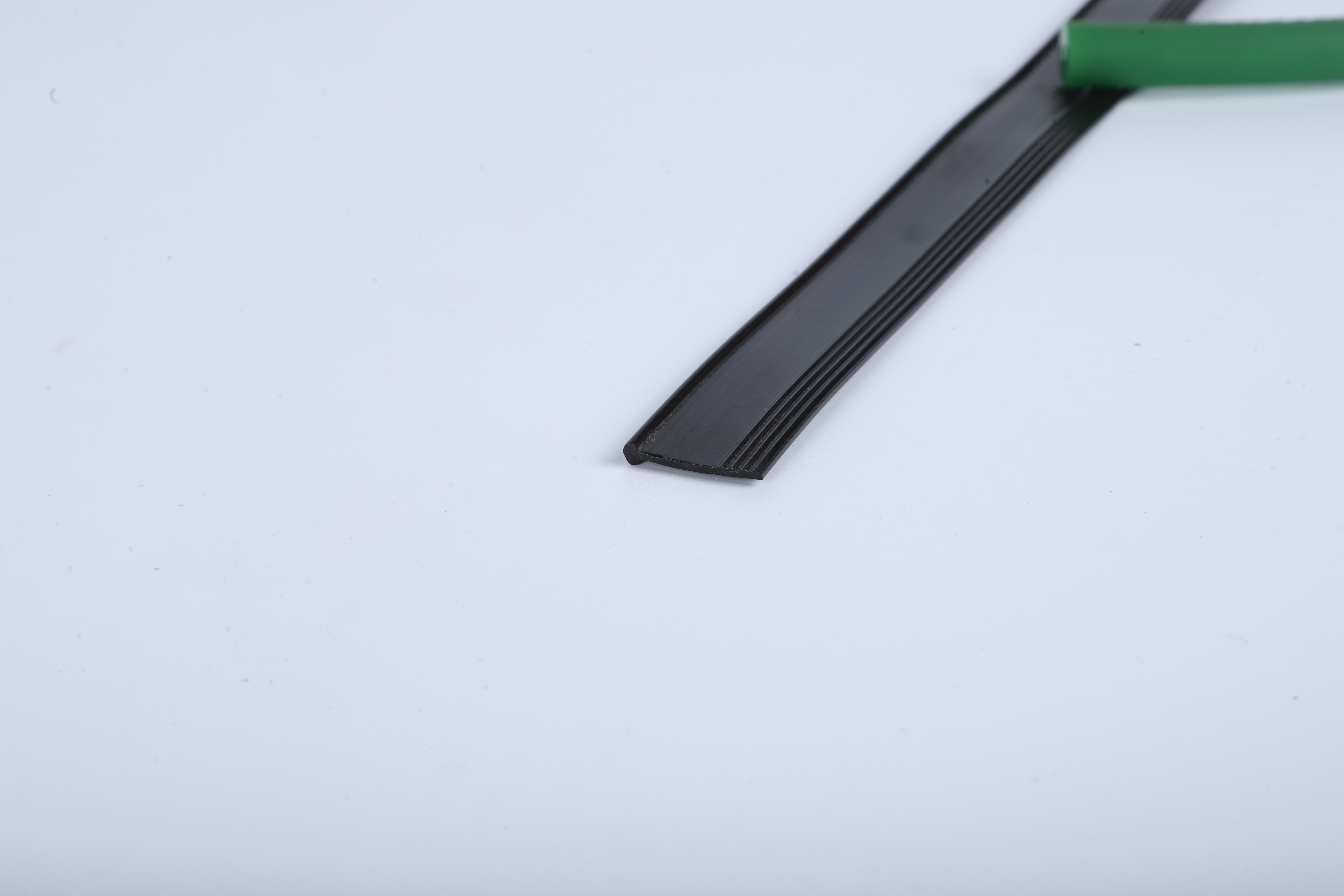
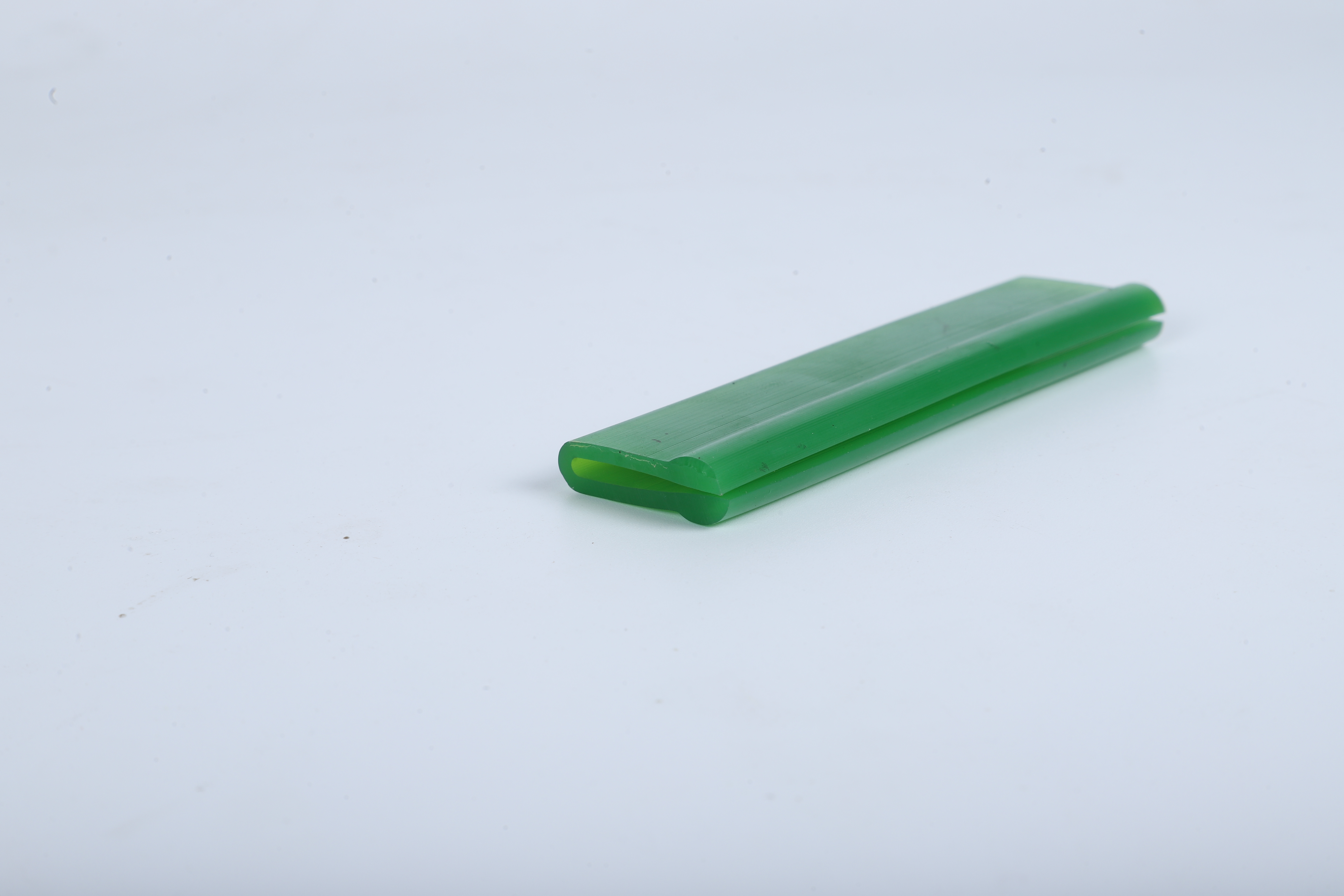
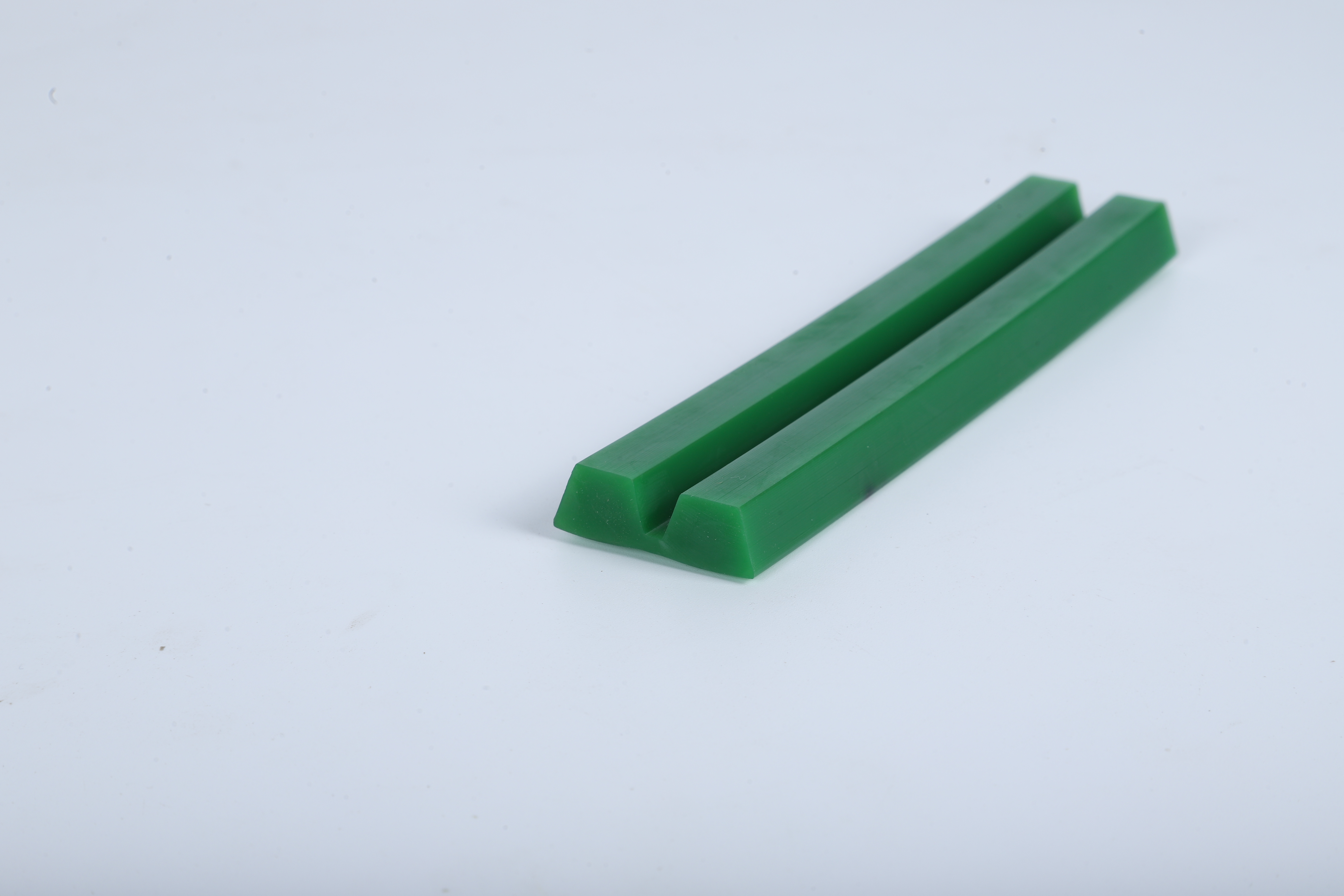
The polyurethane extrusion process offers unparalleled design flexibility, enabling the creation of complex cross-sectional profiles that would be difficult or impossible to achieve through other manufacturing methods. Multi-durometer extrusion capabilities allow the production of profiles combining different hardness levels within a single continuous part, creating products with varying flexibility characteristics along their length or across their cross-section. The polyurethane extrusion process supports co-extrusion techniques that integrate multiple materials simultaneously, such as combining polyurethane with fabric reinforcement or creating profiles with different colored sections. Advanced die design enables the incorporation of hollow sections, undercuts, and complex geometries that optimize material usage while maintaining structural performance. Surface texturing options during the extrusion process eliminate secondary finishing operations, with capabilities ranging from smooth high-gloss finishes to textured surfaces that enhance grip or aesthetic appeal. The polyurethane extrusion process accommodates various cross-sectional modifications along the profile length through post-extrusion forming techniques, including punching, cutting, and specialized shaping operations that can be integrated directly into the production line. Color matching capabilities enable precise color control throughout production runs, with color changes achievable through masterbatch addition or direct pigment incorporation. The process supports the integration of reinforcing elements such as steel cables, fabric layers, or glass fibers during extrusion, creating composite profiles with enhanced strength characteristics. Dimensional tolerances achievable through the polyurethane extrusion process typically range from ±0.1mm for standard applications to ±0.05mm for precision requirements, meeting the demanding specifications of automotive and medical device applications. Surface quality control ensures consistent finish characteristics, with the ability to maintain gloss levels, texture patterns, and surface smoothness throughout extended production runs. The polyurethane extrusion process enables the production of profiles with varying wall thicknesses, optimizing material distribution for specific loading conditions while minimizing weight. Custom formulation capabilities allow manufacturers to develop specialized polyurethane compounds tailored to unique performance requirements, including enhanced UV resistance, improved low-temperature flexibility, or specialized chemical compatibility. Post-extrusion secondary operations integrate seamlessly with the primary process, enabling the addition of adhesive backing, perforation patterns, or assembly features during continuous production.
 EN
EN