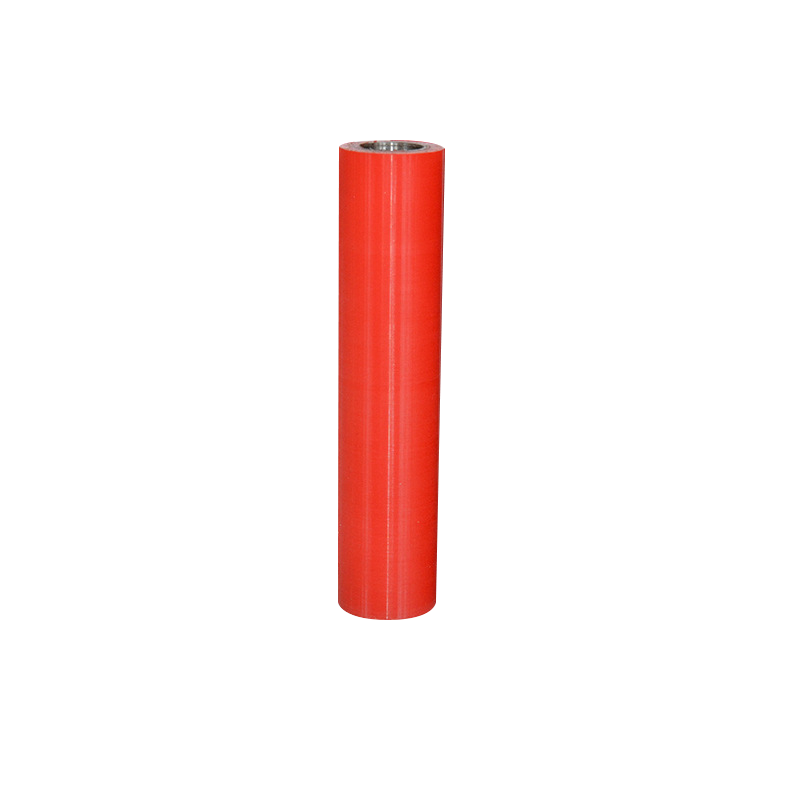
Premium Rubber Drive Rollers - Superior Performance Solutions for Industrial Applications

Get a Free Quote

Our representative will contact you soon.
Email
Mobile
Name
Company Name
Message
0/1000

rubber drive rollers

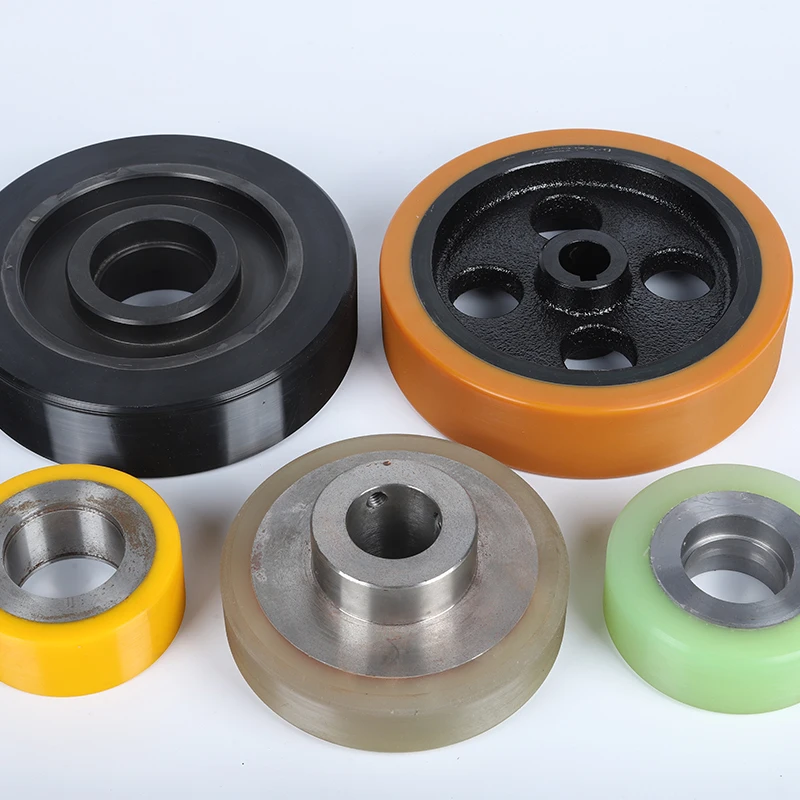
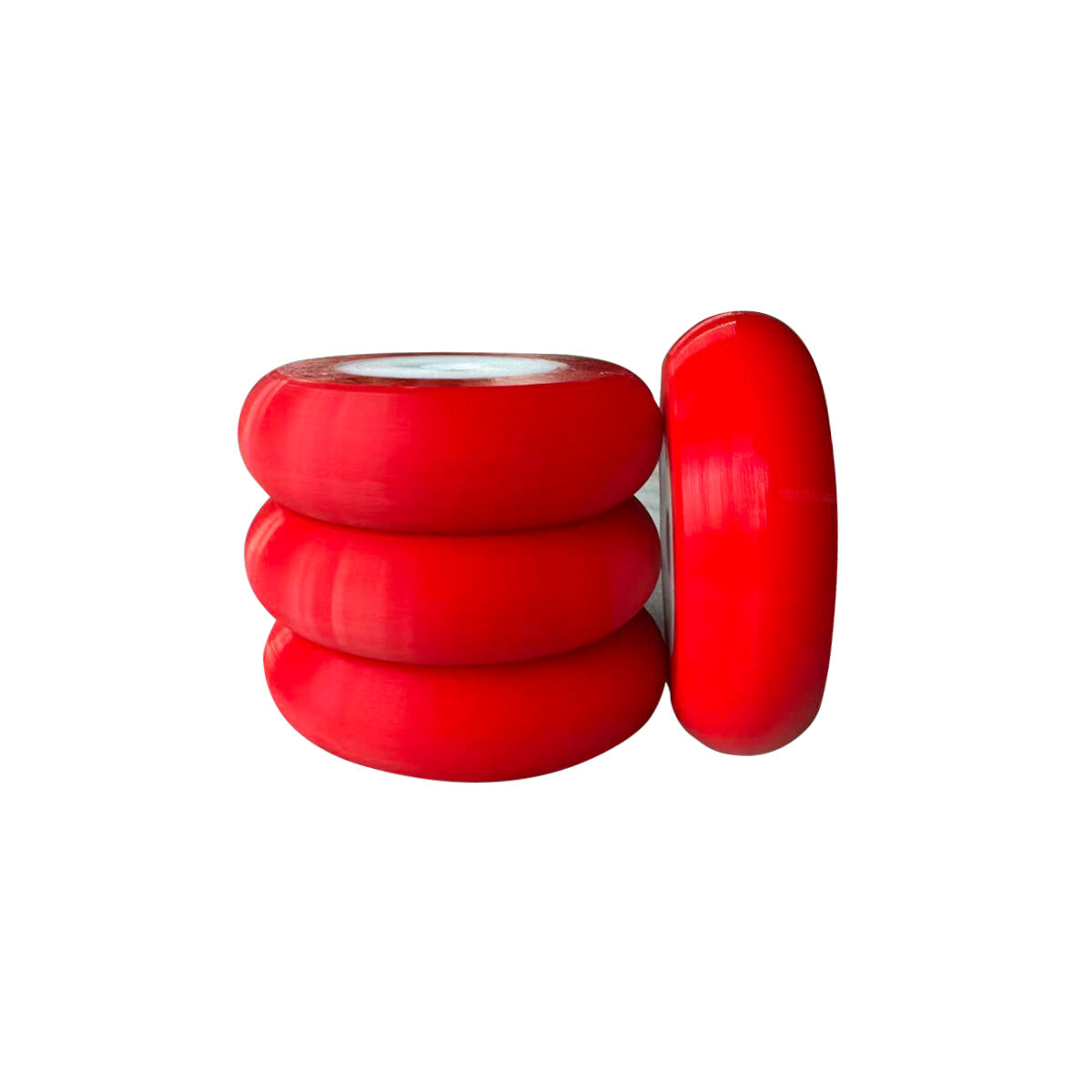
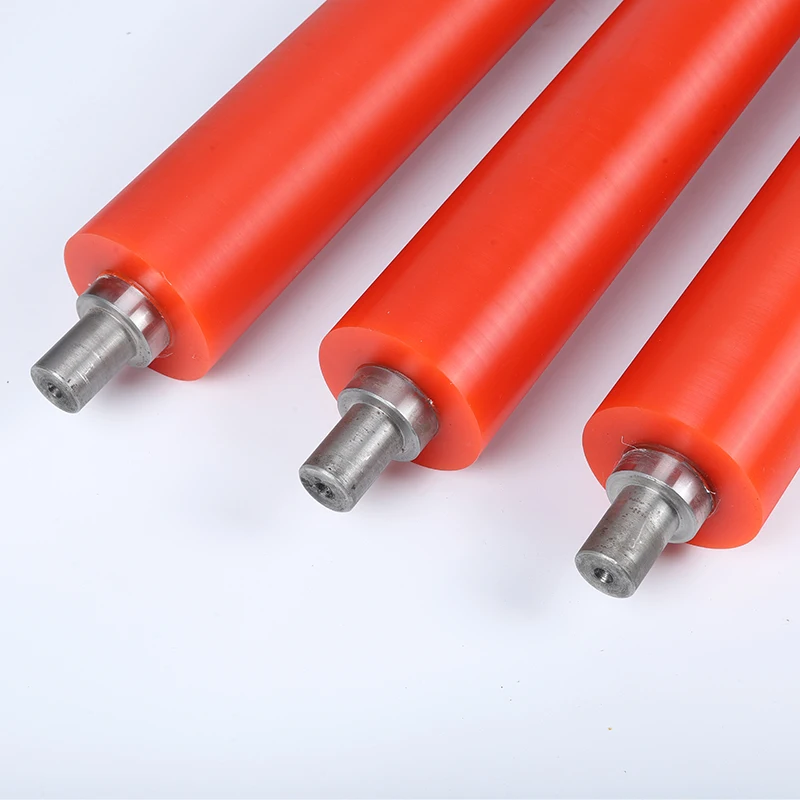
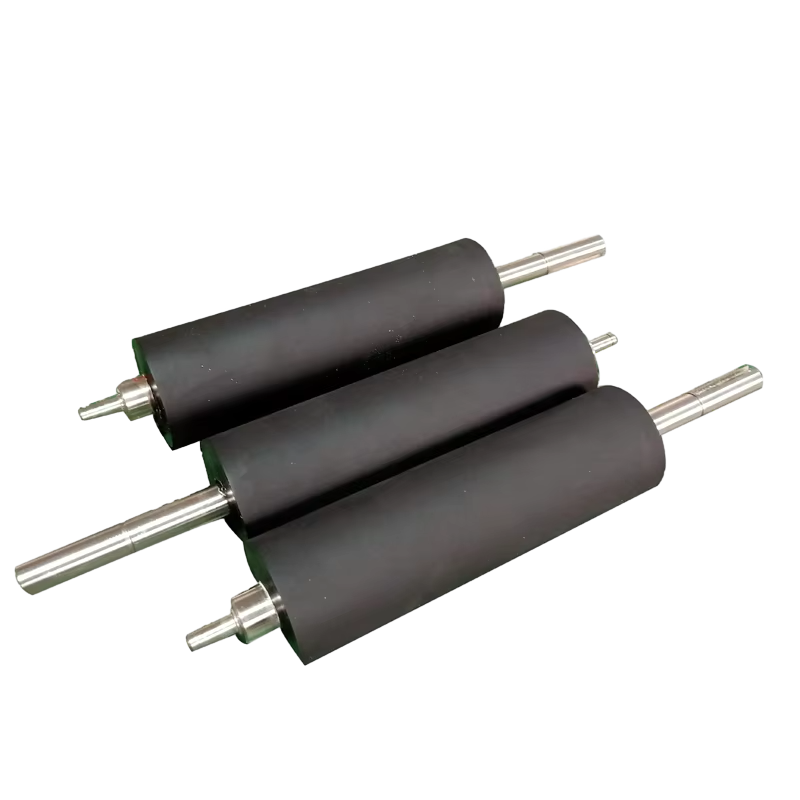
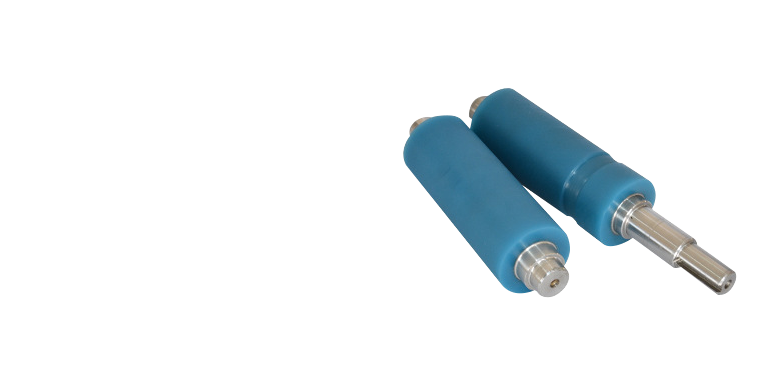
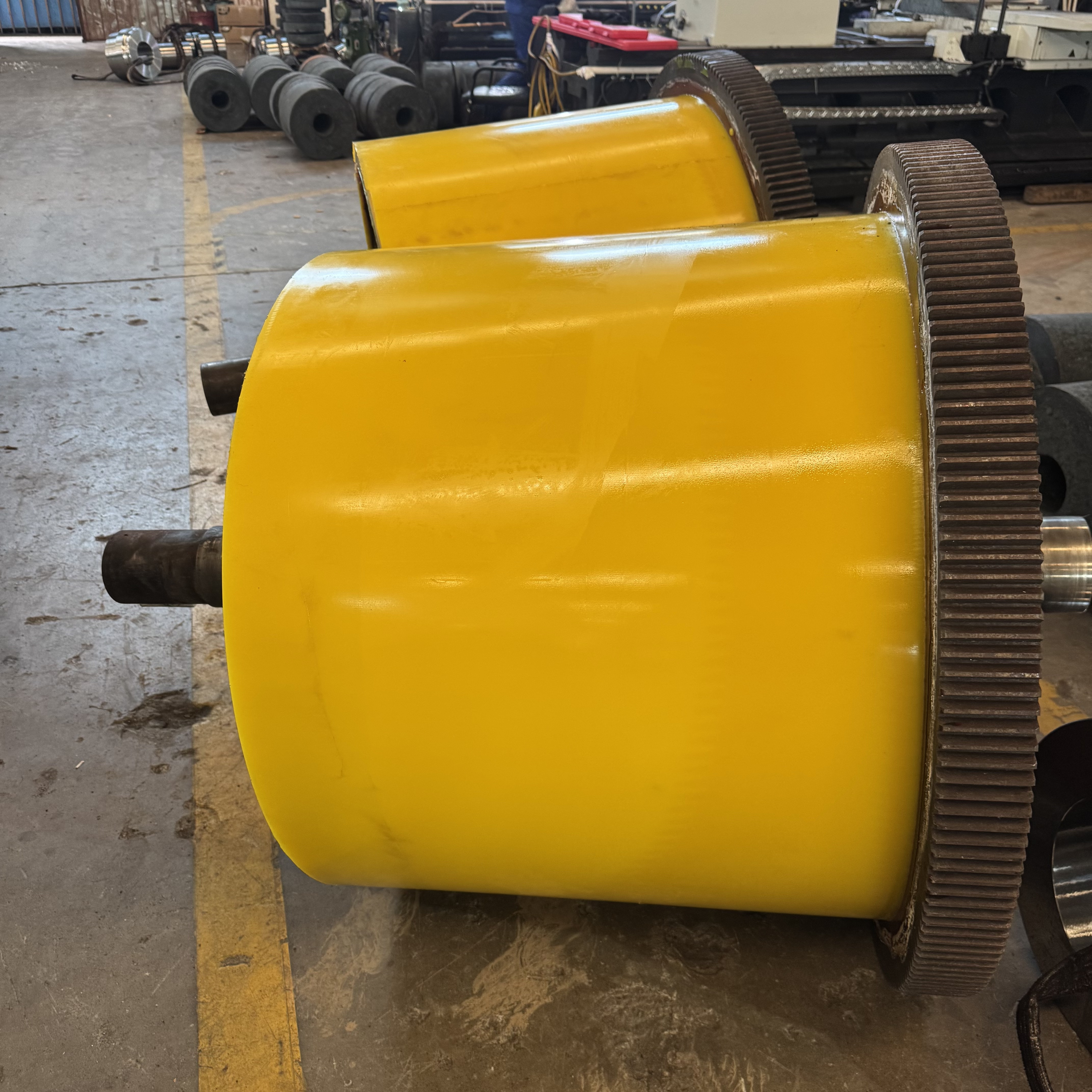
Rubber drive rollers represent a critical component in modern industrial machinery and equipment, serving as the backbone of countless automated systems across diverse sectors. These specialized cylindrical components combine the flexibility of rubber materials with the precision engineering required for reliable power transmission and material handling applications. The primary function of rubber drive rollers centers on their ability to grip, transport, and manipulate various materials while maintaining consistent contact pressure and minimal slippage. Their rubber composition provides superior traction compared to metal alternatives, making them indispensable for applications requiring precise control over movement and positioning. The technological features of rubber drive rollers include advanced polymer formulations that resist wear, temperature extremes, and chemical exposure while maintaining their grip characteristics over extended operational periods. These rollers incorporate precision-machined cores, typically constructed from steel or aluminum, which provide structural integrity and dimensional stability. The rubber coating itself undergoes specialized vulcanization processes that bond molecularly with the core material, ensuring long-term durability and preventing delamination under high-stress conditions. Modern rubber drive rollers feature surface textures and patterns designed to optimize grip characteristics for specific applications, from smooth finishes for delicate materials to aggressive treads for heavy-duty industrial use. Applications for rubber drive rollers span numerous industries including printing and packaging, where they facilitate paper feeding and web handling with exceptional accuracy. Manufacturing facilities rely on these components for conveyor systems, material sorting equipment, and automated assembly lines. The food processing industry benefits from FDA-approved rubber formulations that meet strict hygiene standards while maintaining operational efficiency. Textile manufacturing, paper mills, and converting operations depend on rubber drive rollers for their ability to handle materials of varying thicknesses and textures without causing damage or marking. The versatility of rubber drive rollers makes them suitable for both high-speed operations and applications requiring precise positioning and control.

New Product Recommendations

Rubber drive rollers deliver exceptional performance advantages that directly impact operational efficiency and cost-effectiveness for businesses across multiple industries. The superior grip characteristics of rubber surfaces eliminate the slippage issues commonly associated with metal rollers, resulting in more reliable material handling and reduced waste from misaligned or damaged products. This enhanced traction translates into improved production speeds and higher throughput rates, allowing companies to meet demanding production schedules while maintaining quality standards. The shock-absorbing properties of rubber significantly reduce noise levels during operation, creating a more comfortable working environment and enabling facilities to meet strict noise regulations. This vibration dampening also protects sensitive equipment from mechanical stress, extending the lifespan of connected machinery and reducing maintenance requirements. Unlike rigid metal alternatives, rubber drive rollers conform to slight variations in material thickness and surface irregularities, ensuring consistent contact and preventing damage to delicate products. This adaptability proves particularly valuable when processing materials with varying characteristics or when handling products that require gentle treatment to maintain their integrity. The corrosion resistance inherent in rubber construction eliminates the rust and oxidation problems that plague metal rollers, especially in humid or chemically aggressive environments. This resistance to environmental factors reduces replacement frequency and minimizes unexpected downtime due to component failure. Temperature stability across wide operating ranges allows rubber drive rollers to maintain their performance characteristics in both hot and cold conditions, making them suitable for diverse industrial environments from refrigerated facilities to high-temperature manufacturing processes. The ease of installation and replacement represents another significant advantage, as rubber drive rollers typically require minimal downtime for maintenance activities. Many designs feature removable sleeves or quick-change mechanisms that allow operators to perform routine maintenance without dismantling entire roller assemblies. The cost-effectiveness of rubber drive rollers becomes apparent through their extended service life and reduced maintenance requirements compared to alternative materials. Energy efficiency improvements result from the reduced friction and smoother operation characteristics, leading to lower power consumption and decreased operating costs. The customization options available with rubber formulations allow engineers to specify exact hardness levels, surface textures, and chemical resistance properties to match specific application requirements, ensuring optimal performance in specialized environments.

Tips And Tricks

What Are the Key Benefits of Using Custom Rubber Rollers in Factories?

31

Oct

What Are the Key Benefits of Using Custom Rubber Rollers in Factories?

Understanding the Impact of Advanced Rubber Roller Technology in Modern Manufacturing Manufacturing excellence depends heavily on the quality and precision of equipment components. Among these critical elements, custom rubber rollers have emerged as ...
View More
Why Are Rubber Wheels Preferred in High-Friction Industrial Applications?

27

Nov

Why Are Rubber Wheels Preferred in High-Friction Industrial Applications?

Industrial environments demand robust solutions that can withstand extreme conditions while maintaining optimal performance. When it comes to material handling, conveyor systems, and heavy-duty applications, the choice of wheels becomes critical for ...
View More
Can Round Belts Improve Conveyor Efficiency in Production Lines?

27

Nov

Can Round Belts Improve Conveyor Efficiency in Production Lines?

Modern production lines depend heavily on efficient material handling systems, and conveyor belts serve as the backbone of industrial operations worldwide. Among the various belt configurations available, round belts have emerged as a specialized sol...
View More
Why Are Polyurethane Bumpers Preferred Over Rubber in High-Stress Areas?

27

Nov

Why Are Polyurethane Bumpers Preferred Over Rubber in High-Stress Areas?

In industrial applications where equipment faces extreme stress, vibration, and impact forces, the choice of protective components can make the difference between operational efficiency and costly downtime. While traditional rubber bumpers have serve...
View More

Get a Free Quote

Our representative will contact you soon.
Email
Mobile
Name
Company Name
Message
0/1000

rubber drive rollers

Advanced Material Composition and Durability

Advanced Material Composition and Durability

The sophisticated material composition of rubber drive rollers represents a pinnacle of engineering excellence that directly addresses the demanding requirements of modern industrial applications. These components utilize specially formulated rubber compounds that undergo rigorous testing and quality control measures to ensure consistent performance under extreme operating conditions. The base rubber material selection involves careful consideration of factors including temperature resistance, chemical compatibility, wear characteristics, and grip performance to create a product that excels in specific operational environments. Advanced vulcanization processes create molecular bonds between the rubber coating and the metallic core that withstand the stresses of high-speed rotation, heavy loads, and temperature cycling without compromising structural integrity. The durability benefits extend far beyond simple wear resistance, encompassing resistance to ozone degradation, UV exposure, and chemical attack from cleaning agents and process fluids commonly encountered in industrial settings. Specialized additives incorporated into the rubber formulation enhance specific performance characteristics such as static dissipation for electronics manufacturing or FDA compliance for food processing applications. The precision manufacturing processes ensure dimensional accuracy and surface finish quality that remains consistent throughout the roller's operational life, eliminating the performance degradation typically associated with worn components. Quality assurance protocols include comprehensive testing for hardness consistency, bond strength, concentricity, and surface finish to guarantee that each rubber drive roller meets stringent performance specifications. The longevity advantages translate directly into reduced maintenance costs and improved equipment reliability, as these rollers consistently outperform alternative materials in demanding applications. Users benefit from extended replacement intervals, reduced inventory requirements, and minimized production disruptions due to component failures. The material composition also provides excellent resistance to compression set, ensuring that rubber drive rollers maintain their original dimensions and performance characteristics even after prolonged exposure to heavy loads and continuous operation.
Precision Engineering and Customization Capabilities

Precision Engineering and Customization Capabilities

The precision engineering aspects of rubber drive rollers demonstrate the sophisticated manufacturing capabilities required to produce components that meet the exacting standards of modern automated systems. Each roller begins with a precision-machined core manufactured to tolerances measured in thousandths of an inch, ensuring perfect concentricity and balance that prevents vibration and premature wear in high-speed applications. The engineering process involves detailed analysis of load requirements, speed parameters, environmental conditions, and material compatibility to create rollers optimized for specific operational scenarios. Advanced computer-aided design systems enable engineers to model stress distribution, thermal characteristics, and dynamic behavior before manufacturing begins, resulting in products that perform reliably under real-world conditions. The customization capabilities available with rubber drive rollers allow manufacturers to specify exact dimensional requirements, surface textures, hardness levels, and specialized features that match unique application demands. Color coding options facilitate easy identification and inventory management in complex installations with multiple roller types. Specialized surface patterns and textures can be molded into the rubber coating to optimize grip characteristics for specific materials or to provide directional guidance for product flow. The ability to incorporate features such as flanges, keyways, or mounting provisions during the manufacturing process eliminates the need for secondary machining operations and ensures perfect fit and alignment in target applications. Quality control measures throughout the precision engineering process include coordinate measuring machine verification, dynamic balancing tests, and performance validation under simulated operating conditions. These rigorous quality standards ensure that each rubber drive roller delivers consistent performance and meets the reliability expectations of demanding industrial users. The customization process involves close collaboration between application engineers and customers to identify optimal specifications that maximize performance while minimizing costs. Technical support services provide ongoing assistance with installation, maintenance, and performance optimization to ensure that rubber drive rollers continue to deliver value throughout their operational life.
Versatile Applications and Industry-Specific Solutions

Versatile Applications and Industry-Specific Solutions

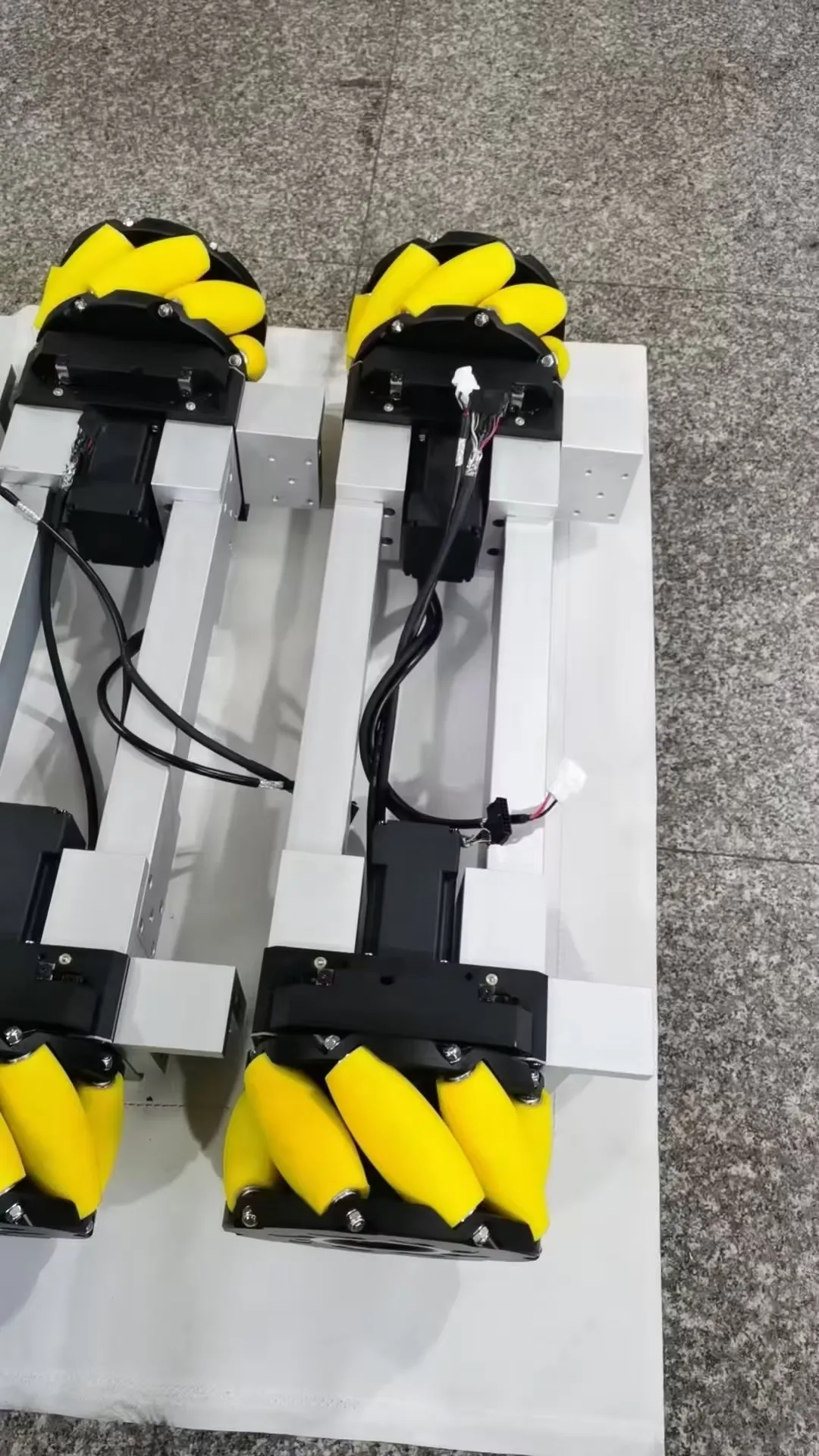
The remarkable versatility of rubber drive rollers enables their successful deployment across an extraordinarily wide range of industries and applications, each benefiting from the unique performance characteristics that these components provide. In the printing and graphics industry, rubber drive rollers facilitate precise paper feeding, web tension control, and ink transfer operations with the accuracy required for high-quality output and minimal waste. The food processing sector relies heavily on FDA-approved rubber formulations that maintain hygiene standards while providing reliable material handling for packaging lines, sorting equipment, and conveyor systems. Pharmaceutical manufacturing operations benefit from specially formulated rubber compounds that resist chemical cleaning agents and maintain surface integrity under stringent sanitation protocols. The textile industry utilizes rubber drive rollers for fabric handling, yarn processing, and finishing operations where gentle material contact prevents damage while maintaining precise tension control. Converting operations for paper, film, and foil materials depend on these rollers for accurate web handling, slitting, and rewinding processes that require consistent grip and minimal marking. Electronics manufacturing facilities employ specialized rubber drive rollers with static-dissipative properties that prevent electrostatic discharge damage while maintaining precise positioning accuracy for component placement and circuit board handling. Automotive assembly lines incorporate rubber drive rollers in painting systems, parts handling equipment, and quality inspection stations where reliable operation and contamination resistance are critical factors. The packaging industry benefits from the versatility of rubber drive rollers in applications ranging from high-speed case packing to delicate product handling that requires careful control of contact pressure. Specialized formulations address unique environmental challenges such as extreme temperatures in frozen food processing or chemical exposure in industrial cleaning systems. The adaptability of rubber drive rollers extends to custom mounting configurations, specialized drive systems, and integration with existing equipment platforms. Technical support services provide comprehensive application analysis to identify optimal roller specifications and installation procedures that maximize performance benefits. Industry-specific solutions often incorporate features such as quick-change mechanisms for frequent product changeovers, specialized coatings for enhanced grip on difficult materials, or reinforced construction for heavy-duty applications requiring extended service life under demanding conditions.

Get a Free Quote

Our representative will contact you soon.
Email
Mobile
Name
Company Name
Message
0/1000