Chemical Resistance and Hygiene Excellence
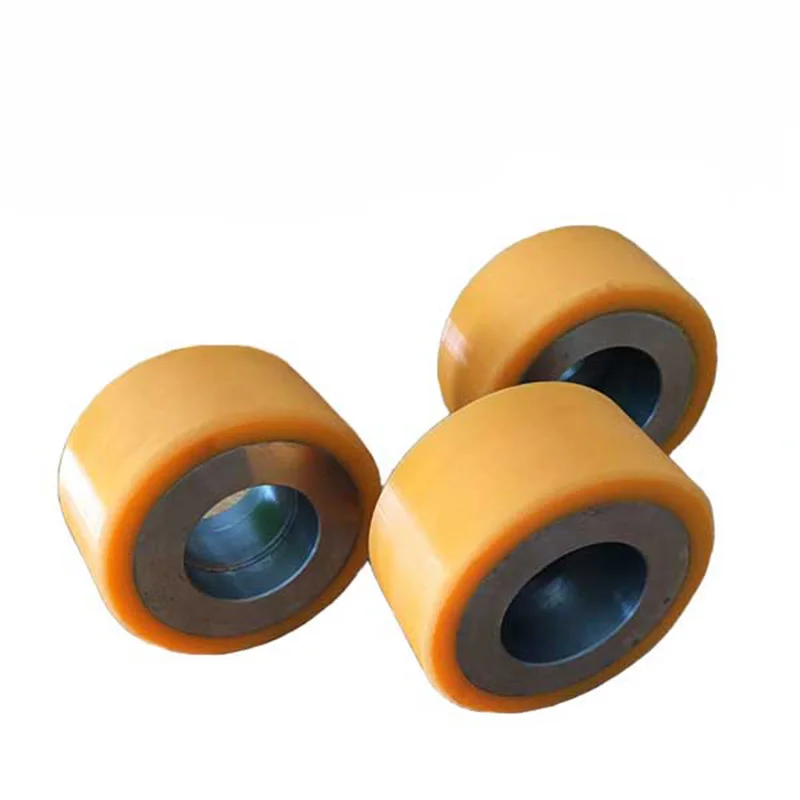
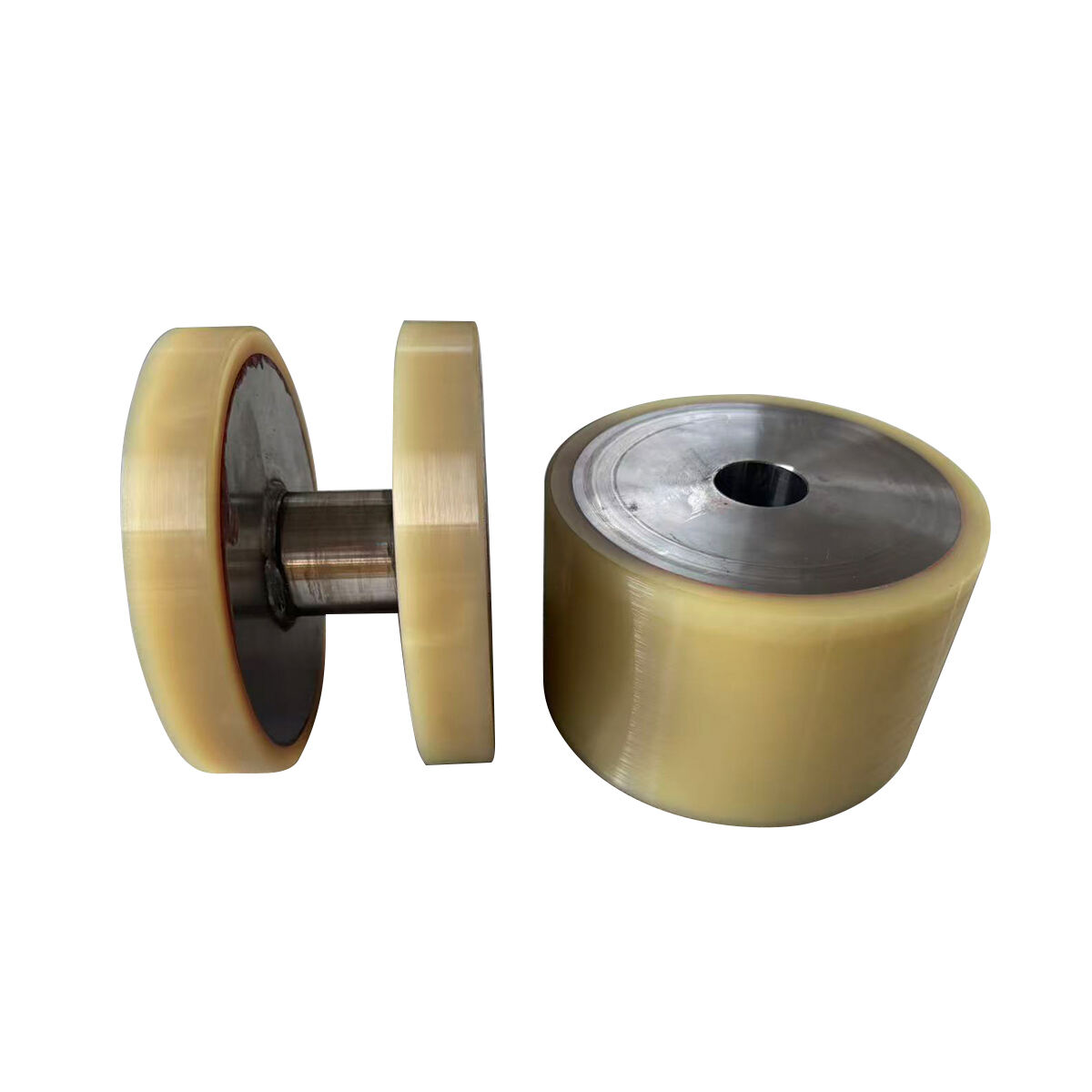
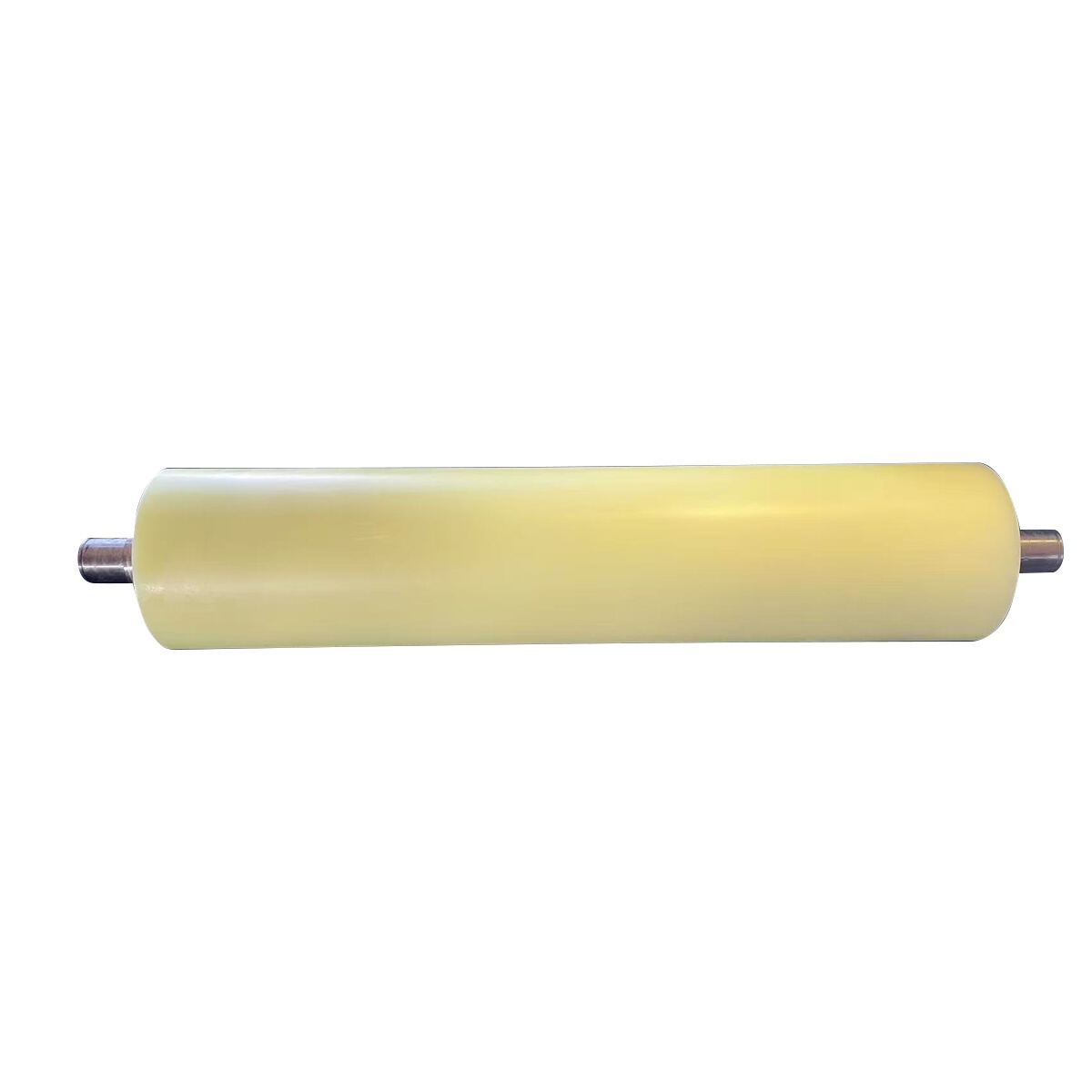
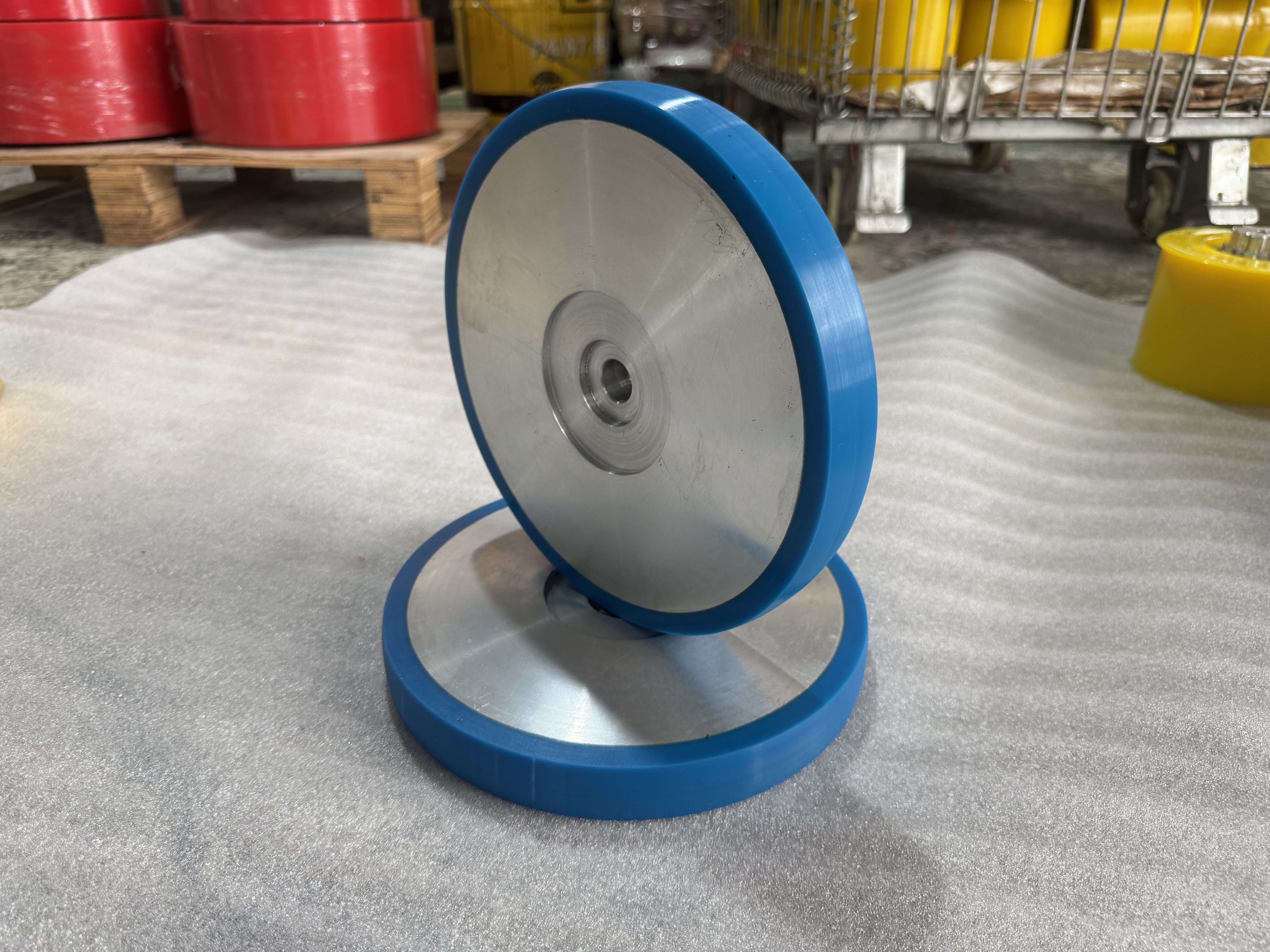
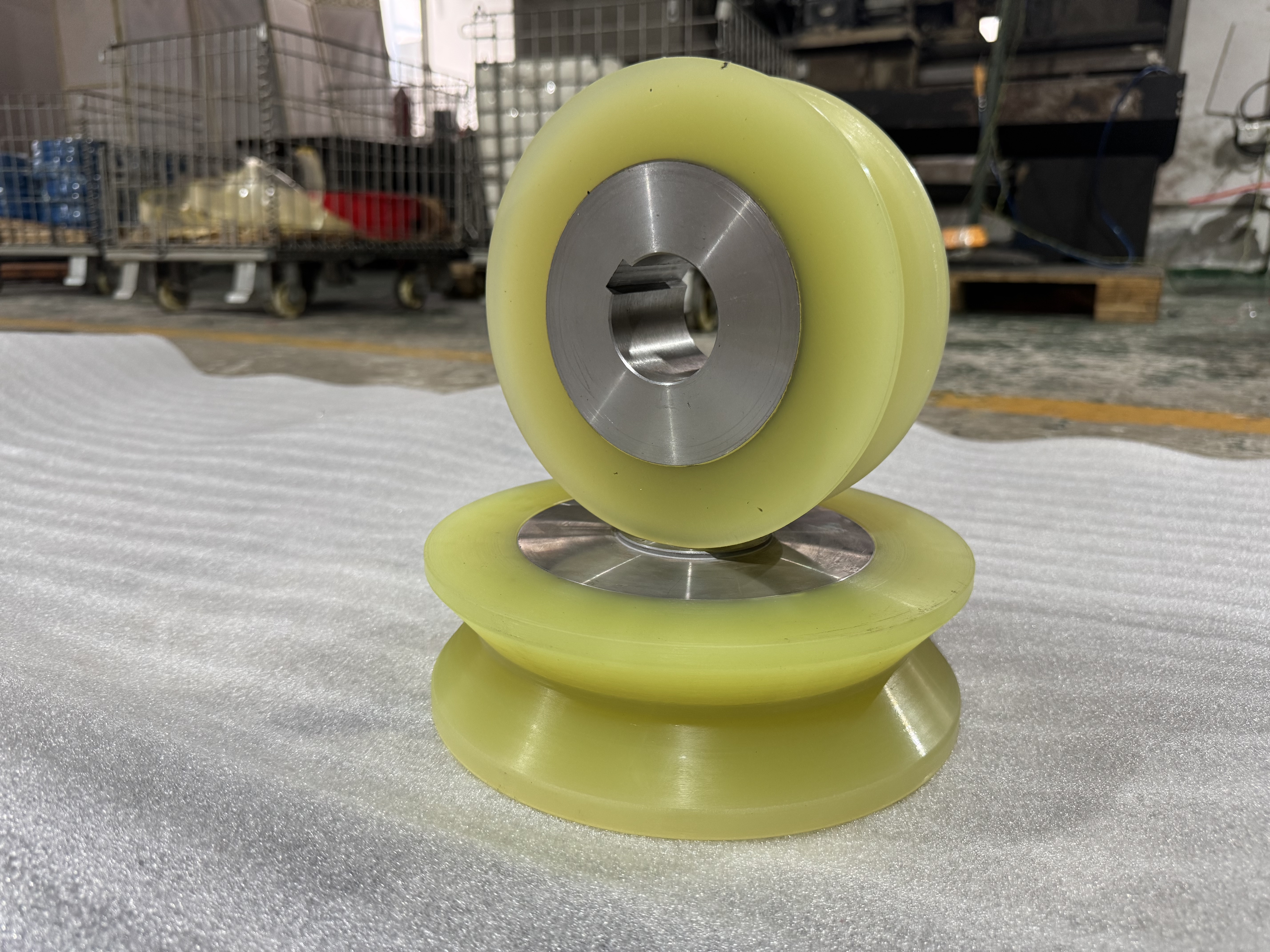
The exceptional chemical resistance of silicone rubber wheels provides customers with unparalleled protection against degradation from industrial chemicals, cleaning agents, and contaminants commonly encountered in professional environments. This chemical inertness results from the stable silicon-oxygen molecular structure that resists attack from acids, bases, solvents, oils, and various industrial chemicals that rapidly deteriorate conventional wheel materials. For customers in chemical processing, pharmaceutical manufacturing, or laboratory environments, this resistance translates into dramatically extended wheel life and reduced replacement costs. The silicone rubber wheel maintains its structural integrity and performance characteristics even when exposed to aggressive cleaning protocols required in medical and food processing facilities. This chemical stability enables the use of strong sanitizing agents without wheel degradation, ensuring consistent performance while meeting strict hygiene standards. The non-porous surface structure prevents absorption of chemicals, odors, or contaminants, making these wheels ideal for environments where cross-contamination must be prevented. In food processing applications, the chemical resistance allows thorough cleaning with food-safe sanitizers without compromising wheel performance or introducing contamination risks. Medical equipment applications benefit from the ability to withstand repeated sterilization cycles using chemical disinfectants or autoclaving procedures without material degradation. The antimicrobial properties inherent in silicone rubber provide additional hygiene benefits by preventing bacterial growth on wheel surfaces, reducing contamination risks in sensitive environments. This combination of chemical resistance and antimicrobial properties makes silicone rubber wheels essential for maintaining sterile conditions in hospitals, laboratories, and clean rooms. Customers in these demanding environments experience reduced downtime, lower maintenance costs, and improved compliance with stringent hygiene regulations through the superior chemical resistance and cleanliness characteristics of these specialized wheels.
 EN
EN