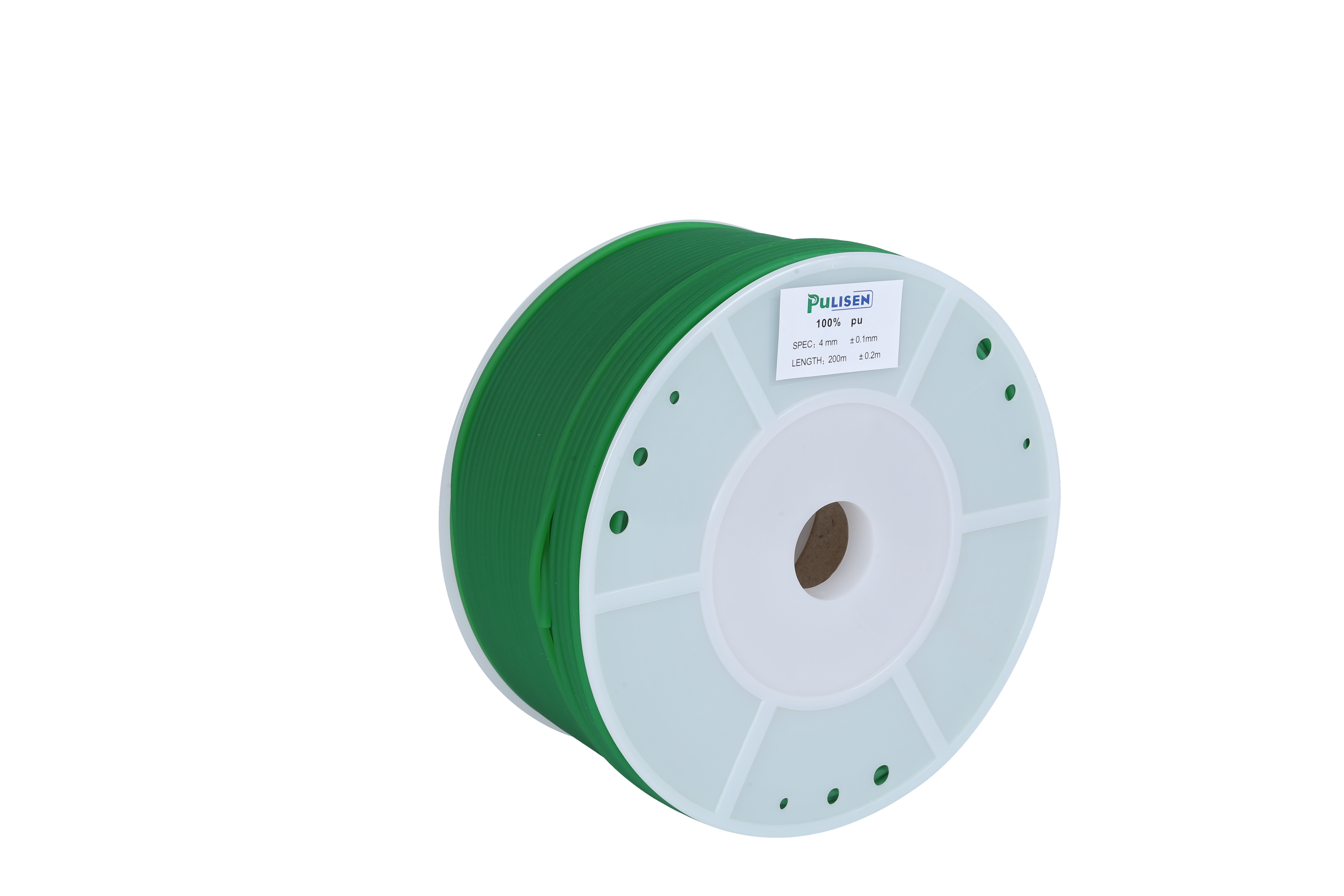
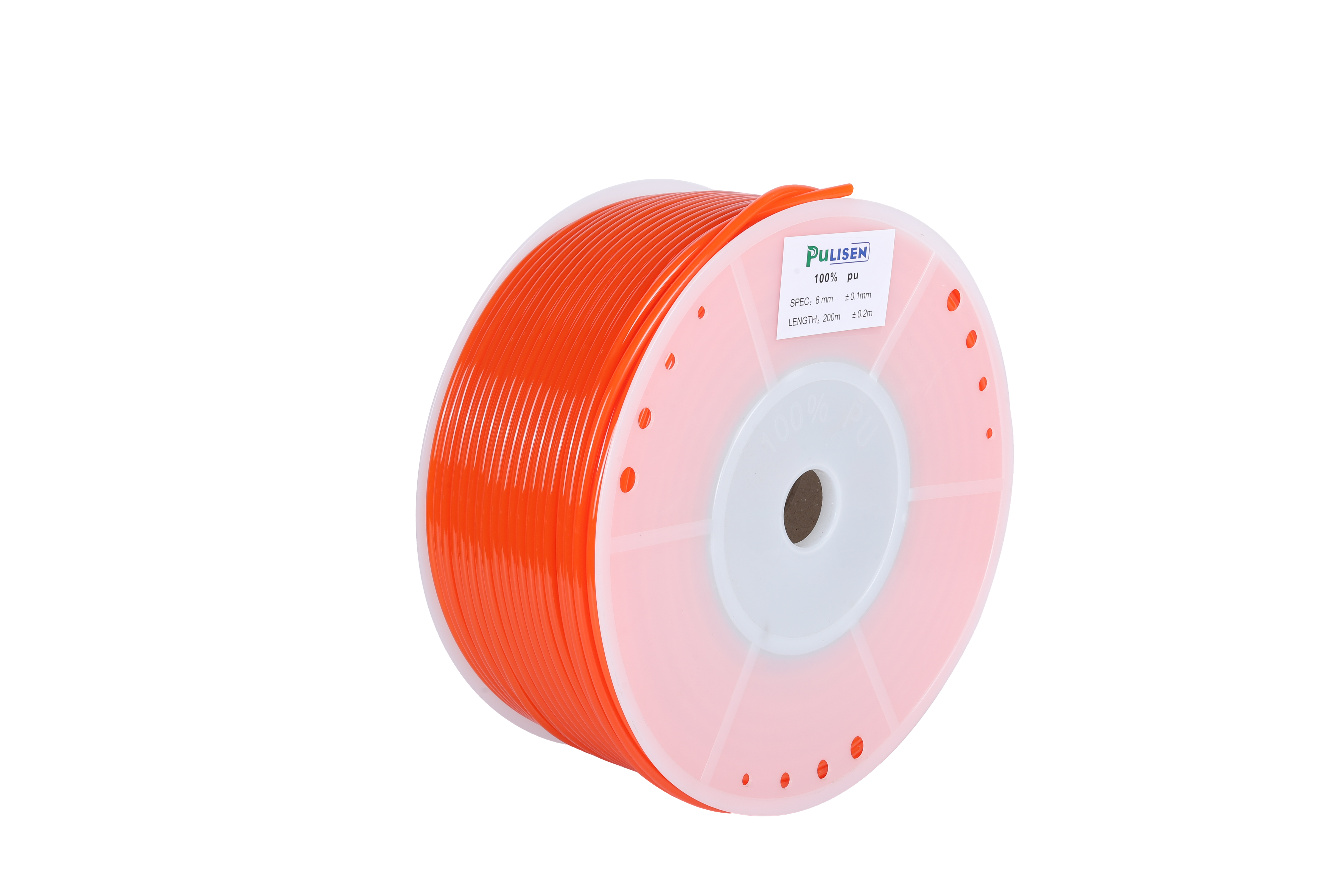
endless round belt
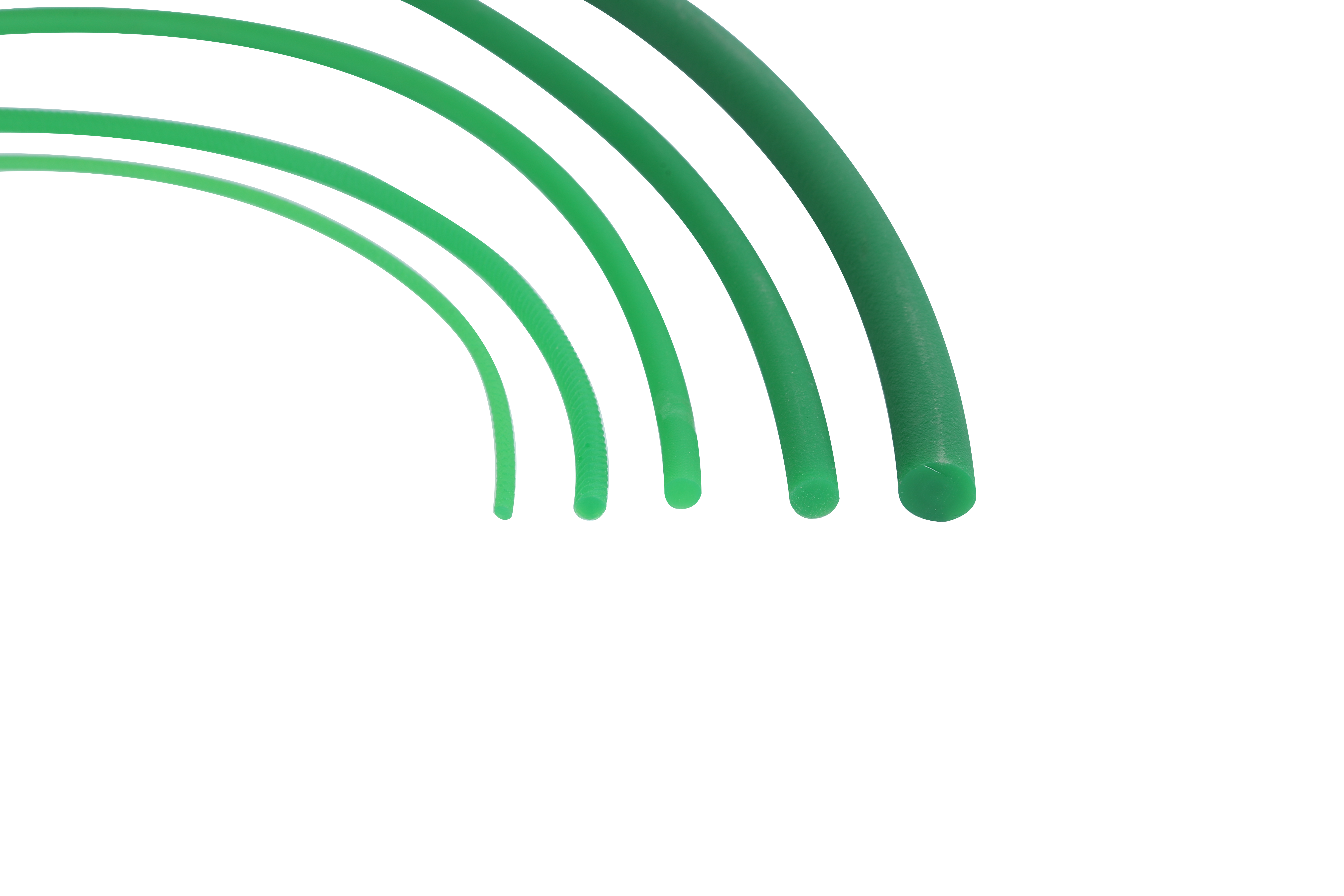
The endless round belt represents a revolutionary advancement in industrial power transmission technology, engineered to deliver superior performance across diverse mechanical applications. Unlike traditional belt systems that feature visible joints or connections, the endless round belt is manufactured as a continuous loop without seams, creating an exceptionally smooth and reliable transmission medium. This innovative design eliminates weak points commonly found in conventional belting systems, resulting in enhanced durability and operational consistency. The endless round belt operates on the principle of friction-based power transfer, utilizing its seamless construction to maintain constant contact with pulleys and drive mechanisms. Its circular cross-section provides optimal grip while minimizing slippage, ensuring efficient energy transfer from drive to driven components. The belt's continuous structure distributes stress evenly throughout its circumference, preventing localized wear patterns that typically compromise traditional belt performance. Manufacturing processes for endless round belts involve specialized techniques including extrusion, molding, or welding methods that create truly seamless products. Advanced materials such as polyurethane, rubber compounds, or synthetic polymers are commonly employed to achieve specific performance characteristics including flexibility, chemical resistance, and temperature tolerance. The endless round belt finds extensive applications across industrial automation, packaging machinery, textile equipment, printing systems, and material handling operations. In conveyor applications, these belts provide smooth product movement without marking or damage. Drive systems benefit from reduced maintenance requirements and extended operational life. The belt's uniform surface characteristics make it particularly suitable for precision applications where consistent speed ratios and minimal vibration are critical. Food processing industries favor endless round belts due to their hygienic properties and ease of cleaning. The seamless design eliminates crevices where contaminants might accumulate, supporting strict sanitation requirements. Additionally, the belt's resistance to oils, acids, and cleaning chemicals ensures reliable performance in demanding environments while maintaining food safety standards.
 EN
EN