High-Performance Polyurethane Conveyor Rollers - Superior Durability and Efficiency Solutions

Get a Free Quote

Our representative will contact you soon.
Email
Mobile
Name
Company Name
Message
0/1000

polyurethane conveyor rollers

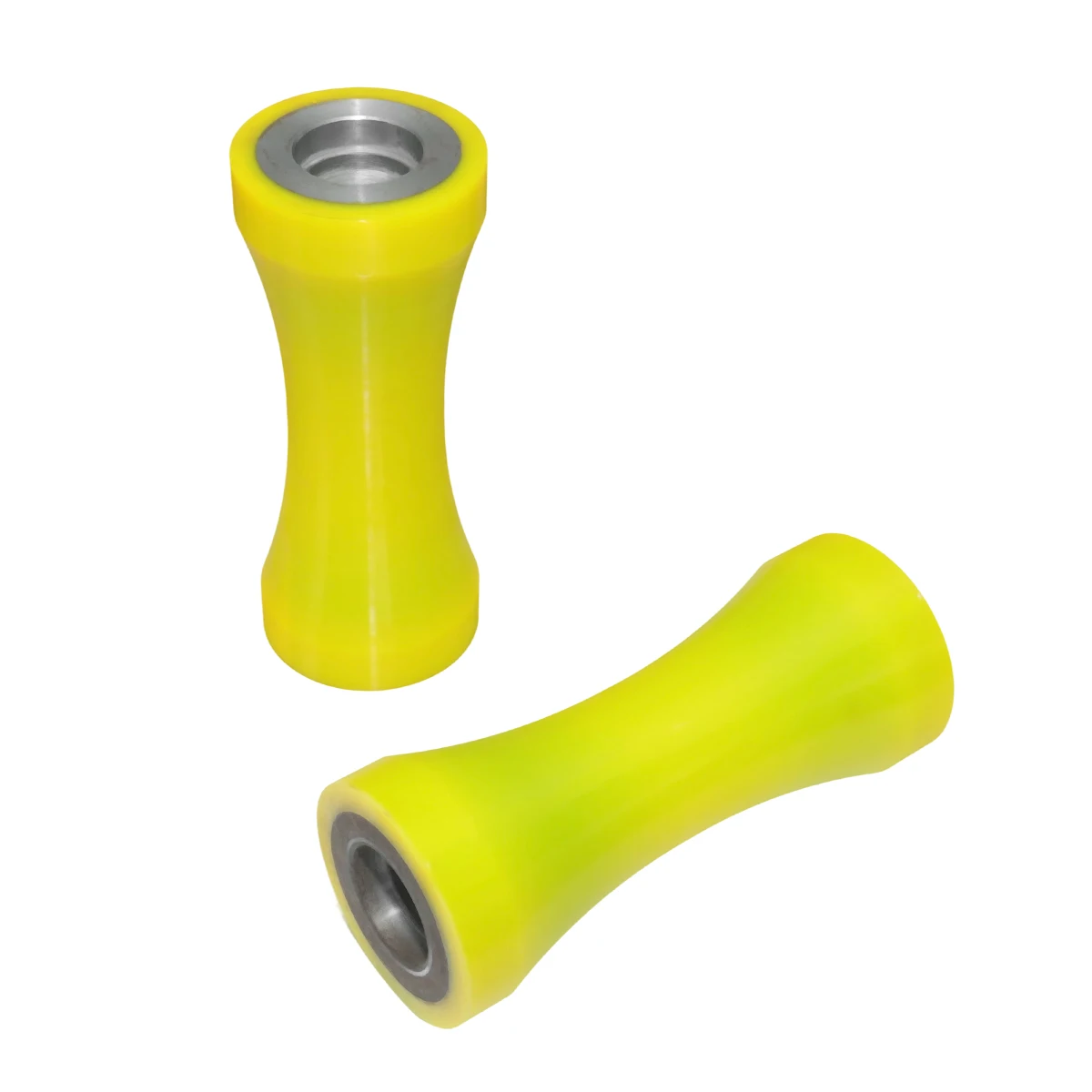
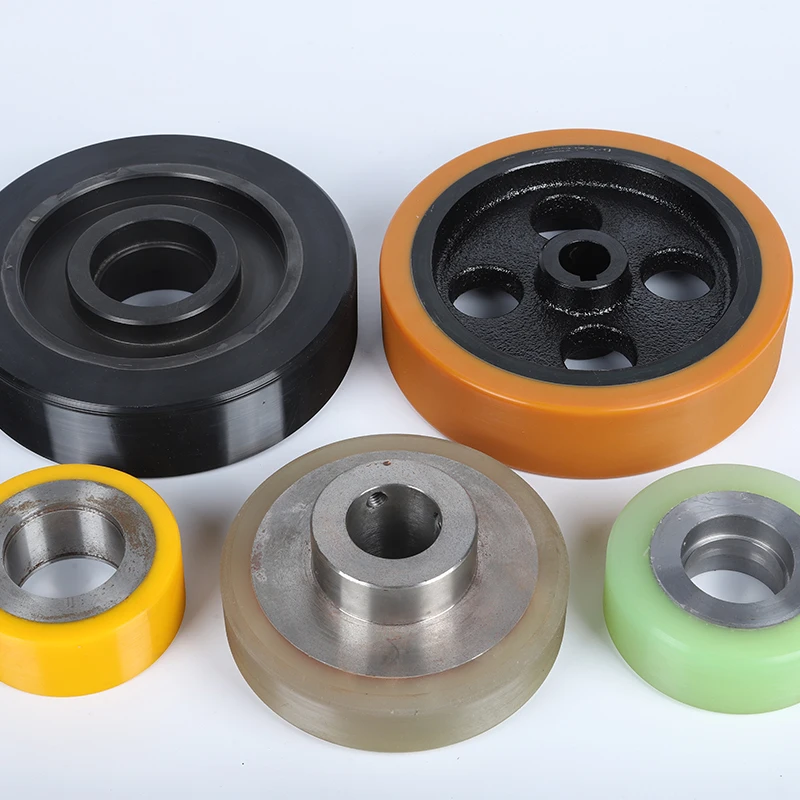
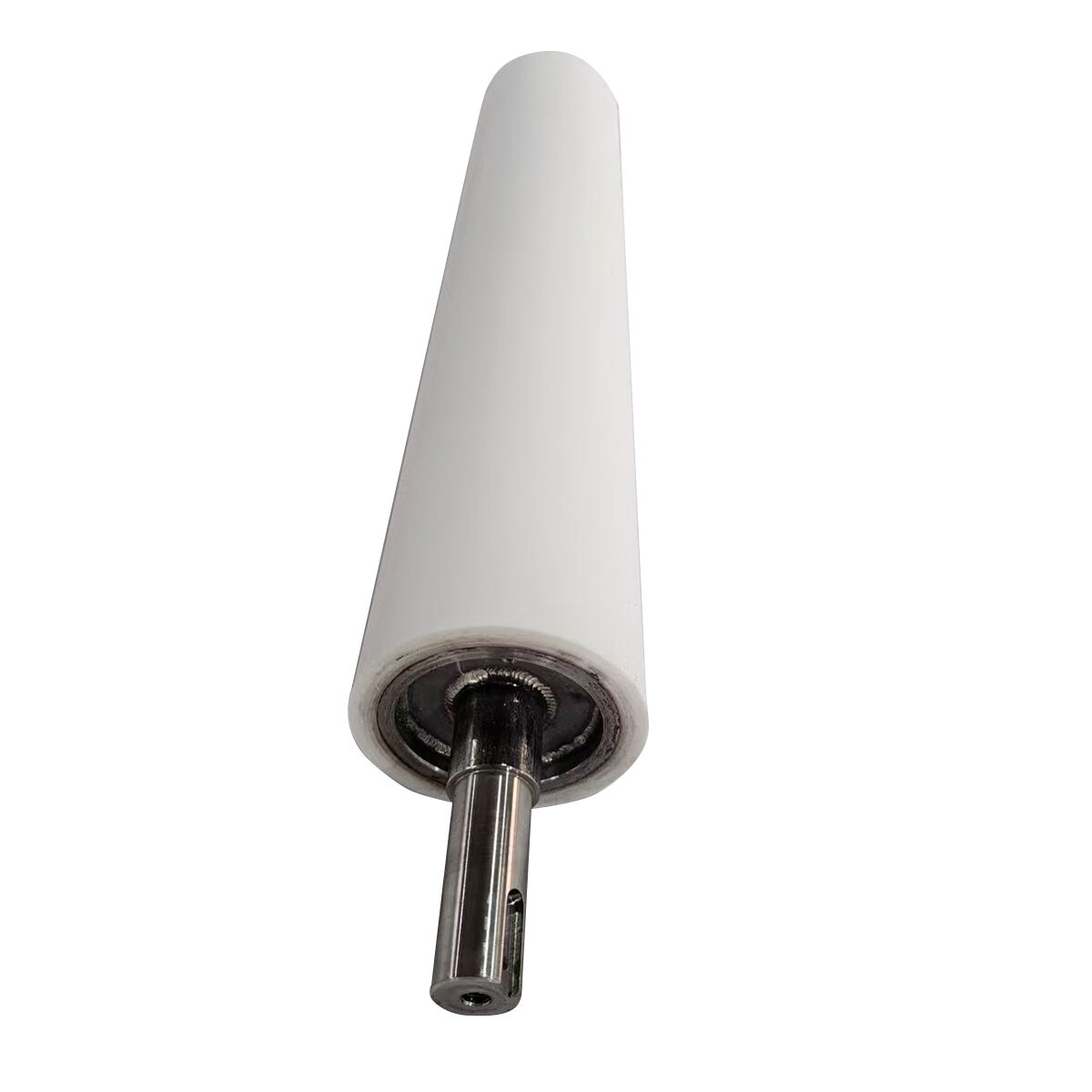
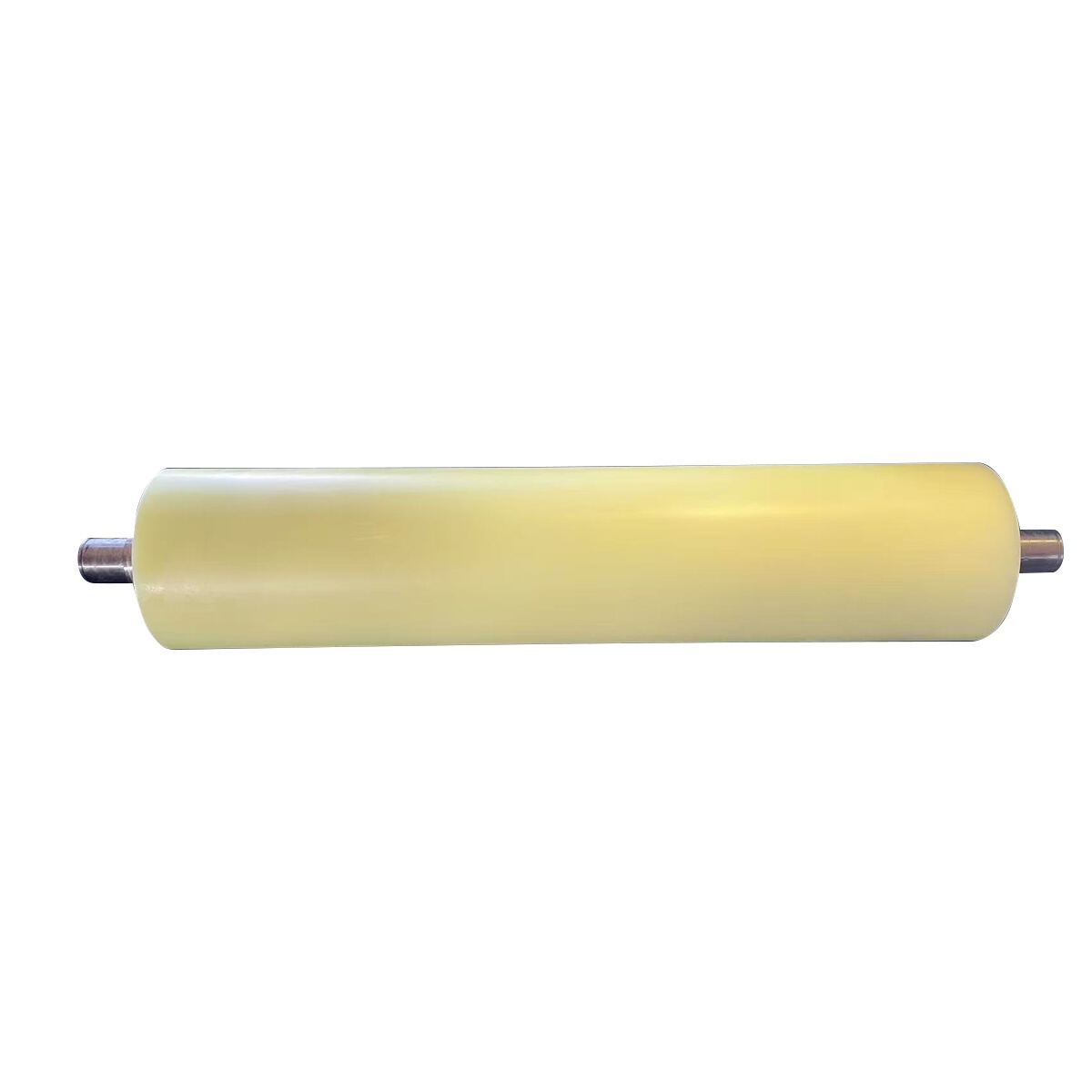
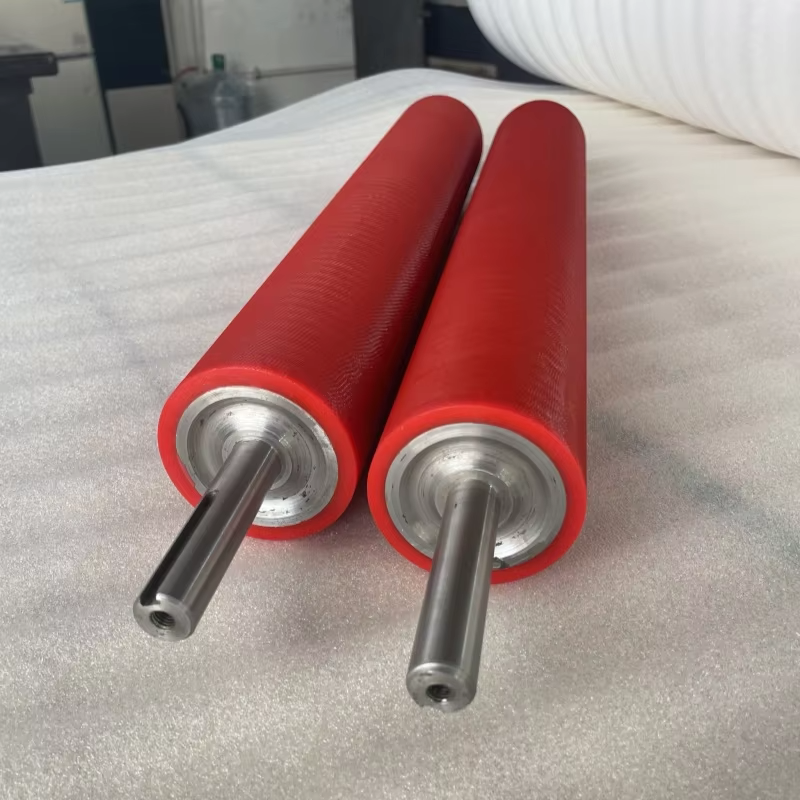
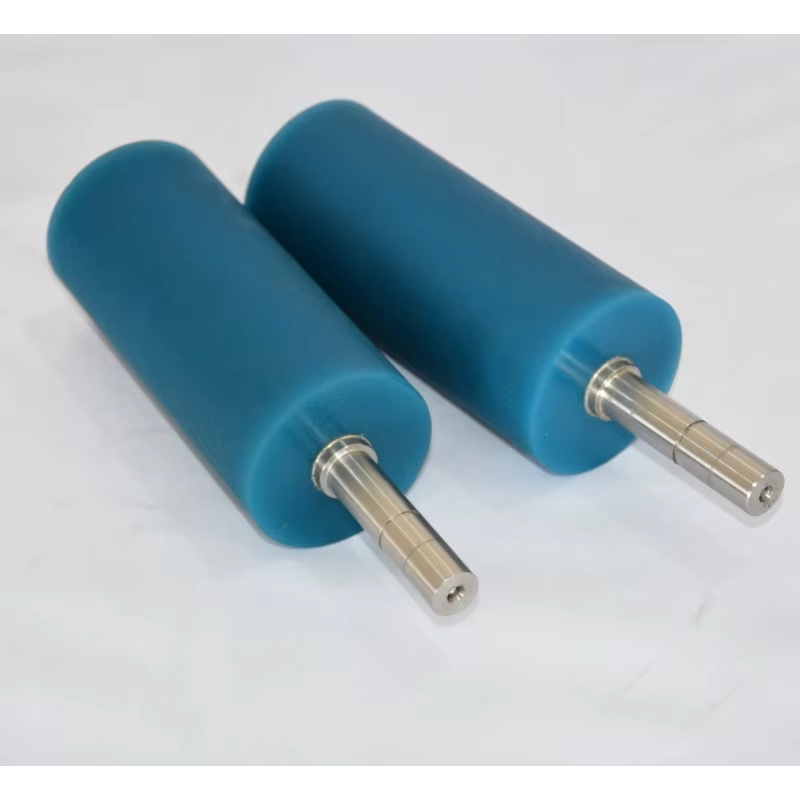
Polyurethane conveyor rollers represent a revolutionary advancement in material handling technology, offering exceptional performance across diverse industrial applications. These specialized components combine the durability of traditional roller systems with the unique properties of polyurethane materials, creating solutions that outperform conventional alternatives in demanding environments. The main function of polyurethane conveyor rollers centers on facilitating smooth, efficient material transport while providing superior resistance to wear, chemicals, and environmental factors that typically compromise standard roller systems. The technological features of polyurethane conveyor rollers include advanced polymer chemistry that delivers outstanding abrasion resistance, excellent load-bearing capacity, and remarkable flexibility under varying operational conditions. These rollers incorporate precision-engineered cores manufactured from high-strength materials such as steel or aluminum, which are then encased in specially formulated polyurethane compounds. This construction methodology ensures optimal weight distribution and maintains structural integrity during continuous operation. The polyurethane coating provides exceptional grip characteristics, reducing slippage and improving overall system efficiency. Applications for polyurethane conveyor rollers span numerous industries including mining operations, food processing facilities, packaging systems, automotive manufacturing, and distribution centers. In mining environments, these rollers excel at handling abrasive materials while resisting the harsh conditions typical of extraction operations. Food processing applications benefit from the non-toxic, easy-to-clean properties of polyurethane surfaces, which comply with strict hygiene standards. Manufacturing facilities utilize these rollers for their ability to handle varying load weights while maintaining consistent performance over extended periods. The versatility of polyurethane conveyor rollers makes them suitable for both heavy-duty industrial applications and precision-sensitive operations where product damage must be minimized. Their design accommodates various belt types and conveyor configurations, ensuring seamless integration into existing systems while providing enhanced operational reliability and reduced maintenance requirements.

New Products

Polyurethane conveyor rollers deliver substantial cost savings through extended operational life compared to traditional rubber or metal alternatives. These rollers typically last three to five times longer than conventional options, significantly reducing replacement frequency and associated downtime costs. The superior wear resistance of polyurethane materials means fewer maintenance interventions, allowing operations to run continuously with minimal interruptions. This extended lifespan translates directly into improved return on investment for businesses seeking reliable conveyor solutions. The chemical resistance properties of polyurethane conveyor rollers provide exceptional value in environments where exposure to oils, solvents, and cleaning agents occurs regularly. Unlike rubber rollers that deteriorate when exposed to petroleum products, polyurethane maintains its structural integrity and performance characteristics. This resistance eliminates the need for frequent replacements due to chemical degradation, further reducing operational costs and improving system reliability. Temperature stability represents another significant advantage of polyurethane conveyor rollers. These components maintain consistent performance across wide temperature ranges, from sub-zero conditions to elevated temperatures exceeding 200 degrees Fahrenheit. This thermal stability ensures reliable operation in diverse environments without performance degradation or material failure. The noise reduction capabilities of polyurethane conveyor rollers create more comfortable working environments while complying with occupational safety regulations. The material naturally dampens vibrations and reduces operational noise levels compared to metal rollers, contributing to improved workplace conditions. Load distribution efficiency improves significantly with polyurethane conveyor rollers due to their ability to conform slightly to load shapes while maintaining structural strength. This conformability reduces point loading and extends both roller and belt life by distributing forces more evenly across contact surfaces. The non-marking properties of polyurethane prevent product contamination and eliminate the need for protective coverings in sensitive applications. Easy installation and maintenance procedures reduce labor costs and minimize system downtime during roller replacement or maintenance activities. The lightweight nature of polyurethane reduces overall system weight while maintaining strength requirements, potentially reducing structural support needs and energy consumption.

Practical Tips

What Factors Should You Consider When Choosing a Rubber Roller?

31

Oct

What Factors Should You Consider When Choosing a Rubber Roller?

Essential Elements of Industrial Rubber Roller Selection Selecting the right rubber roller for your industrial application can significantly impact your operation's efficiency, product quality, and overall productivity. Whether you're in the printing...
View More
What Are the Key Benefits of Using Custom Rubber Rollers in Factories?

31

Oct

What Are the Key Benefits of Using Custom Rubber Rollers in Factories?

Understanding the Impact of Advanced Rubber Roller Technology in Modern Manufacturing Manufacturing excellence depends heavily on the quality and precision of equipment components. Among these critical elements, custom rubber rollers have emerged as ...
View More
How to Select the Right Round Belt for High-Temperature Applications?

27

Nov

How to Select the Right Round Belt for High-Temperature Applications?

Industrial machinery operating in high-temperature environments requires specialized transmission components that can withstand extreme thermal conditions without compromising performance. A high temperature round belt serves as a critical component ...
View More
How to Choose the Right Polyurethane Bumper for Conveyor Systems?

27

Nov

How to Choose the Right Polyurethane Bumper for Conveyor Systems?

Conveyor systems are the backbone of modern industrial operations, moving materials efficiently across production lines, warehouses, and manufacturing facilities. At the heart of these systems lie critical components that ensure smooth operation and ...
View More

Get a Free Quote

Our representative will contact you soon.
Email
Mobile
Name
Company Name
Message
0/1000

polyurethane conveyor rollers

Superior Durability and Longevity Performance

Superior Durability and Longevity Performance

The exceptional durability of polyurethane conveyor rollers stems from advanced material science that combines flexibility with remarkable toughness, creating components that withstand the most demanding industrial environments. Unlike traditional roller materials that crack, chip, or wear down under continuous stress, polyurethane maintains its structural integrity through millions of rotation cycles. This durability advantage becomes particularly evident in applications involving abrasive materials such as sand, gravel, or metal components, where conventional rollers typically fail within months of installation. The polymer structure of polyurethane creates a unique combination of elasticity and strength that allows these rollers to absorb impact forces without sustaining permanent damage. This shock-absorbing capability protects both the roller and the conveyed materials, reducing product damage and system maintenance requirements. The longevity performance of polyurethane conveyor rollers translates into substantial operational savings, as facilities can operate for extended periods without roller replacement interruptions. In heavy-duty mining applications, these rollers have demonstrated operational lifespans exceeding five years under conditions that would destroy conventional alternatives within months. The consistent performance throughout their extended lifespan ensures that system efficiency remains stable, preventing the gradual performance degradation common with other roller types. Quality polyurethane formulations resist UV degradation, ozone exposure, and oxidation, maintaining their physical properties even in outdoor installations or environments with aggressive atmospheric conditions. This environmental resistance eliminates the premature aging that affects rubber-based rollers, ensuring reliable long-term performance. The durability extends beyond wear resistance to include dimensional stability, meaning polyurethane conveyor rollers maintain their precise specifications throughout their operational life. This consistency prevents belt tracking issues and maintains optimal system alignment, reducing maintenance interventions and ensuring smooth operation. The investment in polyurethane conveyor rollers pays dividends through reduced replacement costs, decreased downtime, and improved overall system reliability.
Exceptional Chemical and Environmental Resistance

Exceptional Chemical and Environmental Resistance

Polyurethane conveyor rollers demonstrate outstanding resistance to a wide array of chemicals, oils, and environmental factors that rapidly degrade other roller materials, making them ideal for challenging industrial environments. The molecular structure of polyurethane provides inherent resistance to petroleum products, hydraulic fluids, and most industrial solvents, ensuring consistent performance even when exposed to chemical spills or cleaning agents. This chemical resistance proves invaluable in automotive manufacturing facilities where cutting oils and lubricants are prevalent, or in chemical processing plants where roller exposure to aggressive substances is unavoidable. Unlike rubber rollers that swell, soften, or dissolve when exposed to certain chemicals, polyurethane maintains its dimensional stability and mechanical properties. The environmental resistance of polyurethane conveyor rollers extends to moisture, humidity, and temperature fluctuations that cause other materials to degrade or fail. In food processing applications, these rollers resist sanitizing chemicals and high-pressure washing procedures without deteriorating, maintaining their smooth surfaces essential for hygienic operations. The non-porous nature of polyurethane prevents bacterial growth and contamination, making these rollers suitable for pharmaceutical and food-grade applications where cleanliness standards are critical. Ozone resistance ensures that polyurethane conveyor rollers perform reliably in environments with electrical equipment that generates ozone, such as welding facilities or areas with high-voltage machinery. This resistance prevents the cracking and surface deterioration that affects rubber components in similar environments. The stability of polyurethane under varying atmospheric conditions makes these rollers suitable for outdoor conveyor systems where exposure to rain, snow, and UV radiation would quickly degrade other materials. Salt resistance makes polyurethane conveyor rollers particularly valuable in coastal installations or facilities that use de-icing compounds, where corrosive conditions would rapidly compromise other roller types. The ability to withstand cleaning protocols involving aggressive detergents and high temperatures ensures that these rollers maintain their performance characteristics even in applications requiring frequent sanitization. This comprehensive resistance profile eliminates the need for frequent roller replacements due to environmental factors, reducing maintenance costs and improving system uptime.

Enhanced Operational Efficiency and Performance Optimization

Enhanced Operational Efficiency and Performance Optimization

Polyurethane conveyor rollers significantly enhance operational efficiency through superior grip characteristics, reduced friction coefficients, and optimized load transfer properties that improve overall system performance. The unique surface properties of polyurethane create ideal traction between the roller and conveyor belt, reducing slippage that wastes energy and causes belt wear. This improved grip ensures consistent belt speed and reduces the power requirements for motor systems, leading to measurable energy savings over extended operational periods. The coefficient of friction can be precisely engineered during the polyurethane formulation process, allowing customization for specific applications ranging from high-grip requirements to low-friction applications where smooth product flow is essential. The load distribution capabilities of polyurethane conveyor rollers optimize system performance by conforming slightly to load contours while maintaining structural rigidity, reducing stress concentrations that cause premature wear in both belts and rollers. This conformability particularly benefits applications involving irregularly shaped products or varying load densities, where rigid rollers create pressure points that damage products or accelerate system wear. The vibration dampening properties of polyurethane reduce system noise and eliminate harmful resonances that can cause mechanical failures in conveyor frameworks and support structures. This vibration control improves product stability during transport, reducing damage rates and improving quality control in manufacturing processes. The precision manufacturing possible with polyurethane allows for extremely tight dimensional tolerances, ensuring perfect belt tracking and eliminating the wandering that reduces efficiency and increases maintenance requirements. The temperature stability of polyurethane conveyor rollers maintains consistent performance characteristics across varying operational temperatures, preventing the efficiency losses associated with thermal expansion and contraction in other materials. The non-stick properties of properly formulated polyurethane surfaces prevent material buildup that reduces roller effectiveness and requires frequent cleaning interventions. This self-cleaning characteristic proves particularly valuable in applications involving sticky or tacky materials that would accumulate on other roller surfaces. The combination of these performance optimization features results in measurable improvements in throughput capacity, energy efficiency, and product quality while reducing operational costs and maintenance requirements throughout the system lifecycle.

Get a Free Quote

Our representative will contact you soon.
Email
Mobile
Name
Company Name
Message
0/1000